ATEX-Compliant Equipment and Hazardous Area Applications: Industry Applications for Global Manufacturing
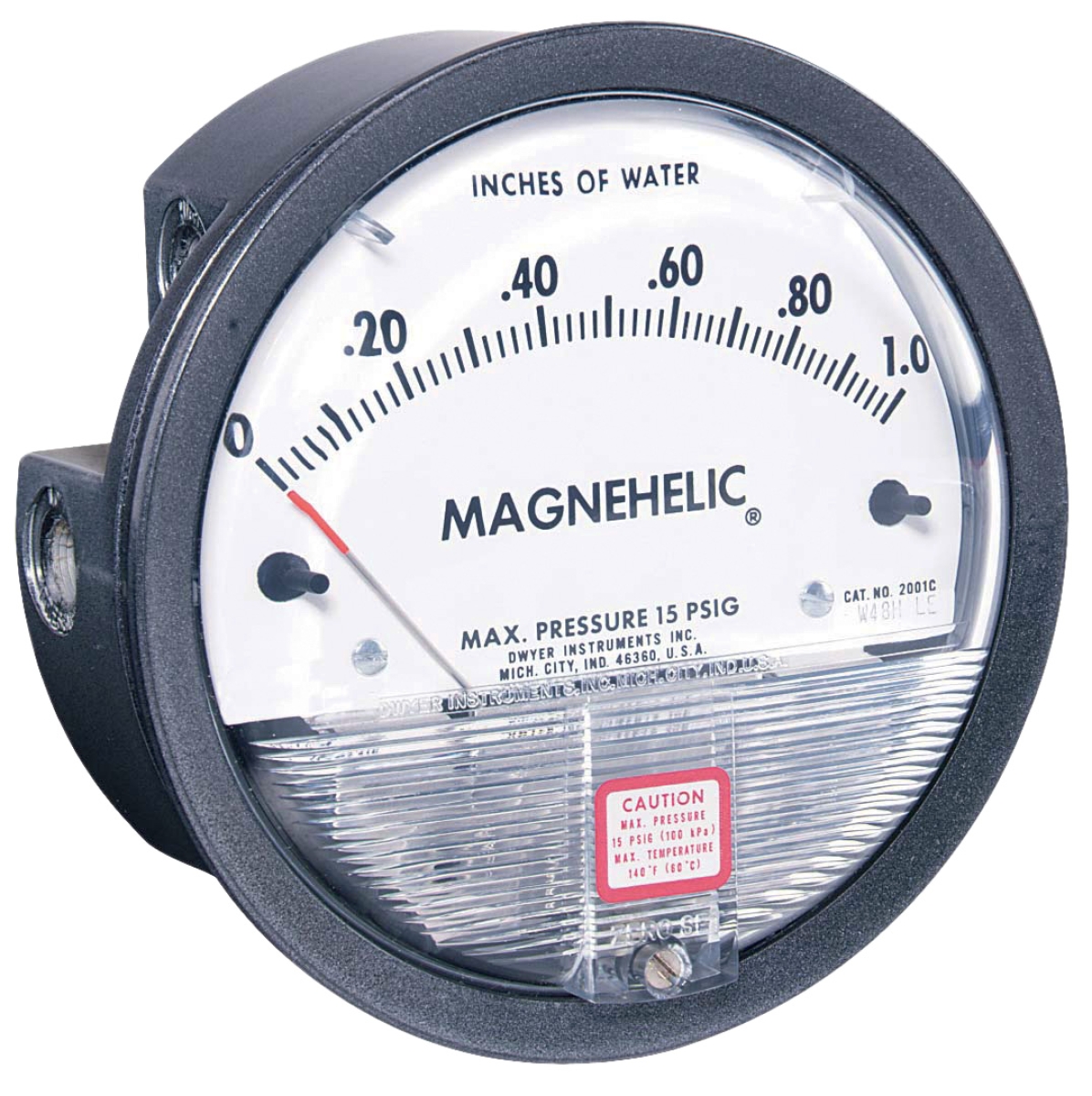
Table of Contentsexpand_more
Understanding ATEX Compliance and Hazardous Area Classifications
ATEX (Atmosphères Explosibles) directives establish mandatory safety standards for equipment operating in explosive atmospheres across EU member states and internationally recognized regions. For plant managers overseeing facilities in pharmaceutical manufacturing, chemical processing, petrochemical refining, grain handling, and paint application environments, ATEX compliance isn't optional—it's a fundamental operational requirement that directly impacts worker safety, regulatory liability, and insurance coverage.
The ATEX framework categorizes equipment into three groups based on atmosphere type: Group I equipment for underground mining (coal dust), and Groups II and III for surface industries handling flammable gases (Group II) and combustible dusts (Group III). Within each group, categories define performance standards: Category 1 (highest safety margin for Zone 0/20 environments with continuous explosive atmospheres), Category 2 (for Zone 1/21 with occasional explosive atmospheres), and Category 3 (for Zone 2/22 with infrequent explosive atmospheres).
Plant managers must understand that ATEX compliance extends beyond purchasing certified equipment. Your facility's risk assessment, equipment maintenance protocols, staff training documentation, and inspection schedules collectively demonstrate compliance. A single non-certified component in a high-pressure spray system or control circuit can invalidate your entire setup's certification status. Drawing on 35+ years of experience as an industrial equipment distributor, 3G Electric has supported facilities across multiple continents in selecting integrated systems that maintain ATEX compliance while optimizing operational efficiency.
Spray Systems and Coating Applications in Hazardous Zones
Industrial spray operations—whether applying protective coatings to metal fabrications, handling solvent-based paints in manufacturing, or applying chemical treatments in processing environments—generate the precise conditions that trigger explosive atmosphere classifications. The combination of pressurized fluid delivery, atomized mist generation, and electrical/mechanical equipment operation creates multiple ignition sources that ATEX standards specifically address.
The Pratissoli PISTOLA P560*LANCIA 1000 ATEX spray gun represents the critical entry point for compliant spray system design. Rated at 600 bar operating pressure with 60 L/min flow capacity and full ATEX certification, this spray gun accessory integrates several safety mechanisms: conductive materials throughout the spray path to prevent static charge accumulation, pressure relief systems to prevent dangerous backpressure conditions, and mechanical design that eliminates spark-generating surfaces. The 1000-series designation indicates optimized ergonomic control suitable for extended shift operations, reducing operator fatigue that could compromise safe handling practices.
For plant managers implementing spray systems in Category 2 or Category 3 hazardous zones, the spray gun represents only one component. Your system must also incorporate pressure regulation (preventing transient overpressure conditions), proper grounding/bonding of all metal components, certified hose assemblies with appropriate pressure ratings, and nozzle designs that maintain consistent spray patterns without blockage-induced pressure spikes. When integrating with primary pumping systems like the Pratissoli KF30 high-performance industrial pump (106 L/min at 200 bar with 40 kW power), ensure that the pump's electric motor carries appropriate ATEX certification for the zone classification and that power supply circuits include certified control components.
A practical implementation strategy: establish a documented system schematic showing all ATEX-certified components, certification category, and equipment serial numbers. Conduct a pre-operational verification checklist covering hose integrity (visual inspection for wear, swelling, or external contamination), pressure gauge functionality (using Dwyer Magnehelic differential pressure gauge for independent verification of system pressures), electrical connections (tight, properly grounded, no signs of corrosion), and emergency shutdown accessibility. This documentation becomes essential evidence during regulatory inspections and supports your facility's insurance liability position.
Gas Control and Solenoid Valve Applications in Explosive Atmospheres
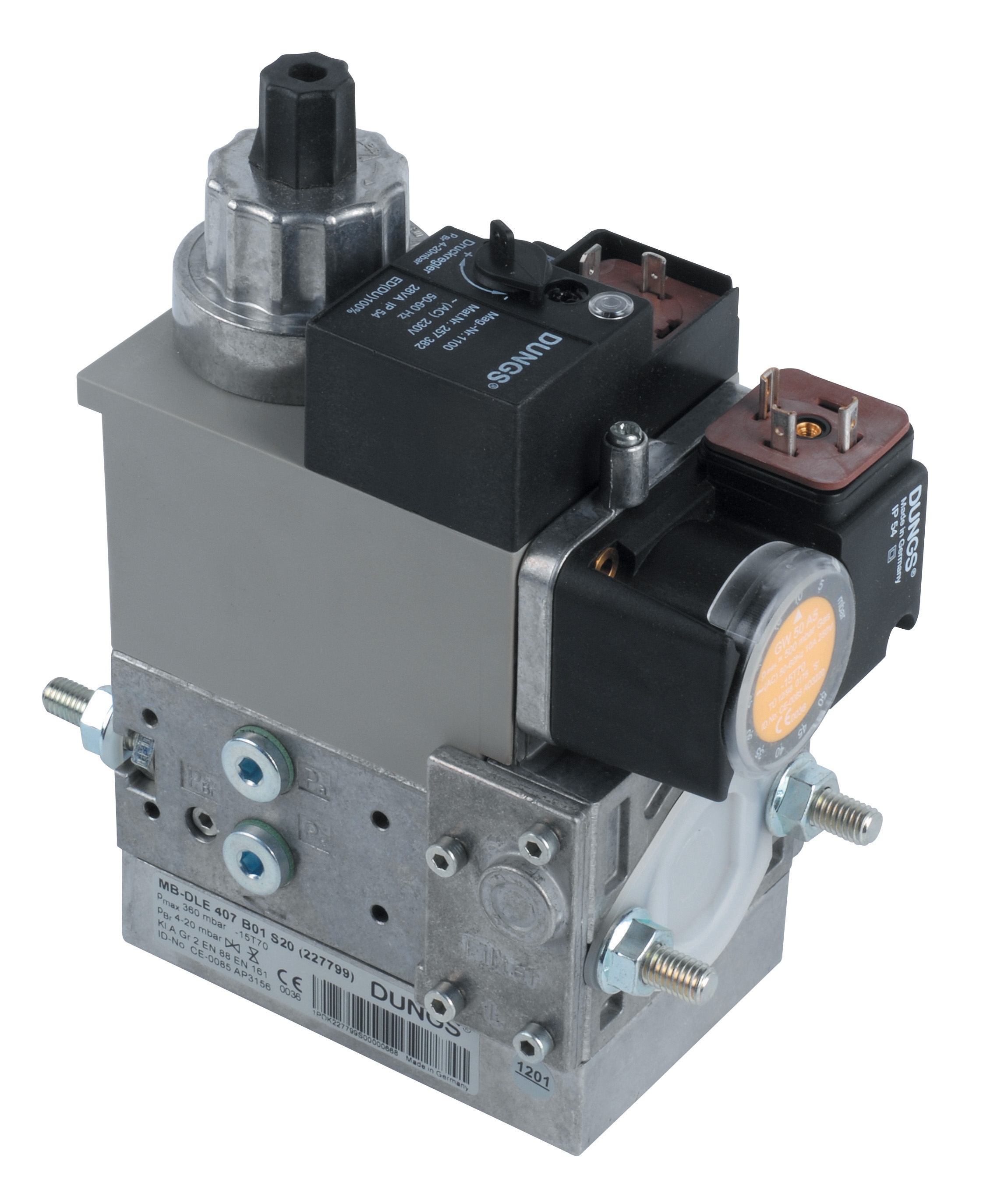
Beyond spray systems, many manufacturing facilities utilize compressed air, inert gas purging, or process gas delivery in hazardous zones. These applications demand precise pressure regulation with absolute reliability—any uncontrolled gas release or pressure spike could ignite surrounding explosive atmospheres. The Elektrogas solenoid valve EVRM NA 7 flanged DN65 600 Mbar exemplifies the technical specifications required for safe gas control in hazardous zones.
This solenoid valve's DN65 flanged connection accommodates large-diameter gas lines typical in industrial applications, while the 600 Mbar (600 bar) rating supports high-pressure gas delivery systems found in pneumatic tool operations, process air controls, and inert gas blanketing systems. The IP 54 protection rating (dust and water jet resistance) ensures functionality in harsh industrial environments where equipment may encounter coolant mist, cleaning operations, or outdoor weather exposure. At 19 W power consumption, the valve operates efficiently within certified electrical control circuits, reducing heat generation that could otherwise challenge zone classification.
For plant managers operating gas-based processes, the solenoid valve integration strategy should emphasize redundancy and fail-safe design. Install the valve in conjunction with manual isolation shutoffs positioned upstream and downstream, allowing maintenance personnel to service valve components without venting pressurized gas into the work environment. Implement pressure monitoring that triggers alarms if system pressure falls below operating range (indicating potential internal valve failure) or exceeds maximum design pressure (indicating relief system malfunction). Document all gas supply sources, pressure ratings, and destination processes on facility P&IDs (piping and instrumentation diagrams) that clearly mark hazardous zone boundaries.
A critical practice: schedule solenoid valve preventive maintenance every 12-24 months depending on cycle frequency and gas medium. Combustible dust environments require more frequent attention than pure gas applications, as dust particles can accumulate in valve internals and create blockage or seal degradation. Maintain detailed maintenance logs showing coil resistance measurements, mechanical actuation testing, and seal inspection results. These records demonstrate due diligence in ATEX compliance and provide early warning of components requiring replacement.
Pump Integration, Gearbox Systems, and Pressure Transmission in Certified Equipment
When primary pumping systems deliver high-pressure fluid into spray applications or process equipment located in hazardous zones, the mechanical power transmission between motor and pump becomes critical to system safety and efficiency. The Interpump GEARBOX RS500 transmission for the WS251 pump series demonstrates how mechanical integration maintains system integrity while supporting high-pressure operations.
This gearbox delivers 18.5 kW maximum power transmission with a 2.2 reduction ratio, making it suitable for applications requiring enhanced torque at controlled speeds. In hazardous zone applications, the gearbox's mechanical coupling isolates the motor from direct pressure transients, improving system stability. The 1-inch engine connection standardizes installation across compatible pump families, reducing design complexity and enabling technicians to perform field replacements following documented procedures.
Plant managers must understand that gearbox selection directly impacts equipment certification. If your primary pump carries ATEX certification, the gearbox must either: (1) carry matching ATEX certification from the original equipment manufacturer, or (2) be mechanically isolated from the hazardous atmosphere such that its operation cannot introduce ignition sources. This distinction matters for cost and availability—certified components typically cost 15-25% more than non-certified equivalents, but mixing certified and non-certified components invalidates your system's compliance status.
Implement a practical integration protocol: specify gearbox models in equipment procurement documents with explicit ATEX requirements. Upon delivery, verify certification documentation (EU Declaration of Conformity, technical file reference, and category/group designation) before installation. Photograph certification labels and maintain copies in your facility's equipment registry. During commissioning, conduct a no-load startup verification ensuring smooth mechanical operation and proper alignment before pressurizing the system. Monitor vibration levels and bearing temperatures during initial operations—excessive vibration could indicate misalignment that would accelerate seal wear and potentially create dangerous pressure transients.
For facilities requiring custom integration or replacement of failed components, 3G Electric's 35+ years of experience as an industrial equipment distributor provides access to compatible certified components and technical support for system design verification. Consult with technical staff before deviating from OEM specifications—seemingly minor modifications (different coupling types, altered mounting configurations, or substituted seal materials) can technically invalidate ATEX compliance even if equipment remains functionally similar.
Maintenance, Compliance Documentation, and Operational Best Practices
ATEX compliance is dynamic, requiring ongoing attention throughout equipment lifecycle. Plant managers should establish a compliance maintenance program that treats ATEX adherence as a core operational responsibility, equivalent to quality control or safety management.
Key program elements include:
Certification Inventory and Traceability: Maintain a master spreadsheet of all ATEX-certified equipment showing equipment type, model, serial number, EU Declaration of Conformity document location, certification category/group, and installation date. Flag items approaching end-of-service-life or manufacturer discontinuation to plan replacements before failures force emergency procurement of potentially non-compliant substitutes.
Electrical System Verification: Hazardous zone facilities require certified electrical circuits for solenoid valve control, motor starting, and emergency shutdown systems. Engage qualified electricians annually to verify that cabling, disconnect switches, and control enclosures maintain appropriate ratings. Document all electrical modifications with dated engineer approval and updated system diagrams.
Pressure System Integrity: High-pressure systems using spray guns, pumps, and gearboxes experience seal degradation, hose embrittlement, and fitting corrosion over time. Implement quarterly visual inspections checking for fluid weeping around connections, hose swelling or cracking, and corrosion on steel components. Use pressure gauges for baseline pressure mapping when systems are new, then compare readings during maintenance cycles to identify internal component degradation before catastrophic failure.
Training and Competency Documentation: Train all personnel working on or around ATEX equipment in basic compliance principles: avoiding modification of certified equipment, recognizing warning signs of component failure, and following lockout/tagout procedures before maintenance. Maintain training records with dates and competency assessments, demonstrating that your facility has invested in staff knowledge.
Regulatory Inspection Readiness: Prepare for unannounced regulatory inspections by maintaining organized documentation: original equipment certifications, maintenance logs, training records, incident reports (including any near-misses or equipment malfunctions), and risk assessment updates. When inspectors request equipment demonstrations, conduct them following documented procedures rather than improvising—consistent adherence to procedures demonstrates systematic compliance culture rather than reactive compliance theater.
Plant managers should schedule annual compliance audits with an external third party (such as a certified ATEX consultant or equipment supplier with technical expertise) to identify gaps before regulatory bodies discover them. These audits typically cost $2,000-5,000 but provide invaluable risk reduction and demonstrate your facility's commitment to safety—a significant advantage if incidents occur and liability is contested.
The intersection of technical competence, documentation discipline, and ongoing equipment maintenance creates a sustainable ATEX compliance posture. Facilities that treat compliance as an ongoing operational discipline—not a one-time installation achievement—maintain both regulatory standing and the trust of insurance carriers, customers, and employees.