Industry Applications of Gas Control and Combustion Systems: Critical Infrastructure for Singapore's Industrial Processing Plants
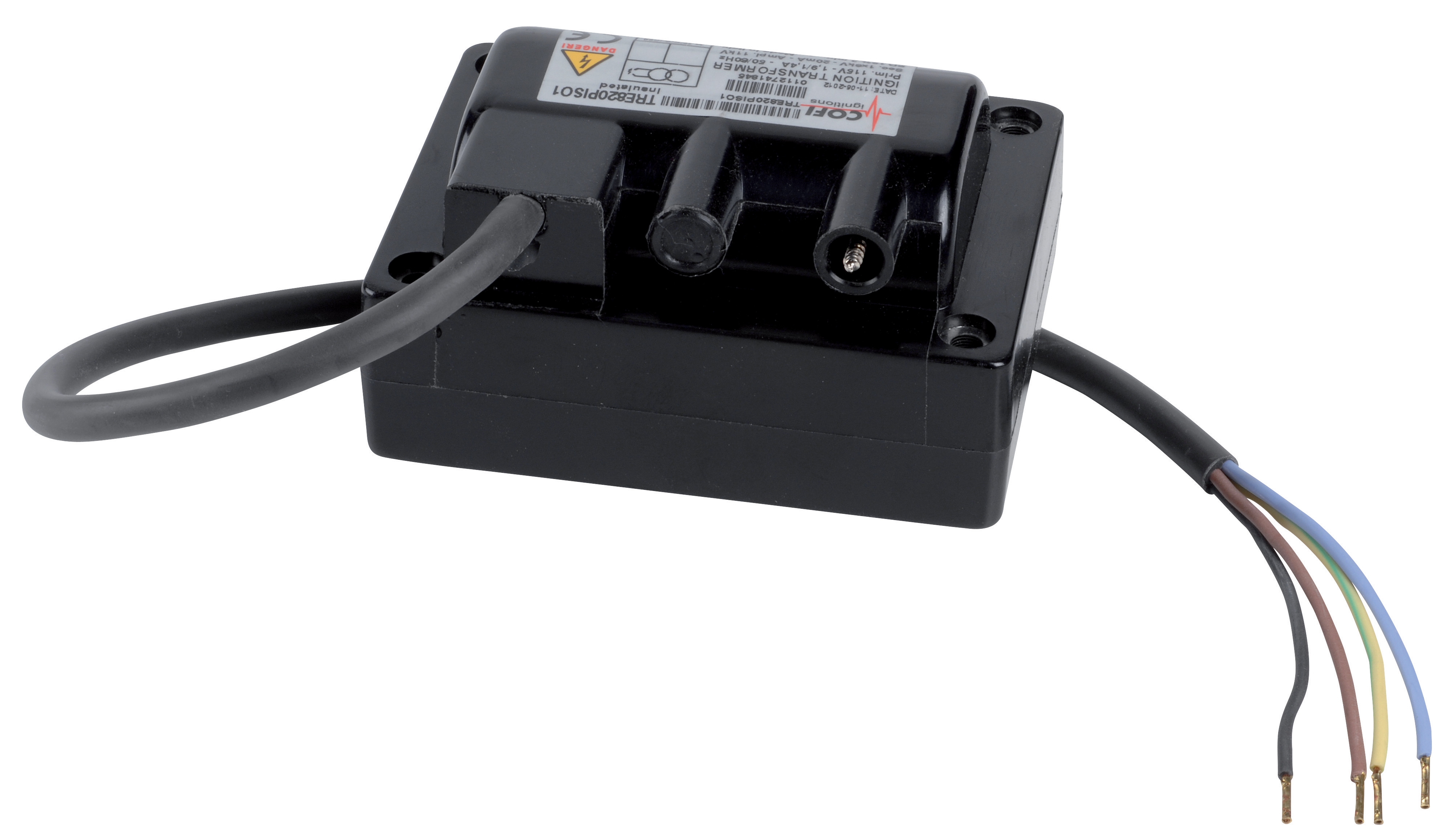
Table of Contentsexpand_more
Industry Applications of Gas Control and Combustion Systems: Essential Infrastructure for Singapore's Industrial Processing Plants
Plant managers across Singapore's industrial landscape—from petrochemical refineries to food processing facilities—depend on reliable gas control and combustion systems to maintain production continuity. With over 35 years of experience supplying industrial equipment across Southeast Asia, 3G Electric understands the critical role these systems play in your facility's operational success. This guide addresses the practical challenges plant managers face when specifying, installing, and maintaining gas regulation and combustion equipment in Singapore's demanding industrial environments.
Understanding Gas Pressure Regulation in Industrial Applications
Gas pressure regulation represents one of the most fundamental yet underestimated requirements in industrial plants. Whether you're operating laboratory-scale analytical equipment or large-scale industrial distribution systems, maintaining precise outlet pressure ensures consistent product quality and equipment longevity.
The Francel B25/37mb pressure regulator with integrated safety relief exemplifies the precision-engineered approach required for modern industrial gas systems. This regulator delivers a stable 37 mbar outlet pressure—critical for applications where pressure fluctuations directly impact process control or analytical accuracy. The 10 mm vent size ensures rapid pressure relief during system faults, protecting downstream equipment from overpressure conditions that could cause catastrophic failures.
In Singapore's context, plant managers must consider several operational challenges:
Humidity and Corrosion Control: Singapore's tropical climate accelerates corrosion in gas distribution lines. Pressure regulators with integrated safety features reduce the number of connection points, minimizing exposure to moisture ingress and corrosion pathways. A single well-maintained regulator assembly requires less preventive maintenance than multiple single-function components.
Space Constraints: Urban manufacturing facilities in Singapore often operate with limited footprint. Integrated regulator-safety relief combinations eliminate bulky external relief assemblies, reducing installation complexity and freeing valuable plant floor space.
Regulatory Compliance: Singapore's Ministry of Manpower and Chemical Safety regulations mandate dual-level protection for gas systems. Built-in safety relief mechanisms on regulators simplify compliance documentation and ensure consistent safety performance across your equipment inventory.
When specifying gas regulators, plant managers should evaluate outlet pressure stability (typically ±5% tolerance), vent capacity (measured in mbar·L/min), and response time to pressure surges. For facilities operating sensitive analytical equipment or precision manufacturing processes, these specifications directly affect product quality metrics.
High-Pressure Pump Systems and Flow Rate Management
Industrial pump systems represent capital investments that demand careful selection and diligent maintenance. Whether serving as primary process equipment or supporting auxiliary systems, pump performance cascades throughout your production workflow.
The Pratissoli KF30 high-performance industrial pump delivers 106 L/min flow at 200 bar operating pressure, representing the engineering approach required for modern industrial applications. At 40 kW power consumption and 72 kg weight, this Italian-engineered pump from Interpump Group balances performance with operational efficiency—critical considerations for Singapore facilities managing energy costs in equatorial climates.
Application Scenarios for High-Pressure Pumps:
Plant managers deploy these systems across multiple sectors:
- Chemical Processing: Precise pressure and flow control during reaction vessel filling, catalyst injection, and material transfer operations
- Food Processing: Pressure-regulated ingredient distribution, emulsification processes, and ingredient metering systems
- Automotive/Manufacturing: Hydraulic clamping systems, precision machining coolant delivery, and assembly line automation
- Petrochemical Operations: Multi-stage pipeline pressurization, terminal loading operations, and refinery unit feed systems
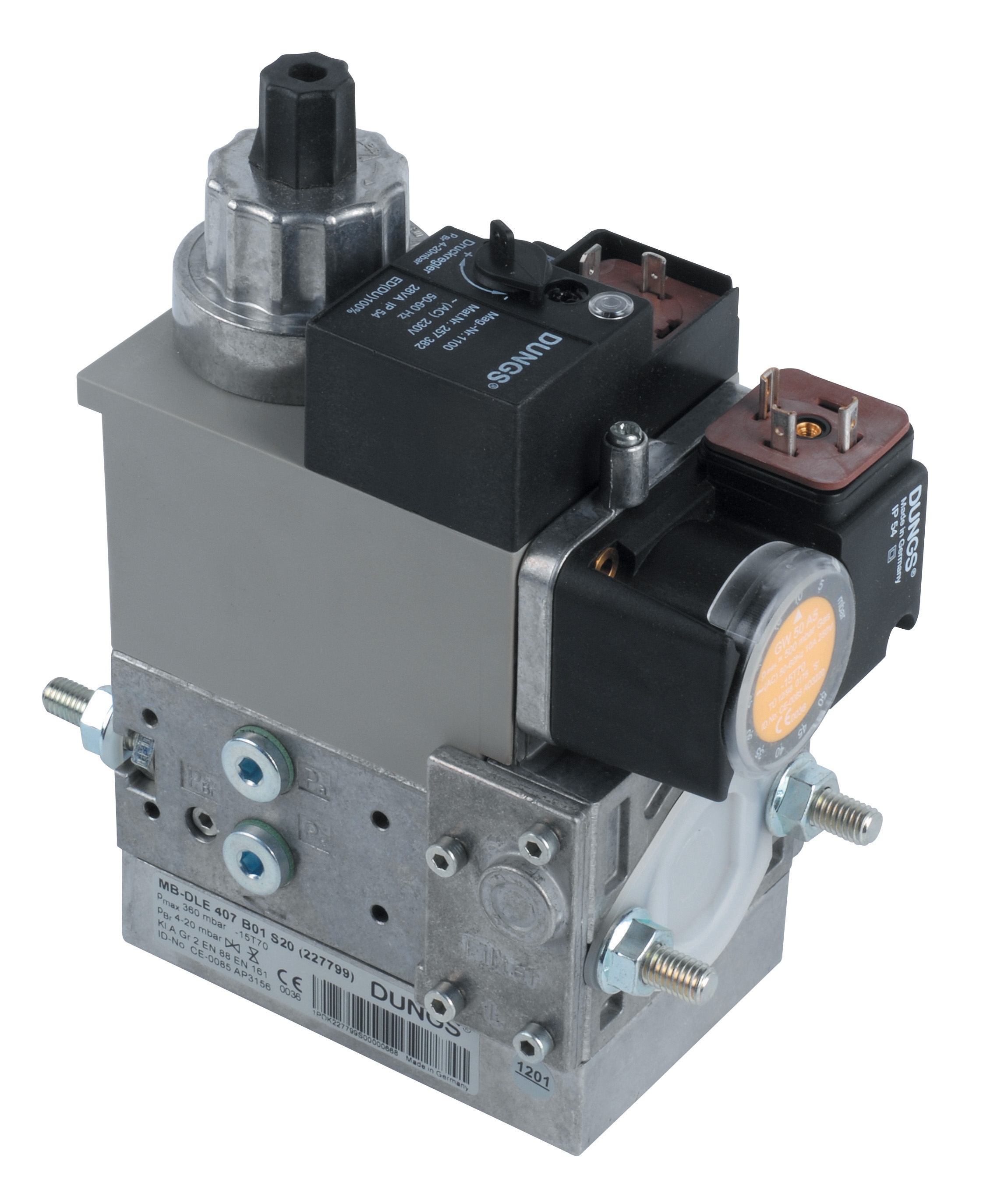
The complementary Pratissoli R1/400 regulating valve, rated for 400 bar and 110 L/min flow, works in conjunction with pump systems to maintain precise downstream pressure. This valve prevents system overpressure conditions that would damage sensitive equipment, while enabling the pump to operate efficiently at optimal operating points rather than constantly fighting fixed relief settings.
Combustion System Integration and Ignition Control
Industrial combustion systems—whether serving boilers, furnaces, or process heaters—require reliable ignition and flame control to maintain operational continuity. System failures during the heating season create production delays and potential safety hazards.
The Cofi TRE 820 Piso1 ignition transformer delivers the 8000 V output required for dependable spark ignition across Singapore's operational environment. Operating across 50/60 Hz with −20 to 85 °C ambient tolerance, this transformer handles both air-conditioned facility spaces and outdoor/semi-open combustion installations. The 380–440 mm molded cable integration eliminates field wiring vulnerabilities, reducing ignition failures caused by moisture ingress or connection corrosion.
Critical Maintenance Considerations for Plant Managers:
Seasonal Preparation: In Singapore's year-round warm climate, combustion equipment rarely sits idle, but seasonal process shifts create ignition demands variations. Verify transformer voltage output (measure 0–8000 V range with high-voltage probe during commissioning) before heating season or process modifications.
Electrical Integration: The transformer's 115 V primary input matches standard plant control system voltages, but plant managers must verify compatibility with facility electrical standards. Test with actual control circuit under load to ensure transformer delivers required secondary voltage under dynamic conditions, not just open-circuit readings.
Flame Detection Coordination: Ignition transformers work alongside flame detection and safety shutdown systems. A weak spark output (indicating transformer degradation) might not reliably ignite fuel, triggering false safety shutdowns and production interruptions. Establish voltage measurement checkpoints quarterly during preventive maintenance cycles.
Precision Fuel and Combustion Air Control
Complete combustion system reliability depends on precisely metered fuel delivery and optimal fuel-air mixing. The CBM Fluidics 1.35 45° SF full-cone oil nozzle represents the precision atomization required for efficient combustion and clean emissions.
Delivering 1.35 L/h at 10 bar operating pressure with a 45° spray angle, this nozzle optimizes fuel particle size for complete combustion. Plant managers often overlook nozzle selection, yet spray pattern and droplet size directly affect:
Combustion Efficiency: Properly atomized fuel mixes completely with combustion air, maximizing heat release and minimizing unburned hydrocarbons. Worn or incorrectly sized nozzles produce larger droplets that don't fully vaporize, creating incomplete combustion, excess smoke, and reduced heating efficiency.
Emissions Compliance: Singapore's National Environment Agency regulations establish particulate matter and NOx emission limits. Fine atomization and complete combustion directly influence whether your facility meets these standards without expensive scrubbing equipment. Many facilities discover emissions compliance issues trace to aged fuel nozzles rather than fundamental process problems.
Fuel System Pressure Stability: The nozzle's 10 bar design specification creates a reference pressure target for your fuel system regulator. Systems operating significantly below this pressure produce coarse atomization and reduced flow rates; systems operating above it create atomization drift and unpredictable combustion characteristics.
Integrated System Approach: Working with Your Equipment Distributor
With 35 years of experience supplying industrial equipment across Asia-Pacific markets, 3G Electric understands that successful system performance depends on component compatibility and proper installation practices. Plant managers should treat equipment selection as a systems engineering exercise rather than specifying individual components in isolation.
When procuring gas control and combustion equipment for your Singapore facility:
Conduct System Compatibility Reviews: Pressure regulators, relief valves, pumps, and nozzles must operate as integrated systems. Before purchase, verify that outlet pressure from your regulator matches nozzle design specifications, pump discharge pressure matches valve and nozzle ratings, and ignition system voltage aligns with your fuel control electronics.
Establish Performance Baselines: During commissioning, document baseline operating parameters—gas outlet pressure, pump outlet pressure, fuel flow rates, and ignition transformer voltage output. These measurements become your maintenance reference standards, enabling early detection of component degradation.
Develop Preventive Maintenance Protocols: High-pressure systems, combustion equipment, and gas regulators require scheduled inspection and replacement intervals. Singapore's tropical climate accelerates corrosion and seal degradation, necessitating more frequent preventive maintenance than temperate climate facilities.
Create Equipment Documentation: Maintain detailed records for all gas control and combustion components—installation dates, last maintenance service, replacement part history, and performance trend data. This documentation supports compliance investigations and enables predictive maintenance scheduling.
Your equipment distributor should provide more than component availability; they should understand your facility's operational context and help you navigate the technical requirements unique to Singapore's industrial environment. 3G Electric's decades of regional experience means we understand the specific challenges—humidity-driven corrosion, electrical supply variations, local regulatory frameworks—that affect industrial equipment performance in your market.
Selecting Components for Your Facility's Unique Requirements
No two industrial plants operate identically. Gas pressure requirements vary based on analytical equipment specifications. Pump flow rates depend on process cycle times and material properties. Combustion system designs reflect facility heating loads and fuel availability.
Plant managers should approach equipment specification by first establishing your facility's non-negotiable requirements: What outlet pressures does your process demand? What flow rates must your pump deliver? What ignition reliability threshold protects your production schedule? With these parameters defined, your equipment distributor can recommend compatible components that work together as an integrated system.
The equipment referenced throughout this guide—precision regulators, high-performance pumps, combustion controls, and fuel atomization systems—represents the engineering standard for modern industrial plants in Singapore and across Asia-Pacific markets. By understanding how these components function individually and how they integrate into complete systems, plant managers can make confident procurement decisions that support reliable operations, regulatory compliance, and cost-effective maintenance for years to come.