Industry Applications: Gas Pressure Management and Ignition Systems Integration for Southeast Asian Industrial Operations
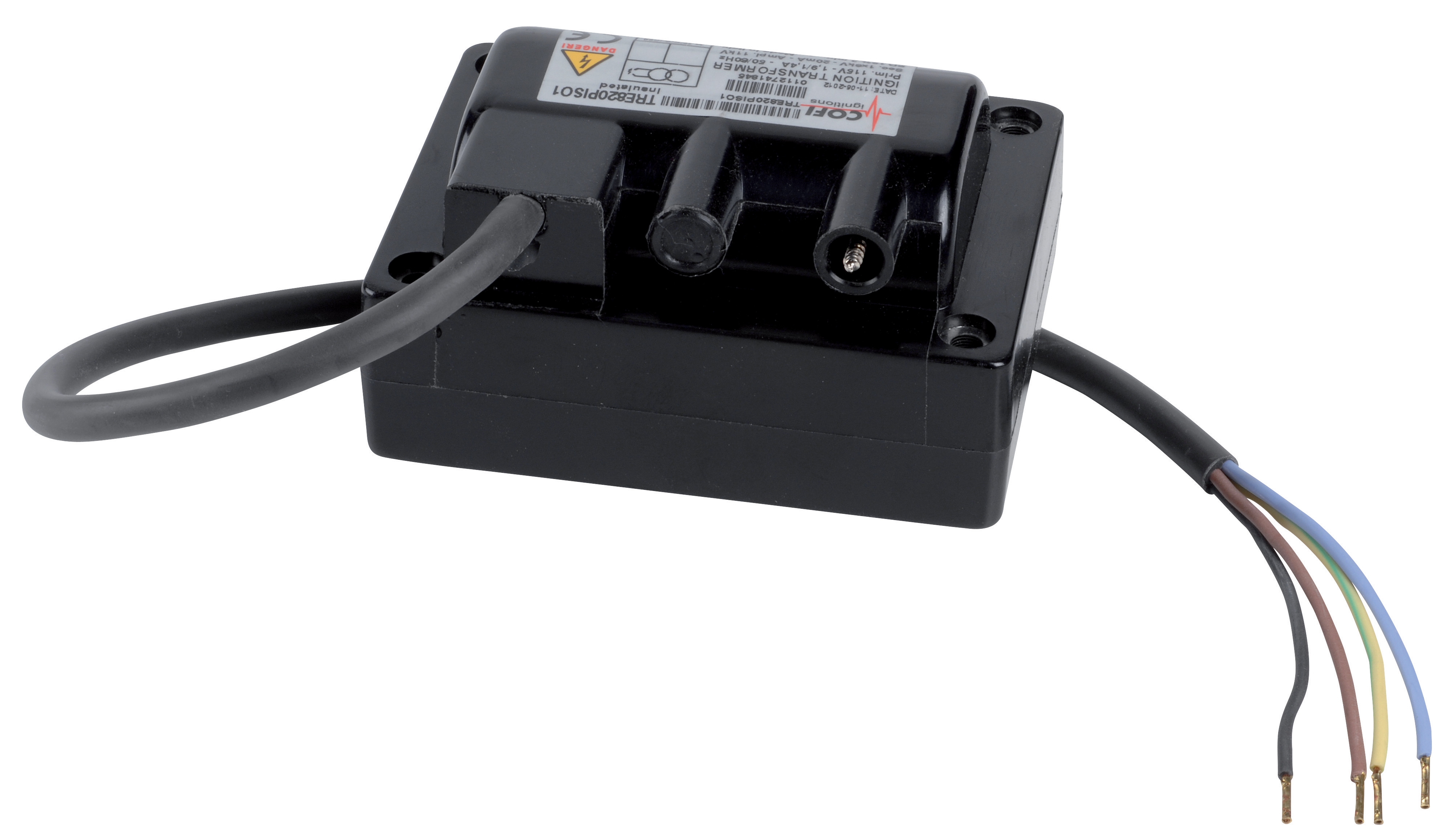
Table of Contentsexpand_more
Industry Applications: Integrating Gas Pressure Regulation and Ignition Systems in Southeast Asian Industrial Operations
Plant managers across Southeast Asia operate equipment that demands precise control over two critical system parameters: inlet gas pressure stability and reliable ignition delivery. Whether managing boiler systems, thermal processors, or hybrid fuel installations, the integration of gas pressure regulators with ignition transformers determines uptime, safety compliance, and operational margins. With 35+ years of industrial equipment distribution experience, 3G Electric has supported facilities across the region in optimizing these interconnected systems. This article addresses the practical technical considerations plant managers must evaluate when specifying, integrating, and maintaining gas pressure and ignition components.
Section 1: Pressure Regulation Standards and Safety Requirements for Southeast Asian Facilities
Understanding Mbar Outlet Pressure Specifications
Gas pressure regulators serving industrial applications must deliver consistent outlet pressure regardless of inlet fluctuations. In Southeast Asia's diverse thermal processing sector—including food drying, sterilization, and materials treatment—inlet pressures from industrial gas suppliers often vary significantly due to supply-line conditions and ambient temperature swings. The outlet pressure must remain stable to ensure burner performance and safety interlocks remain effective.
The Francel B25/37mb pressure regulator with integrated safety relief is engineered for laboratory and industrial gas distribution systems requiring 37 mbar outlet delivery. The 37 mbar specification is critical for systems where downstream equipment (pilot lights, proportional burners, or atmospheric burners) has been calibrated to operate at this pressure. Plant managers must verify that existing burner specifications match the regulator's outlet pressure before installation. In facilities with multiple gas-served areas, mismatched pressure specs can cause incomplete combustion, increased emissions, and reduced thermal efficiency—particularly problematic in tropical climates where energy costs are substantial.
Safety Relief Integration
The integrated safety relief valve in the Francel B25/37mb model addresses a critical operational need: over-pressure protection without requiring a separate relief component. When inlet pressure exceeds normal operating ranges—which can occur during supply-line malfunctions, temperature excursions, or pressure-transducer failures—the relief function vents excess gas through a 10 mm vent. This design eliminates the need for downstream piping space dedicated to standalone relief valves, simplifying system architecture in space-constrained Southeast Asian facilities.
Plant managers should evaluate ambient temperature conditions where regulators are installed. Southeast Asian facilities frequently experience ambient temperatures exceeding 35°C, and sealed equipment rooms can reach 50°C or higher. The Francel B25/37mb must be specified with consideration for thermal expansion effects on gas properties and regulator diaphragm response. Installing pressure gauges upstream and downstream of the regulator enables field verification that outlet pressure remains stable as ambient temperature varies throughout the day.
Section 2: Ignition Transformer Specifications and Electrical Integration
Voltage Transformation and Output Requirements
Ignition transformers convert primary electrical voltage (typically 115 V or 230 V single-phase) to high-voltage output (typically 4,000–10,000 V peak) required to ionize gas for pilot light ignition or electrode arc initiation. The Cofi TRE 820 Piso1 ignition transformer delivers 8,000 V output from 115 V primary input, rated for 20 mA secondary current with molded cable assembly rated for −20 to 85 °C operation.
Southeast Asian industrial facilities often operate in challenging electrical environments where voltage stability and harmonic distortion are unpredictable due to grid characteristics and shared supply lines with large industrial loads. The TRE 820 model's 50/60 Hz dual-frequency capability ensures compatibility regardless of local supply standards (50 Hz in most of Southeast Asia, 60 Hz in select sectors or backup generator applications). The 20 mA secondary current rating is important: undersizing this specification in burner systems results in weak spark energy and unreliable ignition, particularly under wind-load conditions or when fuel gases are slightly outside stoichiometric ratios.
Molded Cable and Environmental Durability
The 380–440 mm molded cable assembly in the TRE 820 is pre-dimensioned for standard burner electrode spacing in industrial equipment. Plant managers must verify cable length matches the physical distance from transformer mounting location to electrode tips. In tropical climates, cable insulation degradation accelerates due to UV exposure, ozone generation from electrical discharges, and temperature cycling. Molded cable assemblies provide superior environmental protection compared to field-assembled electrode leads, reducing failure rates in outdoor or inadequately ventilated equipment rooms common in Southeast Asian facilities.
Temperature rating from −20 to 85 °C is essential for facilities operating in regions where equipment rooms lack climate control or are subject to industrial process heat. Thermographic surveys of electrical enclosures in Southeast Asian food-processing and materials-treatment facilities frequently reveal sustained temperatures above 50 °C; transformer performance degrades below these thermal limits when cable insulation begins softening.
Section 3: System Integration: Coordinating Pressure Regulation with Ignition and Flow Control
Multi-Component Pressure Management Architecture
In installations where burner systems require both stable operating pressure and dynamic flow adjustment, plant managers must integrate the pressure regulator with regulating valves designed to modulate fuel flow without destabilizing outlet pressure. The Pratissoli R1/400 regulating valve operates across 400 bar rated pressure and handles 110 L/min flow, making it suitable for mid-capacity systems where both steady-state regulation and transient control are required.
A typical integration architecture for thermal processing equipment would be: inlet gas supply → pressure regulator (stabilizing outlet to 37 mbar) → regulating valve (proportioning flow to burner demand) → burner control electronics (receiving ignition signal from transformer) → burner manifold. This sequence ensures that pressure remains stable across the regulating valve regardless of downstream flow variations. When flow changes occur (burner cycling on/off, or proportional modulation), the regulating valve absorbs the transient pressure change without back-propagating to the pressure regulator outlet, maintaining constant ignition circuit voltage conditions.
Electrical Sequencing and Control Logic
Plant managers must establish clear control logic that prevents ignition transformer energization until gas pressure reaches minimum safe levels. If a gas-supply failure occurs, the ignition transformer should not activate until system pressure has recovered and stabilized. This requires interlocking the ignition circuit with a pressure switch wired upstream of the pressure regulator. The Cofi TRE 820 transformer should only receive 115 V primary power when the upstream pressure switch confirms inlet pressure is adequate.
In Southeast Asian facilities with multiple boiler or thermal systems operating in parallel, each burner's ignition circuit must be independently controlled and sequenced. Simultaneous ignition attempts on multiple units can cause transient voltage sags affecting control instrumentation. Staggering ignition sequences by 2–3 seconds prevents this issue and reduces peak electrical demand on facility substations.
Section 4: Practical Maintenance and Troubleshooting for Southeast Asian Operating Conditions
Pressure Regulator Performance Verification
Monthly verification of outlet pressure is essential in Southeast Asian facilities where dust infiltration, salt-air corrosion (in coastal areas), and high humidity can affect diaphragm sealing. Using a handheld digital pressure gauge (0–100 mbar range, ±1% accuracy), plant managers should measure outlet pressure at the test port on the Francel B25/37mb under steady-state operation. Acceptable variance is ±2 mbar; if outlet pressure drifts beyond this range, the regulator diaphragm may require replacement or the inlet gas supply quality should be investigated (water vapor, particulate contamination).
If the outlet pressure cannot be stabilized, isolate the system and perform a visual inspection of the regulator vent (10 mm opening on the B25/37mb). A blocked or partially restricted vent—caused by salt spray or dust accumulation—will cause the relief function to malfunction. In coastal or high-dust Southeast Asian locations, installing a sintered bronze vent filter on the regulator's external vent port prevents this failure mode.
Ignition Transformer Field Testing
Testing the Cofi TRE 820 transformer in the field requires a high-voltage probe (10 kV rating minimum, indicating type). With the transformer powered by 115 V AC primary voltage, secondary voltage should measure 8,000 V ±10% with no load. If secondary voltage reads significantly lower (e.g., below 7,200 V), the transformer core may have developed shorted turns due to thermal cycling or humidity ingress. In Southeast Asia's monsoon climates, moisture infiltration into transformer insulation is a common failure mode; replacement is the only reliable remedy.
Plant managers should establish a preventive replacement interval for ignition transformers: 3–5 years in tropical climates, extended to 5–7 years in controlled environments. The molded cable assembly should be inspected annually for surface cracks, brittleness, or discoloration. Any visible cable damage warrants replacement of the entire transformer/cable assembly to ensure high-voltage safety and operational reliability.
System Pressure Trending and Early Warning Detection
Implementing pressure data logging at the regulator outlet enables plant managers to detect gradual performance degradation before operational failures occur. Modern data loggers record outlet pressure at 10-minute intervals and alert operators when pressure drifts outside the 35–39 mbar band. Over 2–3 months, trending data reveals whether performance changes are gradual (indicating regulator wear, requiring planned maintenance) or abrupt (indicating inlet supply instability or blockages, requiring immediate investigation).
In Southeast Asian facilities operating 16–24 hour duty cycles, this early warning capability reduces unplanned downtime and prevents cascade failures where a pressure regulator malfunction subsequently damages burner control electronics or ignition systems.