Gas Pressure System and Ignition Component Troubleshooting: Industry Applications for Singapore Plant Operations
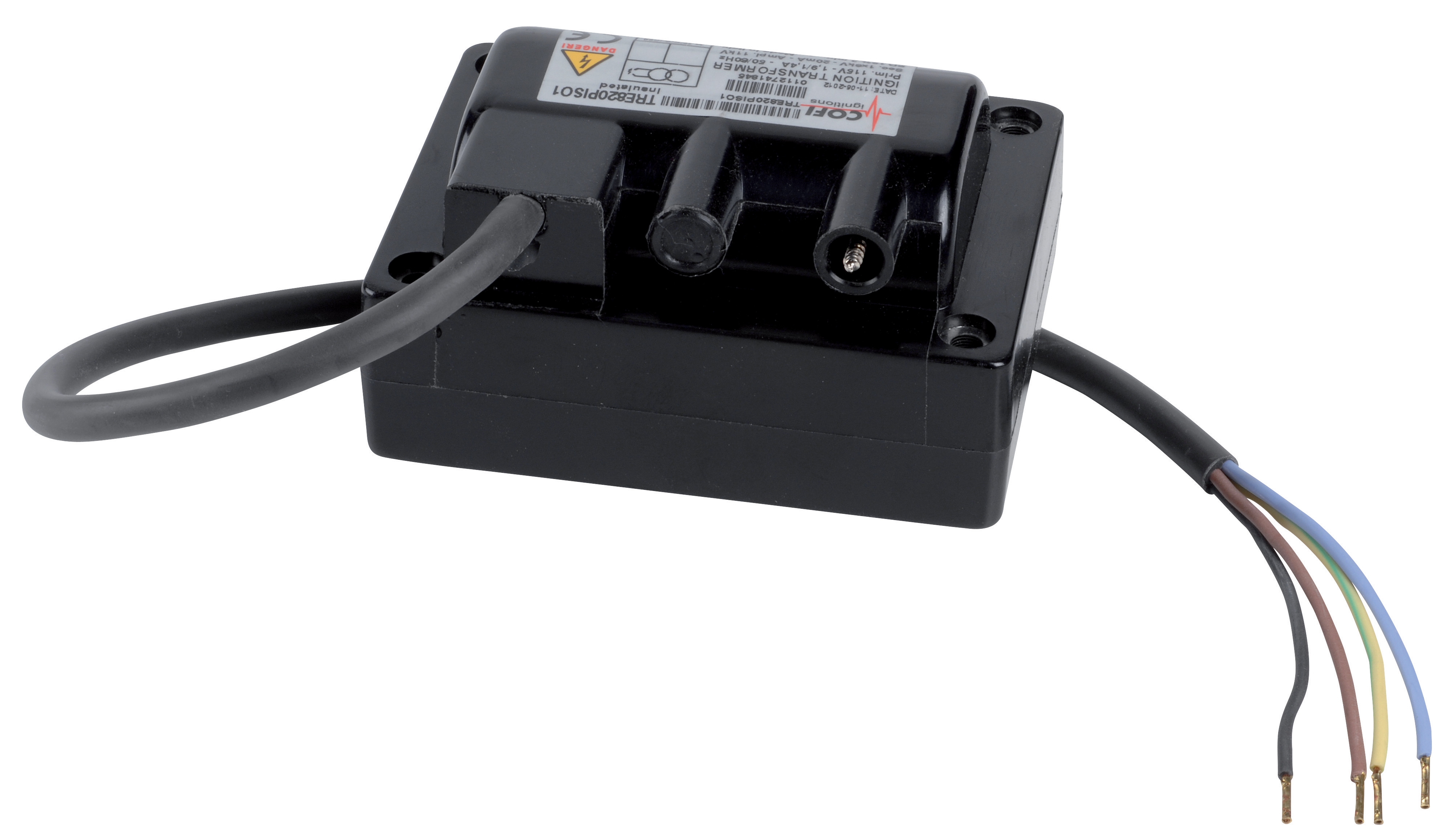
Table of Contentsexpand_more
Understanding Gas Pressure Regulation in Industry Applications
Gas pressure regulation is fundamental to Industry Applications across Singapore's petrochemical, food processing, and specialty manufacturing sectors. Whether managing laboratory-scale gas distribution or large-scale industrial burner systems, improper pressure regulation leads to equipment damage, safety incidents, and costly production halts.
With over 35 years of experience supplying critical industrial components, 3G Electric has observed that most gas pressure failures stem from three root causes: incorrect outlet pressure settings, internal diaphragm degradation, and vent blockages. Plant managers often overlook these issues until they manifest as inconsistent burner performance or safety relief activation.
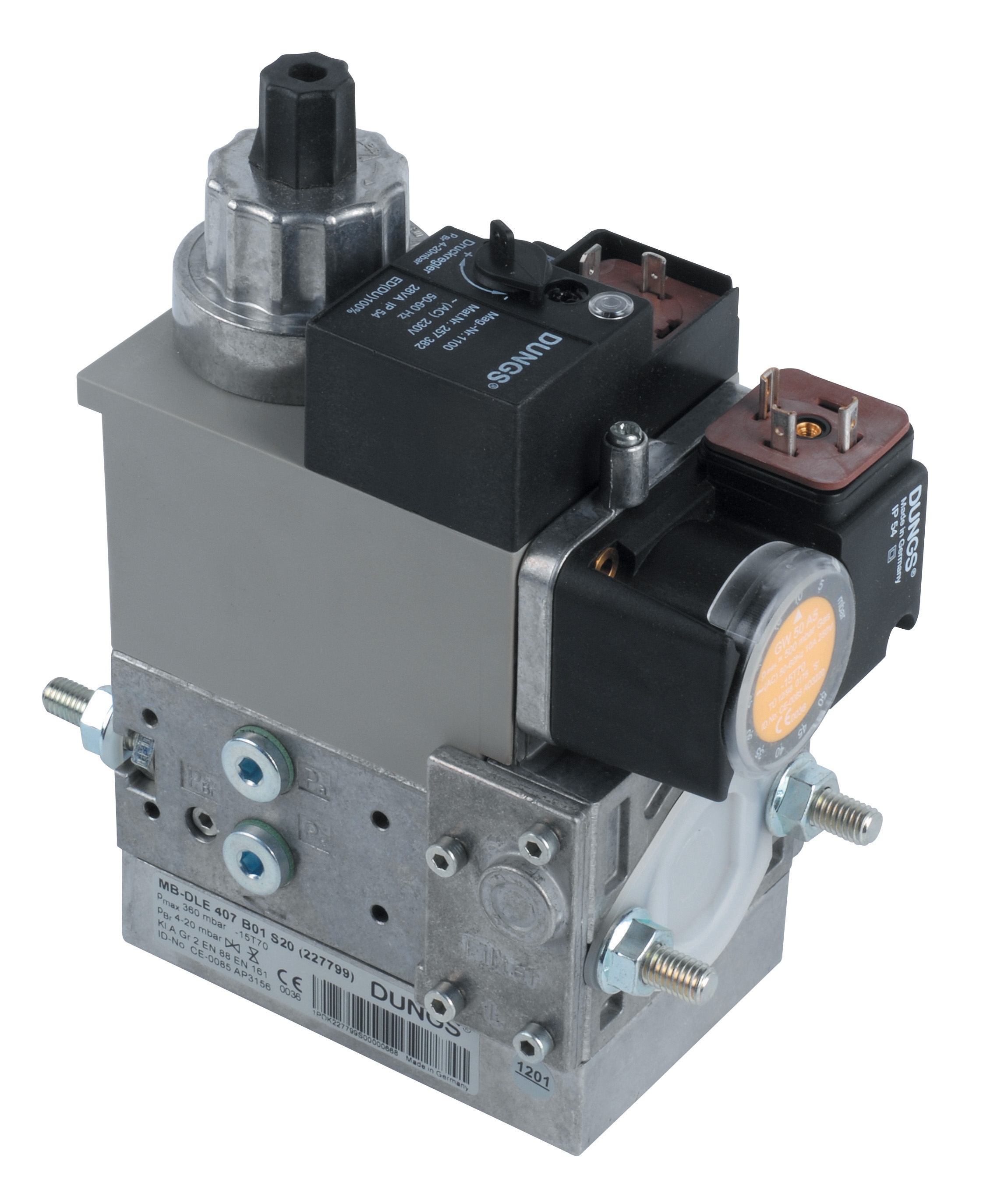
The Francel B25/37mb pressure regulator with integrated safety relief delivers 37 mbar outlet pressure and includes a 10 mm vent port specifically designed for laboratory and industrial gas distribution systems. Understanding how this regulator functions—and how to diagnose its failures—prevents cascading issues throughout your combustion control chain.
Diagnostic Procedures for Gas Pressure Regulators
Pressure Reading Verification
Your first troubleshooting step is verifying actual outlet pressure against your system requirement. Gas regulators rarely fail catastrophically; they drift gradually, causing symptoms that plant managers misattribute to fuel quality or burner design.
Step 1: Isolate the Regulator
- Close inlet isolation valve
- Attach a calibrated pressure gauge (0–100 mbar range) to the outlet port
- Slowly open inlet valve and allow system to stabilize for 60 seconds
- Record the reading
If outlet pressure exceeds your target by more than ±2 mbar, internal wear has compromised the regulator seat. This typically indicates a regulator lifespan of 3–5 years in continuous industrial duty. The Francel B25/37mb's design allows straightforward replacement without dismantling downstream components.
Step 2: Check Vent Port Functionality
The 10 mm vent on the Francel unit must remain clear. Even partial blockage causes pressure creep and safety relief cycling.
- Visually inspect the vent outlet for carbon deposits, water condensation, or debris
- Gently blow compressed air (3 bar) through the vent hole—listen for clear airflow
- If resistance is felt, the diaphragm chamber contains condensate or contaminant buildup
In Singapore's tropical climate, moisture ingress represents a primary regulator failure mechanism. High humidity and rapid temperature swings in non-climate-controlled pump rooms cause water vapor to condense inside the regulator body. This condensate corrodes the internal diaphragm and valve seat, reducing regulatory accuracy within weeks.
Corrective Action: Install a small moisture trap (desiccant or refrigerated dryer) upstream of your pressure regulator. This single modification extends regulator service life by 40–60% in tropical environments.
Load Response Testing
Many gas pressure problems only appear under actual load conditions. A regulator may read correctly at zero flow but cannot maintain pressure as burners draw gas.
- With the system operational at normal burner load, measure outlet pressure
- Compare this to your no-load reading
- A drop exceeding 3 mbar indicates insufficient regulator flow capacity or a failing internal spring
If your regulator consistently drops pressure under load, you may need a larger capacity unit or a secondary boost regulator. This is particularly common when Singapore plants expand production without upgrading gas distribution infrastructure.
Ignition System Troubleshooting: Transformer Output and Flame Detection
Ignition system failures account for approximately 35% of burner downtime in regional manufacturing. Your ignition transformer must reliably produce high-voltage output in the presence of electromagnetic interference (EMI) and temperature extremes.
The Cofi TRE 820 ignition transformer delivers 8000 V output from a 115 V primary input, rated at 20 mA with a 380–440 mm molded cable. This transformer operates across 50/60 Hz frequency and maintains performance from −20 to +85 °C ambient temperature, making it suitable for both Singapore's humid tropical climate and temperature-controlled manufacturing environments.
Voltage Output Diagnostics
Ignition failures begin with inadequate high-voltage output. Most plant managers rely on "spark detection" (whether the ignition electrode produces a visible spark), but this is an unreliable test. A weak 5 kV spark may appear normal to the eye yet fail to ignite fuel consistently, especially in gas applications requiring 8000 V minimum.
Required Equipment:
- High-voltage probe (non-contact, rated ≥10 kV)
- Secondary voltage meter (preferably an oscilloscope for advanced diagnostics)
- Safety gloves and insulating tools
1. De-energize the burner control system
2. Set your meter to measure AC voltage
3. Connect the high-voltage probe to the transformer secondary output
4. Re-energize the system and trigger ignition
5. Record peak voltage reading
Expected Results: The Cofi TRE 820 should produce 7800–8200 V when operating at nominal 115 V input. Readings below 7500 V indicate:
- Primary input voltage degradation (check your 115 V supply at the transformer terminals)
- Transformer winding fault (replacement required)
- Loose cable connections at secondary terminals
In Singapore industrial parks, unstable power supply during peak demand hours (11 AM–3 PM) often degrades transformer output. If voltage drops only during specific times, the issue is your facility's incoming power, not the transformer itself. Request your electrical contractor verify your facility's voltage stability and upgrade your power conditioning if necessary.
Cable Integrity and Arcing Prevention
The Cofi TRE 820's molded cable is engineered to withstand 8000 V output without flashover under normal conditions. However, cable damage accelerates arcing and ignition failures.
Cable Inspection Points:
- Examine the entire 380–440 mm cable length for visible cracks, charring, or discoloration
- Check cable terminations at both transformer secondary and ignition electrode—ensure no fraying or moisture
- Verify cable routing: position at least 100 mm away from hot burner surfaces and sharp edges
- Test cable resistance with an ohmmeter (secondary to ground): readings should exceed 50 megaohms
Cable failures in tropical climates often result from UV degradation and salt-air corrosion in facilities near Singapore's coast. If you operate within 5 km of marine environments, inspect ignition cables every 6 months and replace annually as preventive maintenance.
Integrated Pressure and Ignition System Troubleshooting
Gas burners depend on coordinated pressure regulation and reliable ignition. When these systems fail simultaneously or sequentially, plant managers must diagnose whether the root cause is mechanical (pressure regulator) or electrical (ignition transformer).
Burner Cycling and Flame Stability Issues
Symptom: Burner ignites but flame extinguishes after 5–30 seconds, triggering system shutdown.
Likely Cause: Unstable gas pressure combined with weak ignition signal.
Diagnostic Steps:
1. Measure gas outlet pressure during flame-on period (load condition)
2. Simultaneously monitor ignition voltage—if either drops during the 5–30 second window, you have identified the failure point
3. If pressure drops, your regulator cannot sustain load; increase regulator capacity or install a boost pressure system
4. If ignition voltage drops, your transformer is thermally destabilizing; verify primary input voltage stability and consider transformer derating (operating at reduced frequency during hot hours)
Many Singapore plants experience this exact failure pattern during the hottest months (May–September) when ambient temperatures exceed 35 °C. Your transformer output decreases approximately 1–2% per degree above 25 °C ambient. If this is your situation, relocate the transformer to a cooler location or install a small cooling fan above the transformer housing.
Safety Relief Activation Diagnostics
Frequent safety relief activation indicates overpressure conditions that your primary regulator should prevent.
- Measure outlet pressure when relief is not venting
- If pressure exceeds your safety relief setpoint by more than 5 mbar, the regulator internal spring is weak
- If pressure is correct but relief still activates intermittently, the regulator seat is leaking internally
Both conditions require regulator replacement. Do not attempt to adjust the relief setpoint as a workaround; this masks the underlying regulator failure and creates safety risks.
Maintenance Schedule and Spare Parts Strategy
Plant managers should establish preventive maintenance intervals based on operating hours and environmental conditions.
Recommended Inspection Schedule:
- Every 500 operating hours: Visual inspection of regulator vent, cable condition, and connection integrity
- Every 2000 operating hours: Pressure output verification and cable resistance testing
- Every 5000 operating hours: Full regulator performance test including load response; transformer output measurement
- Annually (regardless of hours): Cable replacement in coastal facilities; transformer cooling system inspection
Maintain spare units of both the Francel B25/37mb regulator and Cofi TRE 820 transformer in inventory. A single regulator failure can halt gas-dependent processes for 4–8 hours while parts are sourced in Singapore. With 35+ years of experience serving regional manufacturers, 3G Electric stocks these components with next-day delivery capability.
Conclusion
Gas pressure regulation and ignition system reliability directly impact your plant's uptime and safety profile. By implementing the diagnostic procedures outlined in this guide—pressure verification, vent inspection, load response testing, and transformer voltage measurement—you can identify failures before they cause production losses. Singapore's unique tropical environment demands particular attention to moisture ingress and thermal management; these factors are often overlooked in standard troubleshooting procedures developed for temperate climates.
When failures do occur, having qualified spare components on hand prevents extended downtime. Partner with 3G Electric, your distributor for over three decades, to source Francel, Cofi, and complementary components with confidence.