Gas Valves & Regulation: Hydraulic Pressure Control vs. Gas Flow Regulation – A Plant Manager's Equipment Selection Guide
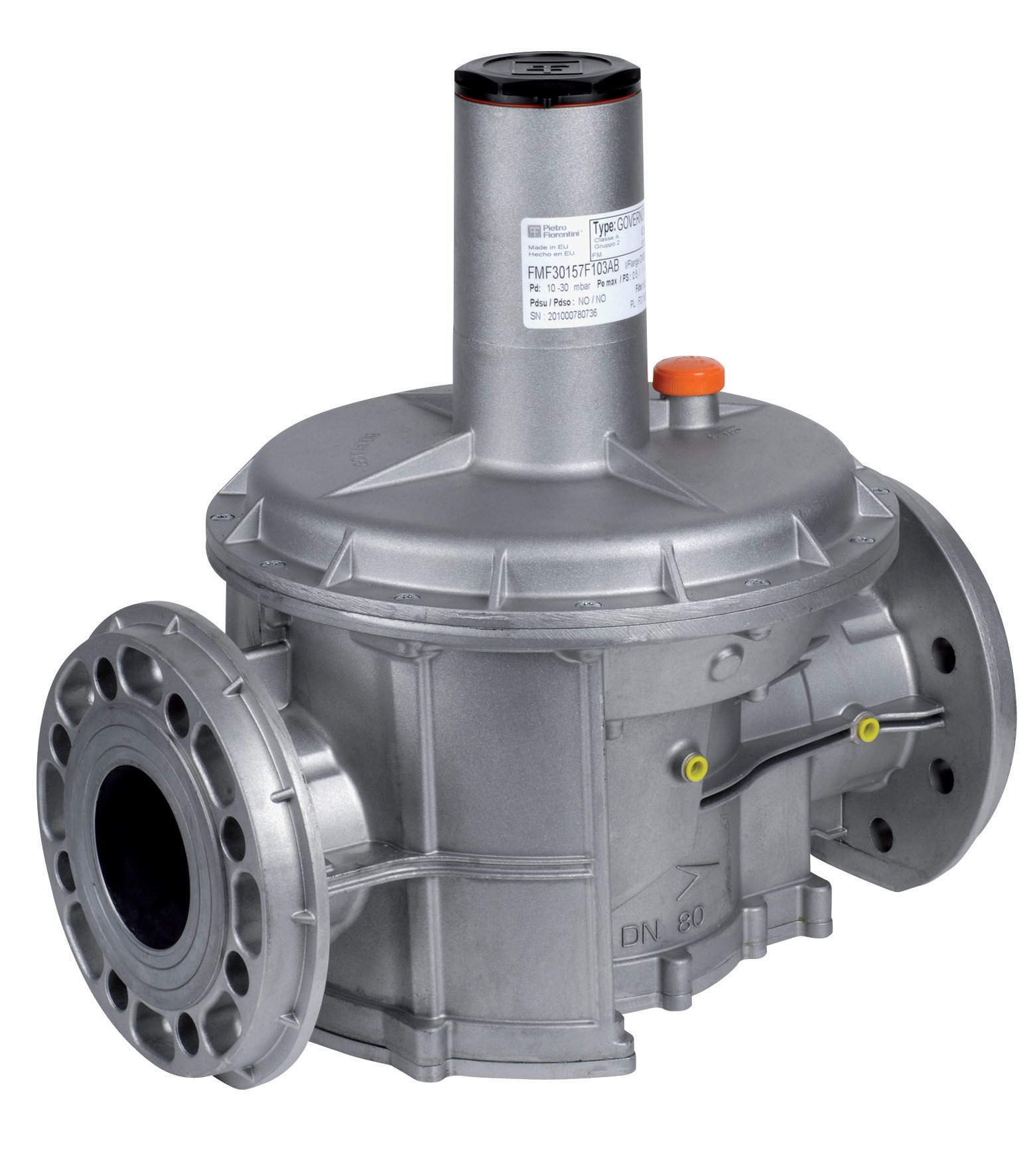
Table of Contentsexpand_more
Understanding Gas Valves & Regulation in Dual-System Plants
Singapore's industrial facilities increasingly operate mixed-technology systems—high-pressure hydraulic equipment running alongside gas-powered heating, burners, and process controls. Gas Valves & Regulation encompasses two distinct domains: hydraulic pressure regulation (controlling incompressible fluid flow at extreme pressures) and gas flow regulation (managing compressible gas at lower pressures with different response characteristics). After 35 years supplying industrial equipment across Southeast Asia, 3G Electric has guided hundreds of plant managers through this selection challenge.
The critical difference lies in application logic. Hydraulic regulators maintain system pressure to protect pumps and cylinders during load variation—a load-dependent function. Gas regulators reduce supply pressure to match burner or control valve requirements—a fixed outlet pressure function. Mixing these concepts during procurement leads to equipment mismatches, safety failures, and unexpected downtime.
Hydraulic Pressure Regulators: Load-Responsive Control
Pressure Setting and Flow Behavior
Hydraulic regulators operate on load-sensing principles. The Pratissoli SRS65 pump valve exemplifies this category: a compact (0.42 kg) unit delivering 6 L/min at 170 bar maximum pressure with integrated pressure relief. This is load-dependent control—as downstream cylinders or motors demand power, system pressure rises until the regulator's setting point is reached, then the valve meters excess flow back to tank.
For plant managers, the practical advantage is efficiency. A hydraulic system running at 150 bar with a 170 bar setting wastes minimal energy. The pump displacement remains constant, but the regulator's spool position adjusts to maintain your set pressure, reducing heat generation and extending component life compared to older fixed-displacement systems.
Installation and Maintenance Realities
Hydraulic regulators require three critical conditions:
- Return line to tank: Every milliliter of excess flow must flow back. Blocked return lines cause catastrophic overpressure.
- Filtration upstream: Particle contamination (ISO 4406 18/16/13 minimum) degrades spool seal integrity within weeks.
- Thermal management: Hydraulic fluid viscosity changes with temperature. A regulator set at 20°C lab conditions may behave differently at your plant's 45°C ambient or under continuous duty.
Singapore's tropical humidity introduces an additional concern: moisture ingress. Sealed accumulators and breather filters (not open filler caps) are non-negotiable for systems sitting idle overnight.
The Pratissoli regulator's 85°C temperature rating means it tolerates sustained heat, but your fluid's viscosity index (VI) determines actual response. ISO VG 46 hydraulic oil (common in Singapore) thins significantly above 50°C, reducing pressure holding capability. Monitor your actual fluid temperature; if it exceeds 55°C consistently, upgrade your cooler capacity before adding more regulator capacity.
Gas Flow Regulators: Fixed Outlet Pressure Control
Pressure Reduction and Response Time
Gas regulators operate on a completely different principle: fixed outlet pressure regardless of inlet conditions. The FAG pressure regulator with DN40 flanges and 5–300 mbar outlet adjustment range represents industrial gas regulation. Unlike the load-dependent hydraulic regulator, this FAG unit maintains your set pressure (say, 50 mbar) even as inlet pressure fluctuates from 100 to 500 mbar.
For plant managers using gas burners or high-pressure pilot systems, this is essential. Your natural gas supply pressure varies throughout the day (seasonal pipe expansion, demand fluctuations at the city grid level). A gas burner calibrated for 60 mbar inlet but receiving 80 mbar will over-fire and overheat. A properly sized regulator buffers these swings, keeping burner input stable and preventing thermal runaway or flame instability.
The FAG's 500 mbar maximum rating suits main gas lines (Class A per UNI EN 88), while pilot regulators typically work at 20–80 mbar for safety valve pilot feeds. Selecting the wrong pressure class is dangerous—a 300 mbar regulator protecting a 500 mbar supply will rupture internally and dump full supply pressure downstream.
Flow Capacity vs. Pressure Drop
Gas regulators introduce a critical trade-off unknown in hydraulic systems: regulation causes pressure drop. A regulator reducing 300 mbar inlet to 60 mbar outlet has dropped 240 mbar across its valve seat. This pressure loss accelerates gas flow (Bernoulli effect), increasing velocity noise and creating turbulence that degrades downstream burner performance.
Plant managers often specify "larger" regulators assuming better performance. This is false economy. A regulator oversized for your flow demand operates near zero flow, where the seat gap is nearly closed and regulation becomes unstable (hunting, where outlet pressure oscillates). The regulator's flow capacity should match your peak gas demand with 20–30% margin; oversizing by 100% guarantees poor control.
Direct Comparison: When to Use Each Technology
Hydraulic Regulators (Pressure Control)
- Use case: Pump systems, hydraulic presses, cylinders, motors requiring consistent load-responsive pressure.
- Flow range: 6–300+ L/min (your pump displacement).
- Pressure range: 100–280 bar typical industrial; 500+ bar available for specialty applications.
- Setting method: Screw adjustment or proportional electronics; changes take effect immediately within pump cycle.
- Cost factor: Higher initial investment (quality regulators cost SGD 800–3,500 depending on rated flow). Long service life (10+ years) if maintained.
- Failure mode: Overpressure if return line blocks; spool stuck if fluid contaminates.
The Pratissoli automatic press regulator H288 (20 L/min, 280 bar) suits mid-sized hydraulic presses and injection molding machines common in Singapore's manufacturing sector. Its 85°C rating handles thermal spikes during continuous molding cycles.
Gas Regulators (Flow Reduction)
- Use case: Gas supply pressure reduction, pilot gas feeds for safety systems, burner inlet stabilization.
- Flow range: 0.5–500+ Nm³/h (normal cubic meters per hour) depending on inlet/outlet delta-P and orifice size.
- Pressure range: Low-pressure industrial (5–300 mbar) for burners; higher pressures (up to 500 mbar) for compressed gas applications.
- Setting method: Screw adjustment or electronic proportional control; changes take 5–30 seconds to stabilize (slower than hydraulic).
- Cost factor: Lower initial cost (SGD 400–2,000) but more sensitive to inlet contamination. Service life 5–8 years in dirty gas streams.
- Failure mode: Seat wear (slow loss of regulation) if gas contains liquid droplets or solid particles; diaphragm rupture if overpressured.
The FAG regulator's 5 mbar minimum outlet pressure is suitable for pilot lines (safety solenoid valves, ignition systems). Its DN40 flange connection suits main gas lines in larger facilities.
Real-World Application Scenario: Multi-Technology Plant in Singapore
The Challenge
A food processing plant in Jurong Industrial Estate operates:
1. Hydraulic system: 22 kW pump delivering 40 L/min at 150 bar for conveyor motor control and product pusher cylinders.
2. Gas system: Natural gas boiler (180 kW) for steam generation with pressure-reducing regulator feeding burner control block at 60 mbar.
Plant manager observes:
- Hydraulic system overheats after 6 hours continuous run; pressure unstable between 140–160 bar.
- Gas burner flames flicker and waver; energy consumption 8% above specification.
Hydraulic system: Existing regulator is fixed-displacement style (old technology), dumping excess pump flow directly to tank at full pressure instead of load-sensing. The 40 L/min × 150 bar = 6 kW continuously dissipates as heat (pump mechanical loss ~10%, plus regulation loss ~40%). Cooler capacity insufficient for tropical ambient.
Gas system: Regulator inlet pressure varies 80–120 mbar (city supply fluctuation), but downstream burner control block expects stable 60 mbar. The existing regulator's orifice is oversized (flow capacity 2× actual demand), causing poor regulation—outlet pressure drifts 50–70 mbar depending on flow.
Solution: Equipment Upgrade Path
1. Replace hydraulic regulator with load-sensing unit like the SRS65 model—reduces standby heat loss to ~0.5 kW, cutting cooler duty by 80% and improving pressure stability to ±5 bar.
2. Replace gas regulator with properly sized unit (e.g., FAG model with flow capacity matching burner demand + 25% margin) and add upstream gas filter/regulator combo to trap liquid water and particles.
Financial Impact (24-month horizon)
- Hydraulic cooling cost reduction: SGD 1,200/year (electricity savings) + SGD 800/year (fluid replacement frequency drops).
- Gas efficiency gain: 6% fuel cost reduction = SGD 2,160/year (based on 180 kW × 8,000 operating hours/year × natural gas unit cost).
- Equipment investment: ~SGD 4,500 (regulator + filters + installation labor).
- Payback period: 1.2 years; cumulative 3-year benefit: SGD 7,500+.
Practical Selection Checklist for Plant Managers
For Hydraulic Regulators:
- Confirm your pump's maximum rated pressure (nameplate or manual). Regulator setting must be 5–10% below this.
- Measure actual peak flow demand (flow meter or calculation: pump displacement mL/rev × RPM ÷ 1,000,000). Size regulator for 110–120% of this flow.
- Verify return line diameter (minimum 1/4" for low-pressure return); blockage is the #1 failure cause.
- Check fluid condition monthly: particle count (ISO 4406 code), water content (Karl Fischer test), viscosity at operating temperature.
- Schedule thermal imaging annually; if cooler outlet is >55°C, upgrade cooler before adding load.
- Confirm inlet supply pressure range (not just nominal). Select regulator maximum rating ≥ 20% above peak inlet pressure.
- Calculate peak gas flow demand (BTU/h ÷ heating value of gas). Regulator flow capacity should be 120–150% of this demand (no higher).
- Install gas filter/regulator combo upstream; replace filter element every 12 months or when differential pressure exceeds 0.2 bar.
- Verify outlet pressure setting monthly using low-pressure gauge (0–250 mbar range). Drift >5% indicates seat wear; schedule replacement.
- Inspect gas hoses quarterly for corrosion, kinks, or moisture accumulation inside; replace corroded fittings immediately.
Conclusion: Making the Right Choice
Singapore's tropical, humid climate and high equipment utilization rates demand precision in Gas Valves & Regulation selection. The distinction between load-responsive hydraulic control and fixed-outlet-pressure gas regulation is not theoretical—it directly impacts your operating costs, system reliability, and safety profile.
For plant managers upgrading existing systems or specifying new equipment, the decision tree is clear:
- If controlling pump flow or cylinder pressure: Select hydraulic pressure regulator (load-sensing preferred). Specify by pump displacement and maximum pressure rating.
- If reducing gas supply pressure or stabilizing pilot lines: Select gas regulator. Specify by inlet/outlet pressure range and flow capacity.
- If managing both systems: Treat them separately; do not attempt to use one technology's principles for the other.
3G Electric's 35-year track record in Southeast Asian industrial distribution means we've seen the failures caused by mismatches. Our technical team can review your current specifications, calculate actual thermal and pressure duties, and recommend equipment with confidence. Contact us for a no-obligation system audit—particularly valuable if your facility is experiencing pressure instability, thermal issues, or fuel inefficiency.