Measurement & Detection for HVAC Commissioning: A Contractor's Field Guide to System Verification in Southeast Asia
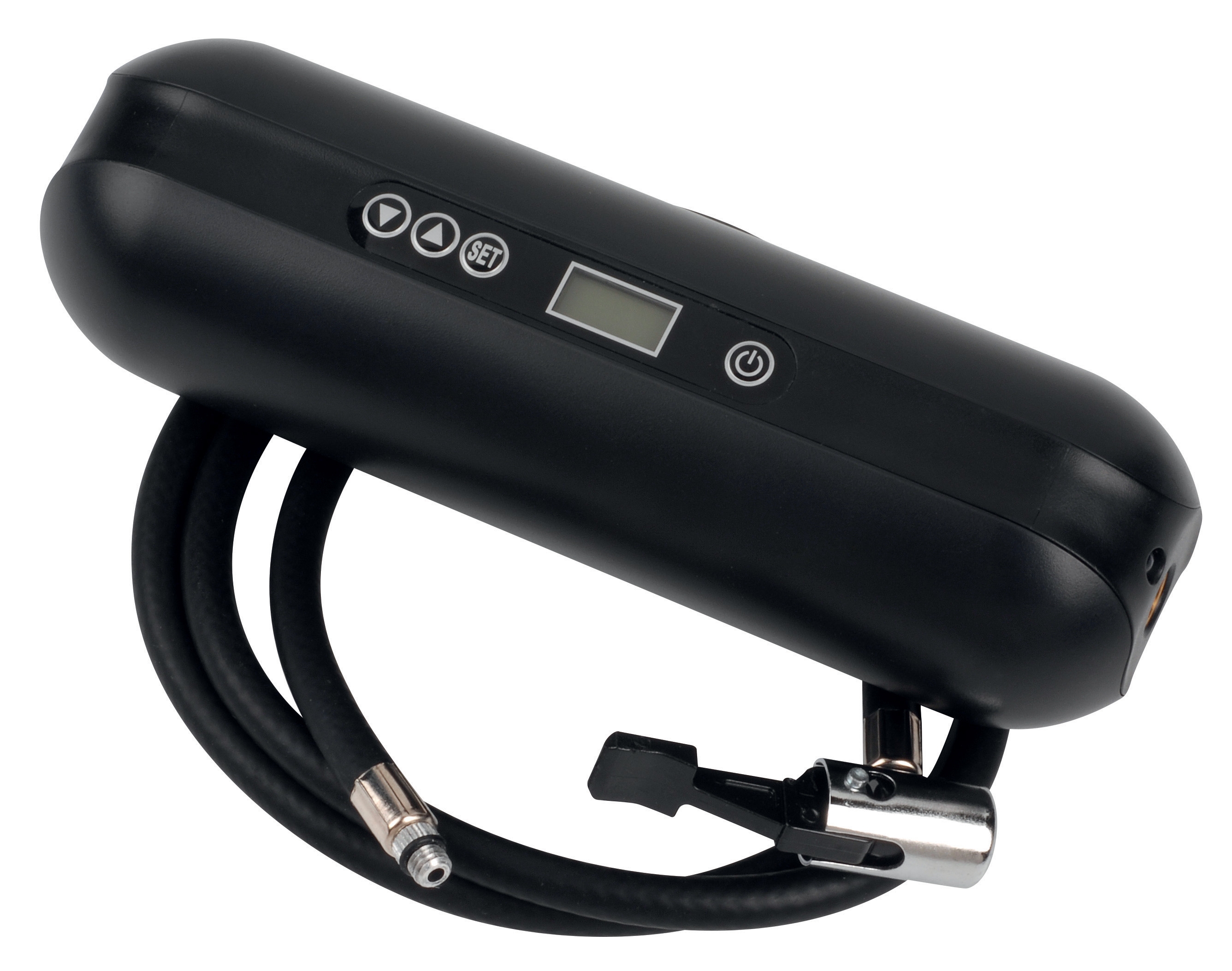
Table of Contentsexpand_more
Introduction: Why Measurement & Detection Matters in HVAC Commissioning
HVAC commissioning in Southeast Asia presents unique challenges. Tropical climates demand precise humidity control, variable building occupancy patterns require adaptive system tuning, and high ambient temperatures push equipment to their limits. Proper Measurement & Detection during commissioning isn't optional—it's the difference between a system that meets specifications and one that fails within months.
Over 35 years, 3G Electric has supported contractors across the region with the instrumentation needed to verify every critical parameter. This guide focuses on practical, field-tested approaches to commissioning that HVAC contractors can implement immediately.
Section 1: Understanding Your Core Measurement Points
Successful commissioning begins with knowing what to measure. Unlike production facilities that may track dozens of parameters, HVAC systems require focus on five fundamental measurements:
Temperature Monitoring
Temperature verification determines whether your system achieves design conditions. You'll measure supply air temperature, return air temperature, and often chilled water or hot water temperatures depending on the system type. In Southeast Asia's warm climate, supply air temperature control is critical—deviation of just 2-3°C can significantly impact energy efficiency and occupant comfort.
The Dwyer PT100 OHM RTD Temperature Probe provides ±0.6% accuracy across the full operating range. Its flexible copper capillary allows installation in ductwork, plenum chambers, or pipe mounting applications without requiring extensive modifications. The probe operates from -35.5 to +115.5°C, covering both chilled and heated water systems common in Southeast Asian facilities.
Pressure Differential Measurement
Pressure measurements verify airflow rates and detect blockages in ductwork or filters. Static pressure across the system tells you if ductwork is properly sized and balanced. Differential pressure across filters indicates maintenance needs before performance degrades.
The Dwyer 616KD-13V-TC Differential Pressure Transmitter measures 0–1 IN W.C with minimal power draw (21 mA maximum), ideal for battery-powered data logging during commissioning. Barbed connections accept standard 3–5 mm tubing, allowing quick installation at multiple measurement points without permanent modifications.
Expansion Tank Pressure Verification
Hydraulic systems (heating and cooling distribution) depend on proper expansion tank precharge. Incorrect precharge pressure leads to system failures, noise, and reduced efficiency. Many contractors overlook this critical check.
The CBM Expansion Tank Inflator Battery 2000 mAH is specifically designed for this task. Rated to 10.3 bar maximum pressure with 2000 mAH battery capacity, it operates across -20 to 60°C—covering both tropical heat and air-conditioned spaces. The device supports multiple pressure units (bar, PSI, kPa), essential for contractors working across different regional standards. Check expansion tank precharge before any system startup to prevent commissioning delays.
Static Pressure in Ductwork
Proper ductwork design ensures balanced airflow to all spaces. The Dwyer MAFS-16 Metal Average Flow Probe measures static and total pressure simultaneously across its 16 cm sensing length. This averaging capability eliminates errors from localized turbulence, providing the reliable data needed to verify that each branch of your distribution system receives correct airflow.
Section 2: Step-by-Step Commissioning Measurement Procedure
A systematic approach prevents omissions and ensures data consistency. This procedure works for new installations, system upgrades, and seasonal recommissioning common in Southeast Asia.
Pre-Startup Verification (Day 1)
Before energizing any equipment, verify static conditions:
- Check expansion tank precharge using the CBM Inflator. Record baseline pressure before system startup.
- Install temperature probes at all critical points (supply/return for each major section). Secure with appropriate mounting hardware.
- Install differential pressure taps at filter entrance/exit and across the complete ductwork system.
- Verify all probe connections are secure and isolated from physical damage.
With equipment running but not yet under full load:
- Monitor supply air temperature stabilization. Document temperature every 5 minutes for 30 minutes minimum.
- Check differential pressure across filters—excessive pressure indicates design error or manufacturing defect.
- Verify expansion tank pressure remains stable (should drop slightly as system pressure increases).
- Listen for system noise—pressure fluctuations audible as pulsing indicate commissioning problems requiring attention.
With maximum occupancy or equipment load:
- Record all temperature measurements simultaneously—supply, return, and intermediate points.
- Measure differential pressure across each major ductwork branch to verify balance.
- Use the Dwyer MAFS-16 Average Flow Probe to verify actual airflow matches design calculations.
- Compare all measurements against design specifications. Deviations >5% require investigation and correction.
Create commissioning records showing:
- Pre-startup and final measurements for all parameters
- Equipment serial numbers and installation dates
- Any deviations from specifications and corrective actions taken
- Recommended maintenance intervals based on actual system performance
This documentation becomes your warranty protection if problems emerge later.
Section 3: Common Measurement Challenges in Southeast Asian Climate
The region's specific environmental conditions create commissioning challenges that generic guides overlook.
Tropical Humidity Effects
High relative humidity (often 70-90% even in air-conditioned spaces) challenges humidity control. Install temperature probes to measure both supply air dry-bulb and wet-bulb temperature if your system includes humidity control. Differential pressure transmitters may experience condensation inside pneumatic tubing—use the Dwyer 616KD-13V-TC with electronic output rather than pneumatic transmission to avoid this issue.
High Ambient Temperature Impacts
Outdoor temperatures reaching 35-40°C are routine. Verify that your measurement equipment operates reliably at these extremes. The Dwyer PT100 RTD Probe operating range to +115.5°C handles worst-case scenarios without signal degradation. Check expansion tank precharge more frequently in high-heat periods—pressure increases with temperature, and improper initial settings cause system shutdown at peak cooling demand.
Variable Building Occupancy
Unlike consistently occupied facilities, many Southeast Asian buildings experience dramatic occupancy swings (empty evenings/weekends, packed during business hours). Commission systems to handle both extremes. Take measurement data across multiple days and occupancy patterns, not just single-day testing. This reveals control system responsiveness and identifies setpoint adjustments needed for comfort and efficiency.
Pressure Gauge Durability
For permanent installation in mechanical rooms, the Preciman Stainless Steel Vertical Pressure Gauge D63 provides ±1.6% accuracy with corrosion-resistant construction essential in humid environments. The 63mm dial remains readable from distance and in low-light conditions. G1/4 connection accepts standard plumbing fittings used throughout Southeast Asia.
Section 4: Selecting the Right Measurement Tools for Your Contracting Business
Building your commissioning toolkit requires balancing accuracy, durability, and cost across multiple projects.
Budget Allocation Strategy
Temperature measurement is your most frequent requirement—budget for multiple probes so you can test different system sections simultaneously. Differential pressure transmitters have higher per-unit cost but provide data quality justifying the investment. Pressure gauges are inexpensive insurance against expansion tank problems.
Portability and Battery Considerations
Many Southeast Asian jobsites lack convenient power sources. The Dwyer 616KD-13V-TC with integrated electronics eliminates pneumatic transmission lines and operates on battery power, critical for remote locations or temporary installations. The 2000 mAH battery capacity in the CBM Inflator provides sufficient runtime for multiple expansion tank checks per day.
Data Recording Capability
Modern transmitters output analog signals compatible with handheld data loggers and smartphone-based measurement apps. This capability allows continuous monitoring during multi-day commissioning without requiring constant presence. Unattended monitoring catches transient issues—brief temperature spikes, pressure oscillations—that manual spot-checks miss.
Longevity and Warranty
3G Electric's 35+ years serving the region means we understand which tools survive tropical environments and intensive field use. Stainless steel construction (pressure gauges), sealed electronics (transmitters), and robust connectors extend tool life and reduce replacement costs. Over a 10-year contracting career, investing in quality measurement tools returns value through reliability and customer confidence.
Calibration and Maintenance
Plan annual calibration for all measurement instruments. Temperature probes and differential transmitters drift slightly over time—regular calibration ensures commissioning data remains trustworthy. 3G Electric maintains relationships with regional calibration services and can advise on cost-effective maintenance schedules.
Conclusion
Measurement & Detection transforms HVAC commissioning from guesswork into science-based verification. Southeast Asian contractors who implement systematic measurement procedures deliver superior results, build client confidence, and reduce warranty issues.
Start with the core tools: temperature probes, differential pressure transmitters, expansion tank inflators, and pressure gauges. Develop a standard commissioning procedure and follow it consistently across all projects. Document everything—your commissioning records become your best defense against future disputes.
3G Electric provides the instrumentation and support to make this approach practical and affordable, regardless of project size or complexity. Our 35+ years experience serving the region means we understand your specific challenges and can recommend tools proven in tropical, high-temperature environments.
Begin commissioning with confidence. Proper Measurement & Detection during installation determines system performance for years to come.
![Airstat Buyer's Guide SG | TAT Broth Media [2026]](https://oxalncjenpflyqfncuhe.supabase.co/storage/v1/object/public/product-assets/grainger/62314438-78dc-4409-9813-a921ea1b50c8.jpg)