Measurement & Detection for HVAC System Commissioning: A Contractor's Field Guide to Accurate Installation and Performance Verification
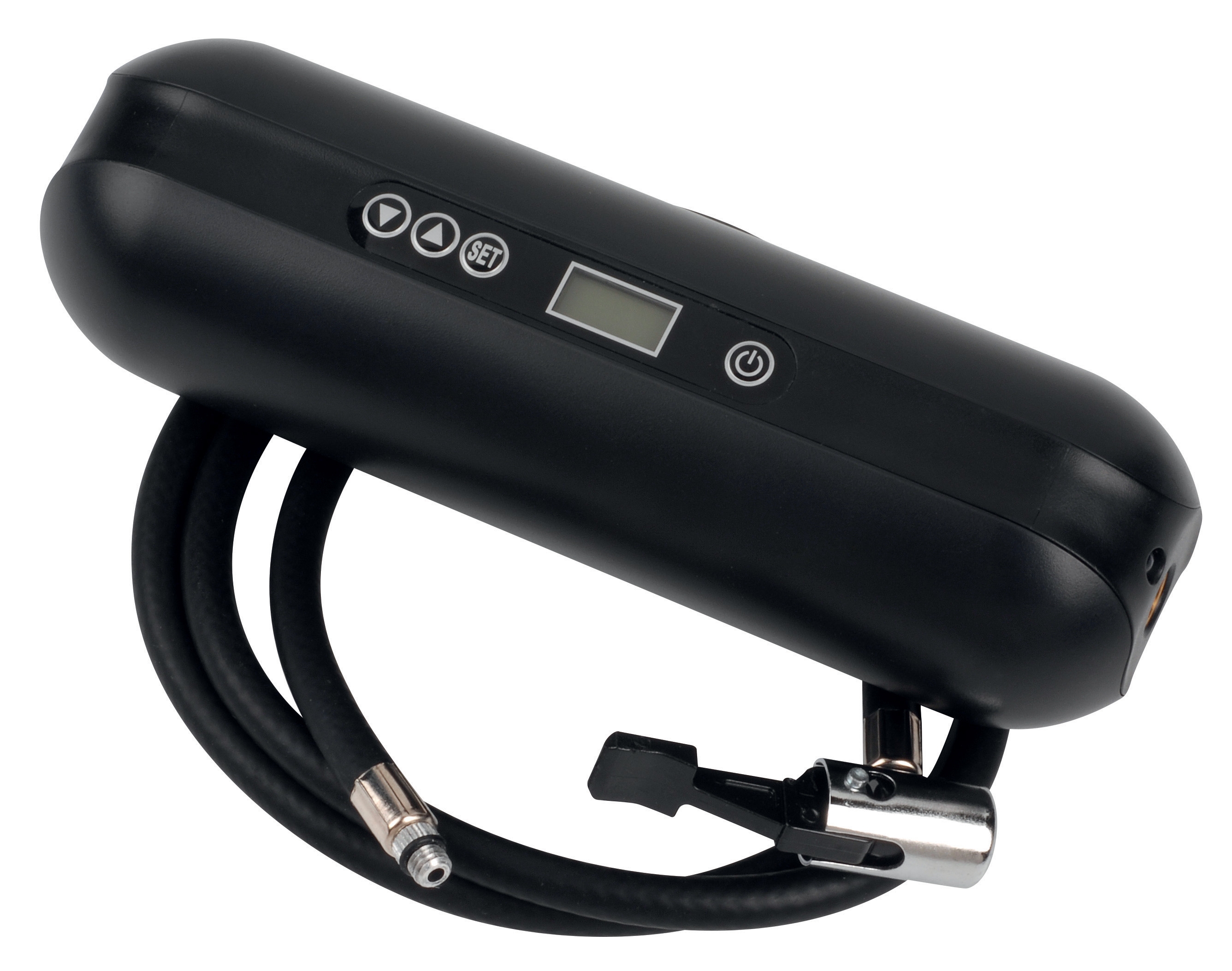
Table of Contentsexpand_more
Understanding Measurement & Detection in HVAC Commissioning
Measurement & Detection forms the foundation of successful HVAC system commissioning. For HVAC contractors in Singapore, accurate measurement during installation and startup directly impacts system efficiency, occupant comfort, and warranty compliance. With over 35 years of experience supporting industrial and commercial installations, 3G Electric understands that commissioning failures often stem from inadequate measurement practices rather than equipment defects.
Commissioning involves verifying that every component—from expansion tanks to air distribution networks—operates within design specifications. Without proper measurement tools and techniques, contractors risk delivering systems that underperform, consume excess energy, or fail to meet local building codes. Singapore's Building and Construction Authority (BCA) Green Mark standards and energy efficiency regulations require documented proof that HVAC systems meet design intent. This is where Measurement & Detection becomes non-negotiable.
The commissioning process typically spans three phases: pre-startup verification, dynamic balancing, and performance documentation. Each phase demands different measurement approaches and tools.
Pre-Startup Verification: Pressure and Expansion Tank Assessment
Before activating any HVAC system, contractors must verify static conditions and component integrity. This begins with expansion tank pressure verification—a commonly overlooked but critical step that prevents system damage and warranty voids.
Expansion Tank Charging and Verification
Expansion tanks in chiller or heating systems require precise air charge pressure. If undercharged, the tank cannot absorb thermal expansion; if overcharged, system pressure spikes uncontrollably. The CBM Expansion Tank Inflator Battery 2000 mAH provides the accuracy needed for field commissioning. With 10.3 bar maximum pressure rating and operation across -20 to 60°C, this tool handles Singapore's ambient conditions and heated system temperatures. Its 2000 mAH battery capacity supports multiple charging cycles across a large facility without recharging, saving hours on multi-unit installations.
Proper procedure: Isolate the expansion tank, depressurize the system, measure existing air charge with the inflator, compare against the design specification (typically 0.9 bar for hot water systems), and adjust accordingly. Document all readings with timestamps and system conditions.
Low-Pressure System Gauging
Chiller and heat pump suction lines operate at near-atmospheric pressures during low-load conditions. The Preciman Stainless Steel Vertical Pressure Gauge D63 0/+40 Mbar provides the sensitivity needed for these measurements. With ±1.6% accuracy across the 0-40 mbar range and stainless steel construction suitable for Singapore's humid coastal environment, this gauge withstands both corrosion and the daily temperature swings in plant rooms. The G1/4 connection integrates easily into isolation manifolds used during commissioning.
Field tip: Install the gauge on a temporary isolation manifold during commissioning, then verify readings against the system's permanent pressure transmitter before disconnecting.
Dynamic Testing: Temperature and Differential Pressure Profiling
Once systems are energized, measurement shifts from static verification to dynamic performance validation. This phase reveals whether the system actually delivers design specifications under operating conditions.
Temperature Measurement Across the System
Temperature profiling reveals blockages, bypass leaks, and control valve failures that pressure readings alone cannot detect. The Dwyer PT100 OHM RTD Temperature Probe AVG-21241 delivers ±0.6% accuracy at 0°C with a 65 cm flexible copper capillary. This flexibility allows contractors to position sensors in confined spaces—inside ductwork, wrapped around pipes, or inserted into wellpoints—without rigid conduit routing.
A typical commissioning profile includes:
- Chiller inlet/outlet temperature differential (verifies cooling capacity)
- Supply air temperature at diffuser banks (confirms distribution balance)
- Return air and mixed air temperatures (detects outdoor air damper and economizer function)
- Hot water supply/return differential (validates heating capacity)
The wide operating range (-35.5 to +115.5°C) covers tropical ambient conditions, chilled water systems (5-7°C), and high-temperature heating applications. The flange clip mounting accommodates various well configurations without requiring skilled pipe welding.
Airflow and Differential Pressure Verification
Balancing dampers to achieve designed airflow requires accurate differential pressure measurement across sections of ductwork and across components like cooling coils. The Dwyer Transmitter 616KD-13V-TC measures 0-1 IN W.C (0-250 Pa) differential pressure with electronic output, enabling real-time data logging and comparison against commissioning protocols.
The low 21 mA maximum power consumption allows battery operation on handheld data loggers for extended periods, critical when testing multiple zones across a large facility. Barbed process connections accept standard 3-5 mm tubing, connecting quickly to temporary damper test ports without permanent installation.
For comprehensive airflow profiling, pair this transmitter with the Dwyer Metal Average Flow Probe MAFS-16. This 16 cm probe measures both static and total pressure across a representative duct section, allowing contractors to calculate average velocity and confirm total system airflow without cutting into sheet metal ductwork. The stainless steel construction resists corrosion in Singapore's salt-laden air and handles both clean and slightly dusty airstreams.
Commissioning sequence: Install the average flow probe in the supply duct main, connect the differential pressure transmitter across the probe, operate the system at full load, record differential pressure, apply ASHRAE-approved velocity calculations, and verify against the design airflow specification. Repeat in multiple duct zones to confirm balance.
Performance Documentation and Regulatory Compliance
Singapore's Building and Construction Authority requires documented commissioning records for Green Mark certification and energy performance tracking. Measurement & Detection data forms the evidence that systems meet design intent.
Data Logging and Record Keeping
Modern commissioning practices require time-stamped, continuous measurement rather than snapshot readings. Digital transmitters like the Dwyer 616KD-13V-TC can connect to handheld recorders or building management system dataloggers, creating auditable records that satisfy compliance audits.
Essential documentation includes:
- Expansion tank air charge pressures before and after filling
- Supply/return temperature differentials at design load conditions
- Airflow measurements at each major duct section
- Balancing valve differential pressures
- Energy meter readings before and after optimization
Store all records with equipment nameplate data, sensor calibration dates, and environmental conditions (ambient temperature, humidity) during testing. This supports future warranty claims and helps diagnose performance degradation years later.
Troubleshooting with Measurement Data
When a commissioned system underperforms, measurement data quickly isolates root causes. If chiller outlet temperature is correct but supply air temperature is too warm, the problem lies downstream (cooling coil blockage, ductwork leak, or damper misalignment)—not the chiller. If supply air temperature is correct but occupants report cold spots, measurement data confirms the system is working and points to airflow distribution issues (damper position, duct design, or diffuser selection) rather than equipment failure.
3G Electric's 35+ years supporting industrial commissioning teams reveals a pattern: contractors who invest in comprehensive measurement during startup spend 60% less time troubleshooting later and achieve 15-20% better energy efficiency than those who rely on visual inspection alone.
Selection and Integration Best Practices
Choosing measurement tools for Singapore HVAC commissioning requires balancing accuracy, durability, and field practicality. High-accuracy laboratory instruments often fail in plant rooms due to moisture and temperature extremes. Conversely, rugged field instruments must deliver accuracy sufficient for regulatory documentation.
Key selection criteria:
- Accuracy specification: Match tolerance to system design margin (typically ±2% for pressure, ±1°C for temperature)
- Operating range: Cover system extremes plus ambient conditions
- Material durability: Stainless steel for coastal installations, sealed electronics for humid plant rooms
- Field connectivity: Fast-connect fittings, wireless data options, and battery independence
- Calibration traceability: Verify that instruments carry ISO 17025 calibration certificates
3G Electric supplies measurement instruments with full technical support, helping contractors select the right combination for their specific projects. Whether commissioning a small office renovation or a large medical complex, proper Measurement & Detection practice transforms a risky startup into a confident handover.
![Airstat Buyer's Guide SG | TAT Broth Media [2026]](https://oxalncjenpflyqfncuhe.supabase.co/storage/v1/object/public/product-assets/grainger/62314438-78dc-4409-9813-a921ea1b50c8.jpg)