Industry Applications of Hydraulic and Pneumatic Systems: A Plant Manager's Southeast Asia Implementation Guide
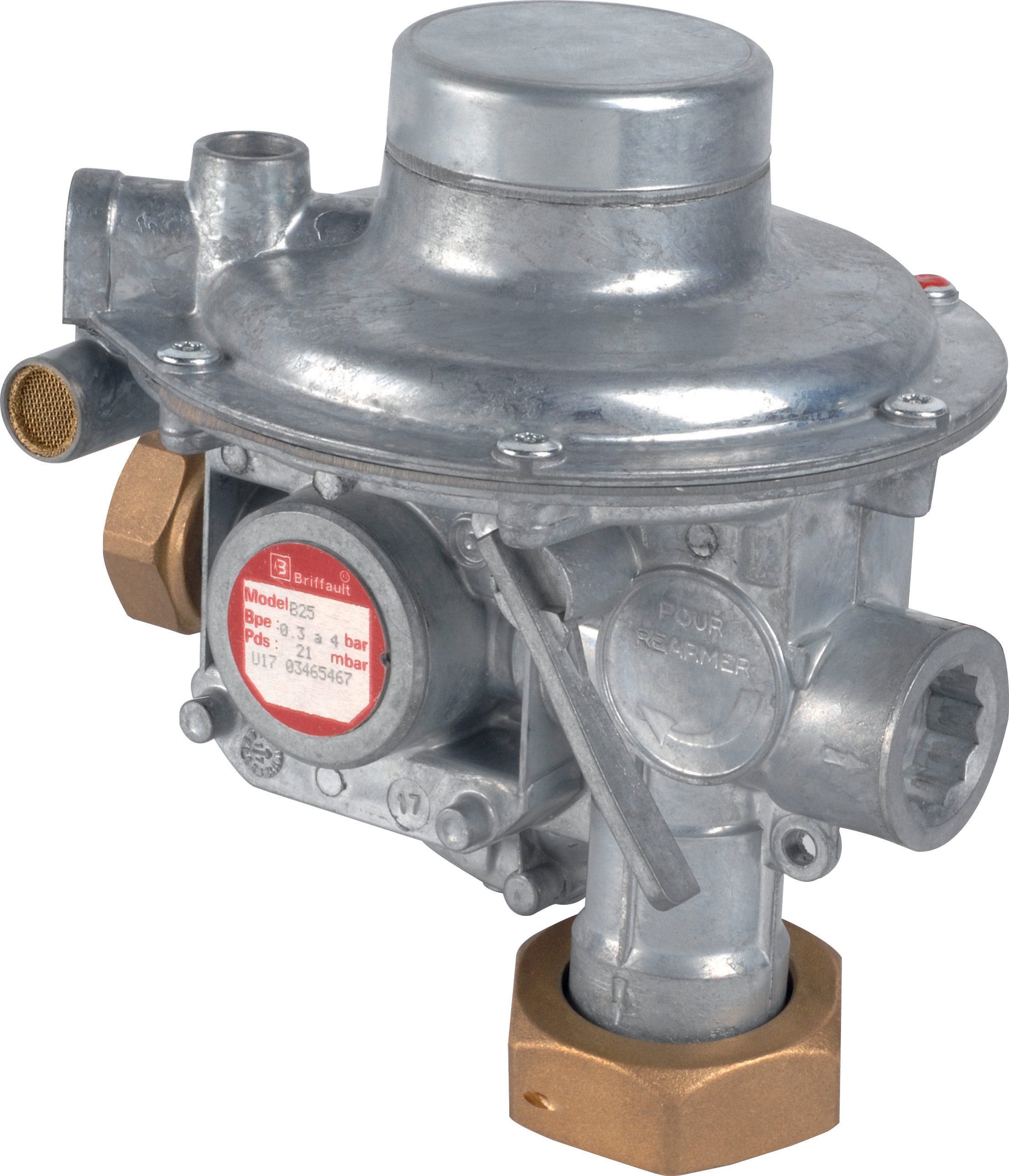
Table of Contentsexpand_more
Understanding Industry Applications in Southeast Asia's Manufacturing Landscape
Southeast Asia's manufacturing sector operates under conditions distinctly different from temperate regions. High humidity, temperature fluctuations, and dust-laden environments demand equipment selection strategies that go beyond standard specifications. As a distributor serving the region for 35+ years, 3G Electric has observed that many plant managers struggle not with equipment availability, but with matching the right specifications to their operational realities.
Industry applications in this context mean understanding how pumps, pressure regulators, and spray systems perform in your specific plant environment. Whether you're operating in Thailand's automotive sector, Vietnam's electronics manufacturing, or Indonesia's food processing facilities, the fundamentals remain constant: reliable flow, consistent pressure, and system longevity. However, the execution differs significantly.
The tropical climate presents three critical challenges:
- Moisture infiltration into hydraulic systems, causing rust and seal degradation
- Viscosity variations in hydraulic fluids due to temperature swings from 18°C to 38°C daily
- Maintenance accessibility in remote locations with limited spare parts availability
Your equipment selection must account for these realities from day one.
Selecting the Right Pump Systems for Your Production Demands
Hydraulic pumps form the heart of any industrial operation, and in Southeast Asia, that heart must be unusually resilient. The Pratissoli KF30 industrial pump delivers 106 L/min at 200 bar with 40 kW power, making it suitable for mid-scale operations like metal fabrication shops, plastics molding facilities, and textile machinery. The Pratissoli MW40 series steps up to 211 L/min at 210 bar for heavier applications—think large-scale pressing operations or commercial vehicle component manufacturing.
When evaluating pumps for Southeast Asia operations, consider this practical framework:
For light manufacturing (food packaging, light assembly):
The Interpump E1D1808 compact gear pump at 8 L/min and 180 bar offers space efficiency in constrained factory layouts common to Bangkok's industrial zones. Its 5 kg weight simplifies relocation if production lines shift.
For medium-duty operations (automotive parts, machinery manufacturing):
The KF30 provides the sweet spot—sufficient flow for dual-circuit systems, pressure ratings that handle most industrial applications, and a 72 kg weight that allows proper foundation installation without structural reinforcement.
For heavy industrial applications (metal forging, commercial equipment assembly):
The MW40's 85 kW output handles simultaneous operations—main press cycles plus auxiliary functions like clamping and material positioning. At 264 kg, installation planning becomes critical; 3G Electric recommends pump foundation design consultation for these units.
A plant manager's pump selection process should follow this sequence:
1. Map your actual peak demand – Don't assume theoretical maximums; monitor real production cycles for 2-4 weeks
2. Include 20% capacity buffer – Southeast Asia's frequent micro-shutdowns (power dips, cooling pauses) mean sustained operation at peak capacity happens regularly
3. Verify cooling capacity – Tropical ambient temperatures mean your cooling system must handle higher inlet temperatures than temperate-region specifications assume
4. Document spare parts availability – Before purchasing, confirm that your distributor stocks seal kits and wear components locally
Pressure Management and Precision Spray Application Systems
A pump without proper pressure regulation and nozzle application is like a vehicle without steering. The Francel B25/37mb pressure regulator with integrated safety relief maintains 37 mbar outlet pressure—appropriate for laboratory gas distribution but also for precision coating operations in electronics manufacturing. Its 10 mm vent size provides reliable relief without creating backpressure that stresses upstream components.
The Euspray flat jet nozzle with 25° spray angle and 1/4" BSPT connection complements high-pressure pumping systems by delivering controlled spray patterns for cleaning, coating, and dust suppression applications. In Vietnamese electronics plants, these nozzles prevent static discharge during component cleaning. In Thai automotive facilities, they enable precise coating application with minimal overspray waste.
For plant managers, pressure management breaks into three practical applications:
System Protection:
The Francel regulator's integrated safety relief prevents catastrophic failures from blocked lines or thermal expansion. In Southeast Asia's monsoon season, unexpected humidity spikes can cause hydraulic fluid emulsification, increasing system pressure unpredictably. The regulator's 37 mbar standard prevents equipment damage during these transitional periods.
Process Precision:
The Euspray nozzle system enables repeatable spray patterns critical for coating operations. Electronic component manufacturers in Singapore and Malaysia require ±5% spray consistency; these nozzles deliver index 30 precision that maintains specifications across production runs.
Maintenance Simplicity:
Both the Francel and Euspray components use standard connection sizes (1/4" BSPT) found throughout Southeast Asia. This reduces spare parts logistics complexity—your maintenance team can identify replacements by visual inspection rather than documentation cross-referencing.
A comprehensive pressure system strategy includes:
- Primary regulation at the pump outlet (Francel unit for system pressure maintenance)
- Secondary regulation at point-of-use for individual circuits
- Relief valves at each major load (press, clamp, motor circuits)
- Spray application nozzles matched to process requirements
In practice, this means a mid-size operation typically requires 2-3 primary regulators and 4-6 secondary units, with nozzle selection dependent on specific coating or cleaning applications.
Maintenance Strategy and Operational Excellence for Tropical Environments
Plant managers in Southeast Asia operate within a unique maintenance ecosystem. Unlike developed-market facilities with nearby distributors and technician pools, many regional operations must design self-sufficiency into their equipment selection.
Your hydraulic system maintenance program should address:
Fluid Management (Critical in High-Humidity Areas):
Tropical humidity means water infiltration into hydraulic fluid accelerates seal degradation. Change hydraulic fluid 2-3 times annually rather than the temperate-region standard of annually. Monitor fluid color and viscosity monthly; discoloration indicates moisture absorption. The KF30 and MW40 pumps tolerate moderate fluid degradation better than small gear pumps, making them preferable for facilities without sophisticated fluid monitoring programs.
Pump Inspection Frequency:
Monitor pump inlet pressure weekly. Sudden drops indicate cavitation from air infiltration—common in humid environments where seals fail prematurely. The Interpump E1D1808 compact design allows quick inlet port inspection without full system shutdown.
Nozzle and Spray System Maintenance:
The Euspray flat jet nozzles require monthly cleaning to prevent mineral buildup from local water sources. Southeast Asia's water mineral content varies significantly by region; facilities using recycled water must clean spray systems biweekly. Maintain spare nozzles on-site (minimum 2-3 units) because replacement shipping from regional distributors typically requires 3-5 business days.
Pressure Regulator Calibration:
The Francel unit should undergo pressure verification quarterly rather than annually. Tropical temperature swings (especially seasonal monsoon temperature drops) can shift calibration. Document each verification; this data prevents unnecessary regulator replacement and helps troubleshoot system pressure anomalies.
Practical Maintenance Workflow:
- Weekly: Inlet pressure check, visual fluid inspection, nozzle spray pattern observation
- Monthly: Fluid sample analysis, relief valve setting verification, nozzle cleaning
- Quarterly: Pressure regulator calibration, pump suction filter replacement, complete system pressure mapping
- Semi-annually: Pump bearing noise assessment, seal inspection, cooling system performance evaluation
- Annually: Complete fluid replacement, major component inspection, spare parts inventory audit
For Southeast Asia operations, spare parts strategy requires regional thinking. Rather than maintaining a single central spare parts stockroom, 3G Electric recommends distributed component holding: keep high-wear items (seals, nozzles, inlet filters) on-site with 3-month supply; coordinate with your regional distributor for quarterly bulk replacements; maintain critical pump spare parts (bearings, wear plates, control mechanisms) with your distributor rather than on-site to avoid obsolescence in slow-moving inventory.
The cost of this distributed approach appears higher initially but prevents production line downtime when equipment fails. A single hour of machinery shutdown in a high-volume facility costs far more than maintaining 20% extra inventory of wear components.
Implementation: From Specification to Stable Operation
Moving from theory to practice requires a structured implementation approach. Begin by documenting your current system: pump model, rated pressure, actual operating pressure, flow demand during peak production, cooling system capacity, and maintenance history over the past 24 months. This baseline prevents specification errors that cost thousands to correct.
Next, model your system upgrades incrementally. If you're replacing a failed pump, don't automatically assume your current size was correct. Operators rarely report that old equipment ran efficiently; they report that it met minimum production requirements. The KF30 or MW40 may cost 30-40% more than your previous pump, but the additional efficiency translates to cooler-running systems requiring less maintenance and delivering 8-12% energy savings in tropical environments where cooling load dominates operating costs.
For pressure regulation, specify the Francel unit when system protection matters more than microflow precision. Use it as your main pressure controller with secondary regulators handling individual circuit requirements. This two-tier approach provides redundancy—if the Francel unit requires service, the system can still operate at reduced pressure using secondary regulators while replacement components arrive.
Spray nozzle selection should follow your specific process mapping. The Euspray 25° angle suits general cleaning; 15° angles handle precision coating; 40° angles maximize coverage area for large-surface dust suppression. Document which nozzle angle solves which problem in your facility, then standardize: if three different nozzle angles are used across your operation, maintain separate inventory for each with clear labeling. This prevents installation errors that cause process defects.
Finally, establish a feedback loop. Three months after installing new equipment, survey your maintenance team: Do inlet filters clog more or less frequently? Is the pump quieter? Have pressure fluctuations decreased? After six months, calculate actual energy consumption and compare to pre-installation baselines. This data guides your next equipment decisions and justifies capital expenditure to finance and operations stakeholders.
With 35+ years serving Southeast Asia's industrial sector, 3G Electric has observed that successful plant managers view equipment selection as a long-term operational investment, not a short-term cost minimization exercise. The systems you install today determine your maintenance burden, energy costs, and production reliability for the next 5-10 years.