Measurement & Detection for HVAC System Commissioning: Selecting Tools for Accurate Installation Verification
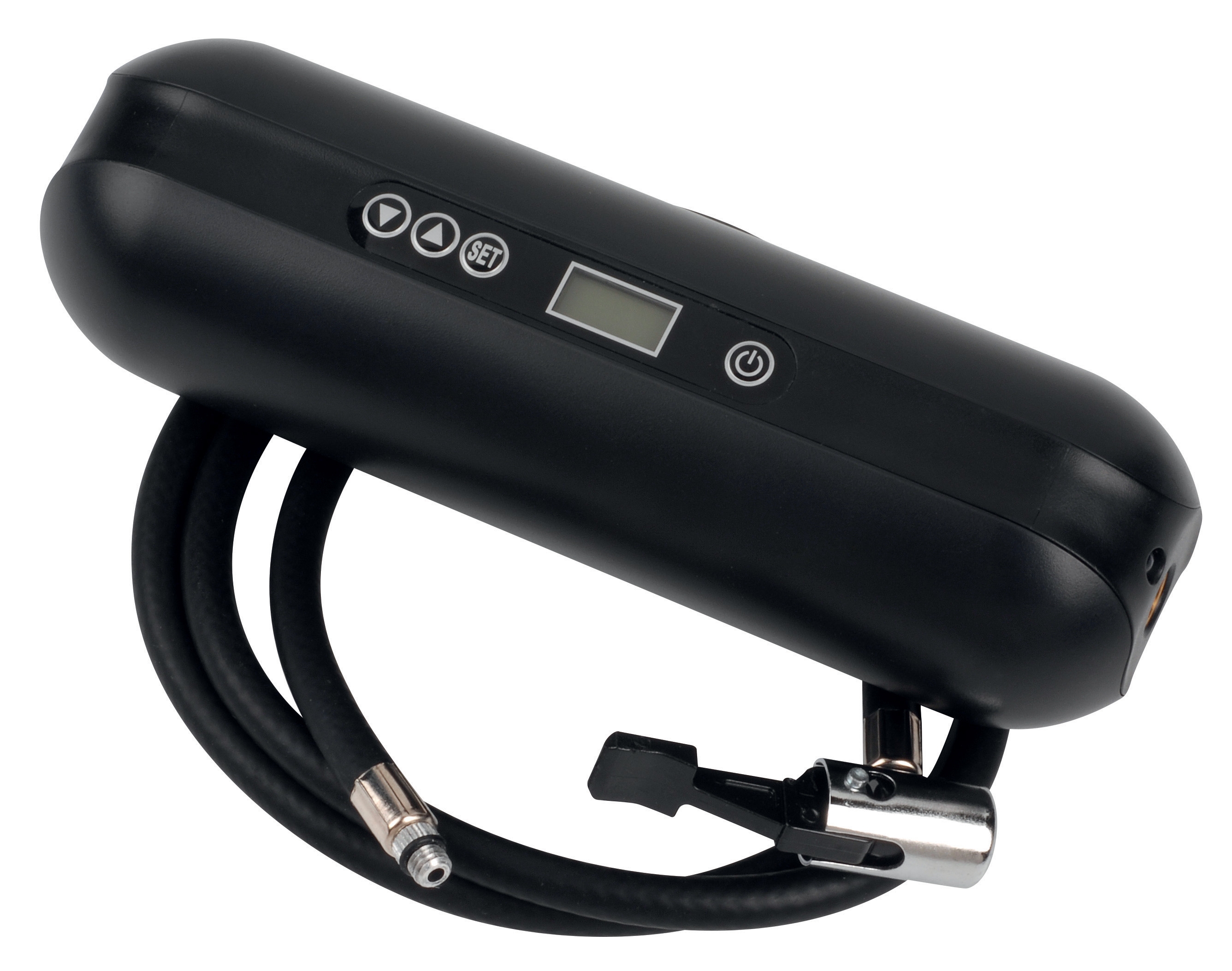
Table of Contentsexpand_more
Why Measurement & Detection Tools Matter During HVAC Commissioning
Successful HVAC commissioning depends on accurate measurement and detection of system parameters before you hand over equipment to facility managers. Unlike preventive maintenance checks or troubleshooting calls, commissioning requires you to verify that every component operates within manufacturer specifications and that integrated systems deliver the design capacity.
Three critical parameters demand attention during commissioning: system pressure (both refrigerant and water-side), temperature at multiple points (supply, return, mixed air), and airflow volume across distribution networks. Each requires different measurement and detection approaches, and selecting the wrong tool can lead to incomplete commissioning, warranty disputes, and callbacks.
With over 35 years of experience supplying HVAC contractors globally, 3G Electric has seen how equipment choices during commissioning impact long-term customer satisfaction and regulatory compliance. This guide helps you select the right measurement and detection tools for your commissioning workflow.
Pressure Measurement: From Expansion Tank Pressurization to System Diagnostics
Expansion Tank Pressurization During Installation
Before a hydronic system runs for the first time, you must pressurize the expansion tank to match the system's static pressure. This critical step prevents cavitation and ensures proper thermal expansion control throughout the equipment lifecycle.
The CBM Expansion Tank Inflator Battery 2000 mAH provides a portable solution for this measurement and detection task. With a maximum rated pressure of 10.3 bar and support for multiple pressure units (bar, psi, kPa), it eliminates dependence on bulky shop compressors at job sites. The 2000 mAH battery operates reliably across -20 to 60°C, covering installation work in cold climates and hot climates. Built-in pressure measurement lets you verify tank charge and adjust pre-charge pressure while inflating—critical for commissioning accuracy.
This tool's measurement and detection capability serves two functions: it measures the current tank pressure before inflation and detects when you've reached the target pressure during pressurization. For contractors managing multiple parallel installations, having a dedicated expansion tank inflator eliminates workflow delays waiting for air compressor availability.
Differential Pressure Detection for System Diagnostics
Once the system pressurizes and circulates, differential pressure measurement and detection reveals whether air handlers, coils, and filters perform as designed. High differential pressure across a coil may indicate undersized equipment or improper commissioning; low pressure may signal airflow problems.
The Dwyer Transmitter 616KD-13V-TC measures differential pressure across 0–1 IN W.C (inch of water column), the standard range for HVAC system diagnostics. This differential pressure transmitter integrates electronic output (maximum 21 mA consumption), allowing direct connection to building automation systems during commissioning. Barbed process connections accommodate 3–5 mm tubing, simplifying portable setup for testing multiple coil banks and filter stages.
During commissioning, connect this measurement and detection device across suspect components to verify pressure drop against design specifications. The electronic output enables remote monitoring during commissioning sequences—useful when you're balancing air systems across multiple zones.
Low-Pressure Gauge for Visual Verification
While electronic transmitters provide remote data, mechanical gauges offer immediate visual feedback and require no batteries or wireless connections. The Preciman Stainless Steel Vertical Pressure Gauge D63 0/+40 Mbar G1/4 measures pressures from 0 to 40 millibar—appropriate for low-pressure detection in steam systems, low-pressure hot water circuits, and air-side measurements.
The 63 mm dial size delivers readable measurement and detection from across the mechanical room. Stainless steel construction resists corrosion in humid indoor environments. The ±1.6% accuracy provides sufficient precision for commissioning verification against design specifications. G1/4 threaded connection and copper alloy wetted parts ensure compatibility with standard HVAC fittings and valves.
Many contractors keep a Preciman gauge in their commissioning kit as a redundant check on electronic readings and as a reference standard when calibrating transmitters on-site.
Temperature Measurement and Detection: Multi-Point Verification
Temperature measurement and detection form the foundation of HVAC commissioning. You must verify supply temperatures, return temperatures, mixed air conditions, and outdoor air conditions to confirm system capacity and control loop performance.
The Dwyer Probe AVG PT100 OHM RTD L.65 AVG-21241 delivers industrial-grade temperature measurement and detection with ±0.6% accuracy at 0°C—tight enough to catch commissioning problems. The PT100 OHM resistance thermometer operates from -35.5 to +115.5°C, covering all HVAC application ranges from cold climates to hot water systems.
The 65 mm probe length with flexible copper capillary allows insertion into system piping and ductwork without extensive modifications. Flange clip mounting secures the probe during measurement and detection sequences, preventing vibration-induced errors. The capillary length accommodates remote monitoring locations—useful when measuring temperatures at distribution endpoints while reading the indicator from a central control point.
For commissioning workflows, deploy PT100 probes at design-specified temperature measurement points: chiller discharge, condenser return, mixed air entering the air handler, and supply air leaving the filter bank. Each measurement and detection point either confirms the system matches design intent or signals need for adjustment before handoff.
Flow and Velocity Detection: Verifying System Capacity
Pressure and temperature readings alone cannot confirm that a system delivers design airflow. You must actively measure and detect flow velocity across distribution components to validate that design capacity materializes in actual operation.
The Dwyer Metal Average Flow Probe MAFS-16 detects static and total pressure across 16 cm of probe length, allowing calculation of average velocity from pressure difference. This measurement and detection approach works in any ductwork size—from small branch runs to main supply ducts—without system shutdown.
During commissioning, insert the MAFS-16 probe perpendicular to airflow and measure the differential pressure between static and total ports. Using the standard velocity equation, convert this pressure reading into feet per minute (or meters per second), then multiply by ductwork cross-sectional area to confirm volumetric flow rate.
This measurement and detection method provides commissioning verification that the installed system actually moves design airflow. Problems like improperly sealed ductwork, incorrect fan speed, or oversized/undersized equipment surface immediately during this test. Many contractors perform flow detection at multiple ductwork locations to verify proper air distribution among zones.
Practical Commissioning Workflow: Integrating Measurement and Detection
Phase 1: Static System Checks (Before Power-Up)
Begin commissioning with zero-energy measurements and detection:
- Pressurize expansion tank using the CBM Inflator to match design static pressure
- Verify tank pressure holds steady, detecting no leaks in the pre-charge or system
- Check refrigerant pressure (if applicable) against design specifications using system pressure gauges
- Confirm all manual balancing valves position correctly for design flow
Phase 2: Dynamic System Checks (First Startup)
Once equipment energizes, begin continuous measurement and detection:
- Monitor supply and return temperatures using PT100 probes to detect rapid changes indicating circulation
- Check differential pressure across coils using the Dwyer transmitter to verify design pressure drop
- Observe mechanical pressure gauge readings to confirm system pressurization within specification
- Document all readings on commissioning sheets before beginning active balancing
Phase 3: Active System Balancing (Optimization)
With baseline measurements and detection established, adjust for optimal performance:
- Measure airflow velocity using the MAFS-16 probe at supply and return locations
- Calculate volumetric flow rate and compare against design; adjust fan speed if needed
- Re-measure temperature at each point to verify control loop stability
- Detect any pressure spikes or drops that signal mechanical problems
Phase 4: Documentation and Handoff
Capture all measurement and detection readings in permanent records:
- Photograph all gauges and transmitter displays showing final readings
- Record temperatures at each monitored point with time stamps
- Document pressure readings for system components and filter banks
- Calculate and verify flow rates for each distribution zone
- Flag any parameter outside design specification for customer awareness
Key Considerations When Selecting Measurement and Detection Tools
Accuracy Requirements: Commissioning demands tighter tolerance than field diagnostics. Select instruments with ±0.6–1.6% accuracy rather than ±5% field tools. This level of measurement and detection precision reveals genuine problems rather than instrument variability.
Portability and Setup Time: Job sites demand tools you can deploy quickly without extensive configuration. Battery-powered instruments like the CBM Inflator and electronic transmitters reduce commissioning time compared to wired solutions.
Interoperability: Modern buildings expect commissioning data integrated into building automation systems. Electronic transmitters with 4–20 mA output (like the Dwyer 616KD) facilitate measurement and detection integration; mechanical gauges provide backup when networks fail.
Climate Resilience: Commissioning occurs in all seasons. Equipment rated for -20 to +60°C operation (like the CBM Inflator) maintains accuracy in winter startups and summer capacity tests.
Redundancy: Critical commissioning measurements benefit from dual instruments—electronic transmitter plus mechanical gauge—to detect instrument failure before completing handoff.
Conclusion: Building Your Commissioning Measurement and Detection Kit
Professional HVAC commissioning requires dedicated measurement and detection equipment beyond basic troubleshooting tools. Drawing on 35 years of experience supplying contractors worldwide, 3G Electric recommends a tiered approach:
Essential Kit: Expansion tank inflator, differential pressure transmitter, PT100 temperature probe, and mechanical pressure gauge provide coverage for 90% of commissioning scenarios.
Advanced Kit: Add flow detection probes, portable combustion analyzers (for gas equipment), and multi-parameter loggers for comprehensive system verification.
Maintenance Plan: Schedule annual calibration of electronic instruments and quarterly inspection of mechanical gauges to ensure measurement and detection accuracy across multiple seasons.
The investment in proper measurement and detection tools during commissioning prevents costly callbacks, regulatory compliance issues, and customer disputes. Equipment from 3G Electric's suppliers—CBM, Dwyer, and Preciman—provides the reliability and precision contractors expect when verifying HVAC system performance before handoff.
Contact 3G Electric today to discuss your commissioning equipment needs and explore measurement and detection solutions tailored to your installation profile.
![Airstat Buyer's Guide SG | TAT Broth Media [2026]](https://oxalncjenpflyqfncuhe.supabase.co/storage/v1/object/public/product-assets/grainger/62314438-78dc-4409-9813-a921ea1b50c8.jpg)