Measurement & Detection for Maintenance Team Diagnostics: Troubleshooting and System Health Verification
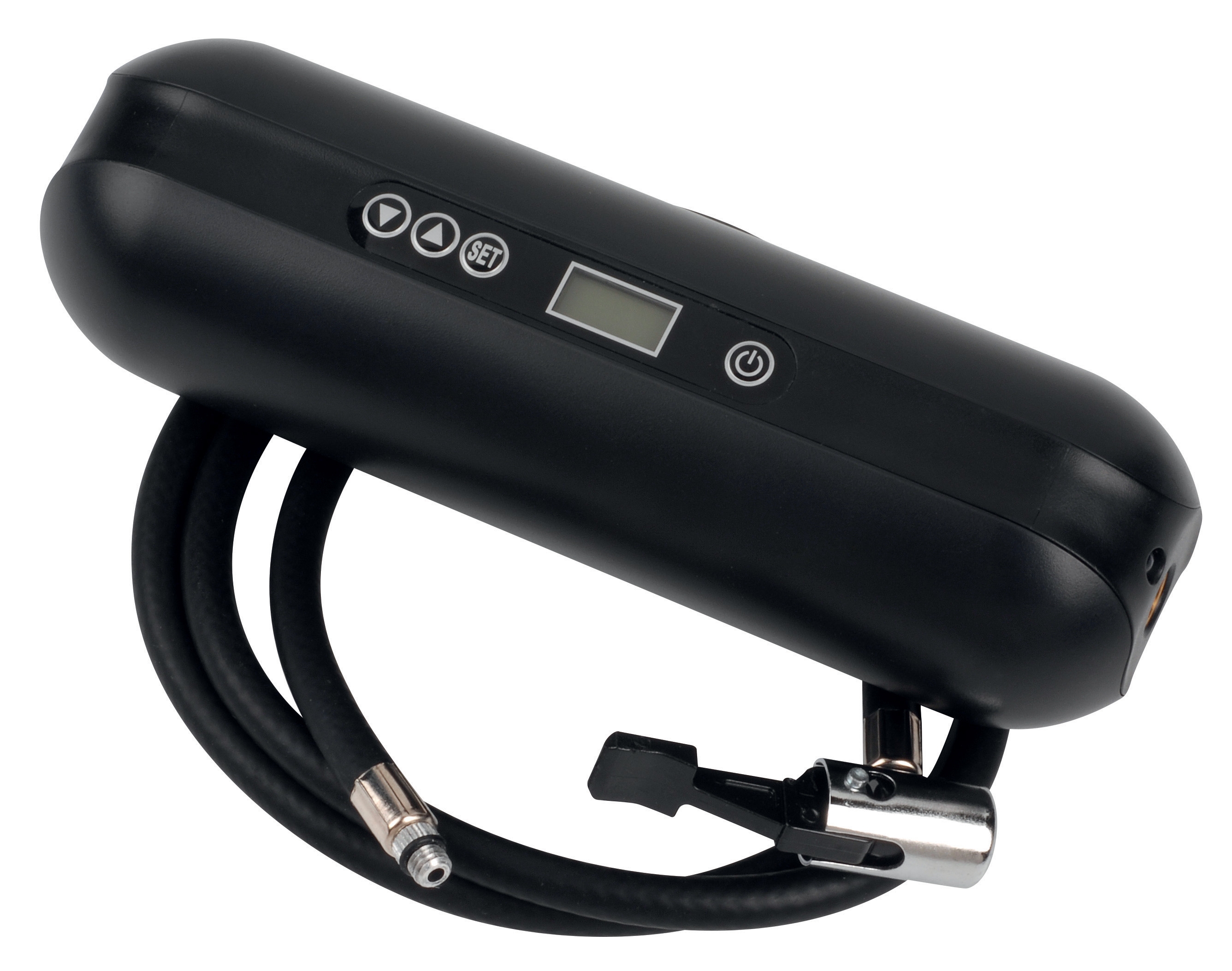
Table of Contentsexpand_more
Understanding Measurement & Detection in Maintenance Operations
Measurement & Detection forms the foundation of effective maintenance diagnostics. When systems fail or underperform, your maintenance team needs accurate, real-time data to identify root causes rather than treating symptoms. Whether you're managing HVAC networks, pressure systems, or thermal equipment, the right Measurement & Detection instruments transform reactive repair work into proactive system management.
With over 35 years of experience as a global industrial equipment distributor, 3G Electric understands the practical challenges maintenance teams face daily. Your team operates under time pressure, budget constraints, and the constant need to minimize unplanned downtime. The difference between a fast diagnosis and a lengthy troubleshooting session often comes down to having the right Measurement & Detection equipment on hand and knowing how to use it effectively.
This guide focuses on the diagnostic perspective—helping your maintenance team select, deploy, and interpret Measurement & Detection tools to solve real problems in the field.
Essential Measurement & Detection Instruments for Maintenance Diagnostics
Temperature Measurement for System Health Assessment
Temperature is one of the most critical diagnostic parameters. Abnormal temperatures often signal equipment stress, inefficient operation, or impending failure. The Dwyer PT100 OHM RTD temperature probe delivers ±0.6% accuracy across industrial temperature ranges from -35.5 to +115.5°C, making it ideal for diagnosing thermal system problems.
In practical maintenance work, temperature probes help you:
- Detect heat exchanger fouling (rising discharge temperatures despite normal load)
- Verify thermostat calibration accuracy
- Confirm refrigerant system performance issues
- Identify insulation degradation in pipes or equipment
- Monitor compressor outlet temperatures for overheating
The flexible copper capillary design allows your technicians to take measurements in tight spaces—critical for diagnosing issues in packed equipment rooms or congested pipe runs. Store multiple probes across different temperature ranges so your team can diagnose without delays.
Pressure Measurement for Performance Verification
Pressure readings reveal system balance, blockages, leaks, and equipment wear. Unlike temperature, pressure changes often develop rapidly, requiring instruments you can trust for quick field diagnostics.
For differential pressure measurement, the Dwyer Transmitter 616KD-13V-TC measures 0–1 IN W.C with high resolution, making it essential for diagnosing filter blockage, duct leakage, and air handling unit performance. This transmitter's low power consumption (21 mA max) means your battery-powered field instruments operate longer between charges.
For absolute pressure monitoring and system commissioning verification, the Preciman stainless steel vertical pressure gauge D63 0/+40 Mbar provides ±1.6% accuracy with a robust 63mm dial readable from across a room. The G1/4 connection and copper alloy wetted parts resist corrosion—critical for equipment that operates in humid or aggressive environments.
Pressure diagnostics your team will perform regularly:
- Filter condition assessment: Rising differential pressure indicates approaching filter change
- Coil blockage detection: Abnormal pressure drops across heat exchange surfaces
- Leak identification: Gradual pressure loss signals refrigerant leaks or valve issues
- Pump/compressor wear: Declining discharge pressure despite unchanged operating speed
- System balance: Pressure variations between parallel circuits reveal blockages or control valve problems
Flow Measurement for Efficiency Verification
Flow measurement often gets overlooked by maintenance teams, yet incorrect flow is the root cause of many seemingly mysterious system failures. The Dwyer Metal average flow probe MAFS-16 provides simultaneous static and total pressure measurement across 16 cm of probe length, enabling your technicians to calculate actual flow rates in air distribution applications.
Flow problems your team will diagnose:
- Ductwork restrictions causing uneven air distribution
- Fan blade fouling reducing delivered flow
- Damper positions creating false energy savings while harming comfort
- Coil bypass indicating seal deterioration
- Piping blockages in heating or cooling circuits
Practical Diagnostic Workflows for Common Maintenance Scenarios
Scenario 1: HVAC System Underperformance Diagnosis
Your maintenance team receives complaints of poor cooling or heating despite equipment running. Follow this Measurement & Detection sequence:
1. Temperature measurement first: Use the Dwyer PT100 probe to measure inlet air temperature and discharge temperature. Compare to system design specifications. A small temperature rise suggests flow problems; a large rise suggests inadequate equipment capacity or refrigerant charge issues.
2. Pressure assessment second: Deploy the Dwyer differential transmitter to measure pressure drop across filters, coils, and ductwork. Abnormal drops pinpoint blockage locations.
3. Flow verification third: If temperature and pressure readings seem inconsistent with performance complaints, use the flow probe to measure actual air velocity. Surprisingly, many "capacity" problems are actually distribution problems.
4. System pressure baseline: Record static and discharge pressures with the Preciman gauge for comparison with future service calls. This builds your system fingerprint for faster diagnostics.
Scenario 2: Expansion Tank and Pressure System Maintenance
Heating systems frequently develop problems related to improper expansion tank pre-charge. Maintenance teams often overlook this critical check.
The CBM expansion tank inflator with 2000 mAH battery enables your technicians to measure and adjust pre-charge pressure precisely. This inflator operates across -20 to 60°C and supports multiple pressure units, critical for teams managing global facilities with different pressure conventions.
Diagnostic workflow:
- Isolate the expansion tank and measure current pressure using the Preciman gauge
- Compare to system design specifications (typically 70–80% of minimum system pressure)
- Use the battery inflator to adjust if pressure has drifted
- Record measurements to track whether tanks require frequent re-pressurization (indicating diaphragm failure)
- Monitor system temperatures with the temperature probe to correlate any pressure changes with thermal cycling
Interpreting Measurement Data for Root Cause Analysis
Building a Diagnostic Framework
Raw measurements mean little without interpretation. Train your maintenance team to think systematically:
Establish baselines: On each piece of equipment, record normal operating parameters—temperature, pressure, and flow under standard conditions. These baselines become your diagnostic reference. Without them, you're essentially guessing whether readings indicate problems.
Look for patterns, not single measurements: A single high temperature reading might be transient, but consistently high temperatures across multiple readings indicate a real problem. Use your instruments to confirm suspected failures before recommending replacement.
Cross-check measurements: If the differential pressure transmitter shows normal filter condition but the temperature probe shows discharge temperature climbing, the problem isn't filter blockage—look for refrigerant issues or coil fouling that blocks flow despite normal pressure drop.
Document trends: Pressure that rises gradually over weeks suggests slow refrigerant loss; pressure that drops suddenly suggests a major leak. Recording dates and values helps your team distinguish between gradual wear and acute failure.
Common Diagnostic Pitfalls
Avoid these mistakes your team might make without structured Measurement & Detection practices:
- Trusting single-point data: One high-temperature reading doesn't confirm equipment failure. Use multiple measurements at different load conditions.
- Ignoring installation position: Pressure gauges must be vertical for accurate readings. Diagonal mounting introduces errors.
- Confusing correlation with causation: High discharge pressure and high temperature might be coincidental—different roots cause different problems.
- Skipping safety checks: Always isolate systems before connecting instruments to prevent injury from high-pressure release.
Maintenance Team Best Practices for Measurement & Detection
Equipment Care and Accuracy Maintenance
Your measurement instruments are only as good as their calibration. Establish these practices:
- Annual calibration verification: Send instruments to certified calibration services annually. The cost ($50–100 per instrument) is negligible compared to misdiagnosis costs.
- Regular zero-checks: Before each diagnostic session, verify that pressure gauges read zero with no applied pressure and that temperature probes read ambient temperature accurately.
- Protect sensors from contamination: Temperature probes and pressure ports collect dust and debris. Use protective caps when instruments aren't in use.
- Temperature compensation: Understand that electrical transmitters like the Dwyer unit drift with temperature. Allow them to stabilize at operating temperature before trusting readings.
Building Diagnostic Capability
Measurement & Detection expertise develops through structured practice:
1. Create equipment datasheets: Document normal operating parameters for all critical systems. Include baseline temperature, pressure, and flow values.
2. Establish diagnostic decision trees: For common failures (low cooling, high pressure, uneven distribution), create written procedures that specify which measurements to take in which sequence.
3. Cross-train your team: Ensure multiple technicians understand your instruments and can perform diagnostics independently.
4. Review failure patterns: When equipment fails, use your measurement records to understand what measurements would have predicted the failure earlier.
Selecting the Right Tools for Your Maintenance Operations
Instrument Selection Criteria
When evaluating Measurement & Detection equipment for your team:
- Range requirements: Ensure instruments cover your operating conditions with adequate margin. A pressure gauge rated 0–40 mbar won't help if you need to measure 35 mbar regularly—you'll operate in the compressed scale where accuracy suffers.
- Accuracy class: ±1.6% accuracy sounds impressive but verify it applies to your actual measurement range. Some gauges are more accurate at midscale.
- Environmental robustness: Will instruments operate in the actual conditions your team encounters? The CBM inflator's -20 to 60°C range covers most global facilities; specialized instruments might be needed for extreme conditions.
- Portability and durability: Maintenance teams move constantly. Rugged instruments with protective cases survive years of field use; delicate laboratory-grade instruments break quickly.
- Power considerations: Battery-powered instruments must have sufficient capacity for your typical diagnostic session length. The 2000 mAH battery in the CBM inflator runs approximately 4–6 hours of intermittent use.
Conclusion: Measurement & Detection as Maintenance Strategy
Measurement & Detection transforms your maintenance operations from reactive troubleshooting to strategic system management. Rather than replacing components that might be functional, your team diagnoses actual problems with measurable data. This approach reduces unnecessary parts expenditures, shortens downtime, and extends equipment life.
The instruments described here—temperature probes, differential pressure transmitters, flow measurement tools, and pressure gauges—form a complete diagnostic toolkit for industrial maintenance teams globally. Combined with systematic documentation practices and trained personnel, these tools enable your team to diagnose system problems quickly and accurately.
3G Electric supplies Measurement & Detection equipment from trusted manufacturers including Dwyer, Preciman, and CBM, with 35+ years of experience helping maintenance teams worldwide. We stock instruments for immediate delivery and provide technical support to help your team select the right tools for your specific applications.
Start by auditing your current toolkit. Identify gaps where your team lacks diagnostic capability, then systematically build your measurement capability. The ROI typically appears within months as your team diagnoses and resolves problems faster, with fewer unnecessary parts replacements and less unplanned downtime.
![Airstat Buyer's Guide SG | TAT Broth Media [2026]](https://oxalncjenpflyqfncuhe.supabase.co/storage/v1/object/public/product-assets/grainger/62314438-78dc-4409-9813-a921ea1b50c8.jpg)