Measurement & Detection for Preventive Maintenance: A Plant Manager's Action Plan for Equipment Longevity
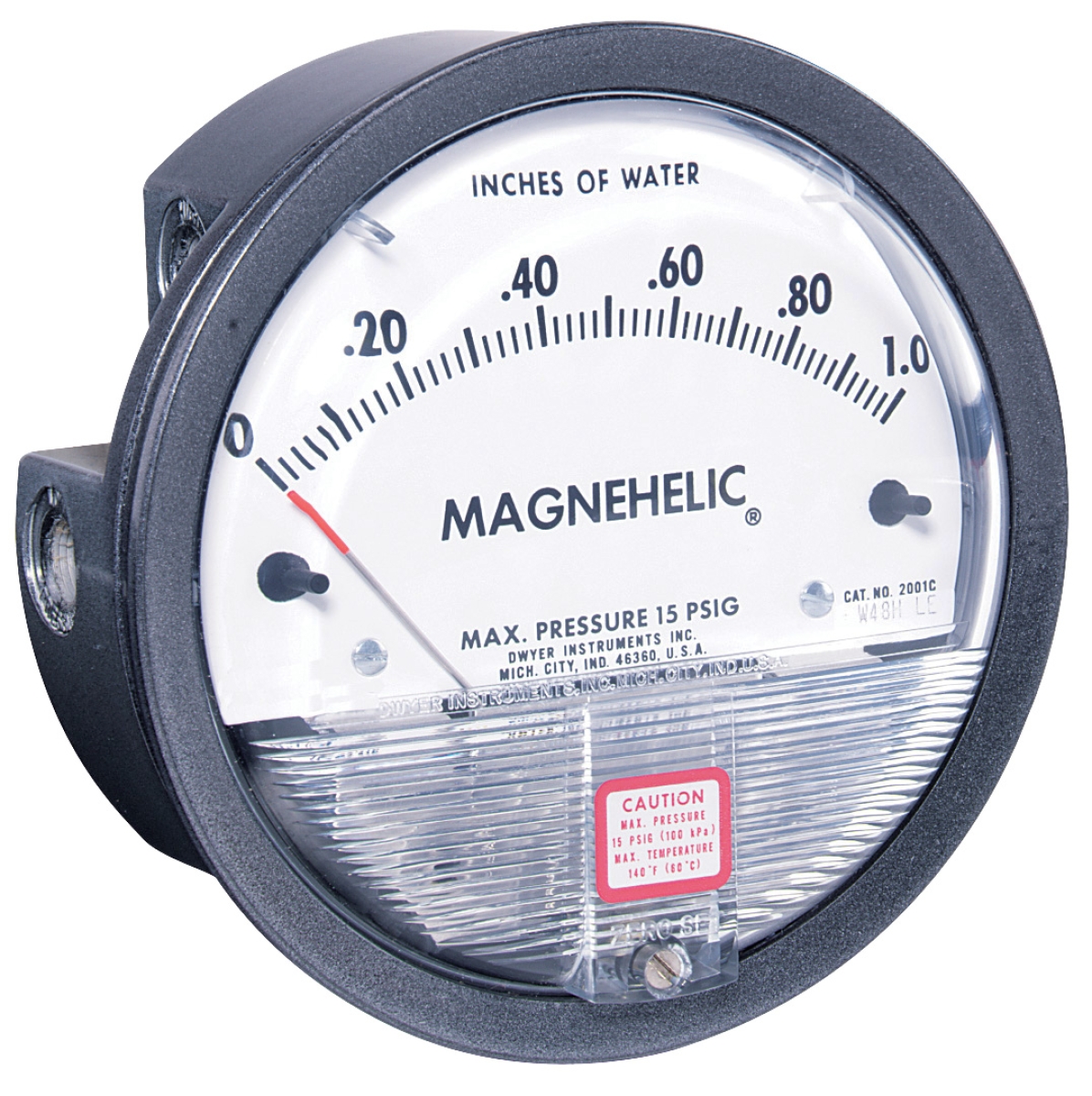
Table of Contentsexpand_more
Understanding Measurement & Detection in Preventive Maintenance
Measurement and detection form the foundation of any effective preventive maintenance program. Without accurate readings of pressure, temperature, and airflow, you're operating blind—relying on reactive fixes instead of preventing failures. For plant managers overseeing Singapore's demanding industrial environment, this distinction matters enormously. 3G Electric has spent over 35 years supplying industrial distributors with reliable measurement and detection equipment across Asia-Pacific operations, and the most successful facilities treat these instruments as early warning systems, not afterthoughts.
The principle is straightforward: detect small problems before they become expensive ones. A pressure gauge showing a 5% drift today prevents a catastrophic system failure next month. A temperature reading trending upward alerts you to bearing wear before it locks up. This proactive approach reduces unplanned downtime, extends equipment lifespan, and protects your maintenance budget.
Establishing Your Baseline Measurement Strategy
Before you can prevent problems, you need to know what "normal" looks like. Plant managers should establish baseline readings for every critical system—HVAC units, compressed air lines, cooling systems, and process equipment.
Start with these practical steps:
- Document current readings from all existing gauges and sensors across your facility. Record pressure, temperature, and flow rates under normal operating conditions. This becomes your reference point.
- Identify critical measurement points where changes signal trouble. For HVAC systems, this includes supply/return air pressure, ductwork differential pressure, and coil temperature. For fluid systems, monitor inlet/outlet pressure and tank temperature.
- Select instruments matched to your systems. Not all pressure gauges are interchangeable. A differential pressure gauge like the Dwyer Magnehelic 2000-8KPA measures small pressure differences (0–8 kPa range) ideal for cleanroom and ventilation monitoring. For general industrial fluid systems, the Preciman Green ABS pressure gauge D80 0/+10bar provides ±2.5% accuracy across a wider range with standard G1/2 connections.
- Use temperature monitoring for bearing health. Install thermometers like the Preciman Green vertical thermometer D80 -30/+50°C at bearing housings, motor casings, and fluid reservoirs. Temperature trending reveals mechanical stress before noise or vibration becomes obvious.
Your baseline data becomes the foundation for predictive decisions. When a pressure reading drifts 10% from baseline, you investigate instead of waiting for an alarm.
Implementing Daily and Weekly Detection Routines
Accurate measurement means nothing if you're not actually checking instruments regularly. Plant managers must establish structured inspection routines where operators log readings and report trends.
Daily checks (15 minutes per shift):
- Walk critical measurement points with a checklist. Record pressure and temperature readings from gauges across your main systems.
- Note any visible gauge needle drift, sluggish movement, or erratic behavior—these indicate instrument fouling or blockage.
- Compare readings to your baseline documentation. A 15% pressure increase or 20°C temperature rise requires immediate investigation.
- Flag readings that fall outside normal ranges in a maintenance log.
- Plot seven days of readings on a simple graph. Look for gradual drift rather than sudden changes—this reveals developing problems.
- A slowly rising pressure trend in compressed air lines suggests a clogged filter or developing leak. A creeping temperature increase in cooling systems indicates fouling or pump wear.
- Use this data to schedule maintenance before the system fails. If differential pressure is rising 0.5 kPa daily, plan filter replacement within three days instead of waiting for system shutdown.
Many plant managers use static pressure measurement for ductwork verification. The Dwyer Static pressure port stainless A-302F-C provides permanent measurement points for HVAC systems, allowing you to verify airflow balance and detect blockages without breaking connections.
Selecting and Installing Detection Equipment for Your Facility
Plant managers often inherit mixed measurement systems—some old, some new, some incompatible. A modernization strategy improves reliability and consistency.
Equipment selection criteria:
- Accuracy matters more than you think. A ±2.5% accuracy gauge on a 10 bar system can miss a 0.25 bar problem. For critical applications, prioritize accuracy specifications, not price. The Preciman Green ABS gauge delivers this precision for industrial fluid monitoring.
- Connection types must match your system. NPT, G-thread, and barbed connectors are not interchangeable. Before ordering, verify existing connection sizes and standards. Most systems in Singapore facilities use either 1/8" NPT or G1/2 connections.
- Range selection prevents wasted sensitivity. A 0–100 bar gauge used on a 5 bar system has poor resolution—needle movement becomes sluggish at low pressures. Choose ranges that keep your normal operating point in the middle 40–60% of the dial.
- Material compatibility is non-negotiable. ABS plastic gauges work fine for water and air. If you're monitoring corrosive fluids, refrigerants, or ammonia systems, verify materials. Stainless steel construction costs more but prevents failure in harsh environments.
- Mount gauges at eye level (1.2–1.5 meters) for easy reading without awkward positioning.
- Protect gauges from direct vibration—mount on flexible lines or isolation brackets, not directly on pump discharge.
- Install snubbers (flow restrictors) on pulsating systems to prevent gauge needle flutter and extend instrument life.
- Label every gauge clearly: system name, normal operating range, and alert thresholds. A maintenance technician should understand what each instrument monitors without guessing.
- For HVAC systems, use differential pressure gauges to verify filter condition. When differential pressure exceeds your documented clean filter baseline by 50%, schedule replacement—this prevents system stress before it causes equipment damage.
Creating an Alert System and Response Protocol
Measurement without action is just data collection. Plant managers need defined thresholds and response procedures.
Establish alert levels for each measurement point:
- Green zone (normal): Your documented baseline ±10%. Equipment operates normally; continue routine monitoring.
- Yellow zone (caution): Baseline ±10–25%. Investigate within 24 hours. Check for loose connections, filter condition, or bearing temperature. Log findings and plan maintenance within one week.
- Red zone (alert): Beyond ±25% or approaching system limits. Stop non-critical operations if necessary. Investigate immediately; document findings and implement corrective action same day.
- Pressure gauge shows 15% above baseline: Check for clogged filters, blocked lines, or valve position changes. Clear obstruction or schedule filter replacement.
- Temperature trending upward 3°C per day: Inspect bearing grease condition, cooling airflow, and alignment. Schedule bearing inspection if trend continues.
- Differential pressure exceeding design limits: Verify static pressure port connections (like the A-302F-C) are not blocked. Clean or replace filters. Rebalance ductwork if pressure imbalance persists.
Document every alert, investigation, and action taken. This record becomes invaluable—it reveals patterns (like seasonal pressure spikes or equipment aging trends) that guide capital planning and maintenance scheduling.
Measurement & Detection Tools That Support Your Program
Modern plant managers benefit from a layered approach: permanently installed gauges for routine checks, portable instruments for detailed diagnostics, and calibration equipment to verify accuracy.
Core instruments for every facility:
- Differential pressure gauges for HVAC system monitoring (Dwyer Magnehelic 2000-8KPA for sensitive applications, Dwyer Magnehelic 2000-300PA for broader ranges)
- Pressure gauges for fluid systems (Preciman Green ABS D80 0/+10bar)
- Temperature indicators for bearing and process monitoring (Preciman Green vertical thermometer D80)
- Static pressure ports for HVAC verification (Dwyer A-302F-C stainless steel)
- Portable manometers for one-time measurements or verification
- Calibration standards or reference gauges to verify installed instrument accuracy
- Data logging devices for continuous monitoring of critical equipment
As a distributor with 35 years serving industrial facilities across Asia-Pacific, 3G Electric understands that equipment reliability depends on accurate, consistent measurement. Invest in quality instruments, establish disciplined monitoring routines, and act on the data they provide. Your maintenance budget—and your uptime—will improve immediately.
![Airstat Buyer's Guide SG | TAT Broth Media [2026]](https://oxalncjenpflyqfncuhe.supabase.co/storage/v1/object/public/product-assets/grainger/62314438-78dc-4409-9813-a921ea1b50c8.jpg)