Measurement & Detection Protocol Implementation: A Procurement Engineer's Guide to Sensor Selection and Integration in Singapore Industrial Operations
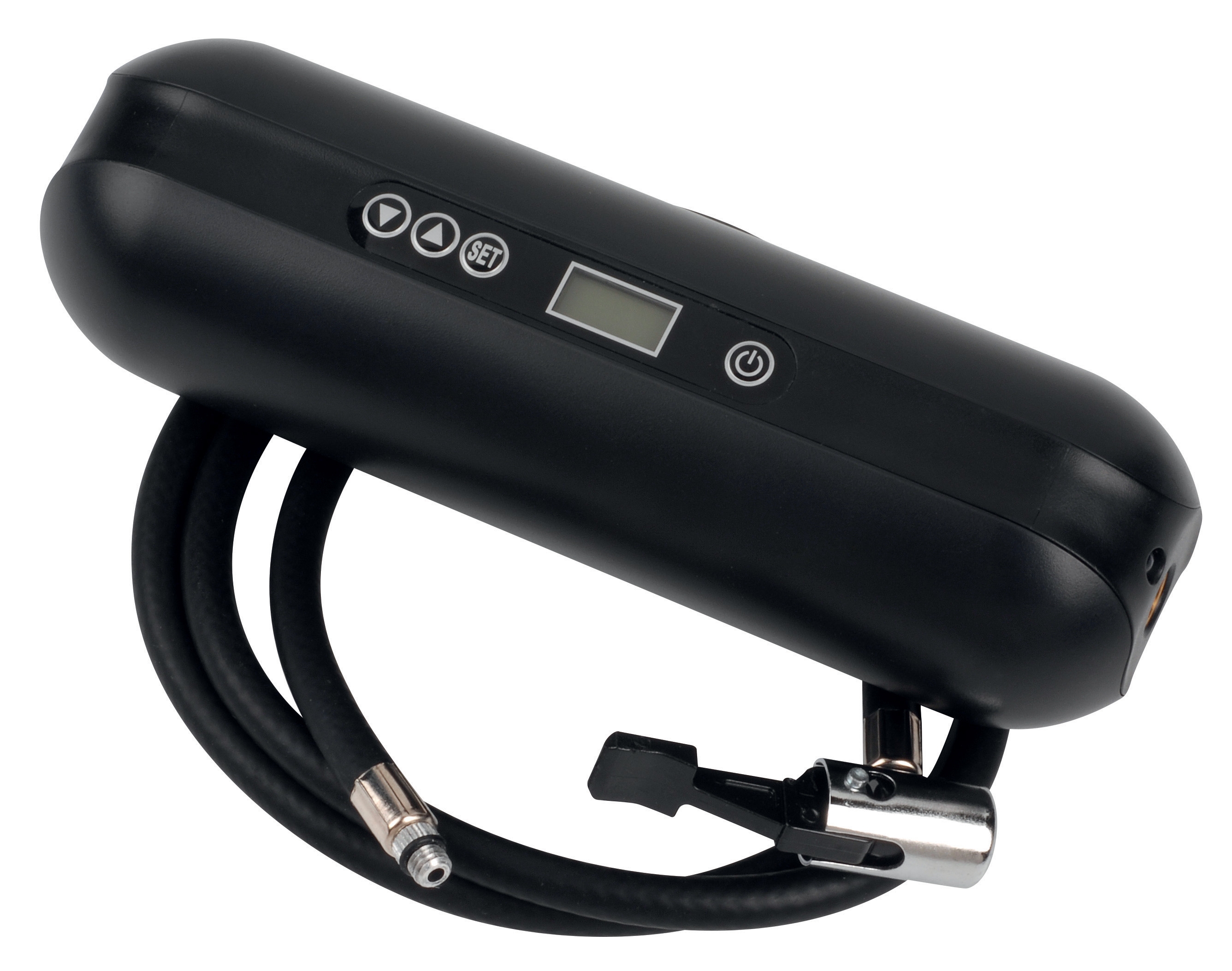
Table of Contentsexpand_more
Understanding Measurement & Detection Protocol Architecture
Measurement & Detection (M&D) protocols form the backbone of industrial monitoring systems, enabling procurement engineers to establish reliable data acquisition and condition assessment frameworks. Unlike individual sensor selection, protocol implementation requires understanding how multiple measurement points integrate into a cohesive monitoring strategy that supports predictive analytics, compliance reporting, and operational decision-making.
3G Electric's 35+ years distributing industrial equipment across Asia-Pacific markets has demonstrated that procurement success depends on aligning M&D protocols with specific operational objectives. In Singapore's regulated industrial environment, this means selecting sensors that meet not only technical specifications but also integration requirements, calibration standards, and audit trail documentation.
Protocol implementation begins with defining measurement objectives. Are you monitoring system performance trending, detecting critical faults, or verifying compliance with energy efficiency standards? Each objective requires different sensor configurations, sampling frequencies, and data retention strategies. A pressure monitoring protocol for HVAC systems, for example, differs fundamentally from a temperature-based predictive maintenance protocol in its signal processing requirements and acceptable measurement lag.
Sensor Selection Framework for Multi-Parameter Monitoring
Effective Measurement & Detection requires selecting sensors that work synergistically within your monitoring ecosystem. Procurement engineers must evaluate three critical dimensions: measurement range and resolution, environmental compatibility, and integration interface standards.
Measurement Range and Resolution Decisions
Sensor selection fails when procurement engineers specify equipment based solely on maximum operating conditions rather than actual measurement distribution. For differential pressure monitoring in HVAC systems, the Dwyer Transmitter 616KD-13V-TC provides 0–1 IN W.C measurement capability with 21 mA maximum power consumption. This low-power design suits networked sensor installations where multiple transmitters operate simultaneously. However, procurement decisions must account for your actual operating pressure profile. If your HVAC systems typically operate between 0.2 and 0.8 IN W.C, concentrating sensor selection on this range improves measurement resolution and reduces noise floor effects.
Temperature measurement presents similar considerations. The Dwyer Probe AVG PT100 OHM RTD L.65 AVG-21241 offers ±0.6% accuracy at 0°C across a -35.5 to +115.5°C operating range. For industrial facilities in Singapore's tropical climate, confirming that your temperature monitoring protocol encompasses ambient conditions (typically 25–35°C), process conditions, and potential alarm setpoints ensures you're not paying for excess measurement range while accepting measurement uncertainty in your critical operating zone.
Environmental Compatibility and Sensor Longevity
Singapore's coastal industrial regions and high-humidity environments create specific challenges for Measurement & Detection equipment. Stainless steel construction becomes essential rather than optional. The Preciman Stainless Steel Vertical Pressure Gauge D63 0/+40Mbar G1/4 features robust construction rated for ±1.6% accuracy in challenging environments. Procurement specifications should mandate stainless steel wetted parts for pressure monitoring in HVAC and low-pressure applications, recognizing that cost differentials of 15–25% provide substantial return through extended service life and reduced calibration intervals.
For expansion tank systems supporting heating and HVAC operations, the CBM Expansion Tank Inflator Battery 2000 mAH integrates Measurement & Detection directly into maintenance workflows. Its -20 to 60°C operating range and multiple pressure unit support (PSI, bar, kPa) accommodate diverse system configurations across regional operations while maintaining pressure accuracy for safety-critical applications.
Integration Architecture: Connecting Measurement Points to Data Systems
Procurement engineers must establish clear requirements for how individual sensors integrate with your facility's control systems, SCADA infrastructure, or cloud-based monitoring platforms. This integration dimension frequently receives insufficient attention during initial procurement, resulting in costly system retrofits or isolated measurement systems that fail to inform operational decisions.
Signal Interface Standardization
The Dwyer Transmitter 616KD-13V-TC operates on low-power 4-20 mA signaling, a standard that ensures compatibility with industrial control systems, data loggers, and building automation platforms throughout Singapore's industrial sector. Procurement specifications should mandate consistent signal interfaces across your Measurement & Detection network. Mixing 4-20 mA, 0-10V, and digital communication protocols creates integration complexity and increases commissioning costs.
Flow measurement in HVAC systems requires specialized sensor designs that account for velocity profile variations across distribution ducts. The Dwyer Metal Average Flow Probe MAFS-16 measures static and total pressure across its 16 cm length, providing reliable flow data through averaging techniques that reduce measurement uncertainty from non-uniform velocity distributions. Procurement decisions for flow measurement should specify probe length based on your ductwork dimensions and acceptable pressure drop limits—typically 0.04–0.08 IN W.C for HVAC applications.
Calibration and Traceability Documentation
Singapore's industrial compliance environment requires documented measurement uncertainty and calibration traceability. Your Measurement & Detection procurement strategy must include provisions for: (1) initial factory calibration certificates traceable to SI standards; (2) periodic recalibration intervals appropriate to each sensor type and duty cycle; (3) documented calibration records maintained for audit purposes.
Procurement engineers should specify calibration intervals during initial equipment selection rather than discovering requirements post-installation. Temperature probes like the Dwyer AVG PT100 typically require annual or biennial recalibration depending on environmental exposure and measurement criticality. Pressure gauges warrant recalibration after mechanical stress or exposure to system overpressure events. Including calibration service agreements during initial procurement reduces long-term total cost of ownership and ensures continuous compliance with measurement standards.
Implementing Protocol Verification and Performance Assurance
Measurement & Detection protocols succeed only through systematic verification that installed sensors deliver expected performance across normal and abnormal operating conditions. Procurement engineers must establish verification procedures before deployment and maintain documentation throughout sensor operational life.
Performance Baseline Establishment
Initial verification compares actual sensor performance against manufacturer specifications under controlled conditions. For differential pressure transmitters, verification includes: (1) zero-point check with no applied pressure; (2) span check at maximum rated pressure; (3) linearity verification at intermediate points (25%, 50%, 75% full scale); (4) response time measurement using step-function pressure application.
Temperature measurement verification employs ice-bath and boiling-water reference points, validating that your PT100 probes maintain specified accuracy. The Dwyer Probe AVG PT100 OHM RTD L.65 AVG-21241 specification of ±0.6% accuracy at 0°C translates to approximately ±1°C measurement tolerance at 150°C—information procurement engineers must communicate to operations teams to prevent over-interpretation of temperature data.
Continuous Performance Monitoring
Drift detection protocols identify sensors degrading toward unacceptable accuracy levels before they generate misleading data. For HVAC pressure monitoring, comparing differential pressure transmitter outputs against redundant measurement points or cross-checking against facility energy consumption models reveals systematic drift. Procurement specifications should mandate redundant sensors for critical measurement points, recognizing that the 20–30% cost differential for sensor duplication provides substantial value through enhanced fault detection.
Procedural verification includes confirming that sensor installations provide representative measurements. Pressure measurement points must locate sufficiently downstream from flow disruptions to avoid turbulence-induced errors. Temperature probes require adequate immersion depth (typically 10–15 cm) and should not be installed in areas prone to stratification. Procurement documentation must specify installation requirements clearly, preventing field deviations that compromise Measurement & Detection protocol integrity.
Documentation and Continuous Improvement
Successful Measurement & Detection implementation generates extensive documentation supporting commissioning verification, operational procedures, and compliance audits. Procurement engineers should establish documentation standards during supplier selection, requiring: (1) detailed installation drawings with measurement point locations; (2) sensor location photographs for future reference; (3) baseline performance verification data; (4) calibration certificates and traceability statements.
With 35+ years supporting industrial operations across Asia-Pacific markets, 3G Electric recognizes that Measurement & Detection success depends on viewing equipment procurement as the beginning of a long-term operational relationship. Establishing supplier partnerships that provide calibration support, technical consultation, and continuous product improvement creates competitive advantage beyond initial equipment costs.
Regular protocol review—annually at minimum—identifies opportunities for enhanced measurement coverage, sensor replacement with improved technology, or protocol adjustments reflecting operational changes. Procurement records documenting initial selections, modification dates, and performance improvements establish institutional knowledge supporting future maintenance planning and capital equipment decisions.
![Airstat Buyer's Guide SG | TAT Broth Media [2026]](https://oxalncjenpflyqfncuhe.supabase.co/storage/v1/object/public/product-assets/grainger/62314438-78dc-4409-9813-a921ea1b50c8.jpg)