Measurement & Detection for Southeast Asian Industrial Plants: Critical Parameter Monitoring in Tropical and High-Humidity Environments
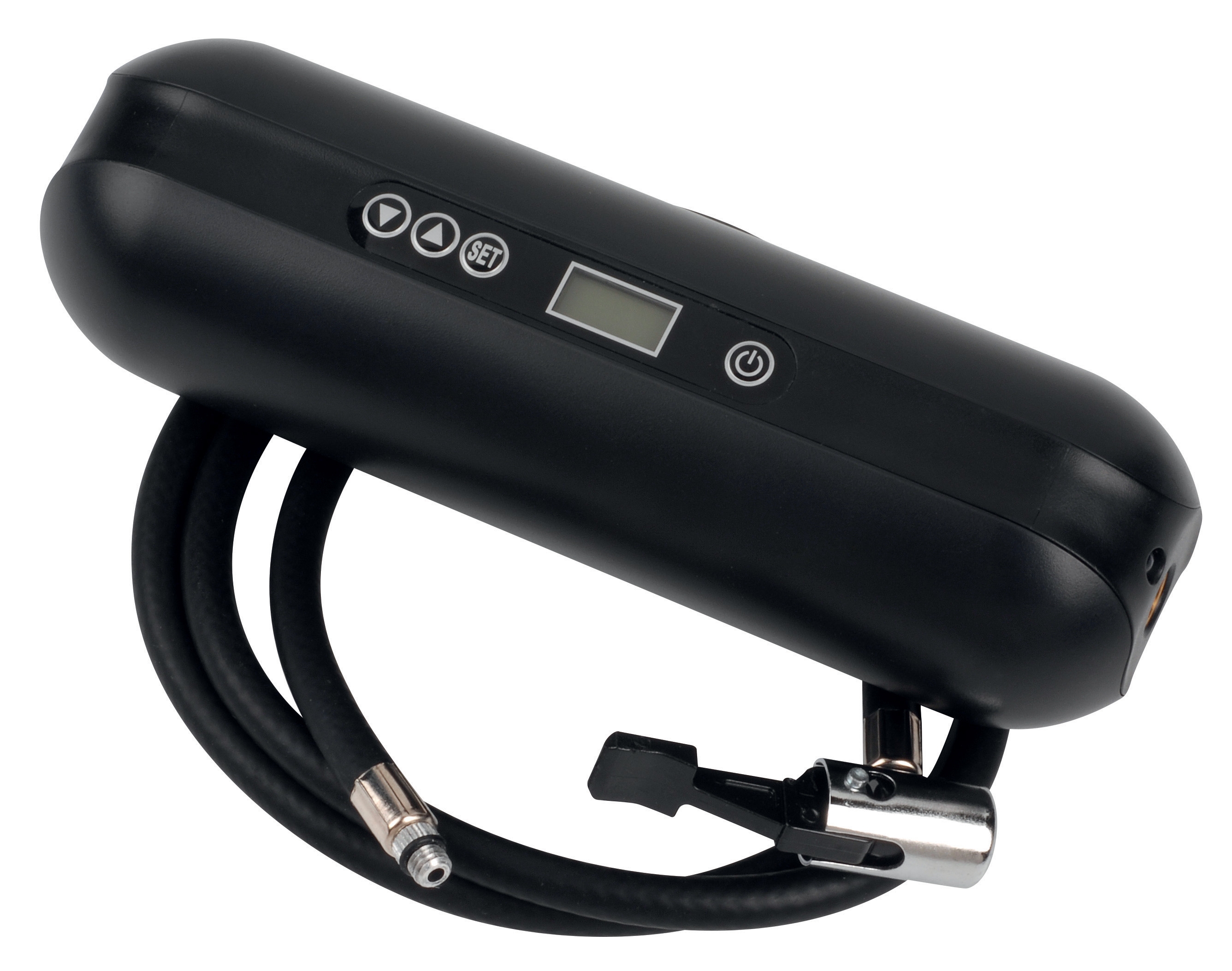
Table of Contentsexpand_more
Understanding Measurement & Detection in Southeast Asian Industrial Contexts
Measurement and Detection systems form the backbone of plant operations, yet Southeast Asian facilities face distinct environmental pressures that differ from global standards. With over 35 years of experience distributing industrial equipment across diverse markets, 3G Electric has observed that plant managers in this region often overlook the environmental factors that directly impact sensor longevity and data accuracy.
Tropical climates introduce three critical challenges: sustained high humidity (frequently 80-95% RH), temperature swings from 22°C to 40°C+ within single days, and corrosive salt-laden air in coastal areas. These conditions accelerate sensor drift, connector corrosion, and battery degradation. Unlike temperate regions where measurement systems operate under relatively stable conditions, Southeast Asian plants must account for aggressive environmental decay in their Measurement & Detection strategy.
The consequences of inadequate monitoring in this context are severe. A single uncalibrated pressure transmitter can lead to HVAC system inefficiency, cascading into 15-20% energy cost increases. Temperature probes exhibiting drift cause heating and cooling mismatches that reduce product quality and equipment lifespan. For plant managers overseeing multi-million-dollar operations, investing in appropriate Measurement & Detection infrastructure becomes a cost-control mechanism rather than an expense line item.
Environmental Adaptation: Selecting Measurement & Detection Equipment for Tropical Conditions
Selection of measurement instruments must account for environmental exposure. The Dwyer Transmitter 616KD-13V-TC exemplifies equipment designed for demanding applications, featuring differential pressure measurement across 0–1 IN W.C with minimal power consumption (21 mA maximum). However, in Southeast Asian deployments, this transmitter's barbed process connections for 3–5 mm tubing demand regular inspection for salt accumulation and moisture ingress at connection points.
For temperature measurement in high-humidity zones, the Dwyer Probe AVG PT100 OHM RTD offers ±0.6% accuracy at 0°C and operational range from -35.5°C to +115.5°C. The flexible copper capillary design proves advantageous in tropical settings because it reduces installation stress points where moisture tends to penetrate. Flange-clip mounting protects the sensor head from direct salt spray exposure—critical in coastal industrial zones throughout Malaysia, Thailand, Vietnam, and the Philippines.
Pressure gauge selection requires particular attention in this region. The Preciman Stainless Steel Vertical Pressure Gauge D63 0/+40Mbar incorporates stainless steel construction rated for low-pressure industrial monitoring with ±1.6% accuracy. The 63mm dial size supports reading from greater distances, reducing operator proximity to equipment in confined spaces. G1/4 connection with copper alloy wetted parts provides inherent corrosion resistance superior to standard brass fittings common in older installations.
For HVAC systems common throughout Southeast Asian commercial facilities, the Dwyer Metal Average Flow Probe MAFS-16 measures static and total pressure across 16 cm probe length, enabling reliable flow measurement despite dust accumulation from external air intake in tropical environments. The metal construction withstands repeated cleaning without sensor degradation.
System pressurization itself demands attention. The CBM Expansion Tank Inflator Battery 2000 mAH supports maintenance of system pressure in expansion tanks serving HVAC and heating applications. Operating across -20°C to 60°C with 10.3 bar maximum pressure rating, this device accommodates rapid temperature changes characteristic of tropical day-night cycles. The 2000 mAH battery capacity ensures technicians complete pressurization tasks without grid dependency—essential in regions experiencing intermittent power supply.
Data Integrity and Calibration Protocols for High-Humidity Environments
Measurement & Detection accuracy deteriorates rapidly without structured calibration protocols adapted to Southeast Asian conditions. Plant managers must implement quarterly calibration cycles—more frequent than global standards recommend—because tropical humidity accelerates sensor drift. Standard annual calibration intervals prove inadequate in this context.
Establish environmental controls within equipment rooms housing transmitters and data loggers. Even modest environmental conditioning—maintaining spaces at 25°C ±5°C and 60-70% relative humidity—extends sensor lifespan by 40-60% compared to uncontrolled ambient exposure. This represents a high-ROI investment: a single high-accuracy transmitter costs $400-800, while environmental protection adds only $2,000-5,000 in annual conditioning expense for typical facilities.
Implement desiccant management protocols in junction boxes and sensor enclosures. Silica gel replacement every 30-45 days during monsoon seasons prevents internal condensation that degrades electrical connections and corrodes sensor electronics. Document replacement dates and condition assessments systematically—this creates accountability and prevents overlooked maintenance cycles.
For pressure measurement systems, establish monthly visual inspections for corrosion at gauge connections and tubing interfaces. Salt accumulation appears as white crystalline deposits; these must be cleaned immediately with fresh water followed by drying. Delayed attention allows electrolytic corrosion that compromises seal integrity and introduces measurement errors within 4-6 weeks.
Temperature probe verification requires particular rigor. Immerse PT100 RTD probes in ice water (0°C reference) monthly to verify ±0.6% accuracy specification. Drift exceeding ±1°C necessitates immediate recalibration or replacement. Many plant managers skip this verification, accepting slowly degrading data—a false economy that compromises control system decisions.
Integration with Predictive Maintenance and Operational Resilience
Measurement & Detection data transforms from compliance documentation into operational intelligence when integrated with predictive maintenance frameworks. Southeast Asian plant managers operating under pressure to minimize unscheduled downtime gain significant advantage by treating sensor data as early warning systems rather than simple parameter monitoring.
Establish trending baselines for each critical measurement point. Record daily pressure readings, temperature profiles, and flow measurements for 60-90 days to establish normal operating envelopes accounting for seasonal variations. This baseline becomes the reference against which anomalies register. A 2-3 mbar pressure increase over two weeks might indicate incipient compressor degradation; 1-2°C temperature rise across a heat exchanger signals fouling. Without baseline context, such changes disappear into noise.
Implement tiered alerting thresholds. First-level alerts (yellow flags) trigger data review; second-level alerts (orange flags) prompt technician investigation; third-level alerts (red flags) mandate immediate intervention. This structure prevents alert fatigue that leads plant managers to ignore notifications. Define thresholds collaboratively with operations teams based on historical data and equipment manufacturer specifications.
Document measurement uncertainty budgets for each critical parameter. When a temperature transmitter reads 35°C in a space nominally at 30°C, understanding whether this reflects actual temperature rise or sensor uncertainty prevents false decisions. Uncertainty budgets, calculated from sensor accuracy specifications plus environmental degradation factors, ensure data interpretation accounts for realistic confidence intervals.
Utilize Measurement & Detection data to validate control system logic. If pressure transmitters consistently read higher than setpoints suggest should be possible, this indicates either sensor drift or control algorithm failure. Periodic comparison of multiple sensors measuring identical parameters reveals consistency and exposes outliers requiring replacement.
For Southeast Asian facilities with seasonal monsoon variations, establish separate control parameters for wet season (May-October) and dry season (November-April) operations. Humidity-driven changes in air properties, equipment performance, and sensor behavior justify adaptive operational strategies. Static setpoints optimized for annual averages typically underperform during extreme seasonal conditions.
Best Practices for Regional Equipment Management
Partnering with established distributors like 3G Electric provides access to equipment specifically validated for Southeast Asian conditions. Our 35+ years of experience sourcing and supporting industrial equipment across regional markets ensures supplied instruments have proven field performance in high-humidity, tropical environments.
Maintain adequate spare inventory of critical sensors. A failed pressure transmitter, temperature probe, or flow measurement device can halt operations or force decisions based on incomplete data. Stocking two backup units of each critical measurement device—representing approximately $800-1,500 for typical plants—prevents costly downtime cascades.
Train maintenance teams specifically on tropical climate sensor management. Generic equipment training proves insufficient; technicians need region-specific protocols for humidity management, salt-corrosion prevention, and accelerated calibration cycles. Allocate 16-24 hours annual training per technician focused on measurement system integrity.
Establish relationships with local calibration services capable of humidity chamber testing. Global calibration firms often lack experience with tropical degradation patterns. Regional providers understand environmental stress mechanisms and can recommend preventive measures beyond standard calibration.
Document equipment installation dates, calibration history, and environmental exposure for every measurement device. This traceability enables data confidence assessment and justifies replacement decisions. Equipment deployed during high-salt seasons may warrant more frequent replacement than equipment in sheltered locations.
Practical Implementation Roadmap for Plant Managers
Begin Measurement & Detection system optimization by conducting comprehensive audit of existing sensors and transmitters. Identify installation dates, last calibration records, and environmental exposure classification (harsh/moderate/sheltered). This establishes baseline condition and prioritization framework.
Select critical parameters demanding immediate attention: typically compressor discharge pressure, chilled water temperature at key points, and system flow rates. Ensure these parameters employ equipment rated for tropical service with verification that instruments match harsh-environment specifications.
Implement environmental protection for measurement device locations: climate-controlled enclosures, desiccant management, and cable entry seals. This single investment—typically $5,000-15,000 depending on facility size—delivers disproportionate reliability improvements.
Establish 60-day data trending baseline before implementing any control logic changes. This prevents false adjustments based on incomplete understanding of normal operating variation.
Schedule quarterly calibration review cycles with documented comparison against established baselines. Flag any sensor showing drift exceeding 50% of specified accuracy limits for immediate investigation or replacement.
Conduct quarterly team meetings reviewing Measurement & Detection performance, calibration findings, and operational insights. This creates organizational awareness that measurement system integrity directly impacts plant efficiency and reliability.
![Airstat Buyer's Guide SG | TAT Broth Media [2026]](https://oxalncjenpflyqfncuhe.supabase.co/storage/v1/object/public/product-assets/grainger/62314438-78dc-4409-9813-a921ea1b50c8.jpg)