Measurement & Detection for Supply Chain Optimization: Selecting and Managing Instrumentation in Singapore's Industrial Supply Networks
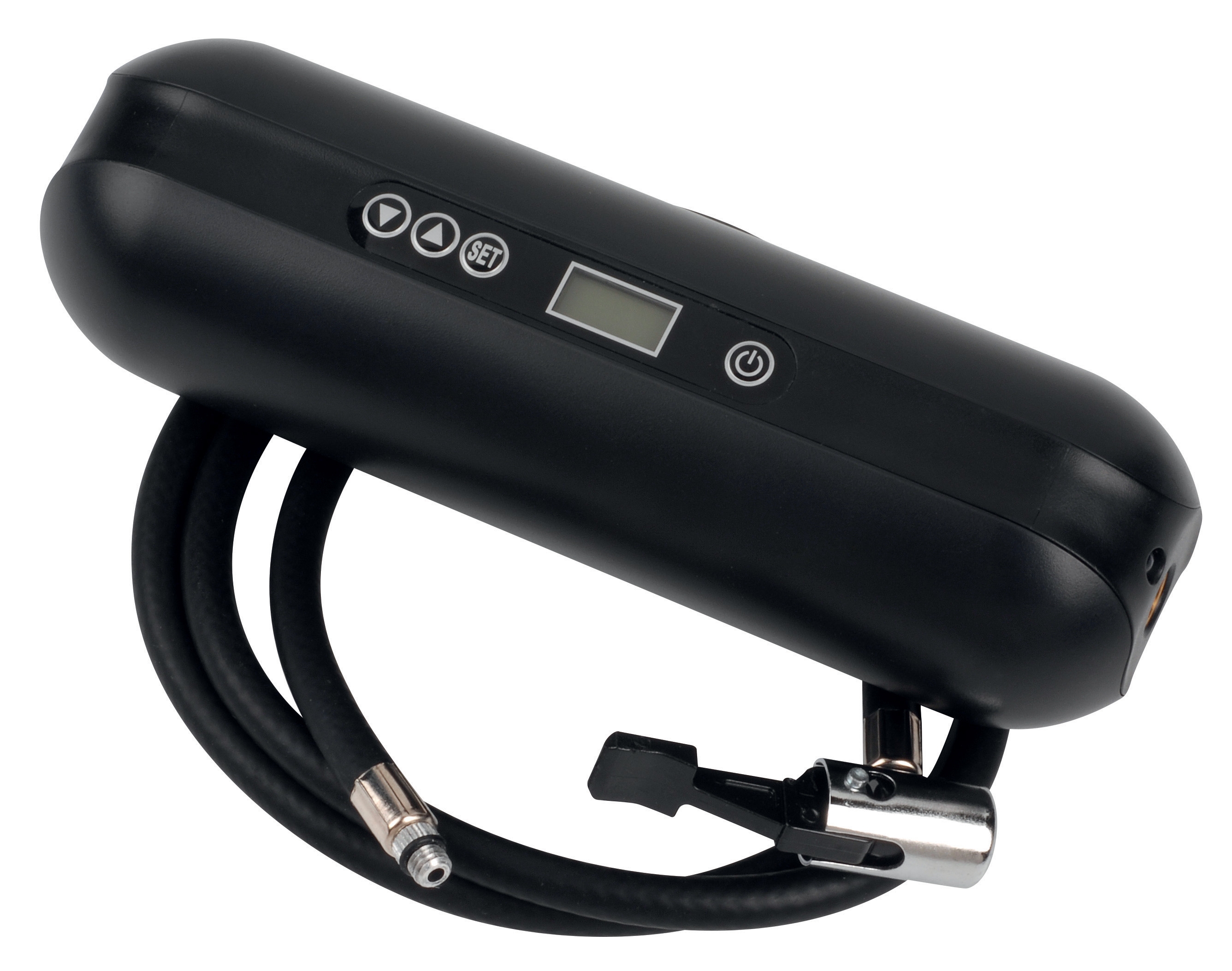
Table of Contentsexpand_more
Understanding Measurement & Detection in Procurement Strategy
Measurement & Detection devices are often treated as commodity items in industrial procurement, yet they represent one of the highest-ROI investments procurement engineers can make. Unlike capital equipment purchases, measurement instruments directly influence operational visibility, predictive capabilities, and supply chain responsiveness. For procurement teams working across Singapore's dynamic industrial sector, understanding how to evaluate and specify these tools separates effective cost management from penny-wise, pound-foolish procurement.
With over 35 years of experience distributing industrial equipment across Asia-Pacific markets, 3G Electric has observed that procurement engineers who treat measurement & detection as strategic components—rather than reactive purchases—achieve significantly better outcomes in equipment uptime, maintenance planning, and inventory management. The difference often comes down to four critical factors: specification accuracy, supplier reliability, standardization across operations, and lifecycle cost analysis.
Section 1: Specification and Selection Criteria for Measurement Instruments
Establishing Your Measurement Requirements
Before engaging suppliers, procurement engineers must establish clear measurement requirements tied to operational outcomes. This begins with understanding what you're actually measuring and why. Are you monitoring differential pressure to optimize HVAC system efficiency? Tracking temperature variations to prevent thermal stress? Measuring pressure in expansion systems to prevent catastrophic failure?
For differential pressure applications, the Dwyer Transmitter 616KD-13V-TC represents a typical procurement decision point. This instrument measures 0–1 IN W.C with 21 mA maximum power consumption and features barbed process connections for 3–5 mm tubing. From a procurement perspective, the value proposition includes:
- Standardized connectivity: Barbed connections reduce installation complexity and training requirements across maintenance teams
- Low power consumption: Critical for remote monitoring installations and battery-powered systems
- Proven industrial compatibility: Dwyer's established presence in HVAC and industrial applications means readily available spare parts and technical support across Singapore and the region
When specifying pressure measurement devices like the Preciman Stainless Steel Vertical Pressure Gauge D63, procurement engineers should evaluate accuracy tolerances against actual operational needs. The ±1.6% accuracy specification sounds precise, but consider whether your process control actually requires that level of accuracy or whether ±2.5% would satisfy operational requirements while offering cost savings with alternative suppliers.
Temperature Measurement Integration
Temperature monitoring is equally critical, yet temperature probe selection is frequently rushed. The Dwyer PT100 OHM RTD Temperature Probe operates from -35.5 to +115.5°C with ±0.6% accuracy and flexible copper capillary construction. From a procurement standpoint, PT100 RTD technology offers critical advantages:
- Industry standardization: PT100 resistance thermometers are universally supported by process control systems, reducing integration risks
- Repeatability: The standardized resistance curve ensures temperature readings remain consistent across multiple instruments from different production batches
- Durability: Copper capillaries and industrial construction mean longer service life and lower replacement frequency
Procurement engineers should specify PT100 probes when system integration cost and lifecycle reliability outweigh higher initial costs of alternative temperature technologies.
Section 2: Standardization and Supply Chain Integration
Building a Measurement Instrument Standard Catalog
One of the most underutilized procurement strategies involves establishing a standard instrument catalog specific to your operations. Rather than allowing individual sites or maintenance teams to specify instruments ad-hoc, procurement engineers should define approved instruments for common applications.
For example, if your operations include multiple HVAC systems, standardizing on a single differential pressure transmitter model across all facilities creates multiple benefits:
- Reduced inventory complexity: Fewer SKUs to stock, lower safety stock levels
- Bulk purchasing power: Volume commitments enable better pricing from distributors
- Training efficiency: Maintenance teams master one instrument type rather than learning multiple models
- Spare parts availability: Concentrated demand ensures critical spares remain available from distributors
The Dwyer Metal Average Flow Probe MAFS-16 illustrates this standardization principle. Rather than specifying different flow measurement approaches across HVAC systems, a standardized metal average flow probe provides consistent measurement methodology, simplifies procurement, and enables meaningful baseline comparisons across facilities.
Managing Supplier Relationships for Measurement Instruments
Unlike commodity components, measurement instruments benefit from sustained supplier relationships. A distributor like 3G Electric with 35+ years in industrial equipment supply understands equipment ecosystem compatibility, can provide technical guidance on specification, and maintains inventory depth critical for maintenance operations.
Procurement engineers should establish long-term supply relationships with qualified distributors, defined by:
- Technical expertise: Does the distributor understand your industry and applications beyond simple transactional sales?
- Inventory depth: Can they supply replacement instruments within hours or days, not weeks?
- Application support: Do they provide installation guidance, commissioning support, or training?
- Quality consistency: Do they test instruments before shipment and guarantee specification compliance?
For expansion tank applications requiring the CBM Expansion Tank Inflator Battery 2000 mAH, supplier reliability becomes operationally critical. This 2000 mAH inflator rated to 10.3 bar operates across -20 to 60°C and supports multiple pressure units. A supplier relationship that ensures consistent availability prevents situations where expansion tank maintenance delays cascade into system shutdowns.
Section 3: Lifecycle Cost Analysis and Total Cost of Ownership
Beyond Purchase Price
Procurement engineers frequently optimize for lowest purchase price when selecting measurement instruments, yet total cost of ownership typically reveals different economic realities. Consider these lifecycle cost factors:
Calibration and Verification: Most industrial measurement instruments require periodic calibration to maintain accuracy within specification. Annual calibration costs can equal 20-40% of initial instrument cost over a five-year lifecycle. Instruments with industry-standard calibration services (such as PT100 RTD probes with calibration readily available throughout Singapore's industrial ecosystem) carry lower lifecycle costs than proprietary instruments with limited calibration support.
Installation Complexity: A differential pressure transmitter requiring threaded pipe connections and custom adapter fittings generates higher installation labor costs than models featuring standard barbed connections. This distinction might represent $200-500 per installation across multiple systems.
Spare Parts Availability: Standardized instruments like the Dwyer product line maintain consistent spare parts availability through established distributors. Proprietary or end-of-life instruments may require emergency air-freight procurement when failures occur, adding $500-2000 in expedite costs that could have been prevented through initial specification of standardized components.
Training Requirements: Maintenance teams require training on measurement instrument operation, troubleshooting, and integration with process control systems. Standardized instruments across your operations reduce overall training investment; specialty instruments used in single locations multiply per-unit training costs.
Calculating Meaningful Procurement Metrics
Beyond traditional cost-per-unit analysis, procurement engineers should track measurement instrument performance through operational metrics:
- Mean Time Between Calibration: How frequently does each instrument type require recalibration? Higher frequency increases ownership cost
- Installation Cost per Unit: Labor hours required for installation, including required fittings and adapters
- Spare Parts Lead Time: Average days to receive replacement instruments when primary units fail
- Maintenance Team Training Hours per Unit Type: Total hours required to train technicians on operation and troubleshooting
These metrics reveal true cost drivers often obscured in straightforward purchase-price comparisons.
Section 4: Integration with Predictive Maintenance and Operational Intelligence
Using Measurement Data for Strategic Advantage
Measurement instruments generate operational data that extends far beyond simple parameter monitoring. Procurement engineers should view measurement systems as components of broader predictive maintenance and operational intelligence strategies.
Temperature and pressure data collected through standardized instruments like the PT100 RTD probes and pressure gauges create baseline conditions for each equipment asset. Over time, deviations from normal operating parameters signal equipment degradation before failure occurs. This capability transforms maintenance from reactive (fixing broken equipment) to predictive (replacing components approaching end-of-life).
From a procurement perspective, this shift requires:
- Standardized measurement points: Equipment of the same type at different locations should have measurement instruments at identical points, enabling meaningful data comparison
- Consistent calibration schedules: All instruments of a specific type should be calibrated on the same schedule, ensuring data reliability for trend analysis
- Digital integration capability: Measurement instruments should integrate with existing monitoring systems; avoid proprietary instruments lacking standard communication protocols
For HVAC and heating systems specifically, the combination of differential pressure monitoring (via instruments like the Dwyer transmitter) and temperature tracking (via PT100 probes) creates sufficient operational data to identify developing issues before they impact facility operations.
Building Measurement Redundancy into Procurement Strategy
Critical measurement points should incorporate instrument redundancy—particularly in applications where measurement failure creates significant operational or safety risk. Expansion tank systems, for example, benefit from dual pressure monitoring to ensure accurate pressure readings despite individual instrument failure.
Procurement engineers should identify critical measurement points where instrument failure creates disproportionate operational impact, then justify redundant measurement through total cost of ownership analysis. The cost of dual pressure gauges or transmitters is frequently less than the cost of unplanned downtime resulting from single-instrument failure and undetected system degradation.
Practical Implementation Checklist for Procurement Engineers
- Step 1: Document all critical measurement points across your operations (pressure, temperature, flow, differential pressure)
- Step 2: Evaluate current instruments for standardization opportunities—can 80% of measurements use standardized instruments?
- Step 3: Request datasheets and specification sheets from your primary distributor for candidate instruments
- Step 4: Calculate total cost of ownership for top candidates, including installation, calibration, spare parts, and training costs
- Step 5: Pilot standardized instruments at 2-3 facilities before organization-wide rollout
- Step 6: Establish spare parts inventory levels and calibration schedules for standardized instruments
- Step 7: Integrate measurement data with existing monitoring systems or predictive maintenance platforms
- Step 8: Review supplier performance quarterly, evaluating availability, quality, and technical support
Conclusion
Measurement & Detection instruments represent strategic procurement decisions with far-reaching implications for operational reliability, maintenance effectiveness, and total cost of ownership. Procurement engineers who approach measurement instrument selection with systematic specification, standardization, and lifecycle cost analysis—rather than reactive purchasing—create significant competitive advantage through improved equipment visibility, reduced downtime, and optimized maintenance spending.
With 3G Electric's 35+ years distributing industrial equipment across Asia-Pacific markets, we understand the specific measurement and detection challenges facing procurement engineers in Singapore's industrial sector. Whether your operations require differential pressure monitoring, temperature measurement, flow tracking, or pressure verification, partnering with a distributor offering both technical expertise and reliable supply becomes essential to procurement success.
![Airstat Buyer's Guide SG | TAT Broth Media [2026]](https://oxalncjenpflyqfncuhe.supabase.co/storage/v1/object/public/product-assets/grainger/62314438-78dc-4409-9813-a921ea1b50c8.jpg)