Measurement & Detection Equipment: Optimizing System Diagnostics for Singapore Maintenance Teams
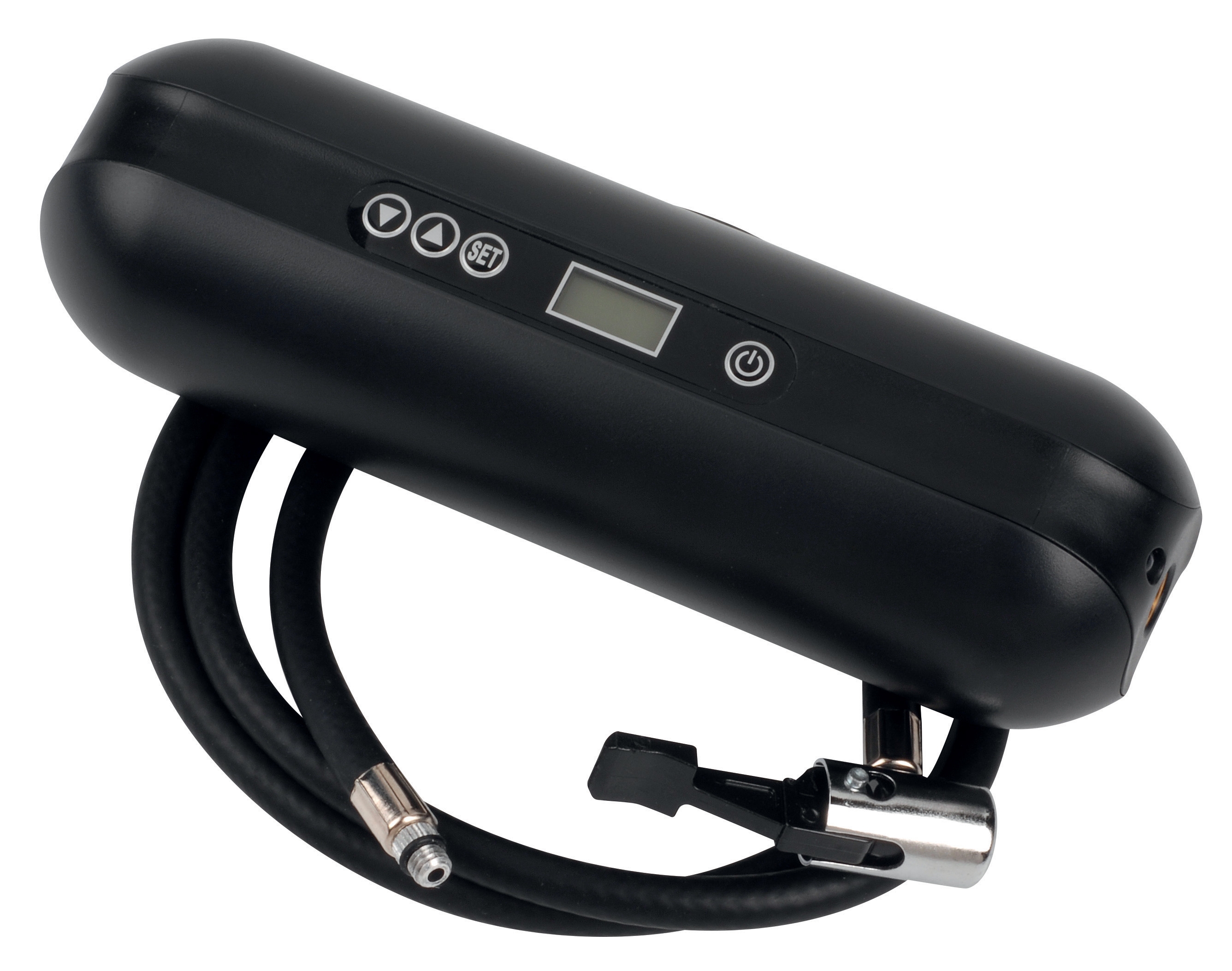
Table of Contentsexpand_more
Understanding Measurement & Detection Requirements for Singapore's Industrial Environment
Singapore's tropical climate presents unique challenges for maintenance teams. High humidity, temperature fluctuations, and continuous operation demands mean that Measurement & Detection systems must perform reliably under stress. With over 35 years of experience supplying industrial equipment across Asia-Pacific, 3G Electric has seen firsthand how the right diagnostic tools prevent catastrophic failures before they occur.
The key to effective preventive maintenance lies in selecting Measurement & Detection instruments that match your specific operational needs. Whether you're monitoring HVAC systems, pressure vessels, or thermal processes, each measurement parameter tells a story about equipment health. This article compares five critical instruments that maintenance teams use daily to diagnose problems, track performance, and make data-driven decisions about asset management.
Pressure Monitoring: From Gauge-Based Detection to Transmitter-Enabled Systems
Pressure measurement represents one of the most fundamental aspects of industrial Measurement & Detection. However, not all pressure instruments provide equal value to maintenance teams. Understanding the differences between analog gauges and electronic transmitters helps you choose tools that fit your workflow.
The Preciman Stainless Steel Vertical Pressure Gauge D63 0/+40Mbar G1/4 serves as an entry-level Measurement & Detection solution for low-pressure applications. With a 63mm dial and ±1.6% accuracy across the 0–40 mbar range, this gauge offers straightforward visual monitoring. The stainless steel construction handles Singapore's corrosive maritime environment, while the G1/4 connection suits most HVAC and thermal system installations. For maintenance teams requiring periodic visual checks, this gauge provides reliable, cost-effective detection without electrical complexity.
However, when your maintenance strategy demands continuous monitoring and remote data collection, the Dwyer Transmitter 616KD-13V-TC becomes invaluable. This differential pressure transmitter measures 0–1 IN W.C with just 21 mA maximum power consumption, making it ideal for monitoring small pressure differences in HVAC distribution networks. Unlike passive gauges, the 616KD-13V-TC integrates with building automation systems (BAS) or data loggers, enabling maintenance teams to track pressure trends over time and detect gradual system degradation. The barbed process connections accept standard 3–5 mm tubing, simplifying retrofit installations in existing systems.
The decision between these two approaches reflects a fundamental maintenance philosophy. Analog gauges suit reactive maintenance schedules where technicians visit equipment on fixed intervals. Electronic transmitters enable condition-based monitoring, where maintenance actions trigger only when actual measurements indicate problems. For facilities managing multiple systems, transmitters reduce manual inspection time and improve response speed to anomalies.
Temperature Detection: Matching Probe Design to Application Requirements
Temperature represents a critical Measurement & Detection parameter often overlooked until problems emerge. The Dwyer Probe AVG PT100 OHM RTD L.65 AVG-21241 exemplifies how modern temperature sensing balances accuracy with practical field deployment.
This PT100 resistance temperature detector (RTD) delivers ±0.6% accuracy at 0°C across the -35.5 to +115.5°C operating range, covering most industrial heating and cooling applications in Singapore. The flexible copper capillary design allows installation in tight spaces where rigid probes won't fit—a critical advantage in densely packed plant rooms common in Singapore's constrained commercial buildings. The flange-clip mounting provides secure positioning without requiring specialized fittings.
For maintenance teams, RTD probes like this offer superior stability compared to thermocouples. While thermocouples respond faster to temperature changes, RTDs provide better long-term accuracy for continuous monitoring applications. In Singapore's humid environment, the copper capillary's corrosion resistance matters significantly. Unlike stainless steel sheaths that can suffer stress corrosion cracking under tropical conditions, copper capillary designs prove more durable for extended deployments.
The practical value emerges when diagnosing thermal system issues. Maintenance teams use temperature Measurement & Detection to verify heat exchanger performance, confirm circulation pump operation, and detect insulation failures. A single properly positioned RTD probe often reveals problems that would otherwise require expensive system testing or cause unexpected shutdowns.
Flow Measurement: Detecting Distribution System Problems Through Velocity Analysis
Flow measurement represents one of the more challenging Measurement & Detection applications because it requires understanding system design alongside instrument selection. The Dwyer Metal Average Flow Probe MAFS-16 demonstrates how flow detection fits into comprehensive system diagnostics.
This metal average flow probe measures static and total pressure across a 16 cm probe length, enabling maintenance teams to assess air velocity in HVAC distribution systems without removing ducting or disrupting operation. In Singapore's commercial buildings with complex zoned HVAC systems, flow measurement detection often reveals distribution imbalances responsible for thermal comfort complaints and energy waste.
Maintenance teams deploy average flow probes to diagnose several critical conditions: restricted filters causing high static pressure, ductwork collapses reducing velocity, or balancing damper misadjustments sending flow to wrong zones. By measuring at multiple points along a duct, technicians map system performance and identify corrective actions. Unlike thermometers alone, flow Measurement & Detection reveals whether systems operate as designed.
The MAFS-16's 16 cm length suits most commercial ductwork, though larger industrial ducts may require longer probes. The metal construction handles temperature and humidity extremes without corrosion, essential for equipment exposed to rooftop or non-conditioned spaces in tropical climates.
System Preparation and Maintenance: Integration with Diagnostic Workflows
Accurate Measurement & Detection depends on proper system condition. The CBM Expansion Tank Inflator Battery 2000 mAH serves an often-overlooked but critical function in maintaining measurement accuracy for pressure-based detection systems.
Expansion tanks in heating and chilled water systems require correct pressurization to function properly. Undercharged tanks force excessive pump work, elevating baseline pressure readings and masking the very problems your Measurement & Detection instruments should reveal. The CBM inflator with 2000 mAH battery capacity and 10.3 bar maximum rating allows maintenance teams to verify and adjust tank pressurization without truck-mounted compressors. The battery operation suits fieldwork where electrical connections aren't available, common in Singapore's multi-floor commercial complexes.
Operating across -20 to 60°C with support for multiple pressure units (bar, PSI, etc.), this device enables consistent pressure system setup regardless of seasonal variations. Proper tank pressurization ensures that your differential pressure transmitters, gauges, and flow probes all receive accurate baseline readings. Without this preparation step, even premium Measurement & Detection instruments yield misleading data.
Building an Integrated Measurement & Detection Strategy
Successful maintenance teams integrate multiple measurement parameters into cohesive diagnostic workflows. Rather than viewing each instrument independently, consider how pressure detection informs flow diagnosis, how temperature trends correlate with pressure changes, and how proper system preparation (tank pressurization) ensures reliable readings from all tools.
For Singapore facilities, prioritize instruments with corrosion-resistant materials and wide temperature operating ranges. The tropical climate's humidity and temperature swings demand equipment that maintains accuracy under stress. Electronic transmitters prove especially valuable where multiple systems require simultaneous monitoring and where building automation systems can trigger alerts.
Start with pressure and temperature Measurement & Detection since these parameters reveal problems in most industrial systems. Add flow detection when thermal comfort or distribution efficiency becomes problematic. Use analog gauges for quick visual checks and electronic transmitters for integrated monitoring strategies.
With 35+ years supporting industrial operations across Asia-Pacific, 3G Electric understands how maintenance teams in Singapore balance immediate troubleshooting needs against long-term reliability investments. Our equipment selection reflects practical field experience, not theoretical specifications. Whether you require traditional analog instrumentation or modern transmitter-based systems, your diagnostic toolkit should match your facility's specific challenges and your team's operational workflow.
![Airstat Buyer's Guide SG | TAT Broth Media [2026]](https://oxalncjenpflyqfncuhe.supabase.co/storage/v1/object/public/product-assets/grainger/62314438-78dc-4409-9813-a921ea1b50c8.jpg)