Measurement & Detection in Thermal Diagnostics: Temperature Sensing Strategies for Industrial System Optimization in Singapore
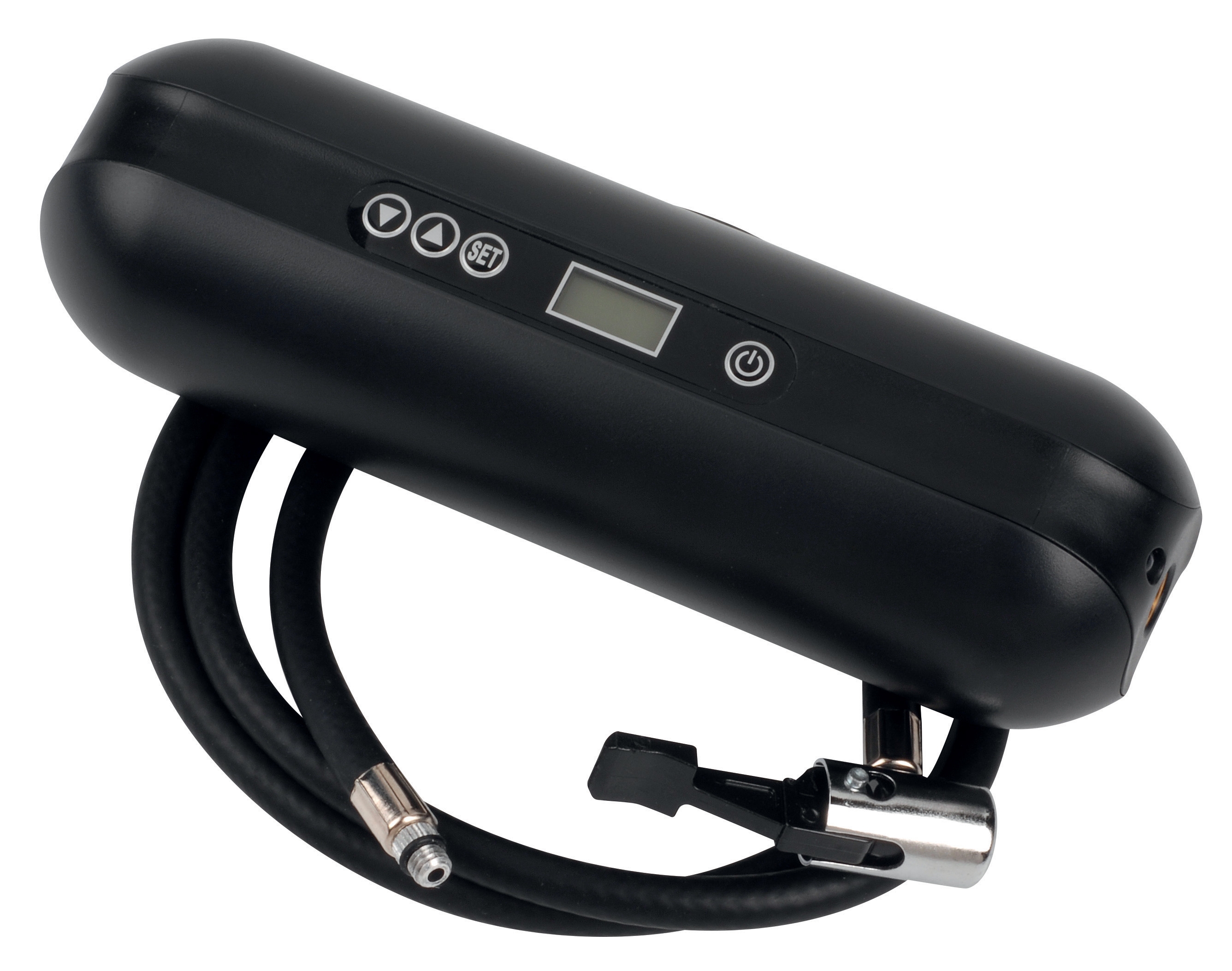
Table of Contentsexpand_more
Understanding Measurement & Detection in Thermal Applications
Measurement & Detection systems focused on temperature monitoring form the backbone of predictive maintenance in modern industrial facilities. Unlike static pressure gauges or one-time voltage checks, thermal diagnostics provide continuous insight into system behavior, revealing hidden inefficiencies before they escalate into costly failures.
For industrial professionals managing HVAC systems, process heating, or refrigeration circuits, accurate temperature sensing is non-negotiable. The challenge isn't just measuring temperature—it's capturing data from multiple points simultaneously, understanding sensor accuracy tolerances, and translating raw readings into actionable maintenance decisions. 3G Electric has supported Singapore's industrial sector for over 35 years, helping maintenance teams and procurement engineers select measurement instruments that balance accuracy, durability, and cost-effectiveness in tropical and humid operating conditions.
Thermal measurement serves three critical functions: equipment protection (preventing overheating), performance optimization (detecting heat loss or thermal imbalance), and compliance verification (ensuring systems operate within manufacturer specifications). Understanding these applications helps you specify the right sensors for your facility.
Selecting the Right Temperature Probes for Industrial Environments
RTD Probes vs. Thermocouples: Practical Selection Criteria
Resistance Temperature Detectors (RTDs) and thermocouples represent the two dominant technologies for industrial temperature measurement. RTDs, such as the Dwyer PT100 OHM RTD Temperature Probe, offer superior accuracy and stability, making them ideal for applications requiring precise control loops or energy billing calculations.
RTD Advantages:
- Accuracy of ±0.6% at 0°C (compared to ±1% or worse for thermocouples)
- Superior linearity across wide temperature ranges (-35.5 to +115.5°C in the Dwyer model)
- Minimal drift over time, critical for long-term monitoring
- Excellent repeatability for data logging and trending
Thermocouples, while less accurate, excel in applications with extreme temperature swings, rapid response requirements, or where cost is the primary constraint. For Singapore's industrial base—dominated by manufacturing, food processing, and data center cooling—RTDs typically represent the better investment because they minimize false alarms and reduce maintenance overhead.
Installation Geometry and Response Time
Probe design directly impacts measurement reliability. The Dwyer PT100 OHM RTD features a flexible copper capillary design with flange mounting, allowing installation in confined spaces without structural modification. This flexibility is invaluable in retrofitting existing systems or integrating sensors into dense piping arrangements.
Installation best practices:
- Position RTD probes perpendicular to flow direction (90° insertion) for optimal response time
- Ensure minimum immersion depth of 50mm in thermal wells to avoid surface temperature artifacts
- Locate probes away from heat sources (pump motors, hot pipes) that don't represent the bulk fluid temperature
- In HVAC applications, place sensors at duct centerlines where air velocity is representative
- Verify probe sheathing material matches your fluid (stainless steel for corrosive or food-grade applications)
Response time—the time required for a probe to detect 63% of a temperature change—typically ranges from 3 to 15 seconds depending on probe diameter and fluid velocity. Slower response times aren't necessarily problematic; they filter out transient spikes and provide more stable control signals. However, for dynamic troubleshooting (such as identifying rapid temperature swings in heating systems), faster-responding probes justify the investment.
Integrating Temperature Measurement with Pressure and Flow Detection
Multi-Parameter Diagnostic Workflows
Temperature measurement gains diagnostic power when paired with complementary measurement instruments. A complete thermal diagnostics approach combines three sensor types:
1. Temperature sensing (RTD probes) - identifies thermal imbalance and equipment stress
2. Pressure measurement - detects blockages, pump inefficiency, or thermal expansion issues
3. Flow measurement - confirms actual circulation against design specifications
Consider a scenario common in Singapore's HVAC sector: an office building's chiller system shows elevated discharge temperatures (35°C instead of design 30°C). A temperature probe alone indicates a problem but not its cause. Adding a differential pressure transmitter like the Dwyer Transmitter 616KD-13V-TC reveals whether pressure drop across the condenser has increased (indicating fouling) or remains normal (suggesting compressor degradation). A flow probe such as the Dwyer Metal Average Flow Probe MAFS-16 confirms whether reduced flow or actual heat rejection failure drives the temperature rise.
This integrated approach transforms reactive troubleshooting into systematic diagnostics. Instead of replacing components based on symptoms, maintenance teams isolate root causes and prioritize interventions by cost and risk.
Data Acquisition and Trending
Modern measurement instruments output 4-20 mA signals compatible with Building Management Systems (BMS), Programmable Logic Controllers (PLCs), and industrial data loggers. The Dwyer transmitter operates at maximum 21 mA power consumption, making it suitable for long-distance cable runs (up to 300 meters) without signal degradation.
Establish trending practices:
- Record baseline temperatures under known-good conditions (typically supplier commissioning reports)
- Set alarm thresholds 5-10°C beyond normal operating range to avoid nuisance alerts
- Review daily temperature logs for gradual drift (indicating fouling or wear)
- Compare temperatures across parallel systems to detect outliers
- Archive monthly summary data for year-over-year seasonal comparison
In Singapore's 24°C average ambient temperature, thermal performance is remarkably consistent. Unexplained temperature deviations signal equipment degradation sooner than in temperate climates where seasonal variation masks trends.
Expansion Tank Pressure and Thermal Expansion Measurement
Closed-Loop System Pressure Management
Heated or chilled water systems rely on expansion tanks to absorb thermal expansion without pressurizing the circuit. Incorrect expansion tank precharge leads to either insufficient volume (overpressure) or excessive volume (cavitation and pump damage). The CBM Expansion Tank Inflator Battery 2000 mAH enables on-site precharge verification and adjustment without system shutdown.
Thermal expansion basics:
- Water expands approximately 0.3% per 10°C temperature increase
- A 10,000-liter system heated from 20°C to 60°C generates ~1,200 liters of expansion
- Undersized or depleted expansion tanks force pressure relief valve activation, bleeding fluid and requiring makeup water addition
- Overpressurized systems risk pump seal failure and accelerated corrosion
The CBM inflator's 10.3 bar maximum rating suits low-pressure HVAC systems (typical operating pressure 2-3 bar). Its 2000 mAH battery capacity enables 15-20 full charge cycles before recharge, and operation across -20 to +60°C makes it serviceable year-round, including routine maintenance in unconditioned mechanical rooms.
Pressure Gauge Selection and Monitoring
The Preciman Stainless Steel Vertical Pressure Gauge D63 0/+40 mbar serves low-pressure HVAC applications with ±1.6% accuracy, suitable for expansion tank monitoring and duct pressure measurement. Its 63mm dial provides easy readability even in poor lighting, and the stainless steel body withstands humidity without corrosion—critical in Singapore's tropical environment.
Install pressure gauges at:
- Expansion tank isolation ball valves (allows tank pressure verification without system operation)
- System supply and return headers (identifies circulation resistance)
- Differential pressure across filters, coils, and heat exchangers (detects fouling in real time)
For digital logging, replace analog gauges with 4-20 mA transmitters that integrate with building automation. However, analog gauges should remain as a fail-safe verification tool—BMS software errors or network failures cannot cause false diagnostics when a mechanical gauge is visible and functional.
Practical Implementation for Singapore Industrial Facilities
Tropical Environment Considerations
Singapore's climate presents unique challenges for measurement instruments. High humidity (typically 70-90%) accelerates corrosion of unsealed connectors and creates condensation inside junction boxes. Temperature fluctuations are minimal (24-32°C), but absolute humidity variations cause significant changes in air density—important for flow measurement accuracy.
Environmental protection measures:
- Specify stainless steel (304 or 316) for all wetted components
- Use sealed terminal boxes with silica gel desiccant packs, replaced monthly
- Route cables through conduit with drain holes to prevent water pooling
- Schedule quarterly visual inspections of connector conditions
- Perform annual recalibration of analog instruments (pressure gauges drift 1-2% annually)
Compliance and Documentation
Singapore's building codes (Singapore Standard SS 638: Air Conditioning Design and Installation) require documented verification of system performance. Measurement & Detection data forms the evidence basis:
- Maintain calibration certificates for all instruments (traceable to national standards)
- Record baseline commissioning temperatures and pressures for all major equipment
- Log any out-of-specification readings with investigation results
- Retain records for minimum 5 years to demonstrate compliance
This documentation protects facility operators during insurance audits, regulatory inspections, and equipment warranty claims. 3G Electric supplies instruments with factory calibration certificates and can facilitate third-party recalibration through accredited Singapore laboratories.
Cost-Benefit Analysis
Investment in comprehensive temperature measurement typically pays for itself within 12-24 months through:
- Reduced emergency repairs (early detection prevents cascading failures)
- Optimized maintenance scheduling (predictive trends replace calendar-based service)
- Energy efficiency (proper thermal control reduces utility costs 5-15%)
- Extended equipment lifespan (operating within specifications reduces thermal stress)
For a 5,000 m² office building with two chillers, adding 15-20 temperature probes distributed across supply, return, and individual coil circuits costs approximately SGD 2,500-3,500 in hardware plus SGD 3,000-5,000 for BMS integration. Preventing a single chiller compressor failure (typical cost SGD 15,000-25,000) justifies this investment many times over.
![Airstat Buyer's Guide SG | TAT Broth Media [2026]](https://oxalncjenpflyqfncuhe.supabase.co/storage/v1/object/public/product-assets/grainger/62314438-78dc-4409-9813-a921ea1b50c8.jpg)