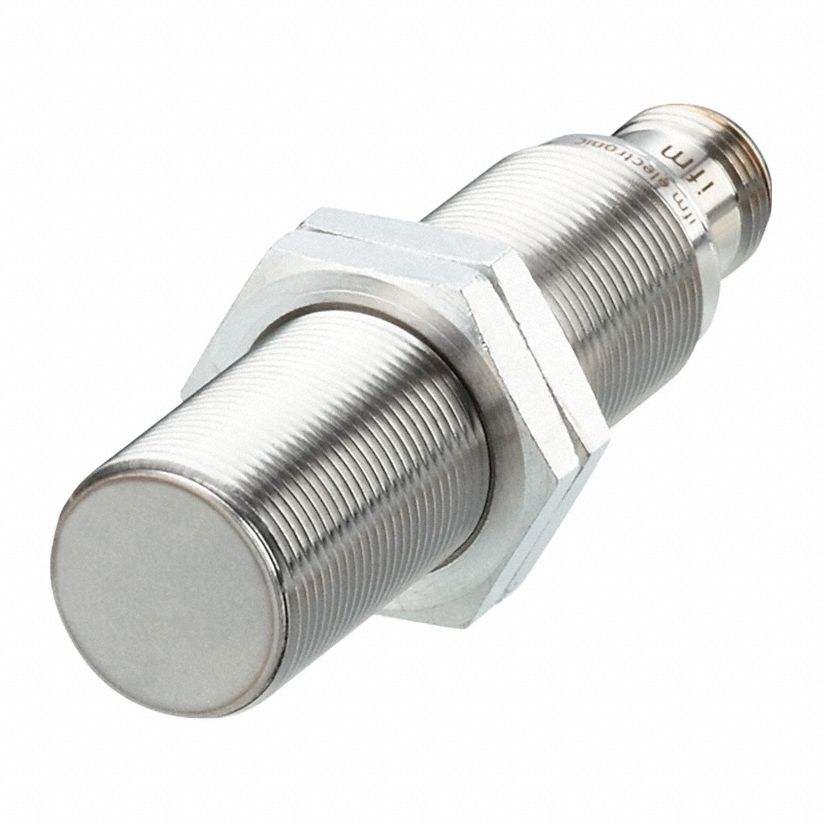
Measurement & Detection for Troubleshooting: A Maintenance Team's Comparative Guide to Sensor Selection and Diagnostics
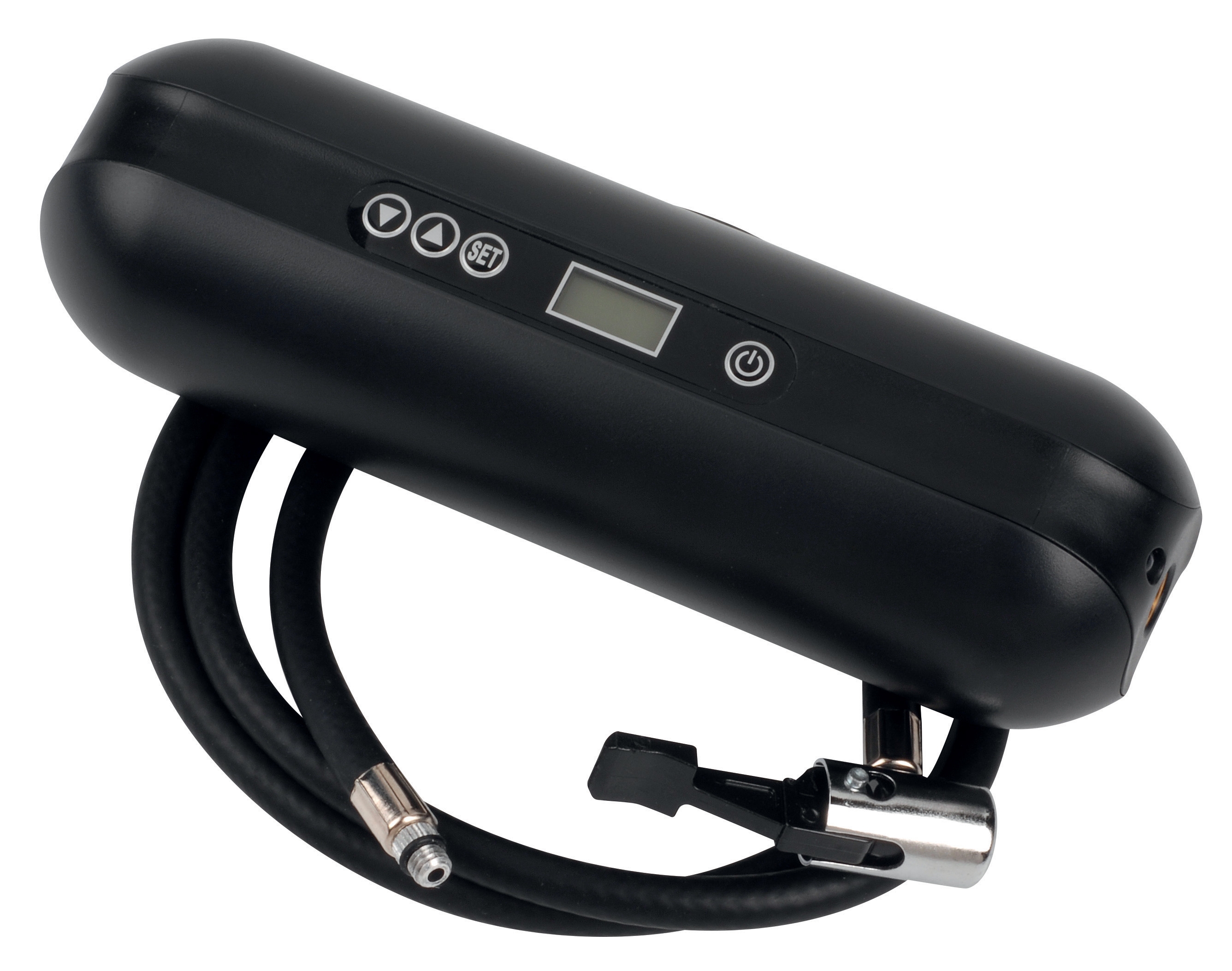
Table of Contentsexpand_more
Understanding Measurement & Detection in Maintenance Diagnostics
Measurement & Detection systems form the diagnostic backbone of modern industrial maintenance. Unlike general monitoring, which tracks performance trends, effective measurement and detection in troubleshooting requires understanding the specific failure signatures your equipment exhibits. When an HVAC system underperforms or a pressure-fed circuit fails, your maintenance team needs instruments that isolate the root cause—not just confirm something is wrong.
With over 35 years of experience supplying industrial equipment across Asia-Pacific, 3G Electric has observed that most maintenance delays stem not from equipment failure, but from diagnosis paralysis: technicians uncertain which measurement device addresses their specific problem. This guide compares four critical measurement and detection categories and shows you how to select the right tools for your Singapore facility.
Comparing Differential Pressure Transmitters vs. Simple Pressure Gauges
When Differential Pressure Detection Matters
A differential pressure transmitter like the Dwyer 616KD-13V-TC measures the pressure difference between two points in a system. This is fundamentally different from—and far more diagnostic than—a simple pressure gauge.
Pressure Gauge Strengths:
The Preciman stainless steel vertical pressure gauge D63 offers:
- Direct analog readout with ±1.6% accuracy
- No power requirements or calibration drift
- Immediate visual diagnostics across 0–40 mbar range
- Robust design for harsh environments
- Lower initial cost and minimal maintenance
Use pressure gauges when you need quick visual confirmation that a system is pressurized, or when budgets limit instrumentation density.
Differential Pressure Transmitter Strengths:
The Dwyer 616KD-13V-TC provides:
- 4–20 mA output compatible with building management systems (BMS) and data loggers
- Continuous remote monitoring without site visits
- Detection of gradual blockages (filter clogging, heat exchanger fouling) before system failure
- Precise measurement across 0–1 IN W.C (0–25 mbar), ideal for low-pressure HVAC circuits
- Barbed connections for flexible tubing—faster installation than gauges
Temperature Measurement: Probe Accuracy vs. Installation Speed
Comparing RTD Probes to Immersion Sensors
Temperature measurement seems straightforward until you realize that a 1–2°C error cascades into false diagnostics. The Dwyer Probe AVG PT100 OHM RTD and comparable immersion sensors differ in response time, accuracy class, and installation flexibility.
PT100 RTD Probe Advantages (Dwyer AVG-21241):
- ±0.6% accuracy at 0°C—Class A performance suitable for precision HVAC commissioning
- Flexible copper capillary construction allows installation in tight spaces (pipe bends, compact manifolds)
- Extended temperature range: -35.5 to +115.5°C covers cryogenic to high-temperature circuits
- Direct resistance-based measurement avoids electronic drift over 5–10 year lifecycles
- Flange-clip mounting enables faster retrofit into existing systems
- Better response time when installed in flowing media (faster detection of temperature swings)
- Superior durability in high-vibration or corrosive environments
- Easier probe replacement without system shutdown
- Thermowells add 50–150 mm to measurement point length
Flow and Pressure Integration: Multi-Parameter Detection in HVAC Systems
Combining Static and Dynamic Pressure Measurement
Air distribution systems fail silently when static pressure imbalances develop. The Dwyer Metal average flow probe MAFS-16 addresses a common maintenance blind spot: measuring true system flow without disassembling ducts.
Average Flow Probe Detection Benefits:
- 16 cm probe length captures velocity profiles across duct cross-sections
- Simultaneous measurement of static and total pressure (dynamic pressure = total minus static)
- Reveals duct blockages, damper positions, and fan degradation
- No moving parts—eliminates calibration drift affecting mechanical flow indicators
When you combine the MAFS-16 with a differential pressure transmitter on a return-air filter or heat exchanger, you achieve true system diagnostics:
- Pressure drop across component + known duct area = volumetric flow rate
- Flow trends over weeks reveal fouling before emergency changeouts
- Compare design flow (from commissioning data) against actual flow to identify leaks or blockages
Your Singapore facility's AHU (air handling unit) shows reduced cooling capacity. Sequential detection steps:
1. Use MAFS-16 to measure supply-air flow (compare to design: if 15% below spec, proceed to step 2)
2. Place differential pressure transmitter on filter bank (if pressure drop exceeds design by >25%, schedule filter change)
3. Install RTD probes on return and supply air (if temperature difference is 20% lower than design, evaporator coil may be fouled)
This comparison-based detection isolates the root cause in 30 minutes instead of trial-and-error troubleshooting across multiple days.
Pressure System Commissioning: From Expansion Tanks to Final Diagnostics
Expansion Tank Pressurization: Detection Before System Damage
Hydraulic and heating systems require precise pre-charge pressure in expansion tanks. The CBM Expansion Tank Inflator Battery 2000 mAH enables maintenance teams to verify and adjust this critical parameter.
Why Expansion Tank Detection Matters:
- Incorrect pre-charge pressure causes bladder deterioration, reducing system lifespan by 40–60%
- Modern systems use 10.3 bar maximum—exceeding this by 0.5 bar can cause leaks or valve failures
- Temperature-dependent pressure changes (-20 to +60°C operating range) require seasonal verification
1. Isolate the expansion tank and depressurize the system
2. Use the battery inflator to measure baseline pressure (record in maintenance log)
3. Compare against system nameplate specifications
4. Adjust if necessary; re-test after 48 hours to confirm seal integrity
5. Document pressure readings quarterly to detect slow leaks
Many teams overlook this detection step, discovering problems only after bladder rupture causes system shutdown. Routine measurement prevents costly emergency repairs.
Practical Selection Matrix for Singapore Maintenance Teams
| Measurement & Detection Need | Recommended Tool | Key Advantage | When to Choose |
|---|---|---|---|
| Visual pressure confirmation (non-critical systems) | Preciman Gauge ROS20004 | Instant readout, no power | Routine inspections, budget-limited facilities |
| Remote continuous monitoring (BMS integration) | Dwyer Transmitter DWY04218 | 4–20 mA output, predictive capability | Unattended systems, digital maintenance records |
| HVAC temperature diagnostics | Dwyer RTD Probe DWY14040 | ±0.6% accuracy, flexible installation | System commissioning, thermal balance verification |
| Air distribution flow diagnostics | Dwyer Flow Probe DWY28014 | Multi-parameter detection, no calibration drift | AHU troubleshooting, duct leakage diagnosis |
| Expansion tank commissioning | CBM Tank Inflator MES20002 | Portable, battery-powered | Seasonal pre-charge verification, system startup |
Integration Strategy: Building a Measurement & Detection Toolkit
Effective maintenance teams combine instruments rather than relying on single solutions. Here's a scalable approach:
Phase 1 (Foundation): Deploy pressure gauges and RTD probes at critical points. This costs ~$500–800 per system but provides baseline data.
Phase 2 (Diagnostic): Add differential pressure transmitters to key components (filters, coils, fans). Connect to a simple data logger (~$200–400). Now you capture trends without expensive BMS integration.
Phase 3 (Predictive): Integrate transmitter outputs into building management systems. Automate alerts when pressure drop or temperature deviation exceeds thresholds. This layer costs $1,500–3,000 but eliminates surprise failures.
Measurement & Detection in Practice:
A typical Singapore industrial facility operating 4–6 HVAC systems might deploy:
- 12–16 pressure gauges (supply, return, filters, coils)
- 8–12 RTD probes (supply/return air, chilled water, condenser water)
- 2–4 differential pressure transmitters (filter banks, coils)
- 1–2 flow probes (main supply ducts)
This configuration costs $3,000–5,000 but enables maintenance teams to solve 85% of performance issues through measurement and detection data before calling external service providers.
Common Measurement & Detection Failures and Fixes
Problem: RTD probe reads 5°C higher than system actual temperature
- Cause: Probe installed in non-flowing dead leg or insulated incorrectly
- Detection: Compare probe reading to gauge thermometer at same location; verify capillary is not kinked
- Fix: Relocate probe to active flow path; use thermal contact paste for better responsiveness
- Cause: Air or water hammer in line; gauge connection tee blocked
- Detection: Install isolating ball valve and snubber device upstream of gauge
- Fix: Bleed air from system; use snubber valve to dampen vibration
- Cause: Barbed tubing connections loose or kinked; sensor isolated from actual pressure points
- Detection: Verify tubing is connected at both high and low pressure ports; trace tubing for kinks
- Fix: Reconnect tubing; ensure no blockages at pressure-sensing points
Conclusion: Measurement & Detection as Preventive Strategy
Measurement & Detection systems transform maintenance from reactive repair cycles into predictive diagnostics. By comparing tools—gauges vs. transmitters, flow probes vs. calculations, RTD accuracy vs. installation speed—your Singapore maintenance team can deploy the right instruments for your facility's complexity and budget.
3G Electric's 35+ years of equipment distribution experience shows that facilities investing in consistent measurement and detection reduce unplanned downtime by 30–40% and extend equipment life by 2–3 years. The key is systematic comparison: understanding not just what each tool measures, but why that measurement matters for your specific systems and failure modes.
Start with Phase 1 instrumentation. Collect data for 4–6 weeks. Identify your facility's pressure and temperature signatures under normal operation. Use these baselines to recognize when future measurements signal impending failure—that's when Measurement & Detection becomes your maintenance team's most valuable diagnostic weapon.
![Airstat Buyer's Guide SG | TAT Broth Media [2026]](https://oxalncjenpflyqfncuhe.supabase.co/storage/v1/object/public/product-assets/grainger/62314438-78dc-4409-9813-a921ea1b50c8.jpg)