
Pumps & Compressors Capacity Mismatch and Undersizing: Field Troubleshooting for Singapore HVAC Contractors
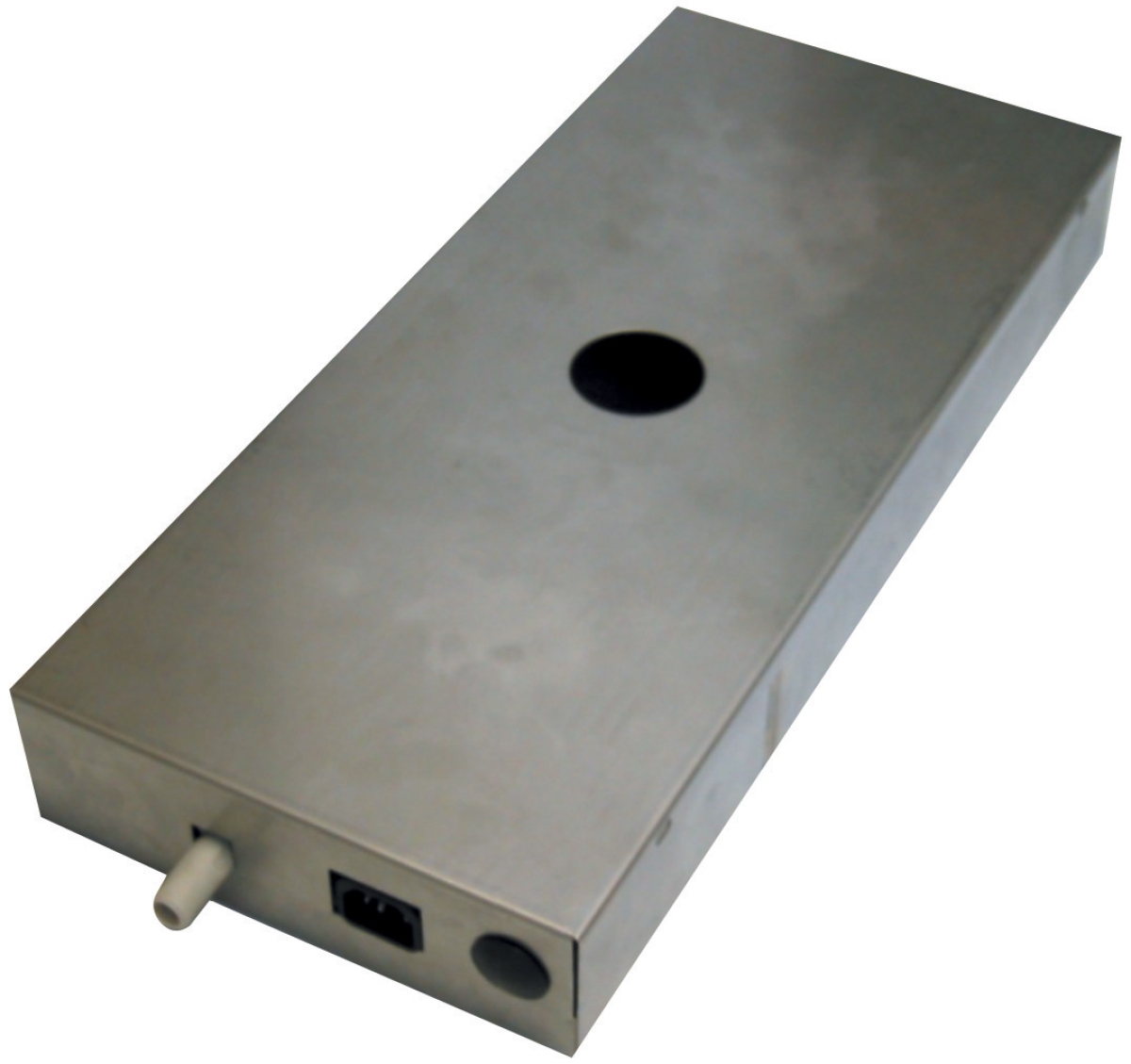
Table of Contentsexpand_more
Understanding Pumps & Compressors Capacity Mismatch in HVAC Systems
Capacity mismatch represents one of the most common yet overlooked issues HVAC contractors face when installing or servicing Pumps & Compressors in Singapore. Unlike obvious failures such as leaks or electrical faults, undersizing or oversizing often develops gradually, masking itself as performance degradation until system reliability suffers irreversibly.
In tropical climates like Singapore, where cooling loads are consistently high and humidity demands intensive drainage, even modest capacity shortfalls compound rapidly. A 10% shortfall in condenser water flow can trigger 15–20°C rises in condensing temperature, reducing cooling efficiency by up to 25% and increasing compressor discharge pressure beyond safe operating limits. With 3G Electric's 35+ years of distributing industrial equipment across Southeast Asia, we've observed that capacity issues account for approximately 30% of field service callbacks during peak cooling seasons.
When a system operates below its design capacity, compressors run continuously at elevated pressures, motors overheat, and electrical components degrade prematurely. Condensate pump systems fall behind drainage demands, leading to coil flooding and biological growth in humid environments. The cost of diagnosing and correcting capacity mismatches during operation far exceeds the cost of right-sizing equipment during initial specification.
Identifying Capacity Mismatch: Diagnostic Indicators and Field Tests
Visual and Operational Signs
Capacity mismatch typically announces itself through observable system behavior before catastrophic failure occurs. HVAC contractors should monitor these indicators during commissioning and routine service:
- Continuous compressor operation without normal cycling or load modulation, particularly during moderate ambient temperatures (28–32°C rather than peak 35°C days).
- Elevated discharge pressures 10–15% above nameplate specifications, measured at the compressor outlet.
- Inadequate cooling despite correct refrigerant charge, measured as suction superheat exceeding 8–12°C at part-load conditions.
- Overheating motor windings detected via thermal imaging or temperature probes showing motor casing above 65°C in ambient conditions below 32°C.
- Condensate backup in drainage lines, particularly in the Clima Concept Display pump 5 liters reservoir showing repeated overflow despite normal humidity levels.
- Abnormal noise and vibration from the pump or compressor, indicating cavitation or surge conditions caused by inadequate supply flow.
To confirm capacity mismatch, conduct these field measurements:
Flow Rate Verification: Measure actual flow using a calibrated flow meter or inline turbine meter at the pump outlet. Compare against nameplate specifications.
- If flow is 10–15% below design, the pump is undersized or experiencing inlet restriction.
- If flow meets specification but system performance is poor, the compressor displacement may be mismatched to the condenser capacity.
- Connect gauges at the pump discharge and return line inlet.
- Measure differential pressure during full-load operation.
- Compare against design calculation (typically 0.5–1.5 bar for well-designed systems).
- If drop exceeds 2.5 bar, undersized piping or a failed internal valve is restricting flow.
- Cooling load (kW) = Flow (L/min) × Pressure drop (bar) ÷ 600
- If calculated load exceeds nameplate capacity by >10%, the pump is undersized.
- For high-pressure applications like the Interpump PUMP W2035 L ATEX (35 L/min at 200 bar), verify that actual operating pressure does not exceed rated pressure by more than 5%.
- Design differential should be 3–5°C at full load.
- If differential is <2°C, flow is excessive relative to cooling load (oversized pump).
- If differential is >6°C, flow is insufficient (undersized pump) or significant heat gain occurs in the circuit.
Root Causes of Capacity Mismatch and Selection Errors
Design and Specification Errors
Many capacity mismatches originate during the design phase rather than equipment failure:
- Incorrect load forecasting: Designers underestimate future cooling loads, server density increases, or occupancy changes. Singapore's commercial sector experiences frequent retrofits and facility expansion, making load verification essential during each contract.
- Insufficient diversity factor application: Multiple simultaneous demand factors are not properly combined. Assuming all zones operate at peak load simultaneously when diversity analysis permits lower duty ratings.
- Inadequate altitude and ambient compensation: Standard equipment ratings assume sea-level operation at 25°C ambient. Singapore's high humidity and 32–35°C ambient conditions reduce cooling water density and increase viscous losses, requiring 10–15% capacity uplift.
- Fluid type mismatch: Specifying equipment for water-based systems but installing with glycol mixtures or other heat-transfer fluids, which have different viscosity and thermal properties. The Pratissoli KF30 (106 L/min at 200 bar) is rated for specific fluid types; operating outside those parameters degrades actual flow by 15–20%.
- Undersized distribution piping: Selecting smaller pipe diameters to reduce material cost increases friction losses beyond design assumptions. A 10mm line intended for 50 L/min but sized for 30 L/min creates 3–5 bar additional drop.
- Improper pump mounting orientation: Centrifugal pumps operating vertically or at angles not specified by the manufacturer experience cavitation and flow reduction.
- Valve selection and balancing failures: Incorrect proportioning valve settings or undersized isolation valves restrict flow below design specifications.
- Suction line defects: Kinked inlet hoses, clogged strainers (>100 microns pressure drop), or inlet velocities exceeding 0.6 m/s cause cavitation and capacity loss.
- Fluid contamination: Particulates, biological growth, and oxidation products increase viscosity and friction losses, reducing effective capacity by 10–30%.
- Temperature deviation from design: Operating fluids 15°C warmer than design specifications reduce viscosity, increasing leakage losses inside the pump and reducing delivered flow.
- Inadequate maintenance: Failed bearings increase friction; worn impellers reduce head development.
Practical Retrofit and Correction Strategies
Option 1: Parallel Pump Addition (Preferred for Flow Deficiency)
When undersizing affects flow rate without pressure issues, adding a second pump in parallel increases total flow while distributing compressor load:
- Install a second pump rated at 40–60% of the primary unit's capacity.
- Use check valves to prevent backflow through the idle pump during low-load periods.
- The Pratissoli SN7045 L (45 L/min at 210 bar) provides a compact parallel option for existing systems requiring 20–25 L/min additional capacity.
- Estimated retrofit cost: 35–50% of new primary pump installation.
- Lead time: 2–3 weeks for equipment procurement and installation.
When original equipment reaches service life or capacity mismatch is severe (>20% deficiency):
- Select replacement based on actual load verification, not nameplate of failed unit.
- For high-pressure hazardous environment applications, the Interpump PUMP W2035 L ATEX provides 35 L/min at 200 bar with full ATEX compliance for Singapore's petroleum, chemical, and pharmaceutical facilities.
- Verify existing motor power is sufficient; if undersized, upgrade motor and drive system simultaneously.
- Cost: 100–150% of primary pump price, including motor and controls.
If pump capacity is adequate but system still underperforms, the compressor may be oversized relative to available cooling capacity:
- Verify condenser fan operation (often overlooked—a failed fan reduces effective heat rejection capacity by 40–60%).
- For multi-compressor systems, reduce operating compressor count during part-load conditions using capacity unloaders or staged startup logic.
- Install a properly sized condensate pump such as the Clima Concept Display pump 5 liters to prevent drainage backup, which masks capacity issues by reducing heat rejection surface area.
Before purchasing new equipment, verify existing system optimization:
- Strainer and filter replacement: Change inlet screens and line filters; restriction testing should show <0.2 bar pressure drop at rated flow.
- Valve adjustment: Reproportioning proportional or solenoid valves to match actual load demands and operating hours.
- Piping isolation: Identify and remove unnecessary circuit branches; bypass lines around critical components reduce system pressure and flow distribution.
- Suction line improvement: Replace kinked hoses, extend inlet line diameter by one size, relocate inlet strainer upstream by 1–2 meters to reduce inlet velocity.
- Cost: $800–2,500 per system; completion time 1–2 days.
For systems with partial capacity excess, electronic capacity control extends effective range without equipment replacement:
- Soft starters reduce inrush current and mechanical shock, extending bearing life and allowing sustained operation closer to nameplate limits.
- VFDs modulate pump or compressor speed to match load demand, reducing energy consumption by 20–40% and improving component lifespan.
- Retrofit cost: $2,500–6,000 including controls and programming.
- Payback period: 2–3 years through energy savings in continuously operated systems.
Verification and Commissioning After Correction
Once corrections are implemented, conduct comprehensive verification to ensure capacity mismatch is resolved:
Performance Acceptance Testing:
1. Measure actual flow at full load using calibrated instrumentation; confirm within ±5% of design specification.
2. Record discharge pressure under full-load operation; confirm within nameplate range.
3. Document suction superheat at part-load (25%, 50%, 75%, 100%) to verify operating stability.
4. Measure motor amperage at full load; confirm below motor FLA rating with 10% safety margin.
5. Verify condensate drainage capacity matches design; for installations using Clima Concept Display pump 5 liters, confirm reservoir does not overflow during sustained operation at design humidity levels (95% RH in Singapore's environment).
Documentation and Handover:
Provide clients with:
- Nameplate capacity specifications for all installed equipment.
- Actual measured performance data at full and part-load conditions.
- Pressure-flow curves recorded during commissioning.
- Maintenance intervals and spare parts lists.
- Alarm setpoints and emergency shutdown procedures.
Key Takeaways for HVAC Contractors
Capacity mismatch in Pumps & Compressors systems develops insidiously and often masquerades as other failures. By implementing systematic verification—comparing design specifications against actual operating conditions, measuring flow and pressure throughout system operation, and understanding root causes specific to Singapore's tropical environment—contractors can diagnose these issues during commissioning rather than during expensive field service calls.
3G Electric's 35+ years of equipment distribution across Southeast Asia demonstrate that proper sizing, combined with rigorous testing and maintenance protocols, eliminates the majority of capacity-related failures. When retrofits are necessary, parallel installation, VFD control, and systematic circuit optimization offer cost-effective alternatives to complete equipment replacement while restoring system reliability.
![Oil Pump Singapore: Complete Buyer's Guide [2026]](https://oxalncjenpflyqfncuhe.supabase.co/storage/v1/object/public/product-assets/grainger/84612678-850d-43eb-92ae-dcc86df1619a.jpg)
![Dayton Centrifugal Pump SG | Sizing Guide [2026]](https://oxalncjenpflyqfncuhe.supabase.co/storage/v1/object/public/product-assets/grainger/21a225f1-43ff-4290-a467-4a8181c4501a.jpg)


