
Pumps & Compressors Fluid Compatibility Troubleshooting: Preventing Cross-Contamination and System Failures in Singapore Industrial Plants
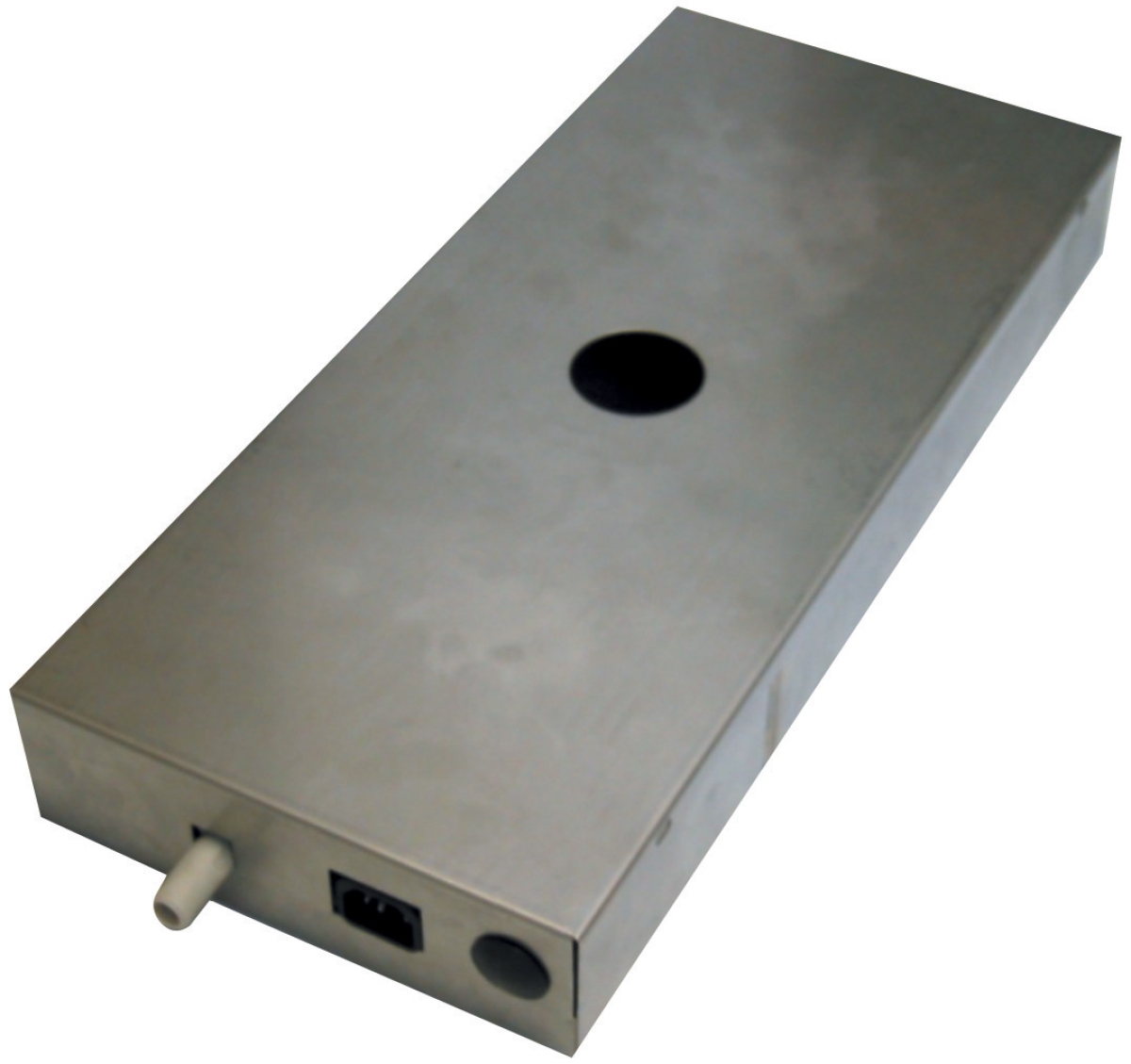
Table of Contentsexpand_more
Understanding Pumps & Compressors Fluid Compatibility Issues
Fluid incompatibility represents one of the most insidious failure modes in industrial Pumps & Compressors installations—often invisible until catastrophic degradation occurs. Unlike electrical or mechanical failures that announce themselves loudly, incompatible fluid selections quietly corrode seals, degrade lubricants, and compromise system performance over weeks or months.
As a procurement engineer specifying equipment for Singapore's industrial sector, you face daily pressure to minimize costs and delivery times. However, fluid selection decisions made during the specification phase directly impact system reliability. With 35+ years of experience distributing industrial equipment across Southeast Asia, 3G Electric has observed that nearly 30% of pump failures trace back to fluid compatibility issues—failures that were entirely preventable through proper specification and verification.
This guide provides practical troubleshooting frameworks and diagnostic procedures to identify fluid compatibility problems before they compromise your equipment investments.
Section 1: Fluid Incompatibility Symptoms and Early Detection
Common Warning Signs
Fluid incompatibility manifests through predictable symptom patterns. Your maintenance team should monitor these indicators:
Seal and Gasket Degradation
- Swelling, hardening, or cracking of elastomeric seals within 500 operating hours
- Unexplained internal leakage at pump housings where seals remain visually intact
- Weeping from shaft seals despite normal operating pressures
- Rapid darkening of system fluid beyond normal oxidation rates
- Milky or cloudy appearance indicating water ingress or chemical breakdown
- Separation of fluid components (visible stratification in reservoir)
- Gradual pressure loss without mechanical damage
- Flow rate reduction exceeding 10% within first 200 operating hours
- Increasing pump noise indicating bearing surface degradation
- Fluid temperature climbing 15–25°C above baseline despite stable operating conditions
- Excessive heat generation at pump inlet manifold
Diagnostic Testing Protocol
When you suspect fluid incompatibility, implement this three-point diagnostic approach:
Immediate Verification (On-Site, <2 hours)
Cross-reference your system's fluid specification against the actual fluid installed. Request the fluid safety data sheet (SDS) and pump/compressor manual simultaneously. Incompatibilities often emerge when different product families are mixed—for example, attempting to operate a Interpump PUMP W2035 L ATEX (designed for synthetic hydraulic fluids) with conventional mineral oil, or loading a Pratissoli KF30 pump with non-ISO 32 viscosity fluids.
Verify fluid ISO viscosity grade, additives package, and chemical composition. Incompatible fluids typically differ in:
- Viscosity grade (ISO 32 vs. ISO 46, for example)
- Base oil type (mineral vs. synthetic vs. biodegradable)
- Additive chemistry (anti-wear, anti-foam, rust inhibitors)
Submit a 500 mL fluid sample to an ISO 4406 particle counting laboratory. Request analysis of:
- Current particle count and cleanliness rating
- Water content (Karl Fischer titration)
- Viscosity at 40°C and 100°C
- Total acid number (TAN) to detect chemical breakdown
- Elemental analysis to identify seal degradation products
For a high-pressure system like the Pratissoli SN7045 L operating at 210 bar, target ISO 16/14/11 cleanliness or better. Higher contamination indicates either fluid incompatibility driving seal failure or incompatible filtration system.
Component Inspection (Requires Shutdown, 4–8 hours)
During next scheduled maintenance, visually inspect pump internals:
- Seal surfaces for discoloration, pitting, or corrosion
- Bearing races for varnish deposits or chemical etching
- Inlet strainer for unusual buildup
- Gasket surfaces for swelling or deterioration
Photograph findings and compare against baseline condition if available. This evidence directly supports your root-cause determination.
Section 2: Specification-Phase Prevention for Procurement Engineers
Fluid Selection Matrix for Common Singapore Applications
Your specification must match equipment design to intended fluid. Here's a practical matrix for common industrial scenarios:
High-Pressure Hydraulic Systems (150–250 bar)
- Recommended: ISO VG 46 anti-wear hydraulic fluid (ISO 6162 or DIN 51524 Part 2)
- Equipment Example: Pratissoli KF30 (106 L/min @ 200 bar) operates optimally within this specification
- Common Error: Substituting with cheaper ISO 32 or ISO 68 grades causes viscosity mismatch—increased wear at 150+ bar or thermal stress at lower flow rates
- Recommended: ISO VG 32 or ISO VG 46 depending on ambient temperature
- Equipment Example: Interpump WW90 L WITH VALVE (90 bar rated) requires ISO 32 mineral oil or equivalent synthetic
- Tropical Consideration: Singapore's 28–32°C ambient temperature favors ISO 46 to prevent viscosity degradation
- Recommended: Synthetic ISO VG 46 meeting ATEX Category 3 requirements, low conductivity (<100 pS/m)
- Equipment Example: Interpump PUMP W2035 L ATEX (35 L/min @ 200 bar) demands compliance-certified fluids; mineral oil violates certification
- Critical Error: Using non-ATEX fluids in ATEX-classified equipment voids equipment certification and creates safety liability
- Recommended: Water-soluble, pump-compatible condensate treatment or mineral oil per equipment design
- Equipment Example: Clima Concept Display pump 5 liters handles continuous drainage; fluid selection depends on downstream condensate disposal requirements
Documentation Requirements
Before equipment ships from 3G Electric or any distributor, require:
1. Fluid Compatibility Certificate from pump/compressor manufacturer confirming approved fluids
2. Fluid Product Datasheet matching specification document (not a generic datasheet)
3. Material Compatibility Report for elastomers and coatings in your specific pump model
4. Maintenance Schedule specifying fluid change intervals and contamination limits
Insist that your equipment supplier provides these documents during quotation phase. Delays in procurement timeline caused by missing documentation are far preferable to discovering incompatibility after installation.
Section 3: Troubleshooting Incompatibility When Systems Are Already Operating
Decision Tree for Rapid Root-Cause Identification
Problem: Seal Leakage Within 500 Operating Hours
Start here: Is the fluid specified in the pump's original manual?
- NO → Immediate fluid mismatch. Drain system, flush with approved flushing fluid (ISO VG 32 mineral oil, 3–5 full system cycles), refill with correct specification fluid. Test for 24 hours before returning to production.
- YES → Proceed to: Is the installed fluid identical to specification sheet?
- Confirmed different → Execute flush procedure above
Problem: Fluid Darkening or Discoloration Within 200 Operating Hours
Fluid oxidation occurs naturally, but premature darkening signals incompatibility or contamination. Ask:
- Is system fluid temperature remaining below 60°C?
- YES → Fluid darkening at normal temperature indicates chemical breakdown. Send fluid sample to laboratory; prepare for full fluid change.
- Is the installed fluid a proven industrial product or cheaper unbranded substitute?
Problem: Pressure Loss or Flow Decline Without Visible Leakage
Internal erosion from incompatible fluid suggests:
- Review pump inlet filter condition and particle count. If filter is loading rapidly (requiring change <50 hours), fluid incompatibility is releasing wear debris.
- Perform ultrasonic inspection of pump body for internal cavitation damage (acoustic signature changes).
- Conduct fluid analysis focusing on elemental content; elevated iron, copper, or aluminum indicates internal corrosion.
Fluid Flushing Procedures
If incompatibility is confirmed, proper flushing is critical:
Single-Pass Flushing (For Minor Incompatibilities)
- Drain current fluid completely; capture for disposal per environmental regulations
- Fill system with ISO VG 32 flushing oil (mineral-based, maximum 18 µm particle size)
- Operate pump at 50% speed for 1 hour to suspend particles
- Drain and refill with correct specification fluid
- Operate for 8 hours at normal load, monitor fluid temperature and pressure
- Repeat single-pass procedure 3–5 times until fluid particle count drops below ISO 18/16/13
- Between cycles, inspect inlet strainer and replace if particle load exceeds 10 grams
- After final cycle, install fresh inlet filter element before connecting system to production equipment
- Run system offline for 24 hours, then conduct full performance baseline testing
For high-pressure systems like the Pratissoli SN7045 L (210 bar operation), implement multi-cycle flushing even for suspected minor incompatibilities; internal wear surfaces in high-pressure equipment are sensitive to residual contamination.
Section 4: Preventive Specification Checklist for Future Procurements
Reduce future incompatibility incidents by embedding fluid verification into your procurement workflow:
Pre-Award Verification (During RFQ Phase)
- [ ] Equipment quote includes manufacturer's approved fluid specification document
- [ ] Approved fluid list specifies minimum 3 commercially available products meeting ISO standards
- [ ] Quote clearly states whether price includes initial fill fluid or if buyer must source separately
- [ ] Distributor confirms availability of all approved fluids in Singapore market (avoid obsolete or hard-to-source specifications)
- [ ] SDS for each approved fluid is attached to quote documentation
Post-Award, Pre-Delivery
- [ ] Purchase order specifies exact fluid product name, ISO grade, and batch/lot number for initial fill
- [ ] Confirm with supplier that equipment will be factory-filled with specified fluid (not generic equivalent)
- [ ] Receive Certificate of Compliance confirming equipment has been pressure-tested and flushed with approved fluid
- [ ] Verify fluid compatibility documentation is physically included in equipment package before transport
Installation and Commissioning
- [ ] Before startup, visually confirm installed fluid product label matches PO specification
- [ ] Conduct fluid sample analysis prior to full-load operation (establishes baseline cleanliness)
- [ ] Run equipment at reduced load for first 8 operating hours; monitor pressure, temperature, and noise
- [ ] Schedule second fluid analysis at 40 operating hours to detect unexpected contamination patterns
- [ ] Document all findings and retain for future troubleshooting reference
Ongoing Maintenance Specifications
- [ ] Maintenance manual includes approved fluid products and ISO viscosity grades
- [ ] Fluid change intervals are documented based on contamination monitoring, not just calendar time
- [ ] Staff responsible for fluid top-ups receive training on approved products (prevent accidental mixing)
- [ ] Spare parts kit includes fluid flushing supplies and inlet filter elements
Practical Takeaways for Procurement Engineers
Fluid compatibility failures are 100% preventable through disciplined specification. The cost of including detailed fluid requirements in your RFQ—approximately 2–4 hours of engineering time—is trivial compared to the cost of system downtime, seal replacements, or complete pump replacement.
With 35+ years of experience supporting Singapore's industrial sector, 3G Electric emphasizes that procurement success depends on clarity and documentation during specification phase, not heroic troubleshooting after failure. When you specify equipment from 3G Electric, request the Fluid Compatibility Package as a standard deliverable. This ensures your team receives all necessary documentation to prevent incompatibility issues before they impact operations.
For immediate support on fluid compatibility questions or to discuss specification requirements for your next pump or compressor procurement, contact 3G Electric's technical team. Our distributor network can source verified fluids and provide compatibility certifications for your specific equipment selection.
![Oil Pump Singapore: Complete Buyer's Guide [2026]](https://oxalncjenpflyqfncuhe.supabase.co/storage/v1/object/public/product-assets/grainger/84612678-850d-43eb-92ae-dcc86df1619a.jpg)
![Dayton Centrifugal Pump SG | Sizing Guide [2026]](https://oxalncjenpflyqfncuhe.supabase.co/storage/v1/object/public/product-assets/grainger/21a225f1-43ff-4290-a467-4a8181c4501a.jpg)


