Pumps & Compressors Preventive Maintenance Schedule: Singapore Industrial Operations
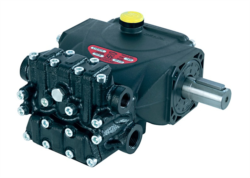
Table of Contentsexpand_more
Understanding Pumps & Compressors Preventive Maintenance Requirements
Pumps & Compressors form the backbone of Singapore's industrial operations—from petrochemical facilities in Jurong Island to food processing plants and water treatment systems across the island-state. These critical assets operate under demanding tropical conditions with high humidity, salt spray exposure in coastal areas, and temperature fluctuations that accelerate wear. Without structured preventive maintenance, pump and compressor failures cascade through production systems, creating unplanned shutdowns that cost facilities SGD 5,000–20,000 per hour in lost productivity.
3G Electric has distributed industrial pumping and compression equipment across Southeast Asia for over 35 years. During this time, we've observed that maintenance teams performing systematic, scheduled inspections experience 60–70% fewer emergency repairs compared to reactive maintenance approaches. The key is implementing a dual-protocol strategy: time-based maintenance for wear intervals and condition-based monitoring for early fault detection.
This guide provides practical maintenance schedules tailored to Singapore's industrial environment, helping your team extend asset life, improve reliability, and optimize maintenance spend.
Time-Based Preventive Maintenance Schedule
Weekly Inspections (15–20 minutes per unit)
Weekly checks catch developing problems before they become catastrophic:
- Visual leak inspection: Examine pump casings, motor seals, and compressor discharge lines. High-humidity Singapore conditions accelerate corrosion around seal areas. Look for wet spots, mineral deposits, or discoloration around shaft seals and coupling guards.
- Noise baseline listening: Use your ear or a handheld sound meter to establish baseline operating noise. Changes in frequency or volume—grinding sounds, high-pitched whistles, or rhythmic knocking—indicate internal wear, bearing degradation, or cavitation.
- Vibration feel test: Place your hand (with safety clearance) on the pump casing or motor frame. Excessive vibration suggests bearing wear, misalignment, or impeller contact. Singapore facilities often overlook vibration because operators become accustomed to gradual increases.
- Temperature touch test: Compressor discharge lines should be warm but not scalding. Discharge temperatures exceeding 80°C (check with infrared thermometer) indicate excessive head pressure, cooling system failure, or compression ratio decay.
Monthly Maintenance (1–2 hours per unit)
Monthly protocols address fluid condition and component security:
- Fluid sampling and analysis: Draw oil samples from pump sumps and compressor reservoirs into clean containers. In Singapore's tropical climate, oil oxidizes faster due to heat and humidity. Send samples to a certified lab quarterly (or monthly for critical units) for viscosity, acid number (TAN), and particle count analysis. Oil with TAN >0.5 mg KOH/g or particles >18 microns indicates degradation requiring immediate fluid change.
- Filter element inspection: Compressor intake filters and pump suction strainers clog faster in humid environments with airborne salt and dust. Check visual indicators; if blocked, flow rate drops and cavitation risk increases. Replace or clean per manufacturer specifications—typically every 4–8 weeks in coastal areas.
- Coupling alignment: Use dial indicators to check pump-to-motor coupling alignment. Tropical heat causes aluminum and steel components to expand differently. Misalignment >0.05 mm radial or 0.1 mm axial generates vibration, accelerates bearing wear, and reduces shaft seal life.
- Fastener security: Vibration loosens bolts, especially in high-pressure systems. Walk through with a torque wrench and check all visible fasteners—pump feet, motor mounts, discharge line clamps. Loose feet create frame flexing that damages internal seals.
Quarterly Maintenance (4–6 hours per unit)
Quarterly work addresses deeper mechanical conditions:
- Seal and bearing inspection: For critical pumps (like Pratissoli KF30 high-pressure units, which operate at 200 bar), examine shaft seal condition. Replace cartridge seals showing signs of weeping, even if flow is minimal—complete failure happens suddenly, and Singapore's heat accelerates seal lip wear. Bearing temperature should not exceed 80°C under load.
- Suction and discharge line inspection: Check for internal corrosion in steel piping, especially in cooling water circuits. Drain small sections of pipe into clear containers and visually inspect for sediment or rust particles. Corroded piping reduces flow, increases cavitation risk, and contaminates pump internals.
- Relief valve bench testing: Discharge pressure relief valves (set points typically 150–210 bar for industrial units) drift over time. Send valves to a calibration shop quarterly for cracking pressure and flow verification. Over-pressurized systems damage seals; under-pressurized systems fail to protect against surges.
- Compressor moisture trap drainage: Compressor discharge air always carries condensed water, especially in humid Singapore. Manually drain moisture traps daily if in heavy use, weekly otherwise. Accumulated water causes corrosion, reduces air quality, and damages downstream tools and equipment.
Annual Overhaul (16–40 hours per unit)
Annual maintenance involves deeper disassembly and component assessment:
- Internal wear inspection: For high-flow units like Pratissoli MW40 pumps at 211 L/min, plan an annual internal inspection. Drain system, remove pump from service, and inspect internal surfaces for scoring, erosion, or bearing wear. Measure internal clearances; if beyond tolerance, recommend overhaul or replacement.
- Motor and coupling assessment: High-pressure pumps place significant load on electric motors. Check motor insulation resistance with a megohmmeter (target >100 MΩ for healthy motors). Confirm coupling hub condition—thermal cycling in tropical heat can crack cast iron hubs.
- Complete fluid change: Despite quarterly top-ups, perform a full system fluid change annually. Tropical humidity and heat degrade hydraulic and compressor oils; old fluid contains suspended particles, water, and oxidized products that damage new seals. Use OEM-specified fluids to ensure compatibility.
- Vibration analysis: Perform full vibration spectrum analysis annually using a portable analyzer. Baseline data from new equipment provides reference; deviations >3x baseline indicate developing bearing defects, looseness, or imbalance. Early detection saves thousands in repair costs.
Condition-Based Monitoring Protocols
Critical Performance Metrics to Track
Condition-based monitoring complements time-based schedules by detecting abnormal changes between scheduled maintenance windows.
Discharge Pressure Trending: Record pump discharge pressure daily on a wall chart or digital log. For KF30 units rated at 200 bar, pressure should remain stable (±5 bar) under constant load. A 10–15 bar gradual decline over weeks suggests impeller wear or internal leakage. A sudden 30+ bar drop indicates seal or valve failure requiring immediate shutdown.
Flow Rate Monitoring: Many facilities overlook flow rate changes because external indicators aren't obvious. Install simple flow meters (gear counters or turbine types) on discharge lines. Monthly flow measurement reveals cavitation (sudden drops) or internal degradation (gradual decline). A 10% flow loss typically means internal wear has reached 50% of component life.
Temperature Trending: Establish baseline discharge temperature under standard operating conditions. In Singapore's 30–35°C ambient, compressor discharge typically runs 10–15°C above baseline under light load. A persistent 20°C increase indicates cooling system failure, excessive head pressure, or compression ratio decay. This is your earliest warning of developing problems.
Vibration Velocity: If investing in portable vibration analyzers, track velocity in inches/second (IPS) at pump discharge and motor bearing housings. Healthy industrial equipment operates at 0.1–0.3 IPS; 0.5–1.0 IPS indicates developing wear; >1.0 IPS requires immediate inspection or removal from service. Tropical humidity accelerates bearing corrosion, making vibration rise faster than in temperate climates.
Electrical Current Draw: If motors have ammeters, record amps during standard operation. A 5–10% increase in steady-state current suggests increased mechanical friction (bearing wear, seal resistance) or hydraulic head pressure rise. Sudden current spikes indicate cavitation or mechanical resistance.
Failure Mode Recognition
Maintenance teams should recognize five failure modes requiring immediate response:
- Cavitation signature: Rapid pressure oscillations (5–10 bar fluctuations) with visible noise like gravel in the pump. Caused by suction starvation or low inlet pressure. Immediate action: check suction strainer, increase suction line diameter, or lower suction lift.
- Seal weeping: Oil mist from motor seal despite normal pressure. Not yet an emergency but requires seal replacement within 1–2 weeks. Continued operation allows oil loss, exposing bearing to corrosion.
- Bearing temperature rise: Temperature at motor bearing housing >90°C (measured with infrared thermometer). Indicates bearing wear or inadequate cooling. Remove from service for bearing inspection within 48 hours.
- Pressure relief chattering: Rapid on-off cycling of relief valve (audible clicking, 3–10 Hz). Indicates contamination in relief valve spool. Stop system, clean or replace relief valve immediately to prevent erosion damage.
- Oil color darkening: Oil changing from amber to dark brown or black between maintenance intervals. Indicates oxidation, overheating, or contamination. Analyze immediately; fluid change may be required outside scheduled intervals.
Record-Keeping and Predictive Analysis
Maintenance Log Templates
Structured data collection enables predictive analysis. Create logs capturing:
- Date, time, hours of operation, ambient temperature
- Discharge pressure, flow rate (if metered), discharge temperature
- Vibration velocity (if monitored), bearing temperature
- Visual observations: leaks, discoloration, corrosion, unusual noise
- Actions taken: adjustments, part replacements, fluid changes, test results
- Next scheduled maintenance date
Simple spreadsheet logs suffice for small facilities; larger operations benefit from computerized maintenance management systems (CMMS) like Maximo or Fiix, which track equipment history, generate work orders, and identify failure patterns.
Trending Analysis
After 6–12 months of data collection, plot key metrics (pressure, temperature, vibration) on time-series graphs. Look for:
- Linear decline: Gradual wear progression; normal. Plan component overhaul at 70% of service life.
- Exponential decline: Accelerating failure. Investigate root cause and increase inspection frequency to weekly until resolved.
- Sudden step changes: Abrupt shifts suggest new operating conditions, load changes, or emerging faults. Correlate with operational logs.
- Seasonal patterns: Singapore's consistently hot climate minimizes seasonal variation, but monsoon humidity spikes may correlate with seal weeping or corrosion. Plan maintenance around high-humidity periods.
Practical Maintenance Strategies for High-Pressure Units
Specialty Pump Considerations
Units like the Pratissoli SN71170 industrial pump at 170 L/min, 110 bar require maintenance protocols matched to their design:
- Compact pump maintenance: High-displacement units with short case lengths (526 mm) use tighter tolerances and smaller seal areas. Debris contamination is more harmful because particles have less space to settle. Implement fine filtration (10 micron absolute) and more frequent fluid analysis (every 4 weeks for critical applications).
- High-pressure piston pump care: Piston-type displacement pumps like the Interpump ET1C1612 at 160 bar have swashplate mechanisms prone to damage from cavitation or silt. Ensure suction conditions are pristine: inlet strainers with 150–250 micron mesh, suction line diameters sized for <0.6 m/s flow velocity, and inlet screens kept clean.
- Gear pump specifics: Compact gear units such as the Interpump E1D1808 compact gear pump at 180 bar tolerate contamination better than piston designs but suffer from thermal shock. Gradual warm-up (low-load for first 10 minutes after cold start) extends tooth life and seal durability.
Tropical Climate Adaptations
Singapore's environment demands specific maintenance emphasis:
- Accelerated seal change interval: Replace dynamic seals every 12 months instead of standard 24-month intervals. UV exposure from equipment positioned near windows, salt spray in coastal areas, and ozone from electrical switchgear all degrade elastomers.
- Increased filter changes: Upgrade filter size or implement parallel filter runs to reduce pressure drop and extend interval. High ambient humidity draws moisture into crankcase breathers; more frequent filter changes remove water-saturated elements.
- Enhanced corrosion protection: Apply light oil coating to external painted surfaces and coupling guards during monsoon seasons (Nov–Jan, June–Sept). Inspect fastener threads for rust; replace corroded bolts with stainless steel equivalents in coastal facilities.
- Moisture management: Install heated sumps or desiccant breathers on compressor reservoir tops. Singapore's 80–95% relative humidity causes rapid water absorption in hydraulic oils; desiccant breathers keep moisture <500 ppm, maintaining oil life and seal performance.
Implementation Roadmap for Maintenance Teams
Month 1: Assessment and Baseline Data
- Inventory all pumps and compressors; document nameplate specifications and current condition.
- Establish baseline pressure, temperature, flow rate, and vibration measurements for each unit.
- Create equipment history files; recover past maintenance records if available.
- Assign responsibility for weekly visual inspections.
Months 2–3: Monthly and Quarterly Protocol Implementation
- Train technicians on fluid sampling, filter inspection, and fastener torque procedures.
- Schedule first monthly maintenance window; allocate 1–2 hours per unit.
- Conduct oil analysis on critical units; establish local lab relationships.
- Implement simple spreadsheet logs to capture inspection data.
Months 4–12: Refinement and Predictive Analysis
- After 6 months of data, identify units showing abnormal trends (pressure drift, temperature rise, vibration increase).
- Prioritize annual overhauls for highest-risk equipment.
- Refine maintenance intervals based on observed failure patterns in your facility.
- Invest in portable vibration analyzer if predictive capability will serve multiple equipment types.
Year 2+: Optimization
- Scale successful protocols to all equipment; integrate CMMS if managing >20 units.
- Benchmark your maintenance costs (typically 2–4% of equipment replacement value annually for well-maintained systems) against industry standards.
- Partner with equipment suppliers like 3G Electric for spare parts stocking and technical guidance on aging equipment replacement planning.
Conclusion
Pumps & Compressors are engineered for reliable long-term service, but only when maintained systematically. Singapore's demanding tropical environment—high heat, humidity, and salt exposure—accelerates wear beyond manufacturer assumptions, making preventive maintenance not optional but essential. By implementing time-based protocols (weekly visual checks through annual overhauls) combined with condition-based monitoring (pressure, temperature, vibration trending), maintenance teams can achieve 85–90% equipment uptime, reduce emergency repairs by 60–70%, and extend asset life by 30–50% beyond baseline.
3G Electric's 35 years of experience distributing industrial pumps and compressors across Southeast Asia has taught us that the most reliable facilities are those that commit to structured preventive maintenance. Partner with us for quality replacement components—from compact Interpump specialty pumps to high-volume Pratissoli industrial units—and access our technical expertise to keep your operations running smoothly.