Measurement & Detection in Thermal and Differential Pressure Systems: Diagnostics for Southeast Asian Industrial Environments
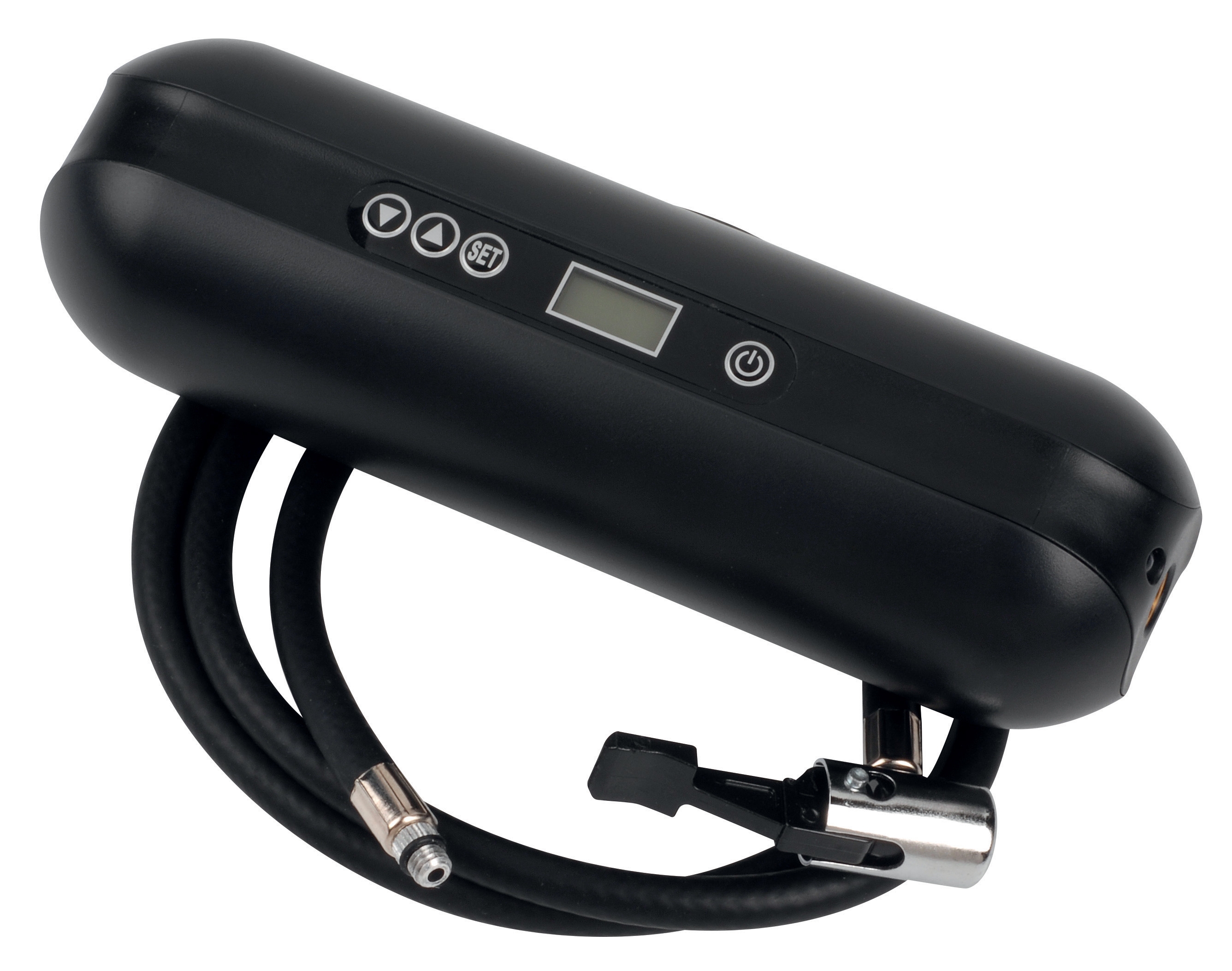
Table of Contentsexpand_more
Understanding Measurement & Detection in Thermal-Differential Systems
Measurement & Detection technologies that integrate thermal and differential pressure monitoring form the backbone of predictive maintenance in Southeast Asian industrial operations. Unlike single-parameter systems, thermal-differential approaches provide simultaneous insight into equipment stress, allowing maintenance teams to identify root causes rather than symptoms. With over 35 years of experience as a distributor across Asia-Pacific markets, 3G Electric recognizes that tropical climates—characterized by high humidity, temperature fluctuations, and corrosive salt-air exposure—demand robust, redundant measurement strategies.
Differential pressure transmitters and temperature probes work synergistically to reveal hidden system inefficiencies. When a cooling system shows pressure drop, temperature measurement confirms whether this is due to blockage (temperature rise), refrigerant loss (rapid temperature drop), or normal operational variance. This dual-parameter insight reduces false diagnostics and prevents costly emergency shutdowns.
Selecting Thermal and Differential Pressure Instruments for Tropical Conditions
Temperature Probe Specifications for Humid Environments
The Dwyer PT100 OHM RTD temperature probe represents the standard for industrial process measurement in Southeast Asia. Its ±0.6% accuracy at 0°C ensures reliable data in systems where small temperature deviations signal major problems. The flexible copper capillary design accommodates installation in confined spaces common in retrofit scenarios across aging industrial facilities.
Key selection criteria for tropical operations:
- Accuracy class: PT100 Class B (±0.15 + 0.002|T|) provides sufficient precision for HVAC diagnostics without excessive cost
- Response time: Fast-responding probes (typically 10-15 seconds immersion) allow technicians to capture transient events during system startup
- Wetted materials: Stainless steel construction resists corrosion from salt-laden air in coastal facilities; copper alloy connections maintain reliability despite humidity
- Operating range: The -35.5 to +115.5°C span covers both chiller discharge monitoring and equipment-room ambient measurements
Differential Pressure Transmitter Configuration
The Dwyer 616KD-13V-TC differential pressure transmitter measures 0–1 IN W.C (inch of water column) with 21 mA maximum power consumption—essential for installations with limited power infrastructure. This low-energy design suits remote monitoring stations and solar-powered maintenance hubs increasingly deployed across Southeast Asian industrial parks.
Differential pressure transmitters excel at detecting:
- Filter blockage: Progressive pressure rise across HVAC filters indicates maintenance urgency
- Duct leakage: Unexpected pressure drops reveal seal degradation in air distribution systems
- Coil fouling: Differential pressure increase across heat exchanger surfaces signals cleaning needs
- Flow irregularities: Pressure imbalances between supply and return circuits expose distribution problems
Barbed process connections (3–5 mm tubing) simplify field installation without requiring specialized threading tools—critical in facilities lacking well-equipped workshops.
Integration Strategies: Pairing Thermal Detection with Pressure Measurement
Diagnostic Workflows for Common Southeast Asian Issues
Humidity-Related Coil Blockage
In high-humidity climates, moisture accumulation accelerates coil fouling. A maintenance team using the 616KD-13V-TC transmitter across the evaporator coil paired with the PT100 temperature probe at the coil outlet can diagnose this condition:
1. Monitor differential pressure across the coil (baseline: typically 0.1–0.3 IN W.C)
2. Simultaneously record outlet air temperature
3. If pressure rises 50% while outlet temperature drops (indicating reduced air velocity through fouled surfaces), chemical cleaning is required before complete blockage occurs
This integrated approach prevents the sudden failures common when maintenance relies on visual inspection alone.
Refrigeration System Diagnostics
Combining differential pressure measurement with temperature monitoring reveals refrigerant charge status:
- Low suction pressure + low superheat temperature = refrigerant undercharge
- High discharge pressure + high subcooling temperature = condenser fouling
- Erratic pressure swings + temperature oscillation = expansion valve hunting
The Dwyer MAFS-16 metal average flow probe complements this analysis by measuring static and total pressure across 16 cm of probe length, allowing technicians to calculate actual flow velocity and identify distribution asymmetries that cause uneven cooling.
Calibration and Verification in Field Conditions
Southeast Asian environmental conditions—temperature swings from 25°C to 38°C daily, humidity often exceeding 80%—demand quarterly verification of measurement instruments. The Preciman stainless steel vertical pressure gauge serves as a reference standard for differential pressure transmitter validation.
Calibration procedure:
1. Connect the mechanical gauge and electronic transmitter to the same pressure source
2. Apply stepped pressure increases (0.1, 0.5, 1.0 IN W.C)
3. Record electronic output at each step
4. Acceptable drift: ±3% from previous calibration cycle
5. Document results in maintenance logs (required for ISO 50001 compliance in many facilities)
The mechanical gauge's ±1.6% accuracy across 0/+40 mbar range and stainless steel construction ensures it functions reliably as a reference even after years of service in corrosive environments.
System Pressurization and Measurement Preparation: HVAC Expansion Tank Protocols
Before commissioning measurement systems on heating circuits, proper expansion tank pressurization ensures accurate baseline readings. The CBM expansion tank inflator with 2000 mAH battery simplifies this critical task without requiring external compressors or manual pumps.
Pre-Measurement Tank Setup
1. Disconnect the system: Isolate the expansion tank and depressurize completely
2. Check existing charge: Many tanks arrive at 70% nominal pressure; verify with the mechanical gauge
3. Inflate to specification: Use the CBM inflator (maximum 10.3 bar) to achieve the required pre-charge pressure—typically 0.5 bar below minimum static pressure
4. Verify with gauge: Connect the reference gauge to confirm pressure; acceptable tolerance ±0.1 bar
5. Pressurize system: Return to normal operation and monitor differential pressure readings across the circuit
The 2000 mAH battery capacity supports 15–20 inflation cycles per charge—sufficient for a full maintenance facility's monthly calibration rounds. Operating range (-20 to 60°C) accommodates both controlled equipment rooms and outdoor valve manifolds common in Southeast Asian industrial layouts.
Proper tank pre-charge prevents measurement artifacts. Without it, system pressure fluctuations appear exaggerated, causing false alarms and unnecessary maintenance interventions. With correct pre-charge, differential pressure measurements reflect actual system conditions rather than thermal expansion noise.
Practical Troubleshooting Using Thermal-Differential Measurement Data
Data Interpretation Matrix for Maintenance Teams
| Symptom | Temperature Change | Pressure Change | Likely Cause | Immediate Action |
|---------|-------------------|-----------------|--------------|------------------|
| Reduced cooling | Rise (outlet warmer) | Drop (inlet-outlet) | Blockage/fouling | Inspect and clean coil |
| Loss of flow | No change | Significant drop | Valve closure/leak | Check shutoff valves, pressure test |
| Oscillating performance | Fluctuation | Swinging +/- 0.3 IN W.C | Expansion valve hunting | Adjust or replace valve |
| Slow response to demand | Gradual rise | Gradual rise | Correct operation (may appear slow due to load) | Monitor trend; no action needed |
| Sudden pressure spike | No change | Jump to 1+ IN W.C | Air entry or cavitation | Bleed air from high points |
This matrix, derived from 35+ years of field experience, enables technicians to move from measurement to diagnosis in minutes rather than hours.
Documentation and Predictive Analytics
Maintenance teams should establish trending protocols:
1. Daily readings: Record temperature and differential pressure at the same time each morning
2. Weekly comparison: Plot values on simple graphs to identify gradual degradation
3. Monthly reporting: Calculate pressure rise/temperature change rates; flag systems trending toward failure
4. Action thresholds: Establish facility-specific limits (e.g., "clean coil if differential pressure exceeds baseline by 40%")
Systems monitored via this structured approach typically extend service intervals by 20–30% and reduce emergency repairs by 60%, according to data from 3G Electric's regional maintenance partnerships.
Conclusion
Measurement & Detection systems combining thermal and differential pressure monitoring provide maintenance teams with the diagnostic precision required for reliable industrial operations in Southeast Asia's demanding climate. By integrating temperature probes, differential pressure transmitters, reference gauges, and proper system preparation tools, teams move beyond reactive maintenance to truly predictive strategies. The products referenced—including the PT100 probe, transmitter, flow probe, reference gauge, and tank inflator—represent time-tested solutions that 3G Electric has supplied to regional industrial facilities for decades.
![Airstat Buyer's Guide SG | TAT Broth Media [2026]](https://oxalncjenpflyqfncuhe.supabase.co/storage/v1/object/public/product-assets/grainger/62314438-78dc-4409-9813-a921ea1b50c8.jpg)