How to Troubleshoot and Optimize Pressure Regulation in Industry Applications: A Technical Guide for HVAC Contractors in Singapore
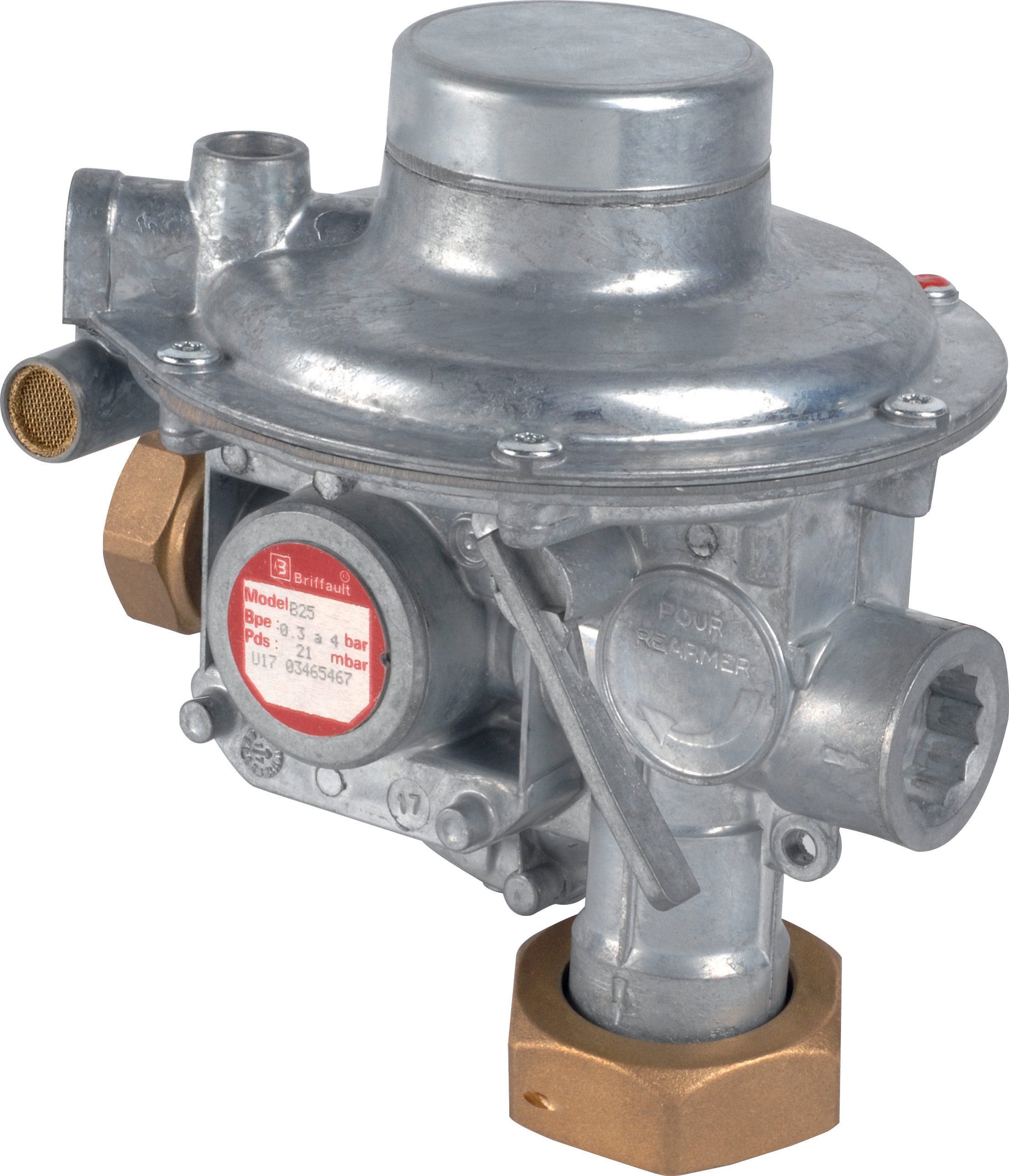
Table of Contentsexpand_more
Understanding Pressure Regulation in Industry Applications
Pressure regulation forms the backbone of reliable HVAC and industrial fluid systems. Whether you're managing gas distribution networks, oil-burner systems, or high-pressure cleaning applications, understanding how regulators perform across different Industry Applications is essential for maintaining system efficiency and safety.
With over 35 years of experience as a global industrial equipment distributor, 3G Electric has served contractors managing increasingly complex pressure systems. Pressure regulators—particularly those designed for industrial use—require specific knowledge to troubleshoot effectively. The Francel Pressure Regulator B25/37mb with integrated safety relief exemplifies the precision equipment now standard in Singapore's industrial sector. This regulator delivers consistent 37 mbar outlet pressure with a 10 mm vent size, making it critical for laboratory gas distribution and precision industrial applications.
This guide provides HVAC contractors with practical diagnostic techniques, optimization methods, and maintenance protocols to maximize regulator performance and prevent costly downtime.
Diagnostic Methods for Pressure Regulation Problems
Identifying Common Regulator Failures
Pressure regulator failures typically manifest in three ways: outlet pressure inconsistency, inability to maintain setpoint, or excessive venting/relief activity. Each symptom points to specific root causes.
Outlet pressure drift occurs when your regulator cannot maintain setpoint under load. This typically indicates internal spring fatigue, diaphragm degradation, or contamination in the valve seat. In Singapore's humid tropical environment, corrosion accelerates diaphragm deterioration—inspect your regulators quarterly rather than annually.
Inability to reach desired pressure usually stems from either undersizing the regulator for your flow requirements or a stuck pilot valve. High-performance applications—such as those using Pratissoli KF30 pumps delivering 106 L/min at 200 bar—demand regulators sized with 20-30% safety margin above peak flow needs.
Excessive relief venting indicates your setpoint is drifting upward, usually from spring relaxation or contamination in the relief poppet seat. This is particularly dangerous in burner applications where uncontrolled pressure increases risk safety valve actuation.
Practical Diagnostic Procedures
Step 1: Baseline Measurement
Connect a digital pressure gauge directly to the outlet port (not inline with the system). Record readings under zero flow (static) and under normal operating load. Acceptable drift is ±5% of setpoint for most industrial applications; beyond this, the regulator requires service or replacement.
Step 2: Flow Capacity Assessment
Calculate your system's peak flow requirements. For systems using high-flow pumps like the Pratissoli MW40 (211 L/min, 210 bar), verify your regulator's flow capacity rating. Undersized regulators exhibit pressure drop proportional to flow—if pressure drops 15+ bar when flow increases, sizing is the issue.
Step 3: Contamination Analysis
Drain a small sample from the outlet and inspect for particulates. Silting and corrosion particles indicate either inlet contamination or internal regulator degradation. Install or check inlet strainers; they should have a 10 micron or finer rating for precision regulators.
Step 4: Spring Integrity Check
With the regulator isolated and depressurized, manually adjust the setpoint screw through its full range. Smooth operation indicates healthy springs; grinding, catching, or resistance points to internal damage requiring replacement.
Optimization Techniques for Industrial Applications
Pressure Setting Optimization
Over-pressurization is endemic in HVAC contractor practice. Every 1 bar of excess pressure increases energy consumption by approximately 8%, while reducing component life proportionally. Optimize your setpoint by working backward from actual system requirements.
For burner systems, the minimum pressure supporting flame stability is your target—not the maximum the system can tolerate. Modern burner nozzles and ignition systems operate efficiently at 15-30% below traditional setpoints. Use your regulator's adjustment mechanism to establish the lowest effective pressure, then add a 10% safety margin.
Application-Specific Guidelines:
- Gas distribution systems: Set to 5-10% above pilot pressure requirement
- Oil burner supply lines: Match the pump discharge pressure minus 15-20 bar for burner atomization
- High-pressure cleaning circuits (using Euspray flat jet nozzles at 25° spray angle): Set 5-10 bar above nozzle design pressure for pattern consistency
- Compact gear pump systems (such as Interpump E1D1808 delivering 8 L/min at 180 bar): Optimize to match pump's efficient operating band (typically 70-85% of rated pressure)
System Stability Enhancement
Instability in outlet pressure—visible as gauge needle fluctuation—indicates insufficient damping in your regulator circuit. Add a 0.5-1 liter accumulator tank immediately downstream of the regulator outlet. This buffer absorbs micro-oscillations that wear regulator internals and reduce setpoint accuracy.
For systems with variable demand (such as multi-nozzle spray applications), specify a regulator with integral pilot drain capability. This design routes pilot exhaust through a separate line, preventing backpressure that destabilizes the main diaphragm.
Maintenance Scheduling Based on Industry Application Type
Regulator maintenance intervals depend entirely on your application environment and fluid cleanliness. Singapore's industrial setting—with significant atmospheric moisture and tropical contamination—demands aggressive maintenance schedules.
Quarterly inspection protocol:
- Visual inspection for corrosion or weeping around the diaphragm
- Pressure setpoint verification under static and dynamic load
- Inlet strainer element change (replace, do not clean)
- Outlet port sampling and particulate analysis
- Complete regulator disassembly
- Inspection and replacement of diaphragm and seals
- Valve seat cleaning (using appropriate solvents—never wire-brush precision surfaces)
- Spring rate verification with load testing
- Reassembly with factory-specified torque values
For regulators in continuous service above 150 bar or handling moisture-laden gases, plan for annual replacement rather than repair. The cost of a replacement Francel B25/37mb regulator is modest compared to system downtime from pressure instability.
Implementation Strategy for Singapore Operations
Inventory and Spare Parts Management
Maintain spare regulators matching each pressure class in your service territory. For contractors managing both HVAC systems and industrial fluid transfer, keep at least two complete regulator assemblies per pressure class—one for burner duty (15-50 bar), one for industrial pump discharge (100+ bar).
Store regulators in sealed containers with desiccant packs in your Singapore workshop. The tropical humidity accelerates internal corrosion even in dormant equipment.
Training Your Team on Pressure System Diagnostics
Your technicians must understand the relationship between regulator function and system symptoms. When a customer reports uneven heating, cooling delays, or burner cycling problems, pressure regulation is often the root cause—not the thermostat or control board.
Conduct quarterly training sessions covering:
- Proper gauge connection and pressure measurement technique
- Interpretation of static vs. dynamic pressure readings
- Recognition of regulator failure modes
- Safe depressurization and regulator isolation procedures
- Appropriate use of regulator sizing software for different Industry Applications
Documentation and Compliance
Maintain detailed service records for every regulator in your customer base. Document:
- Initial setpoint and inlet/outlet pressures
- Date of each adjustment or service
- Any deviations from baseline readings
- Replacement dates and part numbers
This documentation supports warranty claims with equipment manufacturers and protects you during liability investigations. Singapore's increasingly strict industrial safety standards require documented preventive maintenance histories.
Optimizing Regulator Performance with Complementary Equipment
Regulators don't operate in isolation. Their performance depends on the quality of upstream supply and the demands of downstream equipment. When configuring systems with high-performance industrial pumps—whether KF30 units at 106 L/min or MW40 units at 211 L/min—always specify regulators rated 20% above the pump's maximum discharge pressure.
For precision spray applications using Euspray flat jet nozzles, pressure regulation accuracy directly determines spray pattern uniformity and coverage. Install the regulator within 2 meters of the nozzle manifold, using rigid piping to minimize vibration transmission that destabilizes setpoint.
When managing complex multi-pressure systems, consider secondary regulation. Many contractors achieve superior system reliability using a primary regulator (coarse adjustment, high flow capacity) followed by a secondary regulator (fine adjustment, tight tolerance) at the point of use. This cascade approach isolates downstream pressure fluctuations from affecting upstream equipment.
Conclusion
Pressure regulation excellence separates successful HVAC contractors from those struggling with chronic system reliability issues. By implementing systematic diagnostic procedures, optimizing setpoints based on actual requirements, and maintaining aggressive preventive schedules suited to Singapore's environment, you'll reduce callbacks by 30-40% while extending equipment life.
3G Electric's 35 years of experience distributing industrial equipment means we've seen every regulator failure mode and recovery strategy. Partner with us for equipment selection, spare parts inventory, and technical support as you optimize pressure regulation across your Industry Applications portfolio.