Gas Control System Architecture: A Maintenance Guide to Multifunctional Gas Blocks and Safety Integration
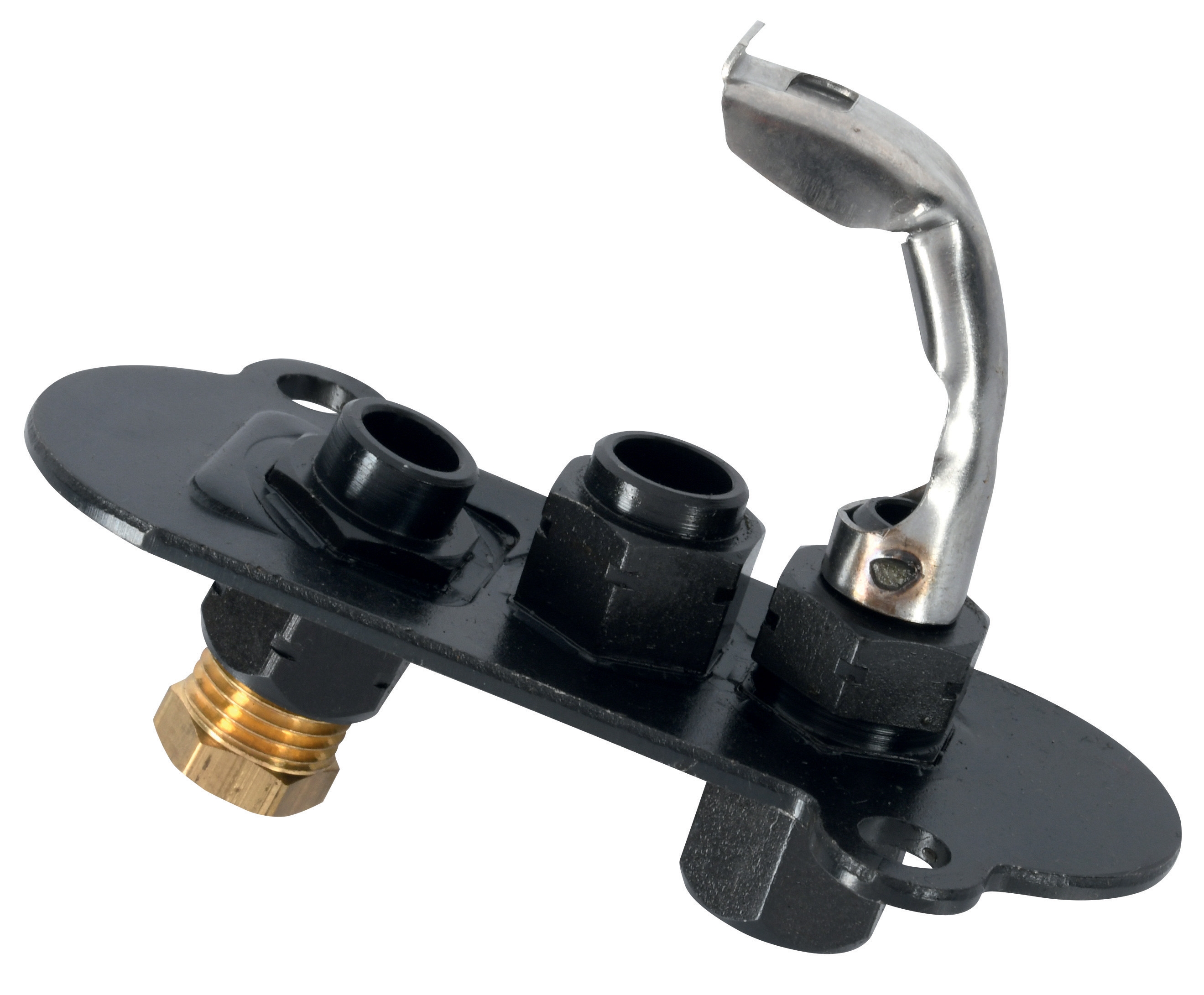
Table of Contentsexpand_more
Gas Control System Architecture: A Maintenance Guide to Multifunctional Gas Blocks and Safety Integration
Industrial gas burner systems depend on precise control architecture to operate safely and efficiently. Whether you're managing atmospheric burners, forced-draught systems, or specialized catering equipment, understanding how gas control components integrate into a cohesive safety system is critical for troubleshooting, maintenance, and system optimization. This guide explores the functional architecture of modern multifunctional gas blocks and their integration with control relays, helping maintenance teams diagnose issues faster and ensure compliance with EN 126 standards across global installations.
Understanding Multifunctional Gas Block Architecture
A multifunctional gas block serves as the operational heart of any gas burner control system. Rather than using separate components scattered throughout a burner installation, modern designs consolidate pressure regulation, temperature control, thermoelectric flame supervision, and safety shutoff mechanisms into a single integrated unit. This architecture reduces installation complexity, minimizes leak points, and creates a more reliable control envelope.
The CBM Minisit gas block 0710750 exemplifies this consolidated approach. Designed for stoves, boilers, catering equipment, and room heaters, the Minisit integrates a pressure regulator, temperature control mechanism, and thermoelectric flame supervision into one compact assembly. The pressure regulator maintains consistent gas supply regardless of upstream fluctuations—critical for burners operating at varying demand levels. Temperature control features allow the system to modulate gas flow based on load requirements, while the integrated thermoelectric flame supervision device continuously monitors pilot light integrity.
For maintenance teams, this integration means understanding the functional relationships between components rather than treating each element in isolation. When a burner fails to ignite or shuts down unexpectedly, the issue often traces to one of three functional zones within the gas block: the pressure regulation stage, the temperature control pathway, or the flame supervision circuit. Systematic diagnosis requires knowing which function feeds into the next and how safety interlocks prevent unsafe gas release.
The architecture also includes non-volatile lock-out protection—a critical safety feature. When a fault condition occurs (such as loss of flame), the system enters a lock-out state that cannot be overridden by simple restart attempts. This forces the operator to manually reset the control, ensuring the root cause has been addressed before reignition is permitted. This is not a limitation; it's a fundamental safety principle embedded in EN 126 multifunctional device standards.
Integration with Control Relays and Safety Systems
While the gas block handles direct fuel control and flame monitoring, the broader system architecture requires electronic relay logic to coordinate multiple safety functions, manage ignition sequences, and handle manual overrides or emergency shutdowns. This is where control relays interface with the gas block to create a complete safety system.
For atmospheric and fan-assisted gas burner systems, the CBM Relay SM 592.2 TW1.5/TS10 provides electronic control logic optimized for intermittent operation. This relay system monitors the gas block's thermoelectric output, evaluates flame presence signals from the pilot light, and governs the sequence of operations from ignition through stable combustion. The relay's role is to make logical decisions: IF flame is detected AND temperature setpoint is satisfied AND safety interlocks are clear, THEN allow main burner solenoid energization.
Forced-draught burner systems require different relay architecture because they introduce additional complexity—forced draft fans, air pressure sensing, and damper control. The CBM Relay VM 41 TW30/TS3 is purpose-built for this application, handling the coordination between fan pre-purge sequences, air pressure monitoring through manostat devices, and main burner ignition timing. The VM series differs from atmospheric control relays in that it manages forced air systems with longer pre-purge cycles and more sophisticated pressure interlocks.
For oil burner systems where burner controls must manage atomization pressure and combustion air, the CBM Relay GR1 10.10 integrates with oil-specific safety devices including flame detection cells and pressure-operated interlocks. Oil systems introduce distinct challenges: higher ignition temperatures, carbon buildup risks, and the need for robust flame verification through photoelectric or infrared detection rather than thermoelectric sensing.
The relay's base assembly determines how it mounts and connects to field devices. A properly selected base—such as the CBM Base for GE 733—ensures correct terminal access, safe electrical isolation between control circuits and high-voltage ignition stages, and proper cable management. Mismatched bases create safety vulnerabilities and installation failures.
System Integration in Real-World Installations
Consider a typical commercial boiler installation serving a manufacturing facility. The system begins with a CBM Universal pilot light 2 flames 3 positions mounted on the burner assembly itself. This pilot light provides two functions: it generates the thermoelectric voltage that energizes the gas block's safety shutoff solenoid (keeping it open when flame is present), and it provides ignition energy for the main burner when called upon.
The pilot light thermocouple—preferably a CBM Thermocouple Sit INT.600 9x1—generates approximately 25-40 millivolts when exposed to the pilot flame. This low-voltage signal travels to the gas block's thermoelectric flame supervision input. The gas block evaluates this signal: if voltage is present and stable, the internal solenoid remains energized, allowing gas to flow. If voltage drops (flame loss), the solenoid de-energizes within seconds, cutting off all gas flow—a fail-safe design that makes pilot light systems inherently safer than pure electronic flame detection for certain applications.
The gas block's pressure regulator then supplies the main burner at a consistent pressure (typically 20-40 mbar for atmospheric burners). The temperature control function within the gas block modulates this flow based on load demand, responding to signals from the control relay or a direct thermostat input. When the space temperature drops, the thermostat contact closes, signaling the relay that burner output is needed. The relay then energizes the ignition transformer, ignites the pilot light, confirms flame through the thermoelectric circuit, and energizes the main burner solenoid valve.
In forced-draught installations serving industrial kilns or steam boilers, the sequence becomes more complex. The control relay first runs the combustion air fan for a pre-purge period (typically 15-30 seconds) to clear any unburned fuel or hazardous gas accumulation. An air pressure switch—monitored by the manostat device—confirms adequate draft. Only then does the relay permit ignition. This sequencing is embedded in the relay logic, not in the gas block.
Diagnostic and Selection Best Practices for Maintenance Teams
When troubleshooting a gas burner control system, systematic diagnosis requires understanding functional layers. Start by confirming the pilot light produces stable flame and thermoelectric output. Use a millivolt meter to verify thermocouple output—healthy readings typically exceed 20mV. If output is weak or absent, the thermocouple requires replacement; this is a wear item in high-duty installations.
Next, isolate the gas block function from relay logic. With the pilot light burning and thermocouple output confirmed, manually apply a jumper wire across the thermostat input terminals on the relay. If the main burner fires, the gas block is functioning correctly and the issue lies in relay logic or thermostat circuits. If the main burner does not fire despite correct thermocouple output, suspect a faulty gas block solenoid or internal blockage.
When selecting replacement components for system upgrades, match the gas block type to the burner architecture. Atmospheric burner systems require simpler gas blocks with basic pressure and thermoelectric supervision; forced-draught systems demand relays with integral manostat monitoring. Oil burner systems need flame detection cells—either flame detection sensors like the phototransistor models or infrared flame detectors—integrated with their specific relay types.
Compliance with EN 126 standards is non-negotiable in European and many global markets. All multifunctional gas devices must provide non-volatile lock-out, inherent pilot ignition (without external ignition energy), and thermoelectric flame supervision or equivalent detection. When specifying replacements, verify that product documentation explicitly references EN 126 compliance—this ensures the device meets mandatory safety thresholds globally.
Conclusion and Next Steps
Mastering gas control system architecture transforms maintenance from reactive troubleshooting to predictive system management. By understanding how multifunctional gas blocks integrate with control relays, how safety interlocks function, and how pilot light systems generate thermoelectric supervision, your maintenance team can diagnose faults faster, select appropriate replacements with confidence, and ensure safe, compliant operation across your global equipment portfolio.
3G Electric has served industrial customers worldwide since 1990 with authorized controls and safety equipment including complete gas control systems, replacement relays, gas blocks, and flame detection sensors. Whether you're managing a single boiler or a fleet of industrial burners across multiple sites, our technical team can help you source correct components, verify compatibility, and optimize system performance. Contact 3G Electric today to discuss your specific gas control requirements and ensure your systems meet current safety standards.
![Satronic Burner Controls SG | Buyer's Guide [2026]](https://oxalncjenpflyqfncuhe.supabase.co/storage/v1/object/public/product-assets/cbm/57d089e0-d3cf-4168-9f73-fb6bf7a7163b.jpg)