Maintenance & Service for Industrial Gear Pumps and Pressure Control Systems: A Singapore Operations Guide
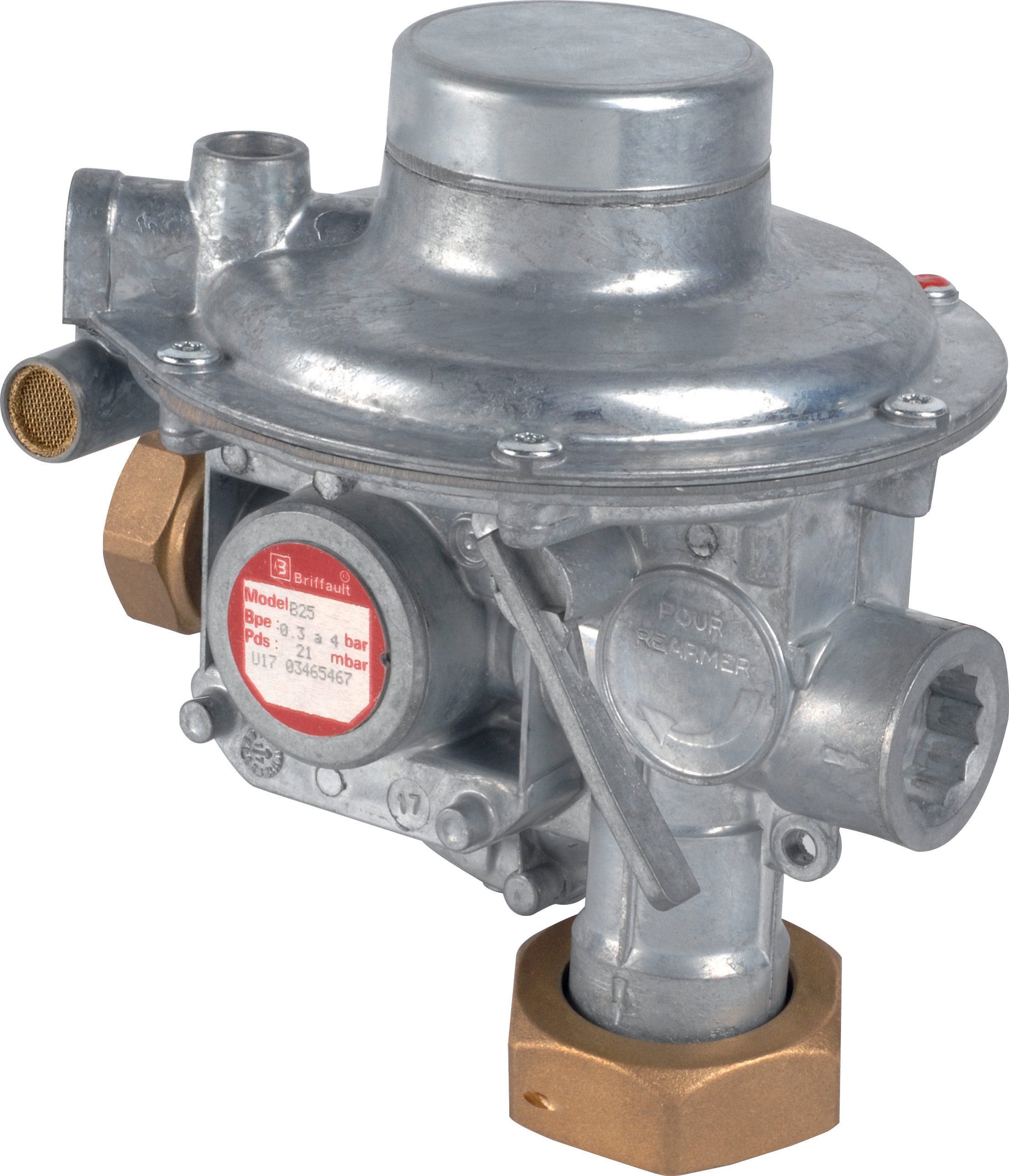
Table of Contentsexpand_more
Understanding Maintenance & Service Requirements for Industrial Gear Pumps and Pressure Systems
Maintenance & Service of industrial gear pumps and pressure regulation equipment is fundamental to keeping Singapore's manufacturing, chemical processing, and marine operations running efficiently. With over 35 years of experience distributing industrial equipment, 3G Electric understands that preventive maintenance directly impacts your bottom line—reducing unplanned shutdowns, minimizing replacement costs, and ensuring worker safety.
Gear pumps like the Pratissoli KF30 and Interpump PUMP E1D1808 L are workhorses in high-pressure fluid delivery systems. Similarly, pressure regulators such as the Francel B25/37mb maintain critical control over system safety and performance. However, these systems demand structured care. This guide walks you through practical maintenance & service procedures that industrial professionals in Singapore can implement immediately.
Pre-Operation Inspection and Daily Visual Checks
Effective maintenance & service begins before your equipment operates. Establish a daily pre-operation checklist that takes fewer than 10 minutes but prevents 90% of common failures.
Daily Maintenance & Service Routine:
- Fluid Level Assessment: Check reservoir levels on high-pressure pump systems like the Pratissoli MW40. Low fluid levels cause cavitation, damaging internal gear surfaces within hours. Top up with the manufacturer-specified hydraulic oil—never substitute grade types.
- Visual Leak Detection: Inspect pump casings, pressure line connections, and regulator fittings for oil seepage. Minor weeping at shaft seals is normal; active dripping signals imminent seal failure requiring replacement within one shift.
- Pressure Gauge Reading: Verify baseline pressure readings on pressure regulators like the Francel B25/37mb. Deviation of more than ±5 mbar indicates internal valve degradation and requires service scheduling.
- Temperature Observation: Touch the pump casing (with caution—never on operating equipment). Abnormal heat suggests internal friction or excessive bypass flow through worn gears.
- Audible Assessment: Listen for grinding, whining, or cavitation noise. Healthy gear pumps produce a consistent hum; changes signal bearing wear or fluid degradation.
Document these checks in a maintenance log. Over 30 days, you'll establish your equipment's baseline behavior, making anomalies obvious.
Scheduled Preventive Maintenance & Service Intervals
Structured maintenance & service prevents reactive (expensive) repairs. Singapore's tropical climate—with humidity, salt spray in coastal facilities, and temperature swings—accelerates component degradation compared to temperate regions.
Monthly Maintenance & Service Tasks (8-12 hours):
- Fluid Analysis: Extract 50 ml of oil from the pump reservoir using a clean syringe. Send samples to your fluid supplier for viscosity, contamination particle count, and water content analysis. Hydraulic systems become unreliable when particle count exceeds ISO 4406 code 18/16/13; monthly testing catches this early.
- Filter Element Inspection: Pressure line filters should be visually inspected and differential pressure monitored. If the bypass indicator shows red, replace the element immediately—clogged filters force oil through unfiltered bypass loops, introducing contaminants into precision components like the KF30 pump's internal gearing.
- Regulator Safety Relief Testing: Manually crack the relief valve on pressure regulators like the Francel B25/37mb by one-quarter turn. Observe response time—oil should bypass smoothly within 2-3 seconds. Sluggish response indicates valve stiction from fluid degradation.
- Seal and Gasket Replacement: Small gear pumps like the Interpump E1D1808 L and large units like the MW40 use elastomer seals that degrade in heat and pressure. Replace shaft seals and cover gaskets every 2,000 operating hours or quarterly in continuous-duty applications. Keep spare seal kits on-site—a $150 seal beats $8,000 in emergency pump replacement.
- Nozzle and Spray System Care: If your installation uses spray nozzles like the Euspray flat jet nozzle HP 1/4" M, clean or replace them quarterly. Mineral deposits from hard water or fluid oxidation restrict flow, degrading spray pattern and creating hot spots in coating or cooling applications.
- Coupling Inspection: Check pump-motor couplings for alignment drift and wear. Misalignment causes vibration that damages seals and bearing preload.
- Complete Fluid Replacement: Even well-maintained systems accumulate oxidation products, water, and wear debris over 12 months. Drain the entire system, flush with clean flushing fluid, and refill with fresh, filtered hydraulic oil. This is your most important annual maintenance & service task.
- Pump Disassembly and Inspection: Open high-hour gear pumps (the KF30 or MW40 in 24/7 operations) and inspect internal gears for scoring, pitting, or tooth wear. Replace if wear exceeds 0.5 mm. Send units to authorized service centers if in-house expertise is unavailable.
- Regulator Rebuilding: Disassemble pressure regulators, clean all internal surfaces with approved solvents, and replace all elastomeric seals. A regulator rebuild ($300-500) costs far less than a catastrophic overpressure event damaging downstream equipment.
- System Pressure Testing: Use a calibrated pressure gauge to verify that system maximum pressures and regulator setpoints remain accurate. Aging components drift by 10-15% annually.
Troubleshooting Common Issues and Emergency Maintenance & Service
Even with rigorous maintenance & service, problems arise. Industrial professionals must recognize failure patterns and respond decisively.
Problem: Gear pump cavitation (loud chattering, loss of pressure)
Root Causes: Low fluid level, clogged inlet filter, or aeration in suction line.
Maintenance & Service Response:
- Immediately stop the pump—continued cavitation destroys gears in minutes.
- Check fluid level and top up if low.
- Inspect inlet filter bypass indicator; replace if activated.
- Verify suction line has no air leaks (check fittings, hose clamps, and tank vent).
- Run pump at idle for 2 minutes to purge air from circuits before resuming normal operation.
Root Causes: Fluid contamination, sludge buildup, or seal degradation in the regulator like the Francel B25/37mb.
Maintenance & Service Response:
- Close isolation valves immediately to prevent uncontrolled pressure changes.
- Attempt gentle tapping on the regulator body (not aggressive hammering) to free stuck spools.
- If unsuccessful, remove the regulator from the circuit and soak in approved solvent for 24 hours.
- Disassemble, clean all spool and cavity surfaces, replace seals, and reassemble.
- Test on a bench rig before reinstalling in the system.
Root Causes: Seal wear (normal after 2,000+ hours), contaminated fluid accelerating degradation, or cavitation damage to the seal surface.
Maintenance & Service Response:
- Minor weeping is acceptable; major dripping requires replacement within 48 hours.
- Obtain the correct seal kit for your pump model (e.g., KF30 or E1D1808 L seals differ).
- If you lack in-house seal replacement expertise, send the pump to a service center—improper installation creates worse leaks.
- While the pump is out, thoroughly flush the system and replace the fluid filter to prevent repeat seal failure from contamination.
1. Immediate Actions: Stop equipment, isolate all power, vent system pressure via manual relief valves, and contain spillage with absorbent material.
2. Assessment: Photograph the failure (burst hose, regulator malfunction, pump seizure) and document the last maintenance & service date and fluid analysis results.
3. Temporary Workarounds: If production cannot pause, identify standby equipment. 3G Electric's 35+ years supplying Singapore industry means we maintain emergency inventory of replacement pumps and regulators.
4. Root Cause Investigation: Send failed components to your supplier or an independent test lab. Understanding why failure occurred prevents recurrence.
Documentation and Continuous Improvement of Maintenance & Service Programs
Maintenance & Service excellence depends on organized records. Maintain a logbook (digital or paper) capturing:
- Equipment model, serial number, purchase date, and specification (e.g., "KF30 pump, 106 L/min, 200 bar")
- Daily operation hours and usage intensity (idle vs. continuous duty)
- Fluid analysis results with dates and particle counts
- All maintenance & service tasks performed, date, technician initials, and parts replaced
- Any anomalies observed (pressure drift, temperature changes, noise) and corrective actions
- Unplanned failures with cost impact and root cause analysis
Every 12 months, review this data. Patterns emerge: if seal replacements are needed every 1,000 hours instead of 2,000, fluid contamination is likely. If pressure regulators require rebuilding annually instead of every two years, your fluid quality or system cleanliness is degrading.
Work with your equipment distributor—3G Electric's technical team can help interpret trends and optimize your maintenance & service intervals for Singapore's operating conditions. Over-servicing wastes labor; under-servicing invites catastrophic failure. The goal is planned, predictable maintenance & service that keeps equipment running reliably.