How to Evaluate Industry Applications for Compressed Gas and High-Pressure Fluid Systems in Southeast Asia
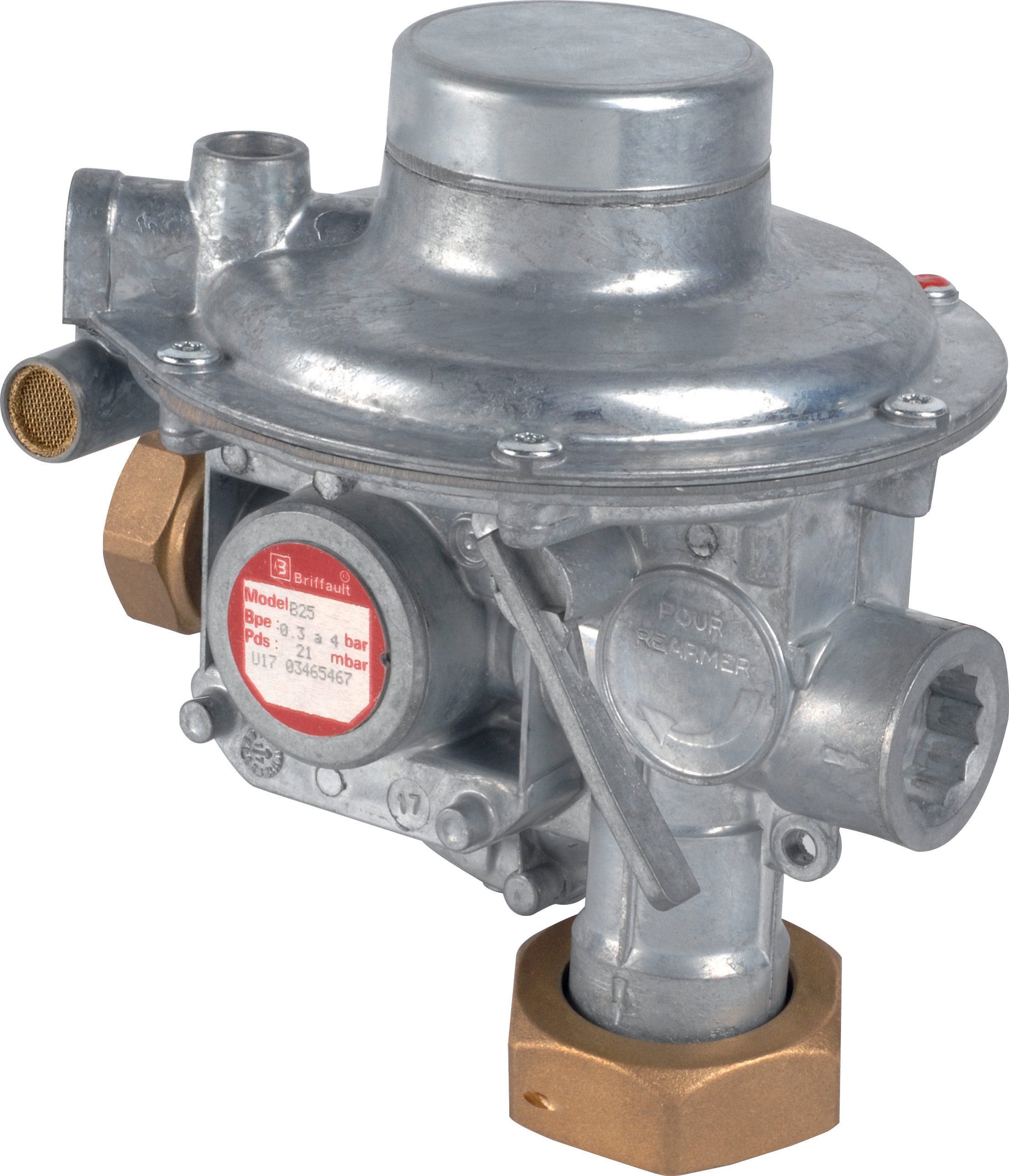
Table of Contentsexpand_more
Understanding Industry Applications in Southeast Asian Context
Industry applications in Southeast Asia present unique technical challenges that differ significantly from European or North American environments. The region's diverse manufacturing sectors—from automotive assembly in Thailand to petrochemical operations in Singapore and food processing in Vietnam—demand equipment that can perform reliably in high-humidity, high-temperature conditions while meeting varying regulatory standards across multiple countries.
Drawing on 35+ years of industrial equipment distribution experience, 3G Electric has supported hundreds of procurement projects across Southeast Asia. The critical distinction when evaluating industry applications lies in understanding how regional factors impact equipment selection: ambient temperature ranges of 25-40°C, humidity levels exceeding 80%, corrosive salt-air environments in coastal zones, and inconsistent power quality in developing manufacturing zones. These conditions directly influence which gas regulators, hydraulic pumps, and spray systems will deliver optimal performance and longevity.
As a procurement engineer, your evaluation process must account for these environmental stressors from the initial specification phase. Equipment that performs adequately in controlled European warehouses may struggle in tropical Southeast Asian production facilities without proper material selection and preventive maintenance protocols.
Phase 1: Mapping Application Requirements and Environmental Constraints
Defining Operational Parameters
Begin your evaluation by documenting the specific operational requirements of your application:
- Pressure ranges: Establish minimum, nominal, and peak operating pressures. Many Southeast Asian applications require systems capable of handling 200-210 bar continuous pressure with occasional transient spikes.
- Flow rate demands: Quantify volumetric requirements in liters per minute. For example, precision coating applications may need 106-211 L/min depending on nozzle configuration and coverage area.
- Duty cycle: Define continuous versus intermittent operation. Southeast Asian manufacturing often runs extended shifts (16+ hours daily), requiring equipment with thermal management capabilities.
- Gas or fluid type: Identify whether you're working with compressed air, inert gases, hydraulic oils, or specialty fluids. Safety regulations for gas systems vary significantly across Indonesia, Malaysia, Singapore, and Thailand.
Environmental Assessment
Conduct a detailed site assessment addressing Southeast Asian climate factors:
Temperature management: Ambient temperatures in manufacturing zones frequently reach 35-40°C. Equipment like the Francel B25/37mb pressure regulator with safety relief must be installed with consideration for heat dissipation, as elevated temperatures affect pressure calibration and relief valve response times.
Humidity and corrosion: Coastal and riverine locations experience salt-air corrosion. Standard carbon steel components deteriorate rapidly; specify stainless steel or coated alternatives where budgets allow. High humidity (80%+ RH) accelerates electrochemical corrosion on unprotected metal surfaces.
Power infrastructure: Many Southeast Asian facilities experience voltage fluctuations (±10% nominal) and occasional brown-outs. Electric-driven pumps must tolerate these conditions. The Interpump PUMP E1D1808 L operates at 2800 rpm with 2.72 kW input, but installation should include voltage stabilization equipment to prevent premature motor failure.
Space constraints: Land costs drive vertical integration and compact equipment layouts in Southeast Asian manufacturing zones. High-performance pumps like the Pratissoli MW40 (211 L/min, 210 bar) deliver significant capacity in a 264 kg footprint—critical for space-constrained operations.
Phase 2: Equipment Selection Framework for Compressed Gas and Hydraulic Systems
Gas Regulation and Safety Systems
Gas pressure regulation represents a critical control point in compressed gas distribution systems. Your specification must address:
Outlet pressure precision: The Francel B25/37mb regulator delivers consistent 37 mbar outlet pressure with integrated safety relief and a 10 mm vent size. This configuration suits laboratory gas distribution and low-pressure industrial applications. When specifying:
- Confirm outlet pressure compatibility with downstream equipment (analytical instruments, process control systems, burners)
- Verify relief valve setting matches your system's maximum allowable working pressure (MAWP)
- Ensure vent sizing accommodates relief flow during pressure spikes without creating backpressure
Installation considerations: Gas regulators must be mounted vertically or per manufacturer specifications to ensure proper diaphragm operation. In high-humidity Southeast Asian environments, specify stainless steel wetted surfaces and protect electrical connections from moisture ingress.
High-Pressure Pump Selection
Hydraulic and fluid transfer pumps form the energy core of most industrial applications. Your selection process should evaluate:
Flow-pressure optimization: The Pratissoli KF30 pump delivers 106 L/min at 200 bar with 40 kW input—suitable for moderate-duty industrial cleaning and spray applications. The Pratissoli MW40 provides 211 L/min at 210 bar with 85 kW input for high-duty coating, cleaning, and fluid transfer applications. Select based on actual duty requirements:
- Intermittent spray/coating applications: KF30 range typically sufficient
- Continuous production lines: MW40 or higher capacity required
- Peak demand management: Conduct load profiling over 24-hour cycles to avoid oversizing (which increases operating costs)
Compact industrial gear pumps: For applications requiring integrated motor-pump units in space-constrained areas, the Interpump PUMP E1D1808 L (8 L/min, 180 bar, 2.72 kW, 5 kg) provides a miniaturized solution. These compact units suit auxiliary hydraulic circuits, oil transfer systems, and pressure boost applications where space is premium and flow demands are modest.
Thermal management: Southeast Asian ambient temperatures require attention to pump operating temperature. Specify systems with integrated or external cooling capacity. High-pressure pumps generate heat; without adequate cooling, fluid temperatures exceed 70°C, degrading seal performance and reducing oil viscosity.
Spray and Distribution Components
For applications involving precision spray patterns, the Euspray flat jet nozzle HP 1/4" M BSPT index 30, 25° angle provides targeted coverage for industrial cleaning and coating operations. When specifying spray systems:
- Spray angle selection: 25° angles suit wide, shallow spray patterns for coating large flat surfaces. Narrower angles (typical 15°) concentrate energy for precision cleaning.
- Pressure compatibility: Euspray nozzles rated for high-pressure applications; confirm operating pressure stays within nozzle specifications to prevent erosion and pattern degradation.
- Connection standards: 1/4" M BSPT threading ensures compatibility with standard industrial quick-disconnect couplings and manifold ports common across Southeast Asian equipment.
- Material durability: Brass body construction resists corrosion better than steel but requires stainless steel wetted surfaces in coastal environments.
Phase 3: Integration Strategy and Performance Optimization
System Configuration and Component Compatibility
Equipment doesn't operate in isolation. Your procurement strategy must ensure seamless integration:
- Pressure matching: If your KF30 pump (200 bar) connects to components rated 210 bar, you have minimal safety margin. The 10 bar differential leaves no room for transient spikes. Specify relief valves tuned to 190 bar maximum to maintain safety margin.
- Flow rate verification: Ensure nozzles, manifolds, and distribution lines can handle pump flow without exceeding velocity limits (typically 4-5 m/s in hoses, 2-3 m/s in galleries). Oversized piping wastes energy; undersized piping creates pressure drop and heat.
- Electrical integration: High-power pumps (MW40 at 85 kW) require dedicated electrical circuits with appropriately sized starters. Southeast Asian facilities often feature shared electrical infrastructure; coordinate with facility managers to prevent voltage sag affecting other equipment.
Maintenance and Spare Parts Logistics
3G Electric's 35+ years distributing industrial equipment across Asia-Pacific positions us to support rapid spare parts availability—critical for Southeast Asian operations where downtime costs are significant.
Spare parts specification: When procuring pumps and regulators, immediately order backup seal kits, relief valve cartridges, and gaskets. Equipment failure during production runs costs far more than preventive spare part investment.
Vendor relationships: Establish direct relationships with equipment suppliers for technical support. Italian-engineered Pratissoli pumps (Interpump Group products) provide superior documentation; ensure your team has access to technical manuals and application guides.
Training requirements: Southeast Asian technicians unfamiliar with specific equipment brands benefit from manufacturer-led training. Budget for this when procuring new equipment lines.
Phase 4: Cost-Benefit Analysis and Long-Term Planning
Total Cost of Ownership Framework
Equipment selection extends beyond purchase price. Evaluate comprehensive ownership costs:
- Energy consumption: Calculate annual energy costs based on pump power rating, duty cycle, and local electricity rates.
- Maintenance labor: High-pressure systems require quarterly inspections, annual seal replacements, and periodic fluid analysis. Budget $200-500 per equipment piece annually.
- Fluid costs: Hydraulic oil replacement typically occurs every 2-3 years at 50-100 liters per system, costing $500-2000 depending on oil specification.
- Downtime impact: If production generates $500 per hour revenue, equipment reliability becomes paramount. A slightly more expensive pump with superior reliability may deliver 10x ROI through reduced downtime.
Regional Procurement Strategy
As a procurement engineer, leverage Southeast Asia's diverse manufacturing base:
- Singapore sourcing: Tight regulatory compliance and established distribution networks make Singapore ideal for premium equipment requiring certification.
- Thailand operations: Competitive pricing on standard equipment; 3G Electric maintains inventory supporting quick delivery across Thailand's automotive and industrial sectors.
- Multi-country deployments: For regional manufacturers operating in Vietnam, Indonesia, and Malaysia, establish master agreements with single distributors like 3G Electric to simplify spare parts management and warranty administration across borders.
Key Decision Checkpoints
Before finalizing procurement:
1. Confirm environmental ratings: Verify equipment specifications explicitly address 25-40°C ambient, 80%+ humidity, and salt-air corrosion resistance where applicable.
2. Document safety compliance: Obtain third-party certifications (CE, UL, local approvals) for all pressure-containing equipment and gas regulators.
3. Validate integration compatibility: Pressure, flow, and connection standards must align across all system components.
4. Establish support infrastructure: Confirm spare parts availability, technical documentation access, and maintenance training availability before equipment deployment.
5. Plan thermal management: Specify cooling capacity adequate for Southeast Asian ambient temperatures with full operating loads.
With careful attention to regional environmental factors, rigorous specification of compatible components, and strategic vendor partnerships, procurement engineers can deploy industrial equipment across Southeast Asia with confidence in performance, reliability, and total cost optimization.