Industry Applications: Hazardous Environment Pump Selection and ATEX Compliance for Singapore Manufacturing
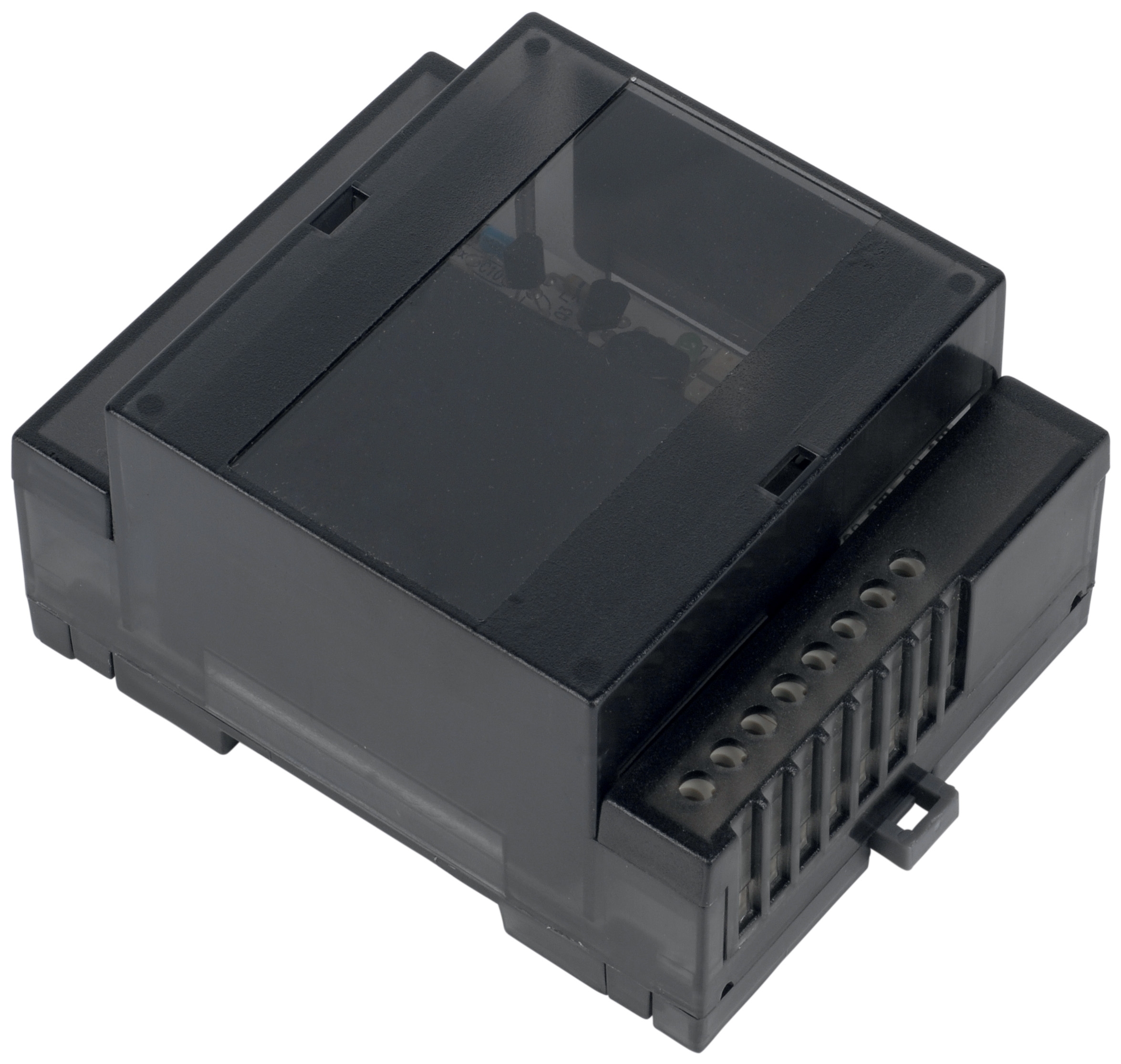
Table of Contentsexpand_more
Understanding Industry Applications in Hazardous Environments
Industry Applications for fluid power systems operating in hazardous zones demand more than standard component selection—they require compliance with international safety standards, proper equipment certification, and systematic integration protocols. For Singapore plant managers operating in chemical processing, petrochemical refining, pharmaceutical manufacturing, or other explosive-atmosphere environments, understanding ATEX (Atmosphères Explosibles) compliance is essential to operational continuity and worker safety.
With over 35 years of experience supplying industrial equipment across Southeast Asia, 3G Electric recognizes that hazardous environment applications represent a unique category of fluid power requirements. These systems operate where atmospheric conditions may contain flammable gases, vapors, or dusts—situations that demand equipment specifically engineered and certified for these conditions. Unlike standard industrial pumps, ATEX-compliant equipment undergoes rigorous testing and certification to prevent ignition sources that could trigger catastrophic incidents.
This technical guide addresses practical considerations plant managers face when specifying pumps for hazardous zones, integrating certified equipment into existing systems, and maintaining compliance throughout the equipment lifecycle.
ATEX Compliance Framework and Pump Selection Criteria
Understanding ATEX Certification Levels
ATEX certification divides hazardous locations into categories based on atmospheric conditions and exposure frequency. Category 1G equipment operates in areas where explosive atmospheres occur frequently or for extended periods. Category 2G covers locations where explosive atmospheres occur occasionally under normal operation. Category 3G addresses areas where explosive atmospheres rarely occur and persist only briefly.
Your selection process begins by classifying your operation's hazard zone. A pharmaceutical powder filling line represents a different risk profile than a chemical storage facility with occasional vapor release. This classification determines which equipment category you must specify.
The Interpump PUMP W2035 L ATEX exemplifies Category 2G equipment engineering. Delivering 35 L/min at 200 bar with 13.23 kW power rating, this pump incorporates design features that eliminate potential ignition sources:
- Sealed bearing assemblies prevent external dust ingress and spark generation from friction
- Non-sparking materials in pressure-contact components reduce ignition risk
- Temperature management systems limit surface temperatures to safe levels
- Electrical safety design meets Group II Category 2G specifications for gas atmospheres
When evaluating ATEX pumps for your facility, verify that certification documentation includes your specific application classification. A pump certified for Category 2G may not be suitable for Category 1G environments requiring higher safety margins. Request the conformity assessment body (notified body) designation on technical documentation—this third-party verification confirms legitimate testing and certification.
Integration Challenges in Hazardous Environments
ATEX compliance extends beyond the pump itself. Your entire fluid power system must maintain hazardous-area integrity. This means:
Cable routing and penetrations: Electrical connections to ATEX equipment require sealed conduits and approved glands. Standard industrial wiring practices create pathways for explosive atmospheres to travel between hazardous zones and control areas.
Pressure relief systems: Standard relief valves may not meet ATEX requirements if their internal design creates spark-generating conditions. Approved alternatives cost 15-25% more than conventional equipment but provide essential safety assurance.
Accessory compatibility: Gearboxes, couplings, and transmission components connected to ATEX pumps must either carry ATEX certification themselves or be engineered as part of a certified system assembly. The Interpump GEARBOX RS500 represents equipment that must be evaluated within your complete system design—its 18.5 kW power transmission capability must be confirmed compatible with your pump's operating envelope and your hazard zone category.
Fluid selection: Hydraulic fluids affect equipment surface temperatures and static discharge potential. Some ATEX installations require conductive fluids or specific fluid types to maintain certification.
Practical Pump Selection for Common Singapore Industrial Applications
Chemical Processing and Batch Operations
Chemical plants typically operate with multiple hazard zones—some containing powder atmospheres, others with solvent vapors. Plant managers often need flexibility to move equipment between zones or upgrade capacity without complete system replacement.
The Pratissoli KF30 pump offers 106 L/min at 200 bar with 40 kW power input, making it suitable for high-flow applications where standard ATEX pumps may be undersized. However—and this is critical—the KF30 standard configuration is not ATEX-certified. If your operation requires this flow rate in a hazardous zone, you face two choices:
1. Specify a custom ATEX variant (if the manufacturer offers certification in your application class)
2. Design a system using smaller ATEX pumps in parallel configuration
3. Relocate this pump outside the hazardous zone and use explosion-proof piping to deliver fluid to hazard-area equipment
Most Singapore chemical processors choose option three: keeping high-flow pumps in designated non-hazardous machine rooms with remote hazard-area control. This approach reduces equipment costs while maintaining compliance.
Pharmaceutical and Food Processing Operations
Pharmaceutical powder handling and food processing environments frequently contain explosive dust atmospheres. These industries demand both ATEX compliance and frequent system sanitization, creating unique challenges.
The Pratissoli SN7045 L pump delivers 45 L/min at 210 bar with 18.4 kW motor running at 1450 rpm. For dust-hazard environments in these industries, ATEX certification combined with sealed bearing design prevents powder infiltration that compromises equipment integrity. At this power level, the SN7045 L represents a mid-range option that balances flow capacity with the cost premium of specialized certification.
Pharmaceutical operations particularly benefit from ATEX equipment because FDA and health authority audits specifically evaluate hazardous atmosphere controls. Documented equipment certification becomes audit evidence of management competence and risk control.
Monitoring and Combustion Safety Integration
ATEX compliance isn't purely mechanical—it includes combustion safety systems in facilities using burners alongside fluid power equipment. The Combutech Flame relay CF1 provides combustion monitoring that integrates with facility safety architecture.
This module's 1 A @ 250 VAC and 1 A @ 30 VDC ratings support up to 10 UV detectors monitoring burner flame presence. For plants where fluid heating systems operate near explosive atmospheres, coordinating burner safety (confirmed flame detection) with pump operation (ATEX-compliant equipment) creates comprehensive risk management:
- Flame presence verification prevents uncontrolled heat that could trigger dust ignition
- Detector signal monitoring provides continuous system status visible to plant operators
- Fault detection logic shuts down non-essential equipment if flame sensors fail or detect anomalies
Many Singapore food and pharmaceutical processors integrate these monitoring systems into their hazard-area control schemes, creating a safety ecosystem rather than isolated compliant components.
Implementation and Lifecycle Management
Documentation and Certification Maintenance
Specifying ATEX equipment is only the first step. Plant managers must maintain compliance throughout the equipment lifecycle:
Installation verification: Before startup, confirm that installation meets the pump manufacturer's specifications for your hazard zone category. Many certification failures result from installation deviations—different motor coupling sizes, non-approved adapter fittings, or improper electrical termination.
Training and operational procedures: Staff must understand why standard maintenance practices don't apply. A technician cannot substitute a standard bearing with an industrial equivalent "because it's the same size"—ATEX integrity depends on specified components.
Inspection scheduling: ATEX equipment typically requires inspection at 12-24 month intervals (depending on category and local regulations). Singapore's Ministry of Manpower provides guidance on inspection frequency. Budget for periodic third-party certification review.
Spare parts strategy: Maintain certified spare components in inventory. A failed bearing on an ATEX pump cannot be replaced with standard industrial equivalents pulled from your maintenance stock. This extends procurement lead times by 2-4 weeks in hazardous applications.
Cost-Benefit Analysis for Plant Managers
ATEX-compliant equipment typically costs 20-35% more than standard industrial alternatives. For a single 35 L/min pump like the W2035 L ATEX, this represents a significant capital outlay. However, the analysis should consider:
- Insurance premiums: Proper ATEX compliance often qualifies operations for standard industrial insurance rates rather than high-risk premiums (potential savings: 15-20% on facility insurance)
- Regulatory penalties: Singapore's Ministry of Manpower takes hazardous atmosphere compliance seriously. Non-compliant equipment invokes substantial fines and operational shutdown orders
- Downtime avoidance: Hazard-area incidents affect entire facility operations, not just the affected zone. A single ignition event can suspend operations for weeks during investigation and remediation
- Workforce safety: The primary benefit—preventing incidents that injure or kill workers—transcends financial calculation
Conclusion
Industry Applications in hazardous environments require plant managers to shift from standard pump selection criteria to compliance-first thinking. ATEX certification, hazard zone classification, system integration, and lifecycle management become operational imperatives rather than optional enhancements.
3G Electric's 35+ years supplying industrial equipment across Southeast Asia include extensive experience with hazardous-area applications. Whether you're specifying initial systems or upgrading existing operations, our team can guide you through certification requirements, equipment compatibility, and long-term compliance strategies. Contact us to discuss your specific hazard zone classification and fluid power requirements.