Industry Applications: Hazardous Environment Pump Selection and ATEX Compliance for Singapore Maintenance Teams
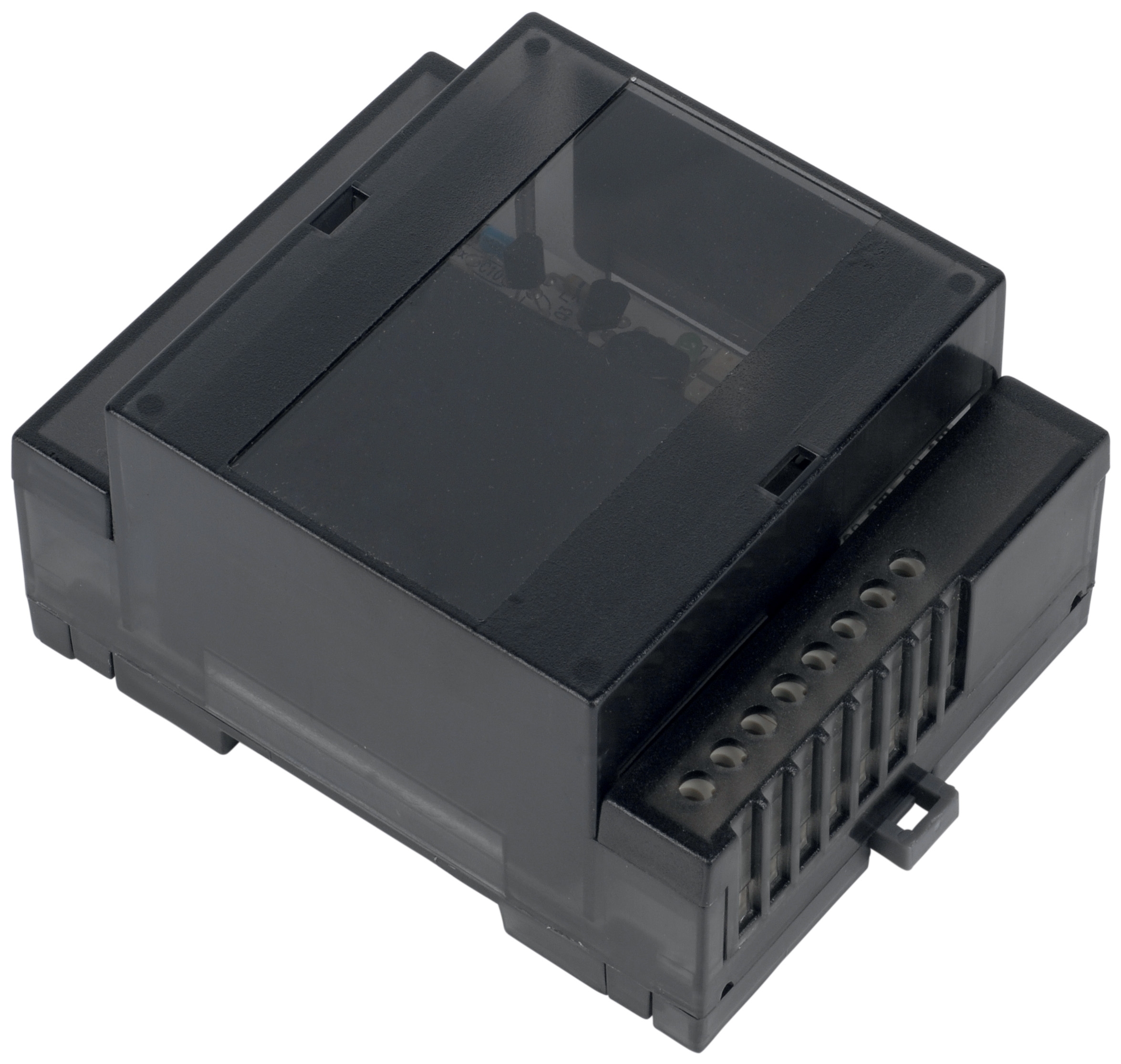
Table of Contentsexpand_more
Understanding Industry Applications in Hazardous Environments
Industry Applications in hazardous zones demand specialized equipment engineered for explosive atmospheres. Across Singapore's petrochemical refineries, chemical manufacturing plants, and pharmaceutical facilities, maintenance teams face complex compliance requirements while ensuring operational continuity. With over 35 years of experience supplying industrial equipment, 3G Electric understands the critical intersection between safety certification, system performance, and maintenance efficiency in these specialized environments.
Hazardous location classifications in Singapore follow international standards (IEC 60079 series), requiring equipment rated for Zones 1 and 2 (gas) or Zones 21 and 22 (dust). Maintenance teams must verify ATEX certification documentation before component installation, as non-compliant equipment in explosive atmospheres creates both legal and operational risks. The distinction between equipment groups and categories determines which applications are permissible—Group II Category 2G equipment suits Zone 1 gas atmospheres, while Category 3G serves Zone 2 applications.
ATEX Pump Selection and Certification Requirements
The Interpump PUMP W2035 L ATEX represents the engineering standard for high-pressure applications in explosive atmospheres. Delivering 35 L/min at 200 bar with 13.23 kW power, this pump is specifically engineered with ATEX compliance integrated into its design—not added as an afterthought. The "L ATEX" designation confirms category-specific certification that maintenance teams must cross-reference against system documentation.
When evaluating hazardous environment pumps, maintenance teams should verify five critical certification elements:
- Equipment Group and Category: Confirm Group II (gas) or Group III (dust) classification and Category rating (1, 2, or 3) against your facility's zone classification
- Certification Body Markings: European Notified Body numbers (four-digit codes) validate independent testing and certification legitimacy
- Pressure and Flow Ratings: Confirm nominal parameters match system design specifications—oversizing creates inefficiency and accelerates component wear in explosive atmospheres
- Temperature Class: Verify surface temperature limits (T1 through T6) stay below auto-ignition temperatures for your specific gas or vapor mixture
- Mechanical Integrity Documentation: Request certification of sealing systems, bearing housings, and pressure boundary integrity
The W2035 L ATEX pump's certification package includes surface temperature monitoring provisions, enabling maintenance teams to track thermal performance during operation. In hazardous zones, thermal runaway conditions represent critical failure modes—regular temperature logging during commissioning establishes baseline data for predictive maintenance protocols.
System Integration and Pressure Management in Explosive Atmospheres
Hazardous environment systems require pressure regulation components that prevent surge conditions and maintain stable operating envelopes. The Pratissoli KF30 high-performance pump (106 L/min, 200 bar, 40 kW) addresses higher-flow applications where multiple injection points or continuous-duty cycles demand substantial fluid delivery. When integrating the KF30 with ATEX-rated pressure systems, maintenance teams must account for system complexity—higher flow rates in explosive atmospheres increase heat generation and require enhanced cooling provisions.
Pressure relief integration becomes critical in hazardous zones. Traditional relief systems may create ignition sources through fluid turbulence and adiabatic compression at relief orifices. Compliant system design incorporates:
- Pilot-Operated Relief Valves: These systems maintain lower pressure ripple and reduced heat generation compared to direct-acting designs
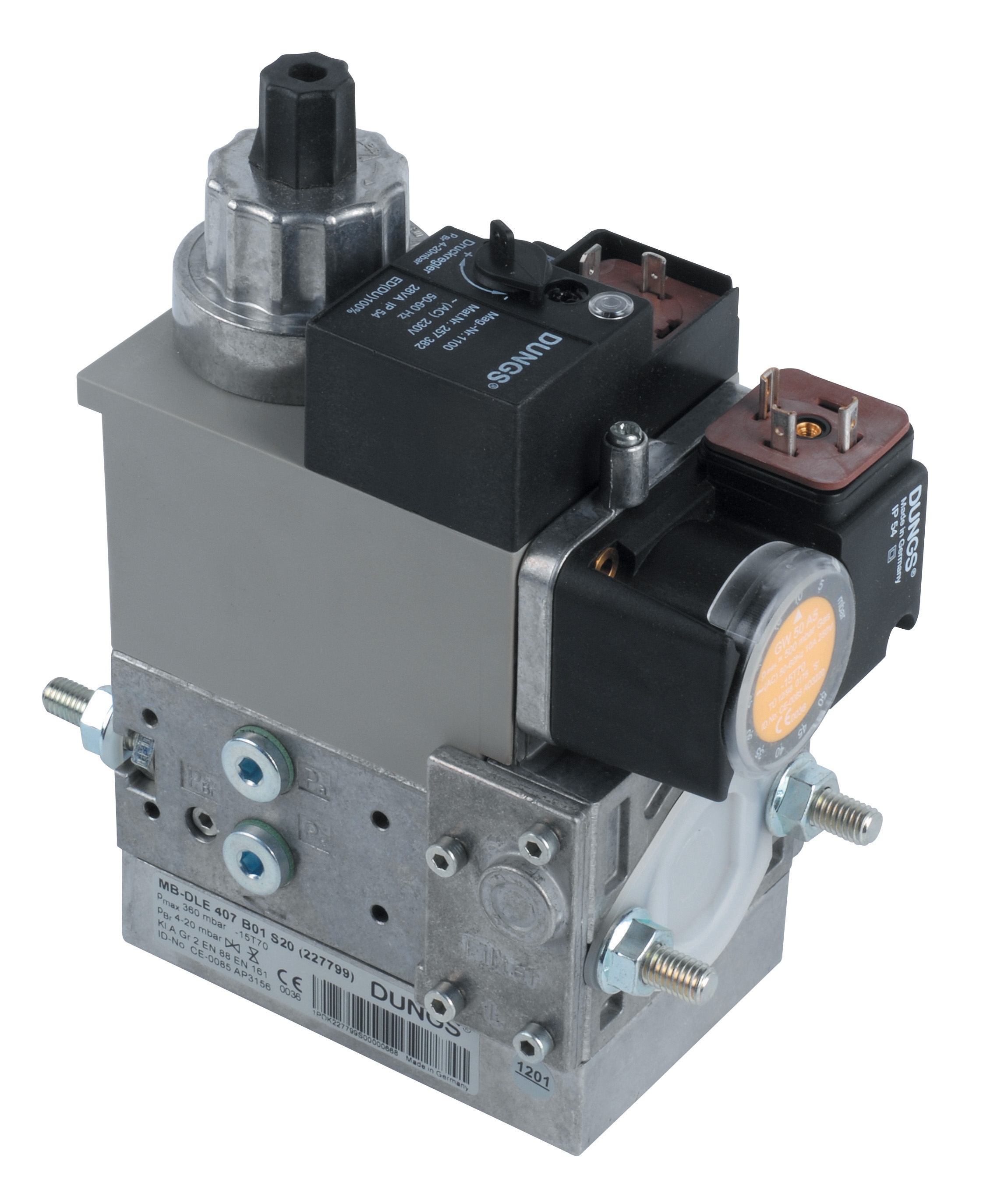
- Manifold Integration: Combining pumps, relief valves, and flow control components in certified manifolds reduces connection points and leak risks
- Pressure Switch Compatibility: Relief system feedback must utilize ATEX-rated pressure switches with appropriate contact ratings and enclosure protection
The Pratissoli SN7045 L pump (45 L/min, 210 bar, 18.4 kW) suits mid-range hazardous environment applications, particularly in chemical transfer operations where pressure consistency prevents process variation. System design should isolate this pump with dedicated pressure control to prevent pressure transients from propagating into adjacent non-hazardous circuits.
Maintenance teams frequently encounter retrofit scenarios where non-compliant legacy systems require ATEX upgrades. This approach demands systematic component replacement—installing a single ATEX-rated pump into a system with non-compliant relief valves or pressure switches creates dangerous compliance gaps. A comprehensive audit identifying all pressure-boundary components and electrical interfaces ensures cohesive certification status throughout the fluid power circuit.
Combustion System Safety Integration and Flame Detection
Many hazardous environment applications in Singapore combine fluid power systems with combustion processes—combined heat and fluid recovery systems, thermal fluid heaters, and burner-integrated pump assemblies. The Combutech Flame relay CF1 provides flame detection for burner safety circuits operating within or adjacent to explosive atmospheres.
The CF1's IP40 enclosure rating and polycarbonate UL94-V0 housing meet material requirements for hazardous locations, while its 10 UV detector capacity enables multi-burner monitoring in integrated systems. Maintenance teams must understand the distinction between flame detection (safety function) and explosion-rated equipment (operational performance)—these serve complementary but separate compliance objectives.
In combined systems integrating the KF30 pump with burner assemblies, flame detection circuits prevent fluid injection into non-ignited combustion chambers, averting pressure surges and thermal excursions that could trigger explosive conditions. Programming the flame relay with appropriate UV sensitivity and response timing requires commissioning verification—test procedures should confirm detector response to actual flame signatures within your facility's specific burner configuration.
Maintenance protocols for combustion-integrated systems mandate:
- Monthly UV Detector Inspection: Visual verification that UV windows remain clean and unobstructed—deposits reduce sensitivity and create false flame-out conditions
- Quarterly Flame Relay Self-Test: Actuate test circuits confirming relay response within specified timing windows (typically 1-3 seconds)
- Annual Thermal Imaging: Document burner flame pattern consistency—deteriorating flame signatures often precede detector failures
Maintenance Strategy and Component Lifecycle Management
Hazardous environment equipment operates under operational constraints that accelerate component wear compared to non-classified systems. Temperature monitoring, pressure cycling, and seal degradation progress faster in explosive atmospheres due to stricter design margins and thermal management priorities.
Develop maintenance intervals based on operating duty cycles rather than calendar schedules. The W2035 L ATEX pump operating continuously at rated pressure generates thermal loads requiring quarterly filter inspections and semi-annual fluid analysis. Fluid degradation accelerates in hazardous systems due to temperature cycling—thermal stress on synthetic fluids common in ATEX applications produces varnish deposits that clog pilot-operated relief systems and reduce detector sensitivity.
Establish baseline documentation during commissioning:
- Pressure Ripple Profiles: Capture pump discharge pressure oscillation (typically 50-100 psi ripple) using high-speed data loggers—comparison against baseline reveals internal component wear
- Thermal Mapping: Document surface temperatures at pump housing, motor frame, and pressure connections using thermal imaging—10-15°C increases above baseline indicate cooling system degradation or elevated bearing friction
- Vibration Signatures: Baseline acceleration data at pump feet and manifold mounting points enables detection of bearing wear, cavitation, or misalignment before catastrophic failure
Replacement component procurement requires documented ATEX certification matching your facility's zone classification and equipment category. 3G Electric maintains verified supplier relationships ensuring authentic certification documentation and traceability—counterfeit ATEX-marked equipment represents a significant risk in high-volume procurement environments.
When decommissioning failed ATEX equipment, maintain component history records and certification documents for regulatory compliance and future incident investigation. Singapore's Factories Act requires preservation of equipment service records for hazardous location installations—documentation supports regulatory audits and insurance claims following system incidents.
Practical Commissioning Protocols for ATEX System Startup
Successful hazardous environment system commissioning requires systematic verification before operational handover. Maintenance teams should execute this pre-startup checklist:
Certification Verification Phase
- Collect ATEX certification documents for every pressure-boundary component
- Cross-reference zone classification against equipment category ratings
- Verify electrical equipment certificates match facility electrical classification (gas group and temperature class)
- Confirm manifold designs and interconnecting tubing carry certification documentation
- Operate system at 25%, 50%, 75%, and 100% rated pressure, logging temperature and pressure ripple at each step
- Execute flame relay test circuits confirming UV detector response within specified timing
- Verify pressure relief system functions at set pressure ±5% with repeatable response
- Confirm thermal shutdown systems (if equipped) activate at specified temperature thresholds
- Generate site-specific system documentation identifying all certified components and their certification status
- Establish maintenance schedule with task-specific intervals
- Create operator training requirements and competency verification protocols
- File documentation with facility safety department and regulatory authorities as required
Maintenance teams with prior experience in non-classified systems often underestimate the documentation rigor required for hazardous environments. ATEX compliance represents an ongoing obligation—documentation must remain current and accessible throughout equipment lifecycle, supporting audits and incident investigations conducted years after commissioning.
With 35 years supplying industrial equipment across Southeast Asian manufacturing sectors, 3G Electric recognizes that hazardous environment expertise extends beyond component specifications to encompassing certification management, regulatory navigation, and system-level safety validation. Maintenance teams addressing ATEX requirements benefit from supplier partnerships providing not just equipment, but comprehensive compliance guidance tailored to Singapore's regulatory environment and your facility's specific operational context.