Power Output vs. Flow Capacity Trade-offs in Industry Applications: Selecting Optimal Pump Systems for Southeast Asian Facilities
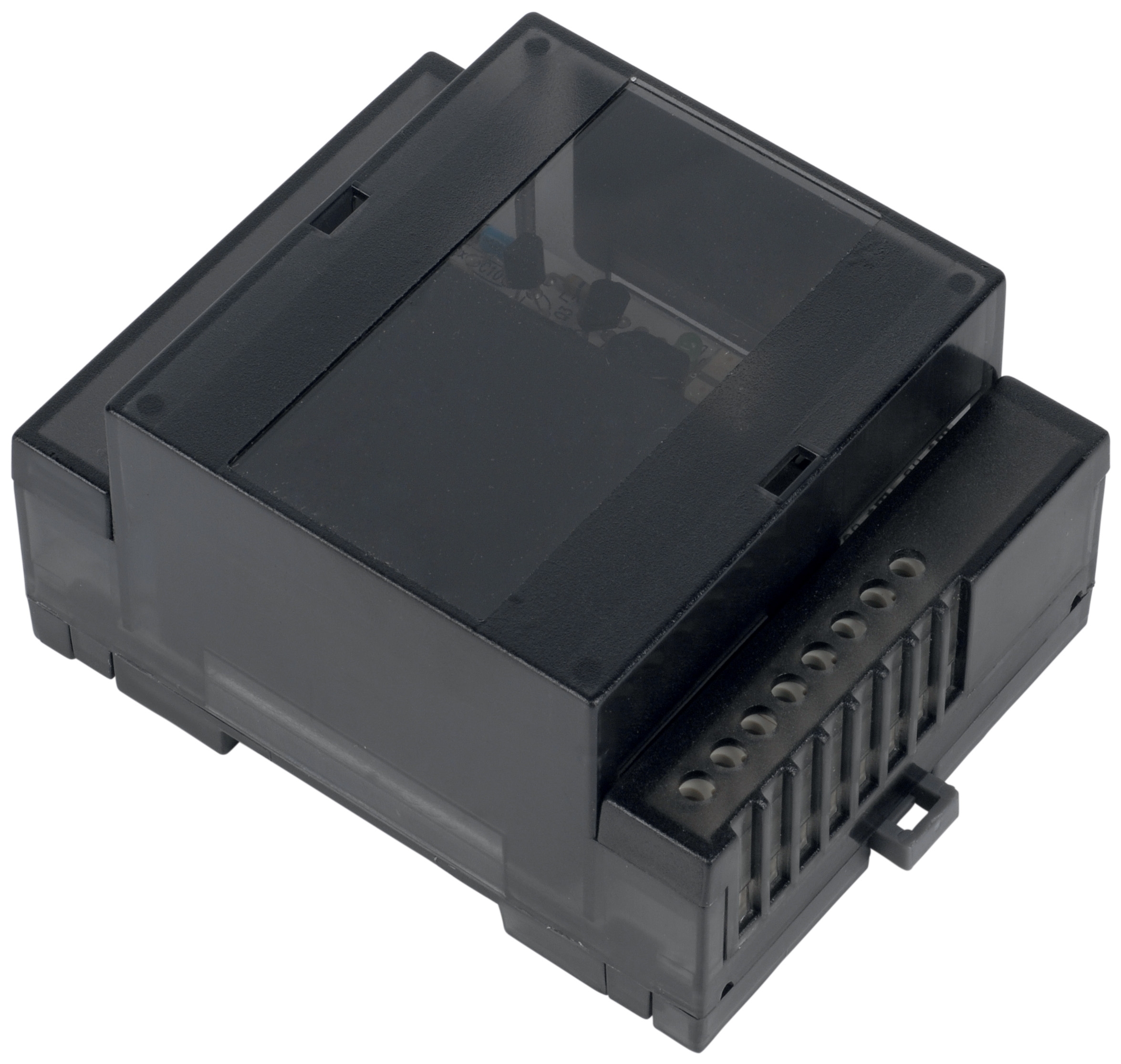
Table of Contentsexpand_more
Understanding Power-to-Flow Efficiency in Industry Applications
When selecting pump systems for Industry Applications across Southeast Asian manufacturing facilities, industrial professionals must evaluate the relationship between motor power ratings and delivered flow capacity. The efficiency of this conversion directly impacts operational costs, equipment longevity, and system performance. With over 35 years of experience distributing industrial equipment across Asia-Pacific markets, 3G Electric has observed that many facility managers default to oversized systems without understanding the technical trade-offs involved.
The fundamental principle is straightforward: not all applications require maximum power output. A pump delivering 45 L/min at 18.4 kW serves different operational needs than a system providing 35 L/min at 13.23 kW. The difference lies not merely in numbers, but in how each configuration addresses pressure maintenance, thermal management, and cost-per-liter delivered. Southeast Asian manufacturing environments—from food processing plants in Thailand to chemical facilities in Singapore—demand systems engineered for their specific pressure and volume requirements.
High-Power Systems for Demanding Industry Applications
The Pratissoli SN7045 L represents the high-power category, delivering 45 L/min at 210 bar pressure with an 18.4 kW motor running at 1450 rpm. This configuration is engineered for operations requiring sustained flow over extended periods, particularly in high-pressure hydraulic and fluid-transfer applications where volume consistency matters more than minimizing energy consumption.
For facility managers operating continuous production lines—such as automotive parts coating operations or industrial cleaning systems—the SN7045 L provides distinct advantages. The higher power rating maintains consistent pressure delivery even when system resistance increases over operational hours. In Southeast Asian contexts, where ambient temperatures can reach 35°C or higher, this power margin prevents pressure drop during peak demand periods.
The 210 bar rating positions this pump at the upper end of standard industrial specifications, making it suitable for applications requiring aggressive material processing or precision spray atomization. Facilities operating in Malaysia, Vietnam, or Indonesia that manage heavy-duty equipment maintenance or high-volume production runs benefit from this configuration because the system operates below maximum capacity under normal conditions, extending component life and reducing maintenance intervals.
Mid-Range Power Solutions for Balanced Industry Applications
The Interpump PUMP W2035 L ATEX occupies the middle ground with 35 L/min at 200 bar, powered by 13.23 kW. This specification is particularly relevant for Southeast Asian facilities operating in hazardous environments—petrochemical plants, solvent processing facilities, or paint manufacturing operations—where ATEX compliance is mandatory rather than optional.
The efficiency advantage of mid-range systems becomes apparent when analyzing cost-per-liter delivered. While the W2035 L delivers 22% less flow than the SN7045 L, it consumes 28% less power. For facilities running 16-hour operational shifts, this efficiency differential translates to measurable cost reduction. In Singapore's energy-intensive manufacturing sector, where electricity costs average $0.24 per kWh, annual power savings on a single pump system can exceed $8,000 USD.
The ATEX certification adds another dimension to Industry Applications selection in Southeast Asia. Facilities managing flammable solvents, explosive atmospheres, or dust-prone environments cannot compromise on compliance. The W2035 L addresses both efficiency and regulatory requirements simultaneously, making it the preferred solution when compliance and cost optimization must coexist.
Flow-Optimized Systems and Their Strategic Applications
The Pratissoli KF30 delivers 106 L/min at 200 bar with 40 kW power, representing the flow-optimized category. This system nearly triples the flow capacity of the W2035 L while delivering three times the power. However, the relationship is non-linear: flow capacity increases by 203%, while power increases by 202%, indicating exceptional efficiency in this specification range.
Flow-optimized systems serve distinct Industry Applications within Southeast Asian markets. High-volume industrial cleaning operations—such as pre-treatment systems for automotive manufacturing or membrane cleaning in water treatment facilities—require sustained high-flow delivery. The KF30's capacity of 106 L/min enables operators to complete cleaning cycles in half the time compared to lower-flow alternatives, directly improving production throughput.
For facilities in Thailand or Indonesia operating large-scale equipment cleaning operations, the KF30 represents a productivity investment rather than purely an operational expense. A facility cleaning industrial heat exchangers or high-capacity processing equipment can reduce downtime significantly by selecting flow-optimized systems. When production stoppage costs $2,000+ per hour, investing in higher-capacity equipment becomes economically justified.
System Integration Considerations for Southeast Asian Facilities
Selecting the optimal pump system requires understanding how equipment integrates with existing infrastructure. The Interpump GEARBOX RS500 demonstrates a critical integration point—transmission accessories that extend pump capability by modifying torque-to-speed ratios. With 18.5 kW maximum power transmission and a 2.2 ratio, this gearbox transforms the operational characteristics of connected pump systems.
Facility managers in Southeast Asia must consider engine availability and coupling requirements. A pump specified at 1450 rpm may require gearbox integration if connected to slower engines (900 rpm motors are common in some regions). The RS500 addresses this incompatibility, but adds cost and complexity. Understanding these integration requirements prevents specification errors that delay equipment installation and increase project costs.
For hazardous environment Industry Applications, the Combutech Flame relay CF1 represents a safety integration requirement rather than optional enhancement. This combustion flame detection module, rated 1 A @ 250 VAC and supporting up to 10 UV detectors, provides essential monitoring for facilities operating burner systems in connection with high-pressure pump equipment. Southeast Asian facilities managing industrial heating or processing equipment must ensure detection systems are compatible with pump system activation sequences.
Practical Selection Framework for Southeast Asian Professionals
Three primary decision criteria guide pump selection for Industry Applications in Southeast Asia:
Throughput Demand: Facilities requiring 40+ L/min sustained flow should prioritize flow-optimized systems like the KF30. Operations maintaining lower-volume processes benefit from the efficiency of mid-range solutions.
Pressure Sustainability: Applications requiring consistent 200+ bar delivery over extended periods demand systems with adequate power margins. The SN7045 L and KF30 both deliver this margin reliably.
Compliance Requirements: Hazardous environment operations mandate ATEX-certified equipment. The W2035 L ATEX provides compliance without oversizing for non-demanding pressure applications.
Integration Complexity: Existing engine specifications and available coupling configurations influence equipment selection. Gearbox accessories like the RS500 address mismatches but increase system cost and maintenance requirements.
With 35+ years of experience distributing industrial equipment across Southeast Asia, 3G Electric understands that optimal equipment selection balances initial acquisition cost against operational expense, maintenance frequency, and production impact. The lowest-cost pump is rarely the most economical choice when accounting for energy consumption, downtime, and system longevity.
Conclusion: Strategic Equipment Selection for Sustained Operations
Industry Applications in Southeast Asian facilities demand pump systems engineered for specific operational contexts rather than generic "maximum capability" specifications. Whether selecting high-power systems for demanding continuous operations, mid-range solutions for compliance-critical environments, or flow-optimized configurations for throughput-intensive processes, the technical comparison reveals that each specification category serves distinct operational needs.
Facility managers and maintenance professionals should evaluate pumps not merely by individual specifications but by how those specifications align with facility objectives—energy efficiency targets, production throughput requirements, compliance obligations, and available infrastructure. This systematic approach transforms pump selection from a purchasing decision into a strategic investment in facility performance and operational sustainability.