Duty-Cycle Matching for Industry Applications: Right-Sizing Equipment Duration and Intensity for Singapore Plant Operations
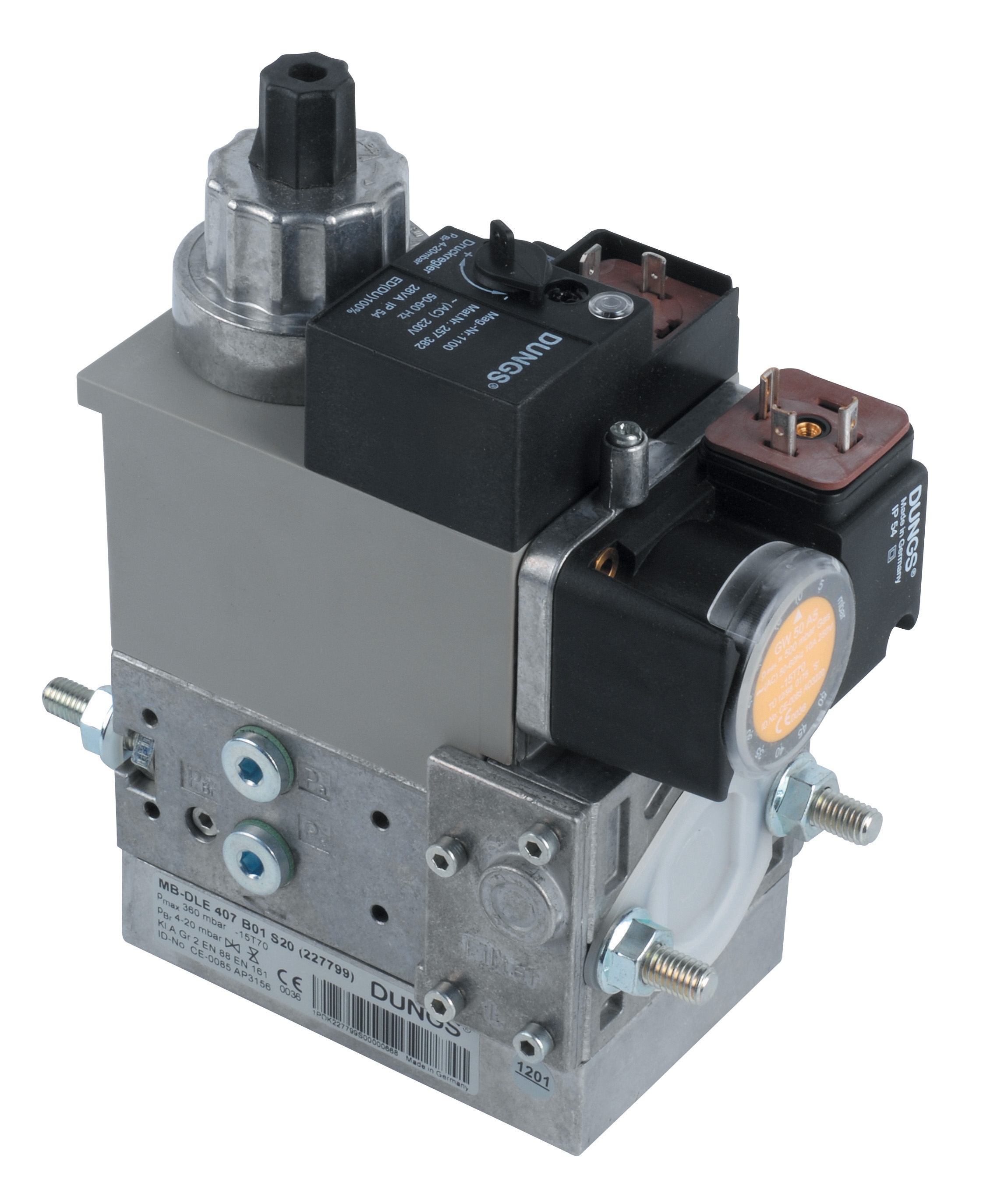
Table of Contentsexpand_more
Understanding Duty Cycles in Industry Applications Selection
Duty cycle is the proportion of time equipment operates under load versus idle time, expressed as a percentage or rating class. For Singapore's 24/7 manufacturing environment, mismatching duty-cycle ratings to actual plant schedules is one of the costliest mistakes plant managers make. Equipment rated for intermittent use (typically 25–50% operating time) will overheat and fail when run continuously; conversely, oversizing for continuous duty adds unnecessary capital expense.
With over 35 years of industrial equipment distribution experience, 3G Electric has observed that successful plant operations in Singapore pair duty-cycle awareness with equipment selection. This article breaks down how to evaluate three critical equipment categories—high-pressure pumps, mobile cleaning systems, and precision spray nozzles—against your facility's actual operational demands.
High-Pressure Pumps: Continuous vs. Intermittent Duty Demands
The Interpump PUMP W2035 L ATEX exemplifies equipment engineered for specific duty-cycle applications. Rated at 35 L/min, 200 bar, and 13.23 kW, this ATEX-compliant pump is designed for hazardous-environment applications requiring sustained pressure delivery. Its motor and seal package are optimized for intermittent to moderate duty cycles typical of chemical processing, pharmaceutical manufacturing, and automated spray-coating lines.
Continuous Duty (80–100% operating time):
Plants running 16–24 hour production schedules demand pumps with robust thermal management and premium bearing packages. The W2035 L ATEX suits applications where production runs 4–8 hours daily with adequate cooling periods. Extending this to 16-hour continuous operation requires oversized motor capacity, enhanced cooling, and scheduled maintenance intervals reduced by 40–50%.
Intermittent Duty (25–50% operating time):
Most Singapore food-processing plants, automotive component manufacturers, and facility-maintenance teams operate equipment intermittently—running active production 6–10 hours, with cleaning and pressure-spray tasks interspersed throughout shifts. The W2035 L ATEX performs optimally in this range, delivering consistent 200 bar pressure without thermal stress.
Practical Assessment Method:
Calculate your plant's actual pump-running hours per week. If your cleaning or spray-coating operation runs 30 hours weekly across 5 days, that's roughly 42% duty cycle. Cross-reference this against pump manufacturer specifications; if a pump lists "intermittent duty (up to 50%)," you have safe operating margin. Conversely, if your facility requires the pump for 40+ hours weekly across multiple shifts, request continuous-duty equipment from your supplier.
Mobile Pressure-Washing Systems: Seasonal and Episodic Load Matching
The Interpump GREEN JET GX24 VARIOJET CART represents a different duty-cycle challenge. At 90 bar, 7 L/min, and 11.4 kg, this compact mobile pressure washer suits episodic cleaning—quarterly deep-cleaning of external equipment, periodic facility washdowns, and maintenance tasks spread across the operational calendar.
Seasonal Duty (5–15% annual operating time):
Singapore's tropical environment creates a seasonal cleaning rhythm: pre-monsoon equipment flush, post-CNY facility deep-clean, and quarterly maintenance power-washes. A small mobile system like the GX24 VARIOJET matches this pattern perfectly. Its single-phase motor and lightweight design allow rapid deployment without dedicated installation infrastructure.
Intermittent-to-Continuous Hybrid (30–60% operating time):
Food-hygiene facilities, beverage manufacturers, and pharmaceutical cleanrooms operate washers 2–4 times weekly. Equipment rated for 50% duty cycle—like the GX24—handles this rhythm safely. However, facilities requiring daily 2–3 hour washdown cycles exceed the GX24's intended service envelope and need industrial-grade fixed-installation systems with 75–100% duty ratings.
Integration with Plant Scheduling:
Plant managers using 3G Electric's equipment inventory should cross-reference mobile washer duty cycles with facility maintenance calendars. Assign the GX24 to scheduled deep-cleaning blocks (pre-planned downtime) rather than ad-hoc spot-cleaning. This extends motor and pump life by 30–40% and ensures you're operating equipment within design parameters.
Spray Nozzles and Gas Regulation: Continuous Precision Under Load
While pumps and washers handle bulk fluid delivery, precision spray nozzles operate continuously in spray-coating and atomization applications. The Euspray Flat jet nozzle type HP 1/4"M index 065 angle 25° BSPT is engineered for continuous or near-continuous duty in coating and cleaning spray patterns.
Gas regulation components like the Dungs Valve MBDLE 415 B01.S52 operate 100% duty cycle in process-control applications, regulating pressure to automated production lines continuously throughout shifts. Unlike pumps with thermal-management concerns, safety valves and regulators must perform flawlessly on every cycle without fatigue or drift.
Duty-Cycle Implications for Nozzles:
- Continuous spray-coating (6–16 hours daily): Precision nozzles experience thermal stress from friction and fluid heating. Inspect the Euspray HP 065 nozzle quarterly; replace if spray pattern drifts beyond ±2° from specification.
- Intermittent atomization (2–4 hours daily): Nozzles suit episodic use with extended intervals between servicing. Thermal and mechanical wear slow significantly at 25–40% duty cycles.
- Standby or safety-function duty (pressure relief or emergency cutoff): Gas regulation valves handle 100% duty continuously; these components should never be undersized or assigned to lower-rated equipment categories.
Practical Duty-Cycle Selection Framework for Singapore Plants
Step 1: Log Actual Equipment Hours
Track pump, washer, and spray-system runtime for 4 weeks using production schedules and maintenance logs. Calculate weekly hours and annualize.
Step 2: Cross-Reference Duty-Class Specifications
Request duty-cycle ratings from suppliers. Match your calculated operating hours to equipment ratings:
- Intermittent: 25–50% duty cycle
- Light continuous: 50–75% duty cycle
- Heavy continuous: 75–100% duty cycle
Equipment rated for 50% duty but operating at 60–70% will survive, but maintenance intervals compress. Budget for service every 500–800 operating hours instead of 1,000–1,200 hours.
Step 4: Verify Component Compatibility
When integrating multiple systems—pump, nozzle, regulator—confirm all components share compatible duty ratings. A continuous-duty pump paired with an intermittent-only pressure regulator creates a reliability mismatch.
Step 5: Build Redundancy for Mission-Critical Systems
In pharmaceutical, food-safety, or precision-manufacturing plants, critical pressure systems (like the Pratissoli ZT12B0800606 high-pressure hose assembly) should be specified with 2–3x duty-cycle margin. A hose assembly rated 200 bar intermittent should only run at 100 bar in continuous-duty scenarios.
Real-World Application: Singapore Electronics Component Manufacturer
A Singapore-based precision electronics plant operating 6 AM–10 PM (16 hours daily) required a pressure-cleaning system for equipment maintenance every 8 hours. The facility manager initially selected a mobile 90 bar washer rated for 25% duty cycle, assuming "occasional use" terminology meant infrequent deployment.
After 8 weeks, the motor failed due to thermal overload (running 2–3 hours daily exceeded 25% duty significantly). 3G Electric's assessment revealed the plant was operating at 60–70% duty cycle. A replacement system rated for 75% continuous duty with enhanced motor cooling solved the issue. Maintenance intervals extended from every 4 weeks to every 8 weeks, saving labor and parts cost while improving uptime.
Selecting and Sourcing Equipment with Duty-Cycle Confidence
3G Electric's 35+ years as a distributor across Southeast Asia means our team understands Singapore's operating environment: high humidity, 24/7 production rhythms, and stringent downtime costs. When specifying Industry Applications equipment, work with suppliers who provide:
- Clear duty-cycle percentages and operating-hour recommendations
- Thermal and pressure-rating derating curves for extended operation
- Maintenance interval schedules tied to duty-cycle class
- Warranty terms that account for duty-cycle usage
Products like the W2035 L ATEX pump, GX24 VARIOJET mobile washer, and Euspray HP 065 nozzle are engineered with specific duty envelopes. Respecting these boundaries ensures equipment delivers promised service life while minimizing unexpected failures and maintenance costs.
Conclusion
Duty-cycle alignment separates well-managed plants from those plagued by equipment failures. By calculating actual operating hours, matching equipment ratings to your schedule, and planning maintenance intervals accordingly, you'll extend equipment life by 25–40% and reduce unplanned downtime. Whether your Singapore facility operates intermittent cleaning cycles or continuous production pressure systems, 3G Electric's experienced team can help you select equipment calibrated to your exact operational demands.