Maintenance & Service for High-Pressure Industrial Systems: Diagnostic Tools and Preventive Protocols for Singapore Plants
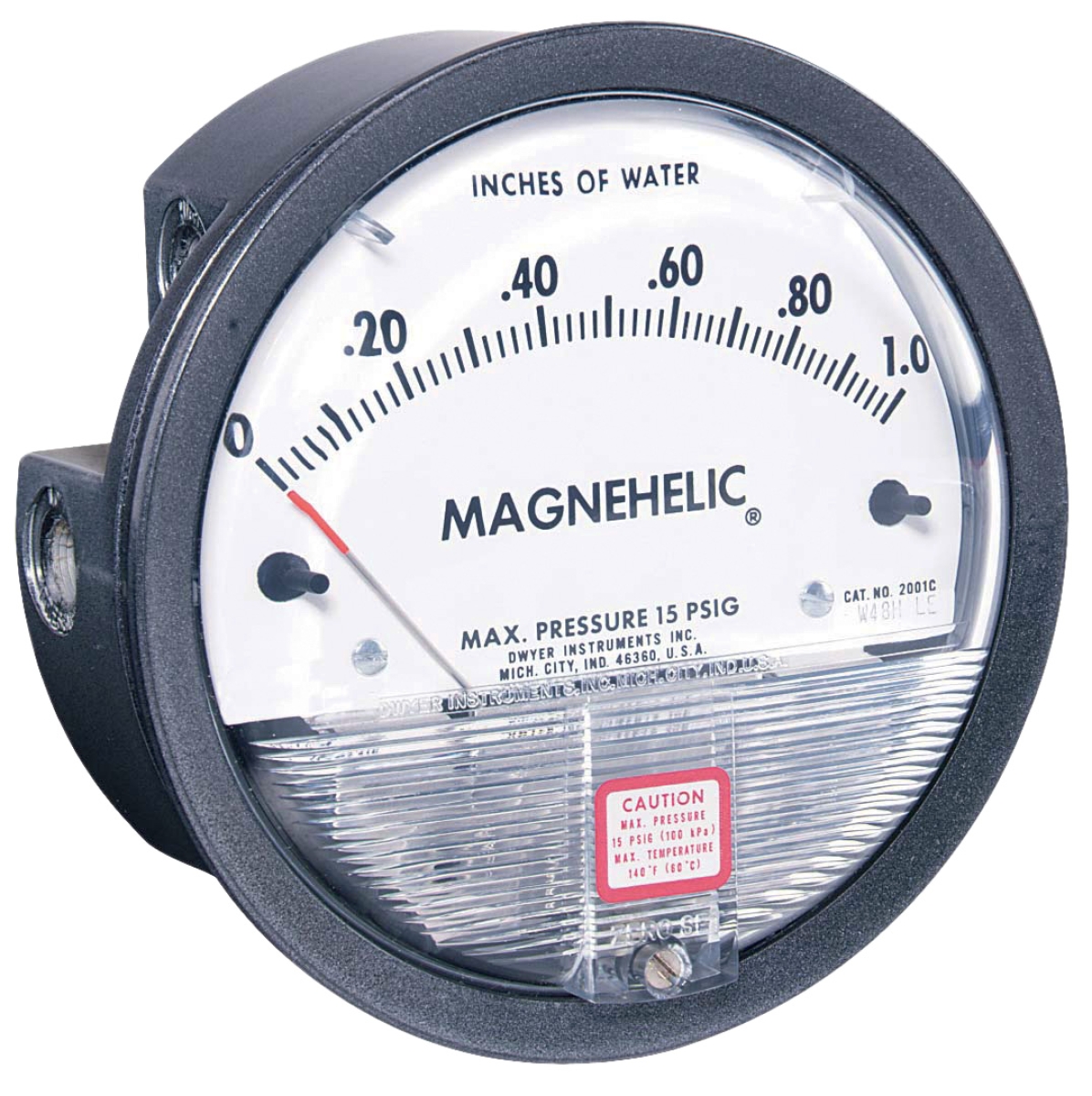
Table of Contentsexpand_more
Understanding Maintenance & Service Through System Diagnostics
Maintenance & Service in modern industrial plants is no longer reactive—it's diagnostic-driven. Plant managers across Singapore are shifting from traditional time-based maintenance schedules to condition-based monitoring that actually prevents failures before they occur. With over 35 years of experience supplying industrial equipment, 3G Electric has observed that plants implementing real-time diagnostic protocols reduce unplanned downtime by 40-60% while extending component lifespans significantly.
The foundation of effective Maintenance & Service starts with understanding what your system is actually doing. High-pressure industrial systems—whether they're used for spray coating, fluid transfer, or HVAC applications—generate continuous diagnostic data. Pressure fluctuations, flow rate variations, temperature spikes, and acoustic signatures all tell a story about system health. Your job as a plant manager is to listen to those signals before they become crises.
High-pressure pump systems like the Pratissoli KF30 operating at 200 bar with 106 L/min flow rates generate measurable performance indicators. When these numbers start drifting—pressure holding steady but flow dropping, or pressure spikes without load increases—your system is sending a clear diagnostic message. The challenge is having the right tools and protocols to capture and interpret that data in real-time.
Essential Diagnostic Tools for Maintenance & Service Operations
Proper Maintenance & Service requires three categories of diagnostic equipment: pressure measurement, flow monitoring, and system observation tools.
Pressure Monitoring as Your Primary Diagnostic Tool
Pressure gauges are not just status indicators—they're diagnostic instruments. The Dwyer Magnehelic differential pressure gauge with its 0–8 kPa range and 4-inch dial is designed for precision measurement across multiple operating conditions. In high-pressure systems, pressure trends matter more than absolute readings. A gauge that drifts 5-10 bar over a week suggests internal pump wear, seal degradation, or valve creeping. A sudden spike indicates blockage or component failure.
For plant Maintenance & Service protocols, install redundant pressure points:
- Pump discharge: Primary system pressure indicator
- Downstream of valves: Identifies valve performance degradation
- Return line: Detects internal leakage in cylinders or motors
- Accumulator charge (if present): Monitors gas precharge loss over time
Digital pressure transducers with 4-20 mA output let you log data continuously. Unlike analog gauges, this creates a historical record—essential for trending analysis. Over 3-6 months, pressure trends reveal the true health trajectory of your system.
Flow Measurement and Acoustic Monitoring
When a pump like the KF30 is rated for 106 L/min, that specification assumes perfect conditions. Real-world Maintenance & Service tracking should monitor actual flow regularly. Ultrasonic flow meters (non-intrusive) clamp onto existing lines without system shutdown—critical in 24/7 operations.
Flow degradation happens gradually:
- Months 1-3: 5-8% flow loss (usually unnoticed)
- Months 4-6: 10-15% loss (efficiency drops visibly)
- Months 7+: 20%+ loss (system performance failures)
Acoustic monitoring is underutilized but powerful. High-pressure systems emit characteristic sounds. Normal operation produces steady hum at specific frequencies. Cavitation (air entering the pump) creates crackling. Internal leakage produces whistle. Bearing wear generates irregular grinding. Plant operators with trained ears catch problems weeks before instruments confirm them.
Control Valve Diagnostics
Solenoid valves like the Elektrogas EVRM NA 7 are critical control points. Maintenance & Service protocols should include:
- Coil continuity testing: Verify electrical resistance monthly (should match nameplate rating ±10%)
- Response time measurement: Check opening/closing speed hasn't degraded
- Downstream pressure verification: Ensure valve is actually controlling flow
- Visual inspection: Corrosion on solenoid housing indicates moisture ingress
For solenoid valves in industrial gas applications, the 19 W power consumption figure on the EVRM NA 7 is your baseline. Power consumption exceeding 25 W suggests coil degradation or mechanical binding.
Preventive Maintenance & Service Scheduling Based on Operating Profiles
Effective Maintenance & Service isn't calendar-based—it's usage-based. Two plants running identical equipment 24 hours per day versus 8 hours per day will have completely different maintenance intervals. Singapore's humid, industrial environment also accelerates certain failure modes (corrosion, seal degradation).
Daily Maintenance & Service Tasks
These take 15-20 minutes per shift:
- Record all pressure gauge readings at consistent times
- Note any acoustic changes or unusual system behavior
- Visually inspect pump/motor coupling for leaks
- Check reservoir fluid level and color (darker fluid indicates oxidation/contamination)
- Verify solenoid valve operation (manual test or functional check)
These take 60-90 minutes:
- Measure and log system flow rate at steady-state operating point
- Test solenoid valve coil continuity with multimeter
- Inspect all hose connections for weeping or corrosion
- Check intake filter condition (pressure differential gauge if available)
- Examine pump/motor alignment visually
These require 2-3 hours and are typically done during scheduled shutdowns:
- Fluid sampling and analysis (particle count, viscosity, water content)
- Thermographic inspection of motor and pump housing
- Full pressure/flow system check across all operating ranges
- Gearbox inspection (oil level and condition) if applicable, such as the Interpump GEARBOX RS500 with its 2.2 transmission ratio
- Coupling inspection and backlash measurement
- Solenoid valve bench testing (if spare available) or replacement on rotation
These involve data analysis:
- Trend analysis of all recorded pressures, flows, and temperatures
- Parts consumption review (seals, filters, hoses replaced)
- Downtime log analysis (what caused interruptions?)
- Efficiency calculation (actual output vs. rated specs)
Practical Component Management for Spray System Maintenance & Service
For plants using high-pressure spray systems with components like the Pratissoli PISTOLA P560 LANCIA 1000 ATEX, Maintenance & Service must address application-specific wear patterns.
Spray Gun Nozzle Diagnostics
Nozzle wear is cumulative but preventable:
- Daily inspection: Check spray pattern at system pressure. Distortion or asymmetry indicates nozzle wear
- Pressure drop tracking: A 5-10% increase in spray gun pressure requirement (while system pressure stays constant) suggests internal wear
- Particle accumulation: Regularly purge the nozzle orifice with clean fluid
- Sealing surface inspection: Replace if visible erosion or scoring appears
For ATEX-rated spray equipment, maintenance documentation is regulatory—maintain detailed logs of all service activities.
Coupling and Transmission Service
The connection between pump, gearbox, and motor is maintenance-critical. For gearbox systems like the Interpump RS500 rated for 18.5 kW:
- Monthly oil inspection: Dark, cloudy, or metallic oil indicates internal wear
- Quarterly oil sampling: Send every third month to oil analysis lab for particle count and viscosity verification
- Quarterly backlash check: Measure play between shaft and coupling—should not exceed 0.5 mm for precision applications
- Biannual gear tooth inspection: Visual or borescope examination for pitting or spalling
Hoses are infrastructure, not components:
- Record hose installation dates and replacement intervals
- Perform visual inspection weekly (no bulging, cracks, or weeping)
- Pressure-test hoses every 12 months at 1.5x rated pressure
- Replace any hose showing signs of degradation immediately—failure cost vastly exceeds replacement cost
- Use hose routing templates to prevent future issues (avoid sharp bends, heat sources, sharp edges)
Building a Maintenance & Service Culture in Your Plant
Technology and protocols mean nothing without operator engagement. Plant managers who achieve exceptional equipment reliability do three things:
First, document everything. Create a simple maintenance log—digital or paper—that captures:
- Date, time, operator name
- Pressure and flow readings
- Any unusual observations
- Parts replaced
- Downtime duration and cause
Over 12 months, this log becomes your most valuable diagnostic tool.
Second, train for condition observation. Operators who spend 40 hours per week with equipment develop intuition. Encourage them to report changes in sound, vibration, temperature, or pressure trend—even vague observations. Many equipment failures produce weeks of subtle warning signs before catastrophic failure.
Third, plan for component replacement proactively. Based on your logged data and manufacturer recommendations, establish replacement cycles. For example:
- Solenoid valve coils: 18-24 month replacement regardless of condition (electrical degradation is invisible)
- Pressure gauge: Annual calibration verification, replacement every 2 years
- Intake filters: 3-6 month intervals depending on environment and fluid type
- Hoses: 5-year inspection intervals, 10-year replacement limit
The cost of scheduled replacement is always lower than emergency failure cost, which typically includes lost production, overtime labor, emergency shipping, and damage to other components.
Conclusion
Maintenance & Service excellence is built on systematic observation, accurate diagnostics, and preventive action. With 35+ years of experience supplying industrial equipment, 3G Electric sees that plants implementing these protocols consistently outperform peers by 30-40% in uptime metrics. The investment in diagnostic tools and training pays for itself in the first months of prevented failures. Your plant manager job isn't to become a technician—it's to create systems and culture that catch problems before operators notice them.