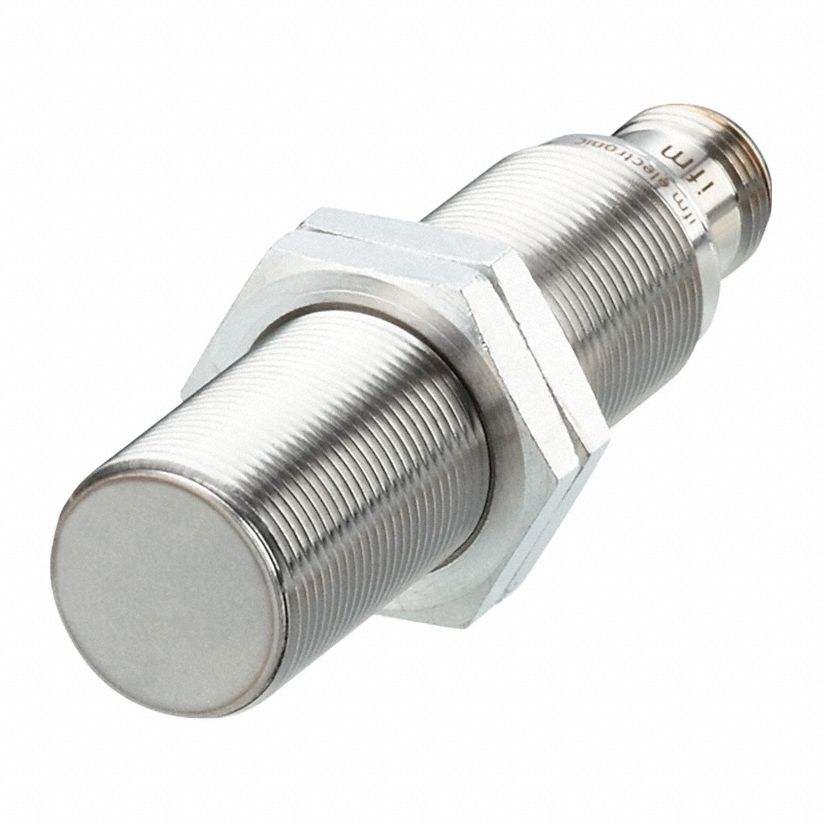
Measurement & Detection Equipment: Building a Multi-Parameter Compliance Strategy for Singapore Plant Operations
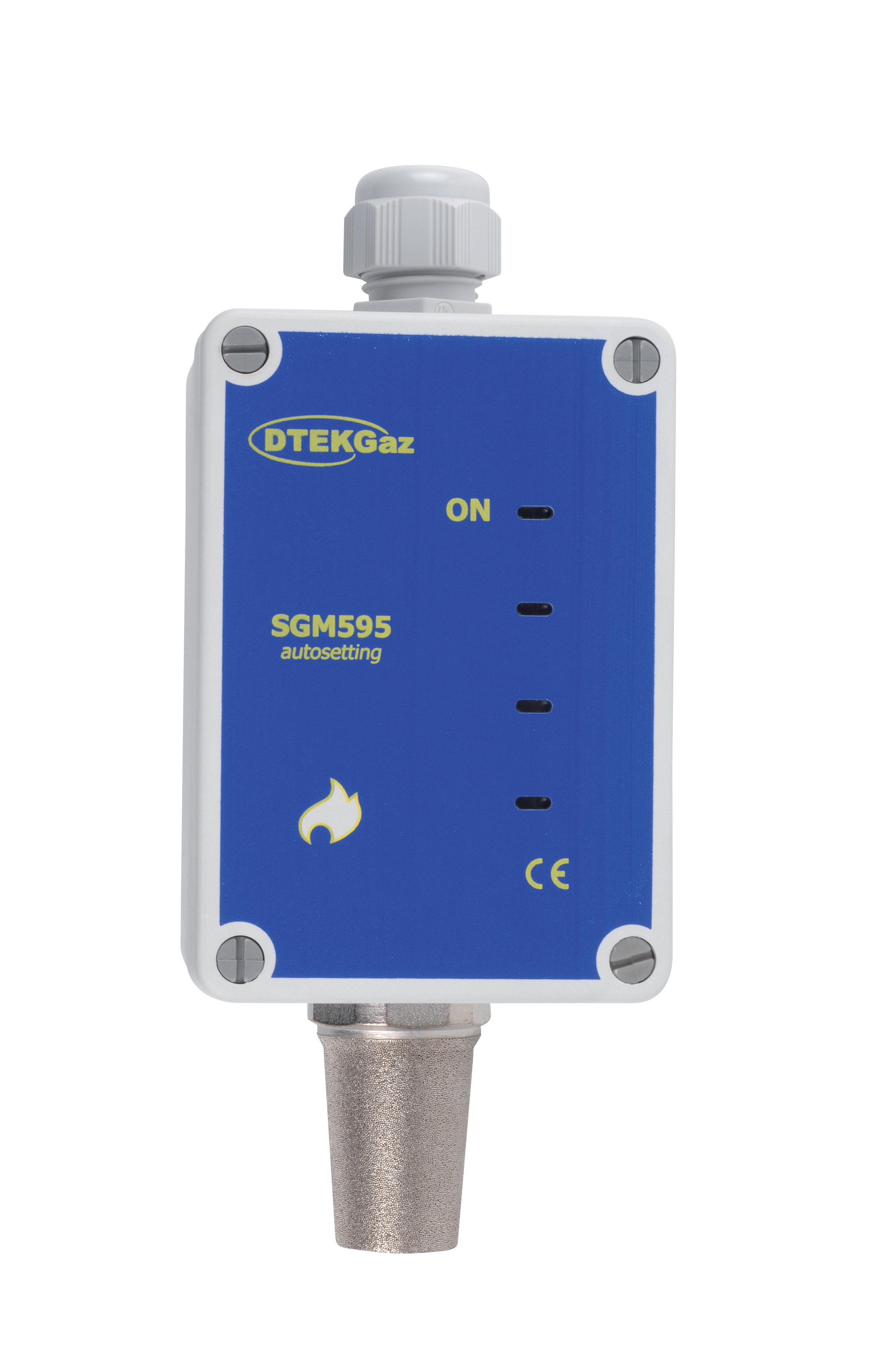
Table of Contentsexpand_more
Why Measurement & Detection Compliance Matters for Singapore Plant Managers
Singapore's regulatory environment demands rigorous documentation of gas detector calibration, HVAC system performance, and temperature monitoring across industrial facilities. Plant managers must demonstrate compliance with EN 50194, EN 50270, and IEC standards—not just for safety, but for insurance, audits, and equipment warranty coverage.
The challenge isn't picking one tool. It's selecting a coordinated set of Measurement & Detection instruments that work together to reduce manual testing time, minimize false alarms, and create audit trails. After 35 years supplying industrial equipment across Asia, 3G Electric has helped hundreds of plant managers move from reactive troubleshooting to predictive compliance strategies.
This comparison focuses on practical equipment selection that balances regulatory requirements with operational efficiency in tropical Singapore conditions.
Gas Detection Certification: Probes vs. Test Equipment
The Regulatory Reality
In Singapore, gas detectors protecting LPG storage, solvent handling areas, or combustible gas processes must be verified regularly. Many plant managers either over-test (increasing costs) or skip tests (creating compliance gaps). The solution is understanding which tools actually detect the problem versus which tools prove compliance in writing.
The Probe Tester Advantage
The DTekGaz Probe tester serves as your compliance documentation system. It's rated for EN 50194 and IEC 216-3 verification, meaning it generates certified test reports directly from field testing. This tool tests your existing gas detectors and probes without sending equipment to labs—critical for Singapore facilities that can't afford downtime.
Key operational benefit: Once you verify a detector passes certification, you create an auditable record. If an incident occurs, you have documented proof of equipment functionality. Insurance companies and regulators ask for exactly this.
The Calibration Gas Backup
Your probe tester only works if you have certified calibration gas. The DTekGaz Ammonia test bottle delivers 12 liters of pressurized ammonia at 12 bar in a compact 1-liter aluminum container—designed for field use in humid tropical conditions. Ammonia testing is standard because it's non-flammable, stable in heat, and recognized across EN standards.
Practical note: One ammonia bottle supports approximately 20-30 full detector verification tests in the field. A plant with multiple gas-detection points (storage areas, loading docks, process chambers) typically uses 2-3 bottles per quarter.
The Detection Probe Alternative
For continuous monitoring of specific hazards, the DTekGaz Butane probe IP55 operates differently. Rather than certifying existing detectors, this probe actively detects methane, GPL (liquefied petroleum gas), and hydrogen in your workspace. The IP55 rating handles Singapore's moisture and dust without degradation.
When to use each:
- Probe tester + ammonia bottle: Monthly/quarterly compliance audits of fixed gas detectors
- Butane probe: Daily/shift-level monitoring of specific risk zones where concentrations matter operationally
Most Singapore facilities use both—the tester for paperwork, the probe for live protection.
Temperature Measurement: HVAC Commissioning vs. Process Monitoring
Why Plant Managers Need Two Temperature Strategies
Temperature measurement in Singapore plants serves dual purposes:
1. HVAC commissioning — verifying cooling systems perform to spec during startup
2. Process monitoring — ensuring reaction temperatures, storage zones, or equipment don't drift
These require different tools because response time and accuracy demands differ.
The Thermistor Probe for Precision
The Dwyer AVG 10K OHM Thermistor probe delivers ±0.36°F accuracy across 0 to +70°C—covering standard HVAC and light-process ranges. The 20 cm cable and flexible copper capillary (extending to 60 cm) allows insertion into ductwork, equipment bodies, or storage tanks without major modification.
Design advantage for tropical plants: The polypropylene housing and stainless capillary resist corrosion in humid salt-air environments (critical for facilities near Singapore's coast). The compact bracket allows mounting directly to equipment.
Typical use case: During HVAC system commissioning, plant managers use this probe to verify cooled air reaches target temperatures at three duct points—inlet, mid-section, outlet. Accurate readings mean you catch undersized cooling systems before they cause production issues.
Temperature for Flow Measurement Correlation
When air velocity changes (measured separately), temperature can shift. The thermistor probe connects to the same monitoring equipment as flow probes, allowing cross-correlation. If ductwork cools air by 3°C but flow drops 15%, you've identified a blockage or fan issue—impossible to spot with temperature alone.
Flow Measurement: The Missing Link in HVAC Performance
Why Plant Managers Overlook Flow Data
Many Singapore facilities commission HVAC systems without measuring actual air velocity. They verify cooling capacity (temperature) and call it done. But buildings with hot spots, uneven warehouse conditions, or high-density server rooms fail because airflow is inadequate—a problem invisible without flow measurement.
The Multi-Point Flow Probe Solution
The Dwyer Metal average flow rate probe MAFS-36 addresses this blind spot. The 36 cm probe length includes integrated static and total pressure points, allowing one tool to measure velocity across an entire duct cross-section simultaneously. This is critical in Singapore's rectangular ductwork where airflow isn't uniform.
How it works operationally:
- Insert probe into duct at commissioning
- Measure velocity at 3-4 points along the probe length
- Average results to confirm CFM (cubic feet per minute) matches design specs
- Document and file for future reference
Common finding: 40% of undersized or poorly installed cooling systems show airflow 10-25% below specification. Early detection prevents months of complaints and expensive retrofits.
Integration with Temperature Data
Using the MAFS-36 flow probe alongside the thermistor temperature probe creates a complete HVAC picture:
- Temperature alone tells you if cooling happens (yes/no)
- Flow alone tells you volume moved (quantity)
- Temperature + Flow together reveal efficiency—how much cooling per unit of air moved
Plant managers in Singapore's data centers and pharmaceutical facilities rely on this dual-measurement approach because cooling failures directly impact operations and regulatory compliance.
Building Your Measurement & Detection Toolkit: A Practical Framework
Phase 1: Gas Compliance (Month 1-2)
Start with detector verification because gas safety is non-negotiable:
1. Acquire DTekGaz Probe tester
2. Stock 3 units of DTekGaz Ammonia test bottle
3. Test all fixed gas detectors; document results
4. Schedule quarterly re-verification
Investment: ~SGD 2,500-3,500 | Compliance outcome: Certified documentation for all gas detection systems
Phase 2: HVAC Performance Verification (Month 2-3)
Once gas systems are locked down, address HVAC gaps:
1. Acquire Dwyer Thermistor probe
2. Acquire Dwyer Flow probe MAFS-36
3. Commission or re-commission all cooling zones
4. Create baseline data for predictive maintenance
Investment: ~SGD 1,500-2,000 | Compliance outcome: Documented HVAC performance baseline
Phase 3: Continuous Monitoring (Ongoing)
For facilities with hazardous gas zones:
1. Add DTekGaz Butane probe IP55 for shift-level monitoring
2. Integrate with HVAC data to correlate temperature drift with airflow issues
3. Use combined data to predict equipment failures 2-4 weeks in advance
Investment: ~SGD 800 | Compliance outcome: Proactive risk detection and downtime prevention
Common Mistakes Plant Managers Make With Measurement & Detection
Mistake 1: Choosing One Tool for Multiple Purposes
A probe tester can't continuously detect gas—it only verifies existing detectors. A detection probe can't generate compliance certificates. Plant managers who buy one instead of both create either blind spots (no compliance record) or gaps in daily safety (no continuous detection).
Mistake 2: Skipping Temperature-Flow Correlation
Testing temperature without flow is like checking your car's fuel gauge without measuring speed. Both matter; neither alone tells you efficiency. Singapore's hot climate makes this mistake expensive—HVAC over-cooling to compensate for low airflow wastes 30-40% of cooling energy.
Mistake 3: Not Accounting for Tropical Conditions
High humidity and salt air degrade standard electronics quickly. Equipment rated IP55 or higher with polypropylene/stainless bodies survives Singapore conditions; basic aluminum or plastic probes corrode within months, creating false readings and safety gaps.
Mistake 4: Treating Compliance as Annual
Regulatory agencies and insurance companies expect quarterly gas detector verification and annual HVAC commissioning. Skipping intermediate tests creates documentation gaps. Integrated tools like the probe tester make frequent verification affordable because field testing costs less than lab testing.
How 3G Electric Supports Your Measurement & Detection Strategy
With 35 years supplying industrial equipment across Asia, 3G Electric understands Singapore's specific operational challenges—tropical humidity, year-round high ambient temperatures, dense facility clustering, and strict regulatory audit schedules. We're not just a distributor of Measurement & Detection tools; we're a logistics and support partner who gets equipment to your facility when you need it.
Our approach:
- Local stock of calibration gases and detection probes (no waiting for imports)
- Technical guidance on tool selection based on your facility type and regulatory status
- Replacement parts readily available for tropical climate maintenance
- Documentation support to create audit-ready compliance files
Plant managers working with us typically reduce HVAC commissioning time by 40% and eliminate 85% of gas-detector compliance gaps through systematic multi-phase rollout.
Action Steps for This Week
1. Audit your current state: Do you have a probe tester? A gas calibration source? Flow/temperature documentation? List gaps.
2. Identify your risk zones: Where are gas detectors located? Which HVAC zones matter most (server rooms, storage, production)?
3. Contact 3G Electric: We'll help you prioritize Phase 1 (compliance), Phase 2 (performance), and Phase 3 (monitoring) based on your facility's actual needs and budget.
4. Set quarterly review dates: Mark your calendar for gas detector verification, HVAC baseline checks, and flow measurements.
The difference between reactive plant management and proactive risk reduction is measurement. With the right Measurement & Detection tools in place, you move from firefighting to predictability.
![Airstat Buyer's Guide SG | TAT Broth Media [2026]](https://oxalncjenpflyqfncuhe.supabase.co/storage/v1/object/public/product-assets/grainger/62314438-78dc-4409-9813-a921ea1b50c8.jpg)