Comprehensive Guide to Measurement & Detection Systems for Industrial Applications in Singapore
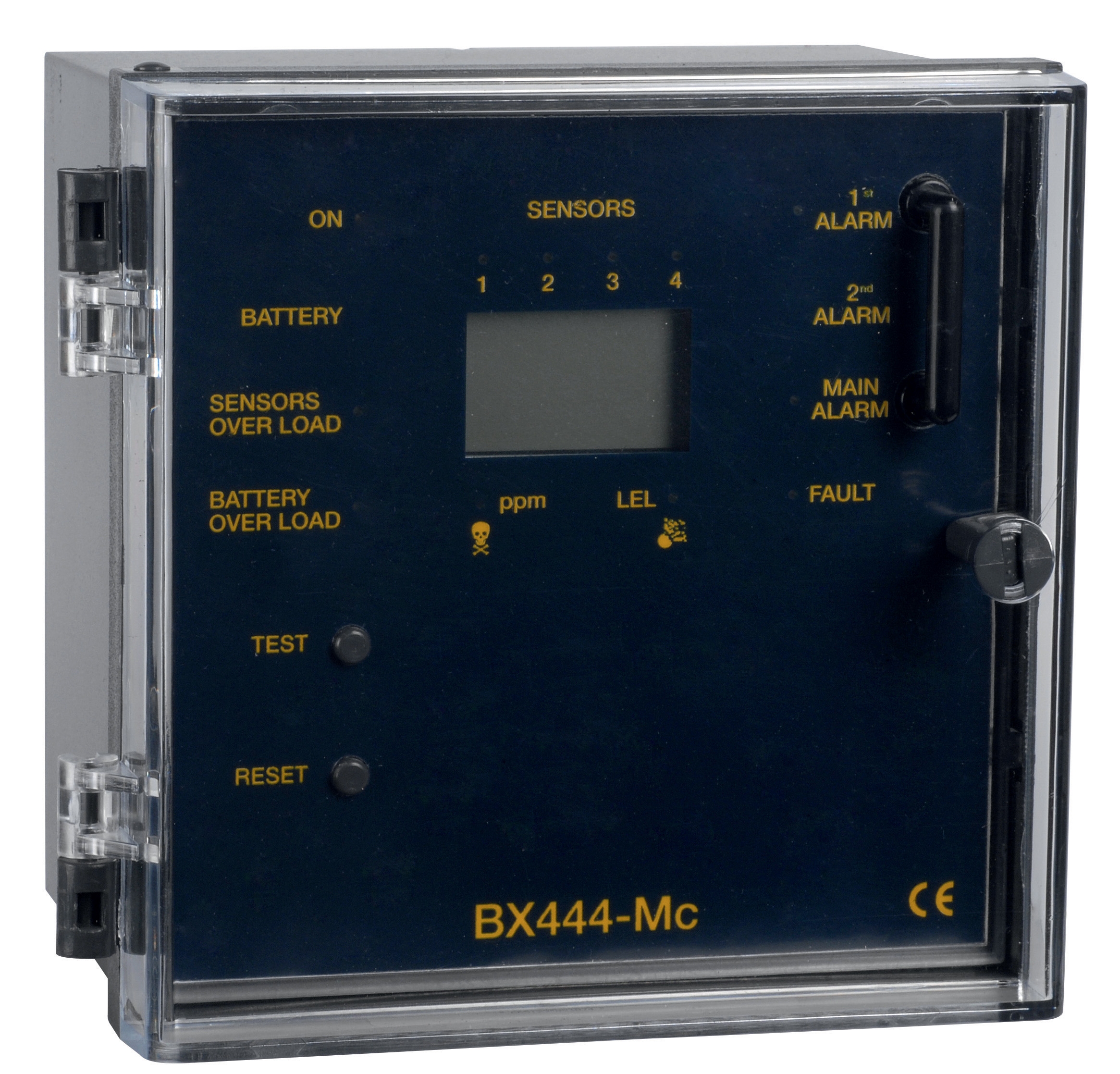
Table of Contentsexpand_more
Comprehensive Guide to Measurement & Detection Systems for Industrial Applications in Singapore
Industrial measurement and detection systems form the backbone of safe, efficient operations across manufacturing, energy, chemical processing, and facility management sectors. Whether monitoring pneumatic system pressures or detecting hazardous gas leaks, accurate measurement and timely detection directly impact operational safety, regulatory compliance, and bottom-line performance. This comprehensive guide explores the technical landscape of measurement and detection technologies, examining pressure gauge specifications, gas detection sensor types, and system integration strategies that modern industrial professionals in Singapore must understand to make informed equipment decisions.
Understanding Pressure Measurement Technology and Its Industrial Applications
Pressure measurement represents one of the most fundamental yet critical measurements in industrial environments. Unlike digital sensors that require power and calibration circuits, mechanical pressure gauges provide reliable analog indication across diverse operating conditions—from low-pressure pneumatic systems operating at 25 mbar to high-pressure hydraulic systems exceeding 600 mbar.
Industrial pressure gauges operate using capsule gauge technology, where pressure differentials deform elastic elements connected to mechanical needle indicators. This pure mechanical design eliminates electronic failure points while delivering accuracy ratings of ±1.6% across full scale ranges—adequate for most process control and safety monitoring applications.
Material selection profoundly affects gauge longevity in corrosive or aggressive environments. Stainless steel casings with copper alloy wetted parts suit most industrial fluids, gases, and dry applications without corrosion risk. However, when measuring viscous liquids or systems prone to pressure fluctuations, damping fluid (typically glycerin-filled) prevents needle flutter and extends mechanical component life by reducing vibration-induced wear.
Singapore's tropical climate—with high humidity, salt-laden air in coastal industrial zones, and temperature variations—makes material selection particularly important. Stainless steel construction resists environmental corrosion that would compromise traditional gauge accuracy over multi-year service intervals. The gauge diameter (63mm, 100mm, or 150mm) affects readability and cost; 63mm gauges suit compact pneumatic systems while 100-150mm instruments enhance visibility in control room installations where multiple readings require quick operator assessment.
Connection thread sizing (typically G1/4 or G1/2) must match existing system ports to avoid adapter requirements that introduce additional leak points. Gauge orientation—axial (rear or bottom connection) versus vertical (bottom connection)—influences installation flexibility within space-constrained industrial layouts.
Pressure Gauge Specifications and System Integration
The CBM ROS series exemplifies production-grade pressure measurement instrumentation suitable for rigorous industrial duty. The CBM Stainless Steel Axial Manometer D63 0/+400Mbar addresses mid-range pressure applications common in pneumatic automation systems, compressed air networks, and process gas delivery lines. The axial connection configuration permits space-efficient mounting alongside equipment while maintaining operator readability. At 0-400 mbar capacity with ±1.6% accuracy, this gauge delivers reliable pressure confirmation across typical industrial pneumatic operating windows.
Higher-pressure industrial applications—such as hydraulic systems, pressure vessel monitoring, and high-pressure gas applications—demand instruments with extended measurement ranges. The CBM Stainless Steel Gauge Axial D63 0/+600Mbar provides the measurement ceiling for extreme-pressure environments while maintaining compact 63mm dial diameter suitable for control panels and equipment mounting.
For applications involving pulsating pressures, temperature extremes, or measurement stability requirements, glycerin-damped gauges significantly improve performance. The CBM Glycerin Manometer All Stainless Vert. D63 0/+250bar combines the reliability benefits of stainless steel construction with glycerin damping fluid that absorbs pressure pulsations inherent in reciprocating compressors, pump systems, and pulse-duty pneumatic circuits. This design extends gauge lifespan by reducing mechanical stress on internal components while improving reading stability for operators making real-time process adjustments.
Gauge selection requires balancing multiple variables: maximum operating pressure (typically 75% of gauge range for safety margin), fluctuation frequency and amplitude, environmental exposure, required accuracy class, and mounting constraints. Industrial professionals should reference system design specifications and equipment datasheets to confirm proper gauge selection before installation.
Gas Detection Systems: Technology, Sensors, and Safety Implementation
Gas detection represents the critical second pillar of industrial measurement and detection infrastructure. Unlike pressure gauges that monitor controlled system parameters, gas detection systems identify uncontrolled hazardous releases—leaks of combustible, toxic, or asphyxiant gases that pose immediate dangers to personnel, equipment, and facility integrity.
Modern industrial gas detection systems employ modular architectures where central detection units integrate multiple sensor probes deployed throughout facility zones. The CBM Detection unit 4 probes provides a conventional 4-zone control unit conforming to electromagnetic compatibility standards (CEI-EN50270:2015) for industrial gas leak detection. This architecture permits monitoring up to four separate zones—such as storage areas, production lines, equipment enclosures, and exhaust regions—with individual probe sensors reporting to the centralized processing unit.
For installations requiring expanded monitoring capacity or integration with fire detection systems, the CBM Gas detection center Din rail 4 probes offers modular DIN rail mounting suitable for electrical enclosures and control room deployment. The modular configuration permits future expansion as facility operations expand or hazard profiles change, avoiding costly system replacement.
Individual gas detection probes employ catalytic sensor technology capable of detecting explosive and toxic gases across specified concentration ranges. The CBM Atex diesel probe represents specialty ATEX-certified detection suitable for potentially explosive atmospheres (Zone 1/2 classified areas) where petroleum vapor or diesel fuel vapors present ignition risks. ATEX (Equipment directive for use in Explosive atmospheres) certification ensures the probe's intrinsic safety design cannot generate sufficient heat or spark energy to ignite surrounding explosive gas mixtures.
Gas detection probes integrate advanced control software permitting threshold configuration, alarm escalation programming, and maintenance scheduling—essential functions for facilities operating continuous production lines where gas detection failures create liability and safety risks. Regular calibration cycles ensure sensor accuracy remains within acceptable limits throughout equipment service life.
Real-World Application Examples: Measurement and Detection in Industrial Operations
Consider a large-scale compressed air network serving multiple production departments in a manufacturing facility. Pressure gauges installed at system origin, branch distribution points, and end-use equipment enable operators to identify distribution losses, verify regulator settings, and diagnose leaks through systematic pressure differential analysis. A properly specified axial manometer provides immediate visual feedback regarding system health without requiring technician visits.
In chemical processing or petrochemical storage facilities, gas detection assumes life-safety criticality. A modular detection system with probes positioned in storage enclosures, transfer areas, and ventilation zones creates overlapping detection coverage ensuring rapid identification of any release. Zone-based detection allows facility managers to implement staged response protocols—local personnel notification for minor releases in low-traffic zones versus immediate facility evacuation procedures for sensor triggering in critical processing areas.
Energy sector applications—such as fuel storage, generator installations, or hydrogen production facilities—benefit from ATEX-certified detection. A diesel-detection probe monitoring fuel handling areas provides continuous protection throughout refueling operations, transfer events, and storage management activities. The certified design ensures detection capability even in spaces classified as potentially explosive, extending safety coverage into the highest-risk operational scenarios.
Pharmaceutical and food manufacturing facilities require non-corrosive measurement instruments. Stainless steel pressure gauges integrated into process lines permit operators to confirm system pressurization, verify equipment functionality, and detect blockages without contaminating products or violating cleanroom protocols. Glycerin-damped variants eliminate needle vibration that could distract operators during precision filling, bottling, or packaging operations requiring sustained attention.
Selection Criteria and Best Practices for Measurement and Detection Equipment
Equipment selection begins with comprehensive hazard assessment. Identify all pressure measurement points requiring operator visibility, document normal and peak operating pressures, and evaluate environmental exposure (temperature range, humidity, corrosive vapors, vibration). This assessment drives gauge material selection, dampening requirements, and connection specifications.
For gas detection, classify facility areas according to ATEX directives or local Singapore fire code requirements. Zone 0/1 areas (potentially explosive) require certified detection equipment; Zone 2 areas (explosive conditions unlikely during normal operation) may utilize non-certified sensors with appropriate risk management. Probe placement strategy—positioning sensors at gas accumulation points rather than dispersed room locations—maximizes detection reliability while minimizing equipment quantity and cost.
Standardization across facility operations simplifies maintenance protocols. Selecting gauges and detection systems from consistent manufacturers (such as the CBM product range) enables technicians to develop familiarity with installation procedures, calibration requirements, and troubleshooting routines. This expertise reduces downtime during equipment replacement or system modifications.
Documentation demands equal attention to hardware selection. Maintain calibration certificates, installation records, probe sensitivity curves, and alarm threshold justifications. This documentation demonstrates regulatory compliance while enabling continuous improvement analysis of system performance and incident response effectiveness.
Regular preventive maintenance—including visual inspections for gauge corrosion or damage, periodic probe calibration verification, and control unit functionality testing—sustains measurement and detection reliability throughout extended service life. Establish maintenance schedules aligned with equipment manufacturer recommendations and applicable safety standards.
Implementing Measurement and Detection in Your Singapore Industrial Facility
Measurement and detection technologies represent non-negotiable investments in industrial safety, regulatory compliance, and operational efficiency. From pressure gauges confirming pneumatic system functionality to gas detection probes safeguarding personnel against hazardous releases, these systems provide the real-time visibility required for informed operational decision-making.
Singapore's sophisticated industrial landscape—spanning precision manufacturing, petrochemical processing, pharmaceutical production, and energy infrastructure—demands equipment meeting international standards while functioning reliably within tropical operating environments. The CBM measurement and detection product range, distributed by 3G Electric since 1990, combines proven European engineering with practical specifications addressing local operational requirements.
Whether upgrading existing pressure measurement systems, implementing new gas detection infrastructure, or expanding facility monitoring capabilities, professional equipment selection supported by technical expertise yields superior long-term value. Contact the 3G Electric team to discuss your specific measurement and detection requirements, receive technical recommendations from industry professionals, and access comprehensive product support throughout the equipment lifecycle.
![Airstat Buyer's Guide SG | TAT Broth Media [2026]](https://oxalncjenpflyqfncuhe.supabase.co/storage/v1/object/public/product-assets/grainger/62314438-78dc-4409-9813-a921ea1b50c8.jpg)