Measurement & Detection for Process Control Optimization: A Plant Manager's Guide to Real-Time System Monitoring in Singapore
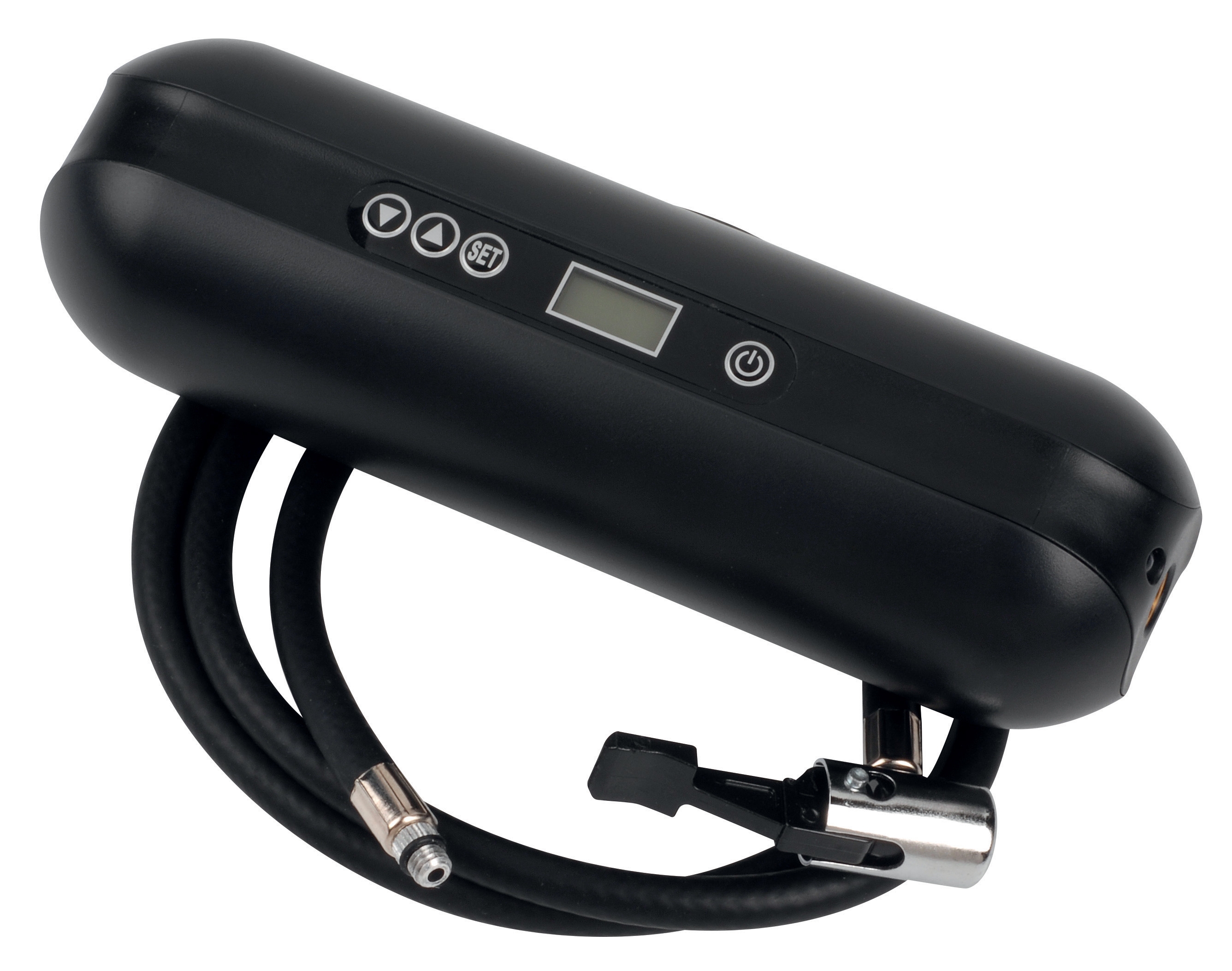
Table of Contentsexpand_more
Understanding Measurement & Detection for Process Control
Measurement and Detection systems form the nervous system of your industrial plant. These instruments continuously monitor critical parameters—temperature, pressure, and flow rates—providing real-time visibility into process conditions. For plant managers in Singapore, where precision manufacturing, petrochemicals, and food processing dominate the industrial landscape, accurate measurement and detection capabilities directly impact product quality, safety compliance, and operational profitability.
With over 35 years of experience as a distributor of industrial equipment across Asia-Pacific, 3G Electric has supported hundreds of Singapore plant managers in implementing effective measurement and detection strategies. The difference between a plant that operates at 85% efficiency and one running at 95% often comes down to the quality of data being collected and how well that data informs operational decisions.
Process control optimization begins with understanding what you're measuring and why. Are you monitoring temperature to prevent product degradation? Measuring pressure to ensure equipment safety? Detecting flow variations to optimize production rates? Each application requires different measurement approaches, sensor technologies, and integration strategies.
Selecting the Right Measurement Instruments for Your Plant
Chosen the wrong measurement instrument and you'll face years of poor data quality, frequent maintenance interruptions, and operational blind spots. Plant managers must evaluate instruments across several critical dimensions:
Temperature Measurement Precision
Temperature sensors are among the most critical instruments in process control. The Dwyer Probe AVG PT100 OHM RTD with L.65 configuration delivers ±0.6% accuracy at 0°C, making it suitable for precision processes requiring tight temperature control. With its flexible copper capillary design and wide operating range from -35.5 to +115.5°C, this probe accommodates diverse Singapore industrial applications—from refrigerated storage systems to high-temperature chemical reactors.
When selecting temperature probes, consider:
- Response time requirements (how quickly must the sensor detect temperature changes?)
- Immersion length (does your probe need to measure surface, bulk fluid, or gas temperatures?)
- Installation constraints (does your system require flange-mount or immersion designs?)
- Accuracy specifications (what tolerance range is acceptable for your process?)
The RTD (Resistance Temperature Detector) technology in Dwyer probes provides superior stability and repeatability compared to thermocouples, particularly important in Singapore's humid tropical environment where sensor drift can accelerate.
Pressure Monitoring for Safety and Efficiency
Pressure measurement serves dual purposes: equipment protection and process optimization. The Preciman Stainless Steel Vertical Pressure Gauge D63 0/+40Mbar offers ±1.6% accuracy for low-pressure applications, with stainless steel construction specifically suited to Singapore's corrosive coastal and industrial environments.
Low-pressure gauges are often overlooked, yet they're critical in:
- HVAC system monitoring (ensuring proper refrigerant charge and system balance)
- Compressed air line management (detecting leaks and pressure drops)
- Steam system operation (monitoring superheated and saturated steam conditions)
- Vacuum equipment monitoring (critical for packaging and processing applications)
The copper alloy wetted parts in this gauge resist corrosion from moisture and industrial contaminants—a practical advantage in Singapore's high-humidity conditions. The G1/4 connection standard ensures compatibility with existing plant infrastructure.
Flow Rate Detection in HVAC and Process Systems
Flow measurement determines whether your HVAC systems are balanced, whether compressed air leaks are stealing efficiency, and whether process fluids are moving at design rates. The Dwyer Metal Average Flow Probe MAFS-16 and the Dwyer MAFS-40 represent two approaches to this critical measurement:
The MAFS-16 (16 cm probe length) suits smaller ductwork and confined spaces, while the MAFS-40 (101.6 cm probe length) captures flow profiles across larger distribution systems. Both probes measure static and total pressure at multiple points, allowing technicians to calculate actual volumetric flow rates rather than relying on simple velocity assumptions.
For Singapore plant managers, this matters significantly:
- Unbalanced HVAC systems waste 15-25% of conditioning energy
- Accurate flow measurement enables commissioning verification
- Early detection of blockages prevents system degradation
- Flow data supports energy efficiency initiatives and sustainability reporting
Integrating Measurement Systems for Real-Time Process Control
Measuring parameters is only valuable if the data reaches decision-makers in actionable form. Effective integration requires both hardware and procedural considerations:
Data Collection and Monitoring Architecture
Modern plants should implement tiered monitoring systems:
1. Local Instrumentation: Point sensors (temperature probes, pressure gauges, flow meters) installed at critical process locations. These devices provide immediate feedback to equipment operators.
2. Intermediate Data Aggregation: Controllers and PLC systems that collect data from multiple sensors, perform calculations, and trigger alarms. For example, if your temperature probe readings deviate ±2°C from setpoint, the system automatically adjusts heating or cooling elements.
3. Central Monitoring Platforms: SCADA systems or cloud-based platforms that consolidate data across the plant, enabling plant managers to track trends, generate reports, and benchmark performance against targets.
This three-tier approach ensures that urgent operational issues are handled immediately at the equipment level, while plant managers retain visibility for strategic decision-making.
System Pressurization and Maintenance
Many Singapore plants operate expansion tanks for thermal systems, requiring proper pressurization maintenance. The CBM Expansion Tank Inflator with 2000 mAH Battery enables on-site pressurization to 10.3 bar across a wide temperature range (-20 to 60°C). This tool reduces downtime by eliminating trips to external service providers and ensures systems maintain proper pressure before measurement instruments are even installed.
Proper pressurization directly impacts measurement accuracy:
- Under-pressurized systems cause cavitation and sensor reading fluctuations
- Over-pressurized systems risk seal failure and safety hazards
- Maintaining design pressure ensures all measurement instruments function at specified accuracy
Instruments drift over time. A temperature probe accurate at installation becomes ±1.2% accurate after 18 months of operation in a harsh environment. Establish calibration schedules:
- Monthly: Visual inspection of all gauges and sensors for physical damage or corrosion
- Quarterly: Functional testing using reference standards (temperature baths, pressure calibrators)
- Annually: Third-party calibration certification for critical instruments
- After Any System Shock: Re-calibration following pressure spikes, temperature excursions, or equipment modifications
For Singapore operations, consider hiring local calibration services certified to ISO/IEC 17025 standards. This ensures your measurement data meets regulatory requirements and provides documentation for compliance audits.
Optimizing Plant Performance Through Data-Driven Decisions
The ultimate goal of Measurement & Detection systems is operational optimization. Raw data becomes valuable only when plant managers extract actionable insights:
Performance Trending and Predictive Analysis
Capture measurement data consistently over weeks and months. Plot trends showing how temperature, pressure, and flow rates change. These trends reveal:
- Equipment Degradation: Gradual pressure increases indicate fouling; temperature drift suggests aging components
- Process Inefficiencies: Sustained flow imbalances point to blockages or undersized piping
- Seasonal Variations: Understanding how performance changes with outdoor temperature helps optimize energy consumption
- Maintenance Timing: Trending data helps schedule preventive maintenance before failures occur
Plant managers using data-driven approaches report 20-30% improvements in equipment life expectancy and 10-15% reductions in energy consumption within the first year.
Regulatory Compliance and Documentation
Singapore's Environmental Protection and Management Act (EPMA) and building codes require documented proof that HVAC systems are commissioned and balanced. Measurement instruments provide this documentation:
- Temperature readings verify cooling/heating setpoints are maintained
- Pressure measurements confirm refrigerant charges are correct
- Flow probe data demonstrates proper system balance
Maintain detailed logs of all measurements. When regulators request proof of system performance, this data demonstrates compliance and protects your facility from penalties.
Continuous Improvement Through Benchmarking
Compare your measurement data against industry benchmarks:
- HVAC systems should operate at 0.5-1.0 inches of water column (WC) pressure drop across components
- Temperature differentials across cooling coils should match design specifications within ±5%
- Pressure drop across filters should not exceed manufacturer limits
When your measurements show performance below benchmarks, investigate root causes. Is it fouling? Design issues? Operating procedures? Systematic investigation drives improvements.
Implementing Measurement & Detection in Your Plant
Starting a measurement and detection program requires structured planning:
Phase 1: Audit Current State (Week 1-2)
- Document all critical process points lacking measurement capability
- Assess existing instruments for accuracy and functionality
- Identify data collection gaps preventing optimization opportunities
- Define measurement ranges and accuracy requirements for each point
- Evaluate environmental conditions (humidity, temperature extremes, corrosive atmospheres)
- Select instruments matching your plant's specific conditions
- Install instruments with proper mounting, orientation, and isolation from vibration
- Connect to data collection systems (controllers, SCADA, cloud platforms)
- Perform initial calibration and baseline measurements
- Train operators on reading instruments and responding to alarm conditions
- Educate technicians on maintenance and recalibration procedures
- Develop plant manager dashboards for performance monitoring
As a distributor with 35 years of experience, 3G Electric supports this entire implementation process. We supply the measurement instruments, provide technical guidance on selection, assist with installation planning, and connect you with local service providers for ongoing support.
Conclusion
Measurement and Detection systems transform industrial plants from reactive to proactive operations. Plant managers who implement comprehensive measurement strategies gain visibility into their processes, make data-driven decisions, optimize energy consumption, and extend equipment life.
The investment in proper measurement instrumentation—from precision temperature probes to accurate pressure gauges and flow detection systems—pays dividends through improved efficiency, reduced downtime, and regulatory compliance. For Singapore's competitive industrial environment, these capabilities provide the operational edge needed to thrive.
Start by identifying your plant's critical measurement gaps. Select instruments appropriate for your specific conditions and applications. Implement systematic data collection and analysis. The path to process control excellence begins with seeing what's actually happening in your systems.
![Airstat Buyer's Guide SG | TAT Broth Media [2026]](https://oxalncjenpflyqfncuhe.supabase.co/storage/v1/object/public/product-assets/grainger/62314438-78dc-4409-9813-a921ea1b50c8.jpg)