Pressure Measurement Systems in Singapore's Industrial Sector: Technical Selection and Implementation Guide
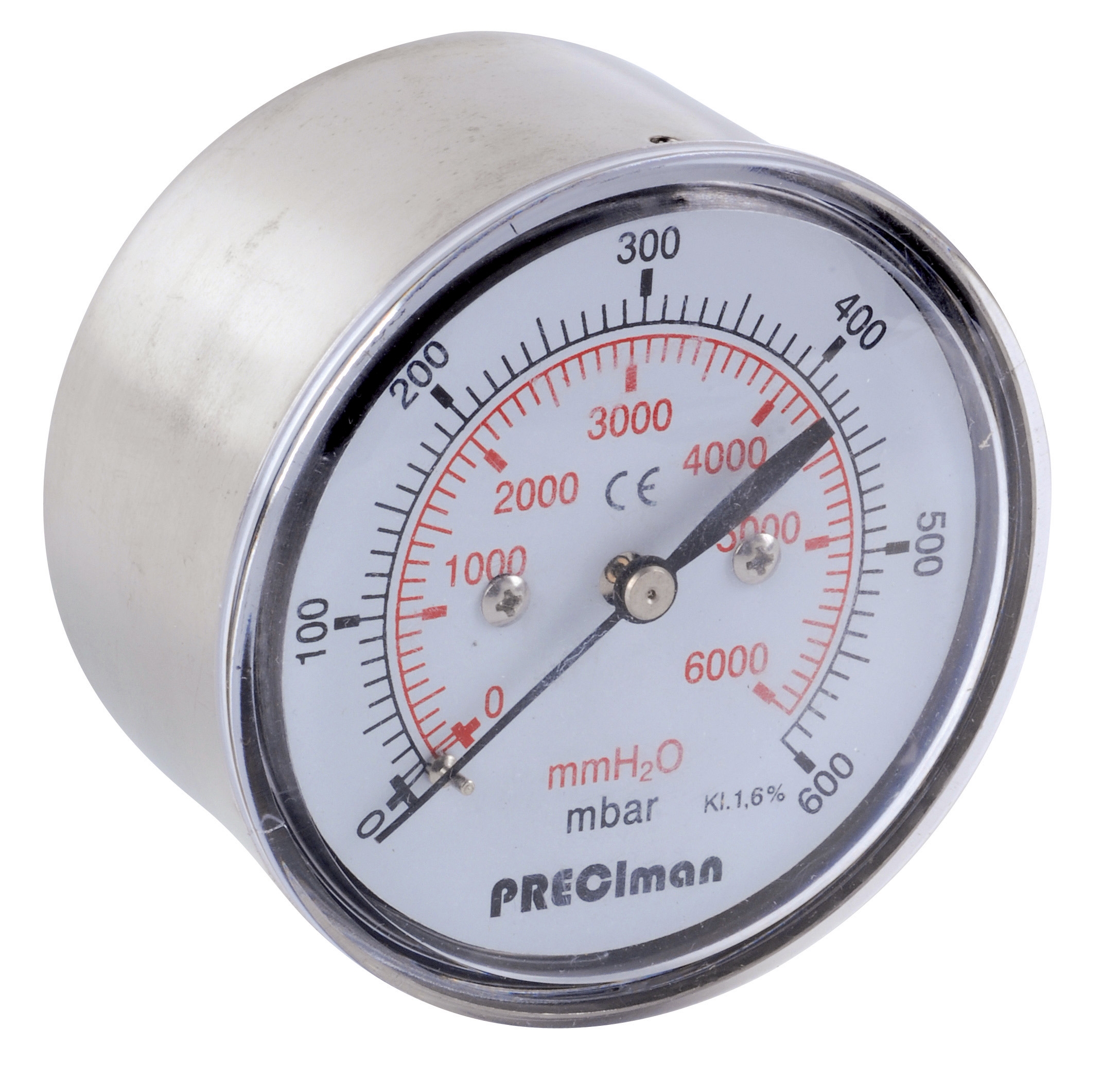
Table of Contentsexpand_more
Pressure Measurement Systems in Singapore's Industrial Sector: Technical Selection and Implementation Guide
Accurate pressure measurement forms the backbone of reliable industrial operations across Singapore's manufacturing, petrochemical, pharmaceutical, and food processing sectors. Unlike generic measurement solutions, pressure monitoring systems must be precisely matched to specific environmental conditions, fluid characteristics, and accuracy requirements. This guide provides industrial professionals with the technical depth needed to select appropriate pressure measurement instrumentation, understand critical performance specifications, and implement systems that deliver consistent, dependable results. Whether managing low-pressure pneumatic systems, high-pressure hydraulic circuits, or specialized applications requiring ATEX certification, proper selection methodology prevents costly equipment failures and ensures worker safety.
Understanding Pressure Measurement Technology and System Design
Pressure measurement technology has evolved significantly, with modern industrial systems employing multiple sensing methodologies suited to different applications. The fundamental principle remains constant: converting mechanical pressure into readable values through calibrated instruments. However, the mechanisms, materials, and construction methods vary considerably based on intended use.
Capsule gauge technology represents one of the most reliable pressure measurement approaches for low to medium pressure applications. These instruments utilize corrugated diaphragm technology—typically constructed from copper alloys or stainless steel—that flexes proportionally to applied pressure. The mechanical displacement connects to a pointer mechanism displaying pressure values on a calibrated dial. This analog approach offers several advantages: no electrical power requirement, inherent safety in explosive atmospheres (when properly certified), and exceptional reliability in harsh industrial environments common throughout Singapore's manufacturing landscape.
For applications involving aggressive media, glycerin-filled manometers provide critical protection. The glycerin damping fluid serves multiple purposes: it reduces pointer oscillation caused by pressure fluctuations, protects internal mechanisms from corrosive exposure, and extends instrument lifespan in challenging chemical environments. This technology proves particularly valuable in Singapore's petrochemical and chemical processing sectors where corrosive or toxic fluid exposure presents constant operational challenges.
System accuracy represents a critical specification often overlooked during procurement. Industry-standard manometers typically achieve ±1.6% of full-scale accuracy. This means a 400 mbar gauge (0-400 mbar range) maintains ±6.4 mbar accuracy across its entire measurement span. Understanding this percentage-based accuracy becomes essential when selecting instruments for applications with tight tolerance requirements. A gauge suitable for gross pressure monitoring may prove inadequate for processes requiring precise pressure control.
Measurement range selection demands careful analysis of actual operating conditions rather than theoretical maximums. Instruments operate most accurately when pressure readings fall within the middle 50-80% of their full-scale range. Operating consistently at the extreme ends of measurement range degrades accuracy and accelerates component wear. Proper system design typically selects gauges with ranges 20-30% higher than maximum expected operating pressure, ensuring both accuracy and safety margin.
Technical Specifications and Product Characteristics for Industrial Applications
Singapore's industrial facilities employ pressure measurement systems across remarkably diverse applications, each presenting unique technical requirements. Understanding specification details becomes essential for matching instrumentation to operational demands.
CBM's stainless steel axial manometer series (ROS23014, ROS23016) demonstrates engineering specifically tailored for industrial environments. The D63 (63mm) diameter format provides readable displays suitable for control room and machine-mounted installations. The axial mounting orientation—where the connection port and dial face the same direction—simplifies installation in space-constrained equipment layouts common in modern industrial facilities. These instruments span measurement ranges from 0-400 mbar (ROS23014) to 0-600 mbar (ROS23016), with stainless steel construction providing corrosion resistance essential in humid Singapore climates and chemically challenging environments.
For applications involving aggressive media or requiring extended instrument lifespan, glycerin-filled alternatives offer substantial advantages. The CBM all-stainless glycerin manometer (ROS58040) operating at 0-250 bar demonstrates capability across significantly higher pressure ranges while maintaining full corrosion protection. Glycerin fill provides additional benefits: reduced pressure spike effects during sudden pressure surges, dampened needle oscillation improving readability, and internal component protection from moisture and chemical exposure. These characteristics prove invaluable in compressed air systems and hydraulic applications where periodic surge pressures and environmental moisture present constant challenges.
Gas detection systems represent the complementary measurement technology essential for safety-critical applications throughout Singapore's industrial sectors. The CBM Detection unit 4 probes (DTK08006) and modular gas detection center with DIN rail mounting (DTK08014) provide comprehensive multi-zone monitoring capability. These systems employ catalytic sensor technology capable of detecting combustible and toxic gases simultaneously across multiple monitoring zones. EMC certification (EN50270:2015) ensures reliable operation in electrically noisy industrial environments common in manufacturing facilities.
Specialized applications—particularly those involving explosive atmospheres in petrochemical refineries or chemical plants—demand ATEX-certified detection probes. The CBM Atex diesel probe (DTK18012) carries EX II2 GD certification, enabling safe deployment in Zone 2 explosive atmospheres. These sensors employ advanced catalytic sensing technology capable of monitoring diverse gas types from hydrocarbon vapors to chemical process releases, providing the safety-critical detection essential in high-risk industrial environments.
Real-World Implementation Examples Across Singapore's Industrial Sectors
Singapore's diverse industrial base presents varied pressure measurement and detection challenges, each demanding tailored technical solutions. Understanding practical implementation patterns helps professionals recognize similar requirements within their own facilities.
Pharmaceutical manufacturing operations represent a critical application domain where contamination control and precise environmental monitoring are paramount. Clean-room facilities maintain positive pressure differentials to prevent external contamination ingress. CBM pressure measurement systems continuously monitor these differential pressures, with glycerin-damped instruments (ROS58040) providing reliable readings despite occasional pressure surges from HVAC system cycling. Simultaneous gas detection monitoring ensures rapid identification of process upsets or equipment failures that could compromise product integrity.
Petrochemical refining and chemical processing facilities throughout Singapore's Jurong Island industrial zone operate under significantly different but equally demanding conditions. Multiple high-pressure systems—crude oil processing, chemical synthesis reactors, hydrocarbon recovery units—require continuous pressure monitoring with integrated safety systems. ATEX-certified detection probes like the diesel probe (DTK18012) provide essential safety oversight, immediately alerting operators to unexpected gas releases that could indicate equipment failure or process upset. The modular DIN rail detection center (DTK08014) integrates pressure and gas detection data, providing comprehensive equipment status visibility.
Food processing facilities employ pressure measurement in pasteurization systems, sterilization vessels, and packaging equipment. Lower-pressure ranges (CBM ROS20002, ROS20010 series) suit these applications, with stainless steel construction preventing corrosion from moisture and cleaning chemical exposure. The non-electrical nature of dial pressure gauges proves advantageous in wet environments where electrical sensor reliability becomes problematic.
Selection Criteria and Implementation Best Practices
Systematic approach to pressure measurement system selection prevents costly procurement errors and ensures long-term operational reliability. Several critical factors warrant evaluation:
Environmental Exposure Analysis: Assess humidity, temperature extremes, chemical exposure, and mechanical vibration. Corrosive environments demand stainless steel construction and glycerin fill. Humid conditions benefit from sealed, glycerin-filled designs preventing internal condensation and dial obscuration.
Fluid Compatibility: The medium being measured significantly impacts instrument selection. Aggressive chemicals demand specialized wetted materials. Glycerin fill provides protection when direct fluid contact poses corrosion risks. CBM's capsule gauge technology using copper alloy components suits pneumatic systems with non-corrosive media.
Accuracy and Range Requirements: Define minimum acceptable accuracy based on process control requirements. Select measurement ranges where normal operating pressure occupies the 50-80% span—this methodology ensures accuracy optimization and extends instrument service life. Higher ranges than theoretically required provide surge protection margins essential for unexpected pressure transients.
Safety and Certification: Explosive atmosphere applications (Zone 1 or Zone 2 per ATEX guidelines) demand certified equipment exclusively. DTK series detection probes provide EX II2 GD certification, enabling safe deployment where conventional instruments pose explosion risks.
Maintenance Accessibility: Design systems allowing instrument replacement without full equipment shutdown. Stainless steel axial manometers (ROS23014, ROS23016) with standard G1/4 connections facilitate quick replacement and spare inventory standardization.
Ensuring Long-Term Measurement Reliability and Safety Compliance
System implementation represents only the first phase of effective pressure measurement deployment. Ongoing maintenance, periodic verification, and systematic replacement protocols ensure continued reliability and regulatory compliance throughout instrument operational life.
Regular visual inspection—typically quarterly in industrial environments—identifies early degradation signs: pointer sluggishness, dial fogging, or mechanical damage. Glycerin-filled instruments (ROS58040 and related series) should be inspected for fluid leakage or discoloration. Instruments displaying ±2.5% or greater accuracy drift require replacement or recalibration, depending on facility policies and regulatory requirements.
Pressure surge protection prevents premature instrument failure and maintains measurement accuracy. Installing snubbers or shock absorbers upstream of measurement points—particularly critical in compressed air systems and reciprocating pump applications—extends instrument lifespan and reduces costly unexpected failures.
Gas detection system maintenance proves equally critical. CBM detection centers (DTK08006, DTK08014) require periodic sensor testing, calibration verification, and firmware updates. ATEX-certified probes demand certified maintenance procedures and spare component sourcing to maintain certification validity.
Documentation and calibration traceability support regulatory compliance and operational continuity. Maintaining installation records, maintenance logs, and calibration certificates proves essential for ISO certifications, process validation, and incident investigations.
Selecting appropriate pressure measurement and detection systems forms a critical investment in industrial reliability and worker safety. The technical depth required for proper system selection, combined with diverse product characteristics across measurement ranges and environmental protection levels, demands expertise often unavailable within individual facilities. 3G Electric's team of industrial equipment specialists brings three decades of Singapore market experience to pressure measurement system procurement and implementation. Whether you're evaluating first-time pressure monitoring installation, upgrading existing systems, or addressing specific technical challenges in your facility, our technical professionals can provide expert guidance matching instrumentation to your operational requirements. Explore our complete measurement and detection product portfolio or contact our technical team directly to discuss your specific application requirements. We're committed to ensuring your facility's measurement systems deliver the accuracy, reliability, and safety your operations demand.
![Airstat Buyer's Guide SG | TAT Broth Media [2026]](https://oxalncjenpflyqfncuhe.supabase.co/storage/v1/object/public/product-assets/grainger/62314438-78dc-4409-9813-a921ea1b50c8.jpg)