Diagnostic Measurement Techniques: From Voltage Detection to Pressure Monitoring in Industrial Systems
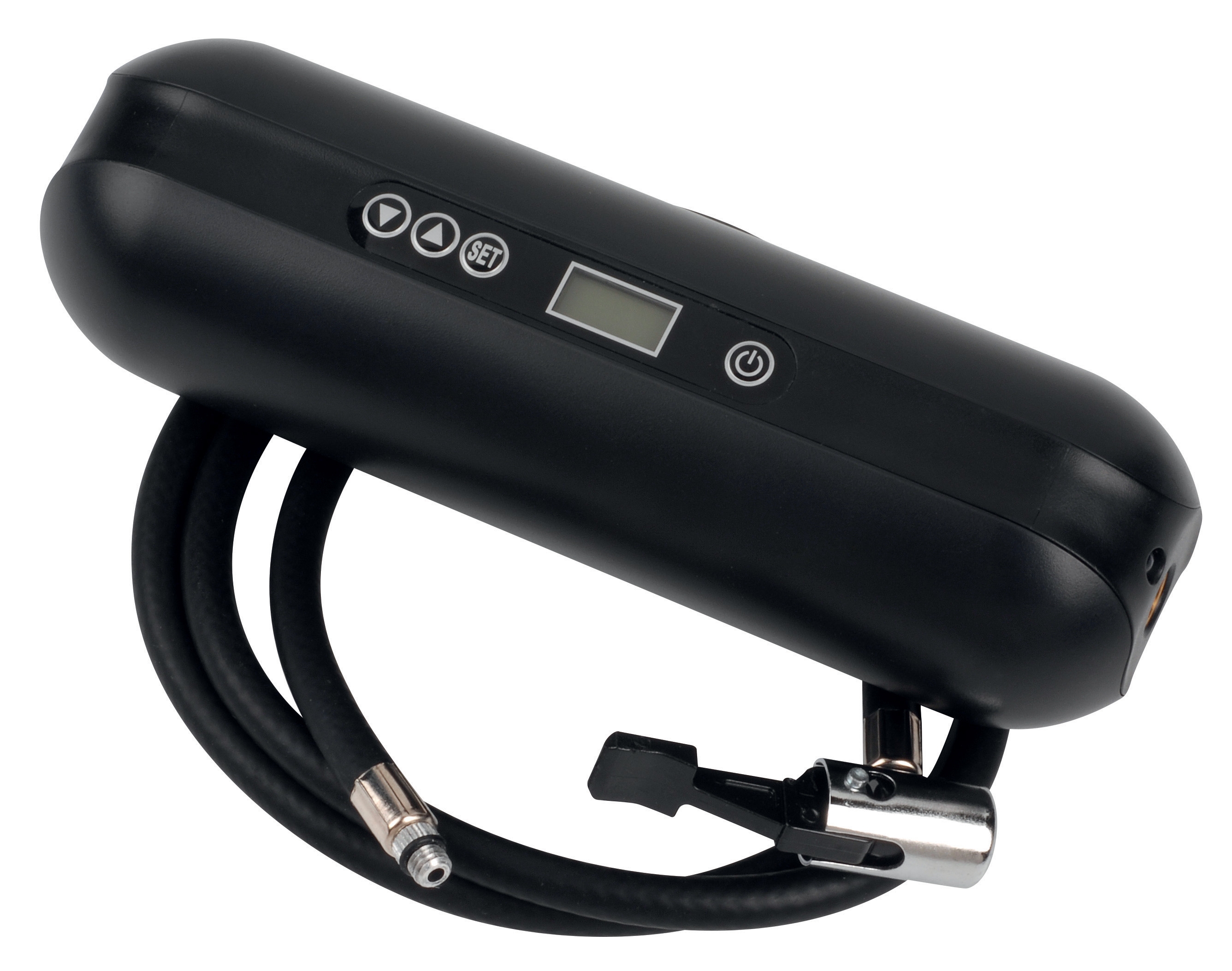
Table of Contentsexpand_more
Diagnostic Measurement Techniques: From Voltage Detection to Pressure Monitoring in Industrial Systems
Industrial maintenance teams face a fundamental challenge: diagnosing equipment failures accurately and efficiently. Whether you're troubleshooting electrical faults, monitoring pressure systems, or detecting temperature anomalies, the ability to measure and detect critical parameters is essential for preventing costly downtime. This guide explores the diagnostic measurement techniques that experienced service engineers rely on, from non-contact voltage detection to precision pressure monitoring, and shows how these instruments work together in real-world industrial applications across global facilities.
Understanding the Role of Diagnostic Measurement in Preventive Maintenance
Diagnostic measurement forms the foundation of effective preventive maintenance programs. Rather than waiting for equipment to fail, maintenance teams use measurement and detection tools to identify problems before they escalate into critical failures. This approach reduces unplanned downtime, extends equipment life, and protects worker safety.
The key principle underlying diagnostic measurement is early detection. When a pressure system begins to drift beyond specification, when electrical contacts show irregular voltage patterns, or when thermal readings indicate abnormal heat distribution, these measurements signal that intervention is needed. By catching these changes early, you prevent catastrophic failures that could damage equipment or injure personnel.
Effective diagnostics require a systematic approach. Rather than relying on a single instrument, maintenance engineers use complementary measurement tools that provide different types of data. Voltage detectors identify electrical hazards and circuit faults. Pressure gauges reveal whether hydraulic, pneumatic, or gas systems are operating within specification. Thermocouples and infrared thermometers detect temperature anomalies that may indicate mechanical problems, electrical resistance issues, or thermal imbalances. Specialized instruments like expansion tank inflators maintain critical pressure parameters in heating and cooling systems.
This layered approach to measurement and detection allows technicians to develop a comprehensive understanding of equipment condition. Each instrument contributes specific information that, when interpreted together, tells a complete diagnostic story. Understanding how these tools complement one another is essential for modern maintenance practice.
Essential Diagnostic Instruments: Technical Specifications and Applications
Modern industrial diagnostics relies on several core measurement instruments, each designed to detect specific parameters with high accuracy and reliability.
Non-Contact Voltage Detection represents one of the most important safety advances in industrial diagnostics. The CBM non-contact voltage detector allows technicians to identify the presence of electrical voltage without direct contact with conductors. This is critical for safety—it eliminates the risk of electrical shock during initial circuit investigation. The dual-range design accommodates both standard household and industrial voltage levels, making it suitable for diverse applications. Operating on battery power, this detector features a visible indicator and audible alert, allowing technicians to work confidently even in visually challenging environments. The probe design reaches into tight spaces where conventional meters cannot access.
Pressure Measurement Accuracy is fundamental to system diagnostics. The CBM glycerin stainless steel pressure gauge (0/+4bar) and similar models across multiple pressure ranges provide precise, real-time pressure readings. Glycerin-filled gauges offer superior damping of pressure fluctuations, critical in systems with pulsating flow or rapid pressure changes common in pneumatic equipment, compressors, and hydraulic systems. The stainless steel construction ensures durability in corrosive environments found in chemical processing, marine facilities, and coastal industrial areas. The vertical orientation and clear D50 dial make readings visible from multiple angles, essential in tight equipment layouts.
Electrical System Diagnostics extend beyond simple voltage detection. The CBM automatic multimeter MM420 provides comprehensive electrical measurements including voltage (AC/DC), current, resistance, and frequency. The automatic ranging feature eliminates the need to manually select measurement scales—a significant advantage when troubleshooting unfamiliar circuits under time pressure. This instrument is essential for diagnosing power quality issues, verifying circuit continuity, measuring motor winding resistance, and testing battery voltage. The robust design suits harsh shop environments.
Temperature Measurement at High Temperatures requires specialized equipment. The CBM Type K thermocouple enables infrared thermometers to measure surface temperatures up to extreme ranges with accuracy. This is critical for monitoring bearing temperatures, detecting hot spots in electrical equipment, verifying thermal uniformity in heated processes, and ensuring heating elements reach specification. Type K thermocouples function across the widest temperature range of any thermocouple type, making them the standard choice for industrial diagnostics.
System Pressure Maintenance requires specialized inflators. The CBM expansion tank inflator (2000 mAh) addresses a critical maintenance need in HVAC and heating systems. Expansion tanks maintain system integrity by accommodating fluid volume changes as water heats and cools. Digital pressure display allows precise verification that precharge pressure matches system specifications. The automatic stop feature prevents over-pressurization. USB and vehicle charging options ensure the battery remains charged for emergency service calls.
Real-World Diagnostic Scenarios: Putting Measurement Tools to Work
HVAC System Troubleshooting: A maintenance team responds to reports of inadequate heating in a multi-zone building. Starting with the non-contact voltage detector, they verify that power reaches the circulation pump—confirming the electrical supply is functional. Using the expansion tank inflator, they check the precharge pressure and find it's significantly low—the tank bladder has failed. After tank replacement, they use a glycerin pressure gauge to verify system pressure operates within specification during startup. A Type K thermocouple confirms water temperature leaving the boiler reaches design specification. The integrated diagnosis, using multiple measurement tools, revealed the root cause and verified the solution.
Pneumatic System Diagnostics: Inconsistent pressure in a compressed air distribution system affects tool performance. Technicians use the automatic multimeter to verify electrical supply to the compressor motor and check for phase imbalance. Pressure gauges at multiple points in the system reveal that pressure drops significantly between the main compressor outlet and branch lines—indicating a leak or restriction. By measuring at different system points, they locate a partially blocked regulator. Replacement restores pressure throughout the system.
Electrical Equipment Assessment: Before beginning work on a control panel, an electrician uses the voltage detector to confirm safe working conditions. The multimeter verifies proper voltage levels to critical circuits and measures contact resistance in terminal connections to identify potential arcing hazards. These measurements ensure both worker safety and system reliability.
Selection Criteria: Choosing the Right Measurement Tools for Your Application
Match Instrument Specifications to System Requirements: Pressure gauges must accommodate the maximum system pressure with a safety margin. A system operating at 3.5 bar should use a gauge rated to at least 4 or 6 bar, not a 16 or 25 bar gauge—undersized dials make accurate readings impossible. Similarly, thermocouples must cover the full temperature range encountered, including startup transients.
Consider Environmental Factors: Stainless steel construction is essential in corrosive environments. Glycerin damping reduces measurement noise in systems with pressure pulsation. Non-contact voltage detectors provide safety advantages over direct-contact methods. Digital displays on inflators enable precise pressure matching to specifications.
Prioritize Reliability and Accuracy: Measurement instruments that fail or provide inaccurate readings create false confidence in system condition. Choose established brands with documented accuracy ratings and robust construction. Glycerin-filled gauges with stainless steel bodies withstand harsh industrial environments far better than basic alternatives.
Plan for Complementary Tools: No single instrument provides complete system diagnostics. An effective maintenance toolkit includes voltage detection, electrical measurement, pressure monitoring, and temperature measurement capabilities. This combination enables comprehensive troubleshooting across mechanical, electrical, and fluid systems.
Integrating Measurement & Detection into Your Maintenance Program
Diagnostic measurement tools are most effective when integrated into a systematic maintenance program. Rather than responding reactively to failures, establish baseline measurements for critical parameters during equipment commissioning. Document normal operating values for pressure, temperature, and electrical characteristics. During routine maintenance, repeat these measurements and compare results to baseline values. Trends—such as gradually increasing pressure drops, slowly rising temperatures, or declining voltage levels—often precede catastrophic failures by days or weeks.
Training is essential. Technicians who understand what each instrument measures, how to interpret readings, and what values indicate problems can diagnose issues accurately and efficiently. Investing in measurement and detection capability without supporting training wastes resources.
Finally, maintain your diagnostic instruments. Multimeters and voltage detectors require fresh batteries. Pressure gauges need periodic calibration to ensure accuracy. Thermocouples may require replacement if they become damaged. Well-maintained tools provide reliable data; worn or poorly maintained instruments mislead technicians into incorrect diagnoses.
Connecting Measurement Data to System Performance
The ultimate goal of diagnostic measurement is improved equipment reliability and safety. By systematically measuring and detecting changes in system condition, maintenance teams transition from reactive firefighting to proactive problem prevention. This approach reduces unplanned downtime, extends equipment life, and protects worker safety across global industrial operations.
Whether you're supporting HVAC systems, pneumatic equipment, electrical controls, or hydraulic machinery, comprehensive measurement and detection capabilities are essential. The investment in quality instruments and trained technicians pays dividends through improved reliability and reduced maintenance costs.
Ready to enhance your diagnostic capabilities? The measurement and detection tools featured in this guide represent proven solutions trusted by maintenance teams worldwide. 3G Electric provides both the instruments and the technical expertise to help you build an effective diagnostic program. Explore our complete measurement and detection product range, or contact our team to discuss your specific diagnostic requirements. Our equipment specialists can help you select the right tools for your applications and provide guidance on integration into your maintenance workflows.
![Airstat Buyer's Guide SG | TAT Broth Media [2026]](https://oxalncjenpflyqfncuhe.supabase.co/storage/v1/object/public/product-assets/grainger/62314438-78dc-4409-9813-a921ea1b50c8.jpg)