How to Select and Install Gas Detection Systems in Industrial Facilities: A Singapore Professional's Guide
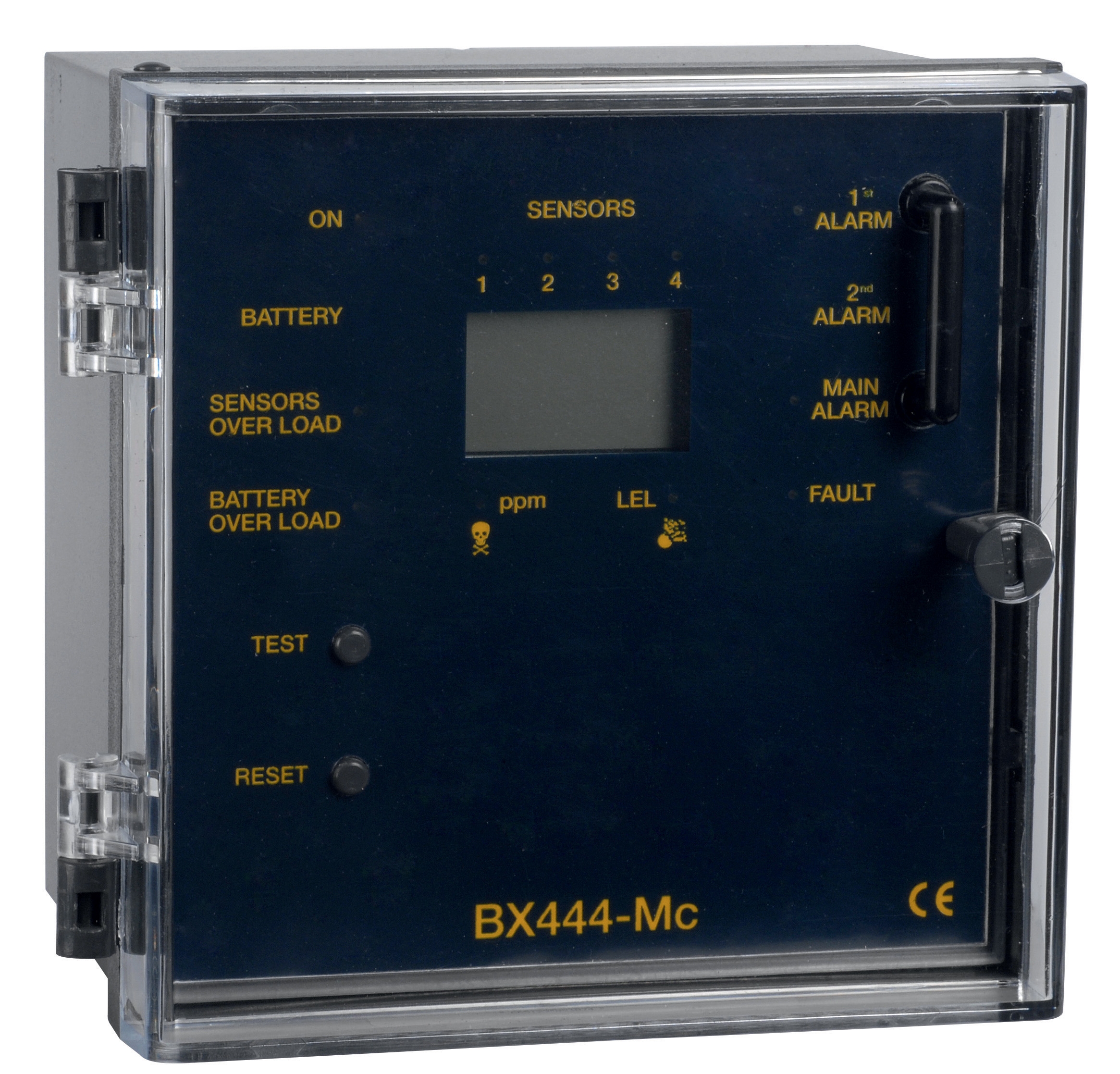
Table of Contentsexpand_more
How to Select and Install Gas Detection Systems in Industrial Facilities: A Singapore Professional's Guide
Gas detection systems form the critical backbone of industrial safety infrastructure, protecting personnel and assets in environments where explosive, toxic, or flammable gases pose genuine operational risks. For industrial professionals in Singapore managing pneumatic systems, storage facilities, chemical processing, or fuel handling operations, understanding the technical fundamentals of gas detection selection and installation is no longer optional—it's essential for regulatory compliance and workplace safety. This guide provides data-driven insights into choosing appropriate detection systems, understanding sensor technology, and implementing installations that meet both Singapore's safety standards and international ATEX certification requirements.
Understanding Gas Detection System Architecture and Technology
Modern industrial gas detection systems operate on a modular architecture comprising three primary components: detection sensors (probes), central control units, and communication infrastructure. Each component serves distinct functions within an integrated safety ecosystem.
Detection probes employ catalytic or electrochemical sensor technology to identify the presence of combustible or toxic gases. Catalytic bead sensors operate by oxidising combustible gases on a heated platinum surface, generating a change in electrical resistance proportional to gas concentration. This technology provides exceptional sensitivity across a broad spectrum of flammable gases—from hydrogen and methane to liquefied petroleum gas and diesel vapours—making it ideal for multi-gas detection scenarios common in Singaporean industrial facilities.
Central control units, or detection centres, serve as the intelligent processing hub. These units monitor multiple detection zones simultaneously, typically supporting 4, 8, or 16 conventional zones depending on facility scale. They perform real-time signal processing, threshold management, and alarm logic execution. Advanced units feature modular DIN rail mounting, simplifying integration into existing electrical infrastructures and enabling scalable expansion as operational requirements evolve.
The critical performance metric for any detection system is response time—measured in seconds to reach 90% of full-scale deflection. Industrial-grade systems typically achieve response times under 30 seconds, with premium ATEX-certified configurations delivering response times below 20 seconds. This speed differential directly impacts personnel response capability during gas release incidents.
Accuracy specifications, typically expressed as a percentage of full-scale measurement, determine system reliability. Industry-standard detection units maintain accuracy within ±2% to ±3% of full scale across their operating temperature range, ensuring consistent detection thresholds regardless of ambient environmental conditions common in Singapore's tropical climate.
Technical Specifications and Detection Unit Selection
When evaluating detection systems for specific industrial applications, understanding the technical differentiation between unit types proves essential. The CBM Detection unit 4 probes (DTK08006) represents a conventional 4-zone configuration suitable for small-to-medium industrial facilities. This unit complies with electromagnetic compatibility standards (CEI-EN50270:2015), ensuring reliable operation in environments with significant electrical noise—a critical consideration in facilities with variable frequency drives, welding equipment, or high-power industrial machinery.
For facilities requiring DIN rail integration and standardised industrial control panel mounting, the CBM Gas detection center Din rail 4 probes (DTK08014) provides enhanced mechanical compatibility. The modular DIN rail design eliminates custom fabrication requirements and accelerates deployment timelines—a significant advantage when retrofitting detection systems into existing industrial infrastructure across Singapore's established manufacturing corridors.
ATEX certification represents a critical specification for facilities handling flammable or explosive materials. The CBM Atex diesel probe (DTK18012) combines ATEX EX II2 GD classification with catalytic sensor technology, enabling safe detection of diesel vapours and other flammable hydrocarbons in hazardous atmospheres. The ATEX certification confirms the probe has undergone rigorous testing to prevent ignition sources within explosive gas environments—a non-negotiable requirement for fuel handling operations, storage facilities, and chemical processing plants.
Complementing electronic gas detection, mechanical pressure measurement instruments provide essential redundancy in pneumatic system monitoring. The CBM Stainless Steel Axial Manometer D63 0/+400Mbar (ROS23014) delivers direct pressure visualisation across the 0-400 millibar range with ±1.6% full-scale accuracy. The axial needle orientation and G1/4 connection ensure compatibility with standard pneumatic system installations throughout Singapore's industrial base.
For high-pressure applications requiring damping in fluctuating system environments, the CBM Glycerin Manometer All Stainless Vertical D63 0/+250bar (ROS58040) provides glycerin-filled operation, reducing needle oscillation by up to 95% compared to dry gauges. This specification proves invaluable in systems experiencing rapid pressure cycling, enabling operators to accurately read pressure values without waiting for needle stabilisation.
Step-by-Step Gas Detection System Installation Procedure
Step 1: System Design and Zone Definition
Conduct a facility survey identifying all potential gas release points, including equipment connections, pressure relief systems, storage areas, and work zones. Map detection zones ensuring no operational area falls outside sensor coverage. Calculate coverage area for each probe—typical coverage radius ranges from 4 to 8 metres depending on gas density and air circulation patterns. In Singapore's humid tropical environment, account for moisture-induced sensor degradation by positioning probes away from direct condensation sources.
Step 2: Detection Unit Placement and Mounting
Position the central control unit in an accessible location protected from direct temperature extremes and excessive vibration. If selecting DIN rail models like the DTK08014, integrate within your electrical control panel, ensuring proper grounding and 24V DC power supply stability. Verify all alarm circuit connections before energisation.
Step 3: Sensor Installation and Calibration
Install detection probes at points where gas would naturally accumulate—upper regions for lighter-than-air gases like hydrogen, lower areas for heavier gases like diesel vapours. Connect probes using shielded cabling rated for industrial environments, maintaining separation from high-voltage conductors to minimise electrical interference. Perform initial sensor calibration using certified test gas mixtures (typically 50% LEL—Lower Explosive Limit—for combustible gas sensors).
Step 4: Pressure Monitoring Integration
Connect mechanical manometers to system pressure ports using appropriate compression fittings and stainless steel tubing. For systems with pressure fluctuations exceeding ±10% of nominal operating pressure, utilise glycerin-filled gauges to ensure readable needle position. Establish baseline pressure readings under normal operating conditions for future anomaly detection.
Step 5: System Testing and Documentation
Execute full-system validation using certified test gases, confirming alarm thresholds and response times meet design specifications. Document all measurements, calibration dates, and personnel involved in commissioning. Establish quarterly recalibration schedules aligned with Singapore's Ministry of Manpower guidelines for industrial safety systems.
Selection Criteria and Implementation Best Practices
Selecting appropriate detection systems requires evaluating multiple technical and operational criteria. Environmental compatibility forms the foundation: verify that all wetted components can withstand exposure to the specific gas medium your facility handles. For facilities handling aggressive solvents or non-corrosive dry gases, stainless steel construction becomes essential, particularly in Singapore's high-humidity coastal environment where standard materials undergo accelerated corrosion.
Redundancy architecture should inform your system design. Implement dual detection circuits for critical safety applications, with independent sensors feeding separate alarm logic. This architecture ensures that single-point failures do not disable facility-wide detection capability—a best practice endorsed by major industrial safety standards.
Regulatory alignment cannot be overlooked. Singapore facilities handling hazardous substances must comply with measurement and detection standards established under the Workplace Safety and Health Act. Verify that selected systems carry appropriate certifications (ATEX for explosive atmospheres, CE marking for European facilities with Singapore operations, local Ministry of Manpower approvals for domestic installations).
Maintenance accessibility determines long-term system reliability. Specify systems with modular sensor designs enabling replacement without complete system shutdown. Establish preventive maintenance schedules incorporating quarterly visual inspections, annual calibration verification, and biennial sensor replacement.
Integration capability with existing industrial control systems accelerates troubleshooting and enables predictive maintenance analytics. Modern detection units with networked output capabilities (where available) allow correlation of gas detection events with production data, revealing patterns that inform process optimisation.
Conclusion and Next Steps
Implementing effective gas detection systems represents a measurable commitment to industrial personnel safety and operational compliance. By selecting systems aligned with your facility's specific hazard profile, understanding the technical specifications that drive reliable performance, and following systematic installation procedures, you establish a detection infrastructure capable of identifying and responding to dangerous gas releases before personnel exposure occurs.
The technical foundation you've learned—from catalytic sensor operation to DIN rail integration to pressure measurement redundancy—enables you to evaluate detection solutions with confidence and precision. Whether you're retrofitting detection systems into established Singaporean manufacturing facilities or designing safety infrastructure for new operations, the principles outlined in this guide provide the framework for making technically sound decisions.
Ready to implement a robust gas detection system at your facility? 3G Electric has served Singapore's industrial sector since 1990, providing authoritative technical guidance and proven detection equipment from trusted manufacturers. Contact our technical team to discuss your specific detection requirements, evaluate system options against your facility's unique hazard profile, and receive recommendations backed by our 30+ years of industrial equipment expertise across Singapore's manufacturing, chemical processing, and storage sectors.
![Airstat Buyer's Guide SG | TAT Broth Media [2026]](https://oxalncjenpflyqfncuhe.supabase.co/storage/v1/object/public/product-assets/grainger/62314438-78dc-4409-9813-a921ea1b50c8.jpg)