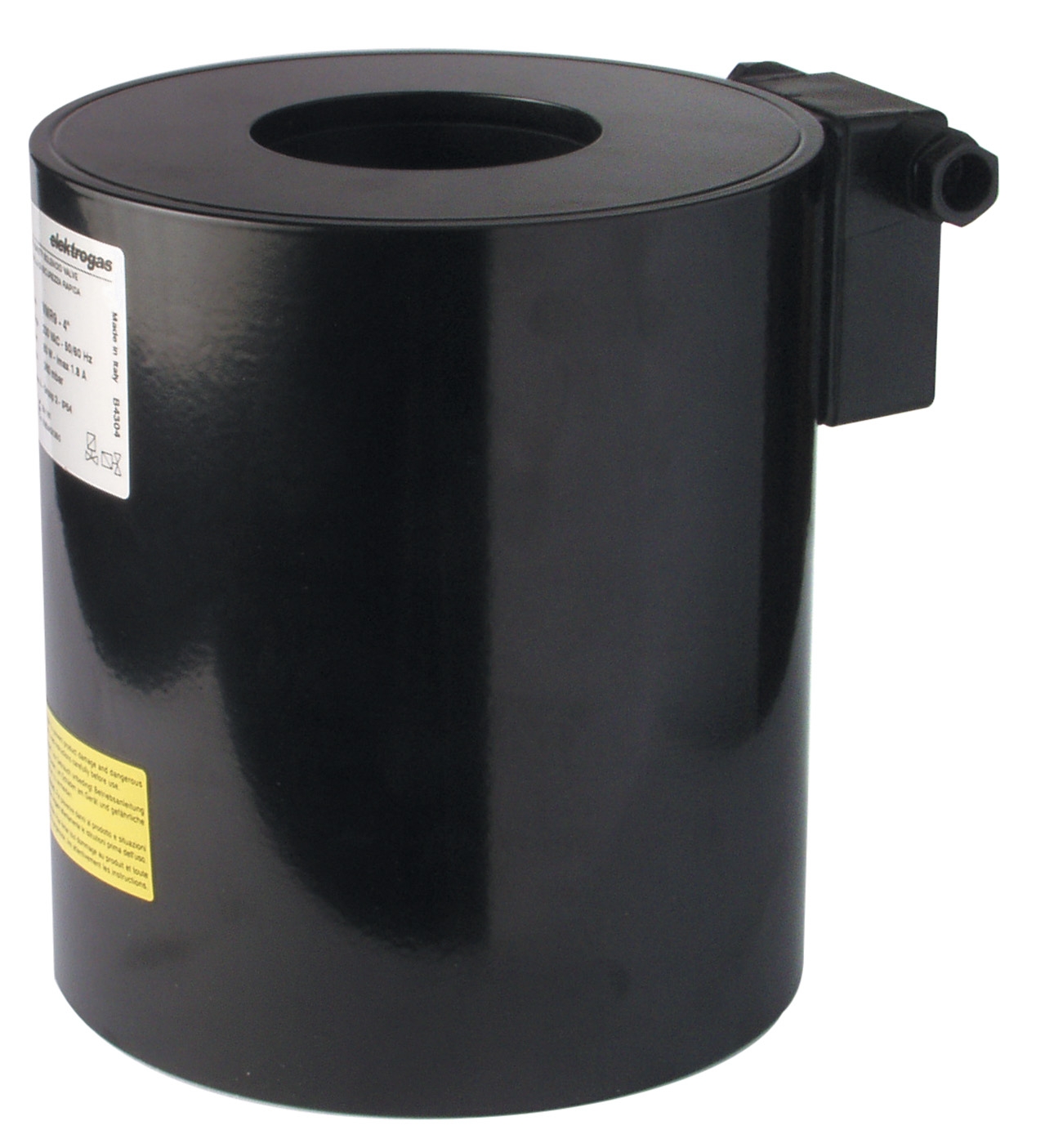
Gas Valve and Solenoid Coil Troubleshooting Guide for Industrial Applications in Singapore
Gas valves and solenoid coils form the critical control backbone of industrial combustion systems, fuel delivery networks, and pneumatic applications across Singapore's manufacturing sector. When these components malfunction, production downtime and safety risks escalate rapidly. This comprehensive troubleshooting guide addresses the most common failure modes affecting solenoid valves Singapore and provides data-driven diagnostic procedures that industrial professionals can implement immediately. Whether you operate oil supply systems, gas burners, or pressure-regulated fuel units, understanding the root causes of valve failures—from electrical coil faults to mechanical binding—enables faster resolution and prevents costly equipment damage.
Understanding Gas Valve Architecture and Failure Modes
Modern industrial gas valves operate through electromagnetic actuation, where solenoid coils generate magnetic fields that lift or seat internal plungers against varying pressure differentials. The system's reliability depends on precise coordination between electrical input, magnetic force generation, and mechanical response under real-world pressure conditions.
Gas valves in industrial applications encounter five primary failure categories: electrical coil degradation, pressure-related malfunctions, mechanical binding or wear, contamination-induced stiction, and pilot gas circuit blockage. Each failure mode presents distinct diagnostic signatures that technicians can identify through systematic testing.
Electrical coil failures represent approximately 40% of premature gas valve shutdowns in industrial settings. Solenoid coils rated at 230V AC or 24V AC operate under continuous thermal stress, particularly in high-ambient-temperature environments common in burner rooms and enclosed mechanical spaces. Insulation breakdown, winding shorts, and open circuits manifest as complete loss of magnetic pull or intermittent valve actuation. Pressure-related failures occur when inlet pressures exceed or fall below the valve's designed operating range, causing the plunger to stick in either open or closed positions due to excessive or insufficient differential pressure.
In Singapore's tropical climate, humidity and salt-laden air accelerate oxidation of solenoid contacts and corrode electrical connectors, introducing additional resistance into the circuit. This resistance reduces coil current draw below the minimum threshold needed to generate sufficient magnetic force, resulting in weak or failed valve opening despite adequate voltage supply.
Diagnostic Procedures and Technical Testing for Valve Coils
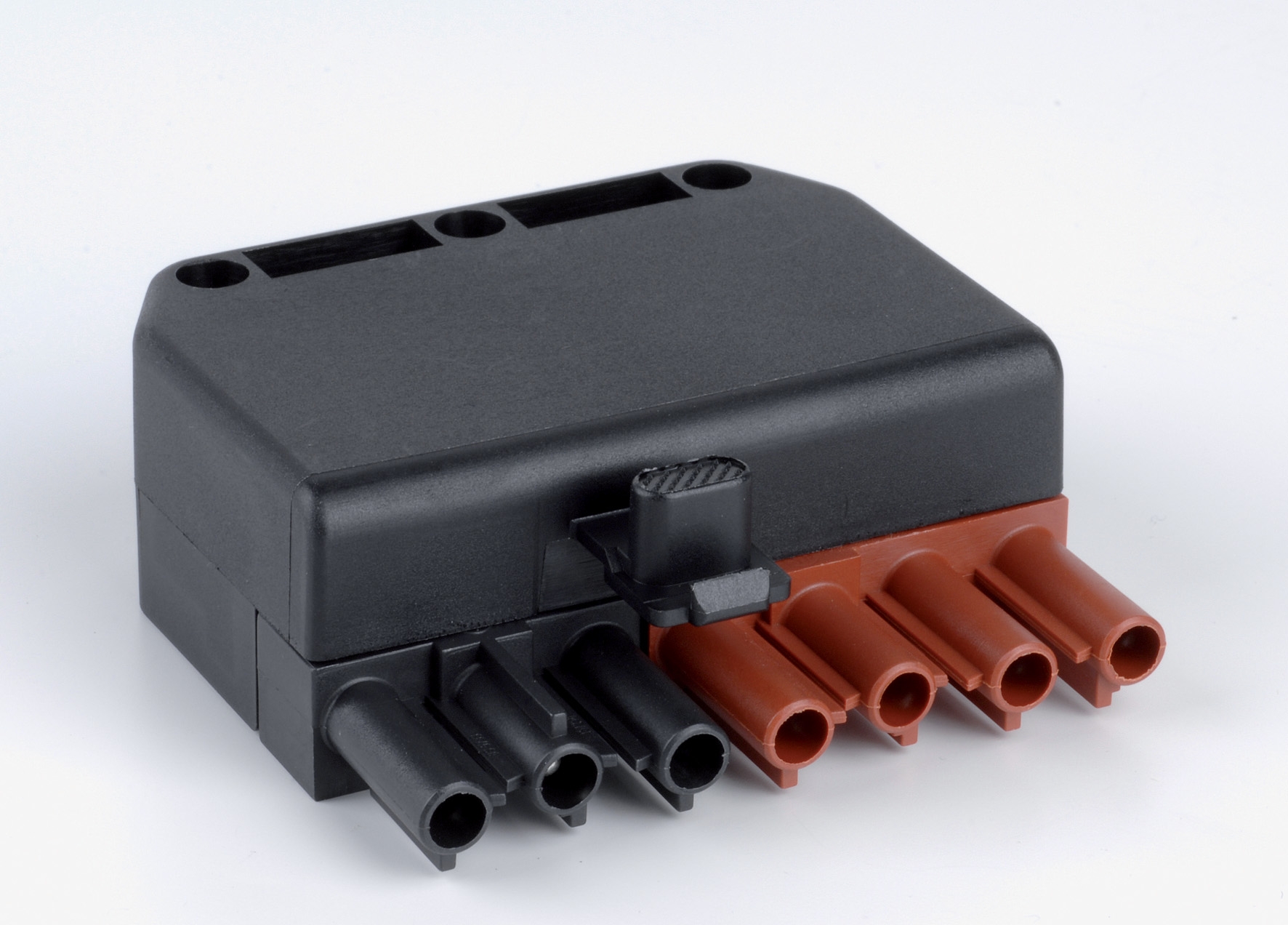
Begin troubleshooting with visual inspection and electrical measurement before proceeding to operational testing. Examine the solenoid coil connector for corrosion, discoloration, or moisture ingress—critical indicators in tropical environments. The CBM Coil 1930.1814 230V VML and CBM Coil 1930.3100 230V EVRMNCOT both feature male connectors that require clean, dry contact surfaces for reliable current flow.
[PRODUCT_IMAGE:ELK26121]
Use a digital multimeter set to resistance (ohms) mode to measure coil winding resistance. Record baseline values and compare against manufacturer specifications; typically, a 230V coil should read 3,000–5,000 ohms, while 24V AC coils like the CBM ELV 24V AC measure 100–500 ohms. Resistance readings of zero indicate a shorted winding; infinite readings suggest an open circuit. Both conditions demand coil replacement.
[PRODUCT_IMAGE:ELV93006]
For operational diagnostics, measure voltage at the valve coil terminal during normal system operation using an AC voltmeter. If voltage reads within ±10% of rated specification (e.g., 207–253V for 230V coils) but the valve fails to actuate, the coil itself is defective. If voltage drops significantly below specification during valve operation, investigate upstream power supply issues, loose connections, or oversized electrical loads on the same circuit.
Pressure testing is equally critical. Install a pressure gauge upstream of the valve—the CBM Stainless Steel Axial Manometer D63 0/+400mbar provides reliable measurement across low-pressure applications including pilot gas circuits. Verify that inlet pressure falls within the valve's rated operating range (typically 200–600mbar for pilot-operated solenoid valves). Pressures exceeding maximum ratings prevent the plunger from opening despite adequate coil force; pressures below minimum specifications may allow valve drift or prevent positive seating.
[PRODUCT_IMAGE:ROS23014]
For vacuum-sealed systems or applications requiring precise negative pressure monitoring, deploy the CBM Digital Vacuum Gauge BluVac, which offers digital readout capability and eliminates parallax measurement errors inherent in analog gauges.
[PRODUCT_IMAGE:CLI20214]
Real-World Applications: Gas Burner Systems and Fuel Supply
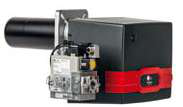
The FBR X GAS XP 60 CE TC EVO methane burner represents a typical high-power industrial combustion application where solenoid valve functionality directly impacts operational safety and efficiency. This burner delivers 232–630 kW output on 3-phase electrical supply, requiring robust gas valve control to modulate flame intensity and maintain combustion stability.
[PRODUCT_IMAGE:002345_41]
In this configuration, a pilot gas solenoid valve initiates the ignition sequence, while a main gas solenoid valve proportionally controls flow to burner nozzles. When the pilot valve solenoid coil fails—whether due to thermal degradation or moisture intrusion—the burner cannot ignite, halting production. A technician employing the diagnostic procedures outlined above would measure coil resistance, verify electrical supply to the pilot valve connector, and confirm pilot gas pressure at 300–400mbar using the axial manometer.
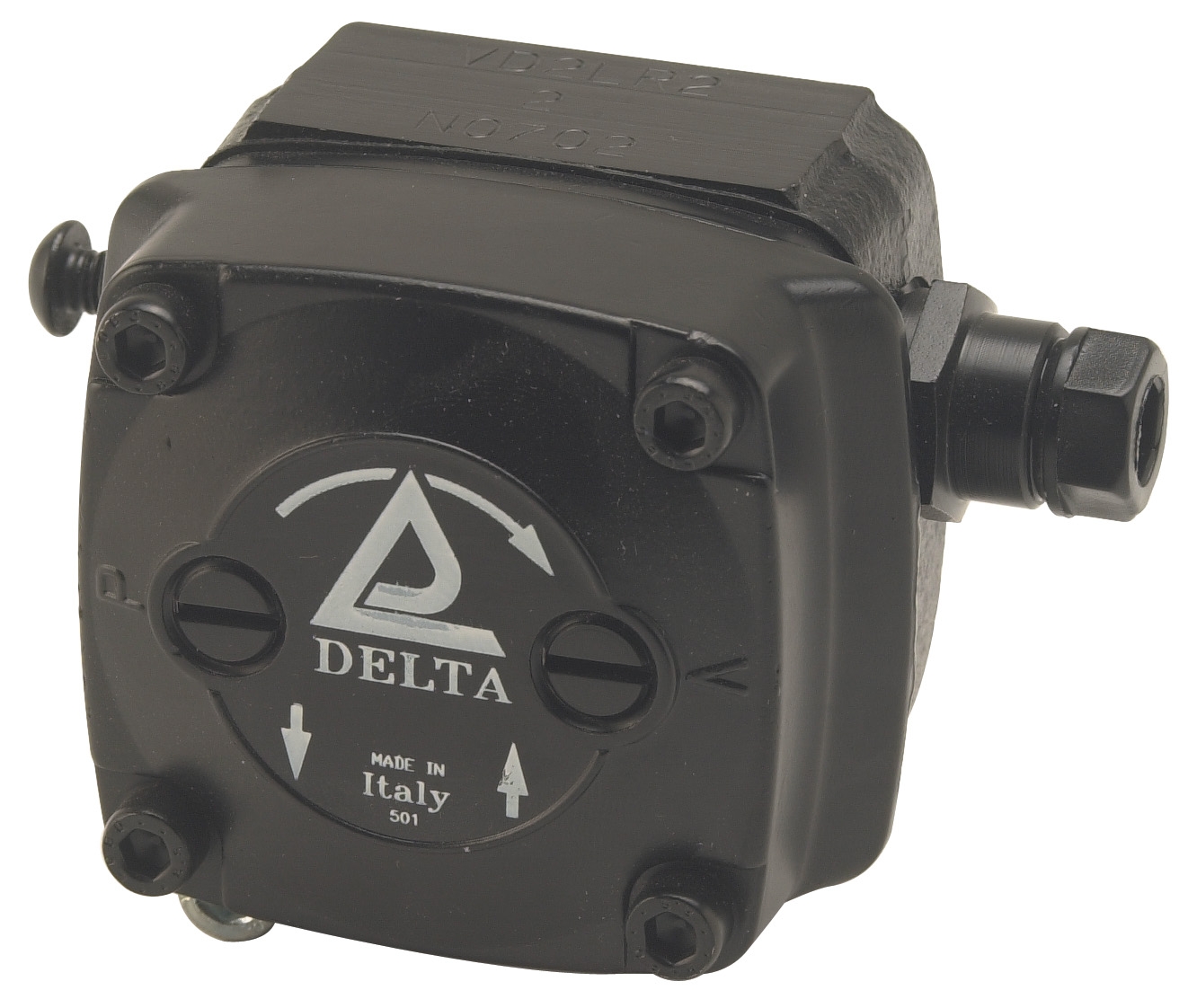
Oil supply systems employing the CBM VD2 LR-2.2 low-pressure pump frequently incorporate solenoid shut-off valves downstream of the pump discharge. These valves prevent reverse flow and contain pressure spikes when the burner shuts down. The pump itself operates with internal pressure regulation, but solenoid valve failure in shut-off duty results in oil seepage into the combustion chamber after shutdown, creating carbon deposits and fouling fuel nozzles. Systematic coil testing and pressure monitoring at the shut-off valve inlet ensure early detection before secondary equipment damage occurs.
[PRODUCT_IMAGE:ALI05012]
Selection Criteria and Preventive Maintenance Best Practices
When replacing failed solenoid coils in Singapore's industrial environment, prioritize specification matching across voltage, frequency, and pressure rating. Mismatch between existing valve bodies and replacement coils causes operational failures and safety hazards. Verify that replacement coils—such as the 230V options (ELK26121, ELK26302) or 24V variants (ELV93006)—match both the valve manufacturer's part number and the installed electrical supply type.
Implement preventive maintenance intervals of 6–12 months in high-contamination environments, or 12–24 months in cleaner installations. During maintenance windows, inspect solenoid connectors for oxidation and apply dielectric grease to contact surfaces to prevent moisture ingress. Test coil resistance biannually and replace coils showing 10%+ deviation from baseline measurements, even if functional, as this indicates progressive insulation degradation.
Pressure-relief valves and regulator settings should be verified during service intervals to ensure solenoid valves operate within design parameters. Over-pressurized systems cause accelerated plunger wear and stiction; under-pressurized systems produce weak valve actuation and control instability.
Conclusion and Expert Support
Mastering gas valve and solenoid coil troubleshooting transforms reactive maintenance into predictive asset management, reducing unplanned downtime and extending equipment life across industrial applications in Singapore. By systematically measuring electrical parameters, confirming pressure conditions, and tracking performance trends, maintenance teams identify developing failures before catastrophic shutdown occurs.
3G Electric's experience as an authorized industrial equipment distributor since 1990 positions us as your trusted partner for diagnostic guidance, replacement components, and technical support. Whether you require replacement solenoid coils, pressure measurement instruments, or fuel system components—including CBM valves, Interpump pumps, and FBR burner systems—our technical team provides specification-matched solutions and application expertise. Contact 3G Electric today to discuss your specific troubleshooting challenges and ensure optimal performance of your industrial gas control systems.