Oil Supply Systems & Fuel Unit Maintenance: A Technical Guide for Singapore Industrial Operations
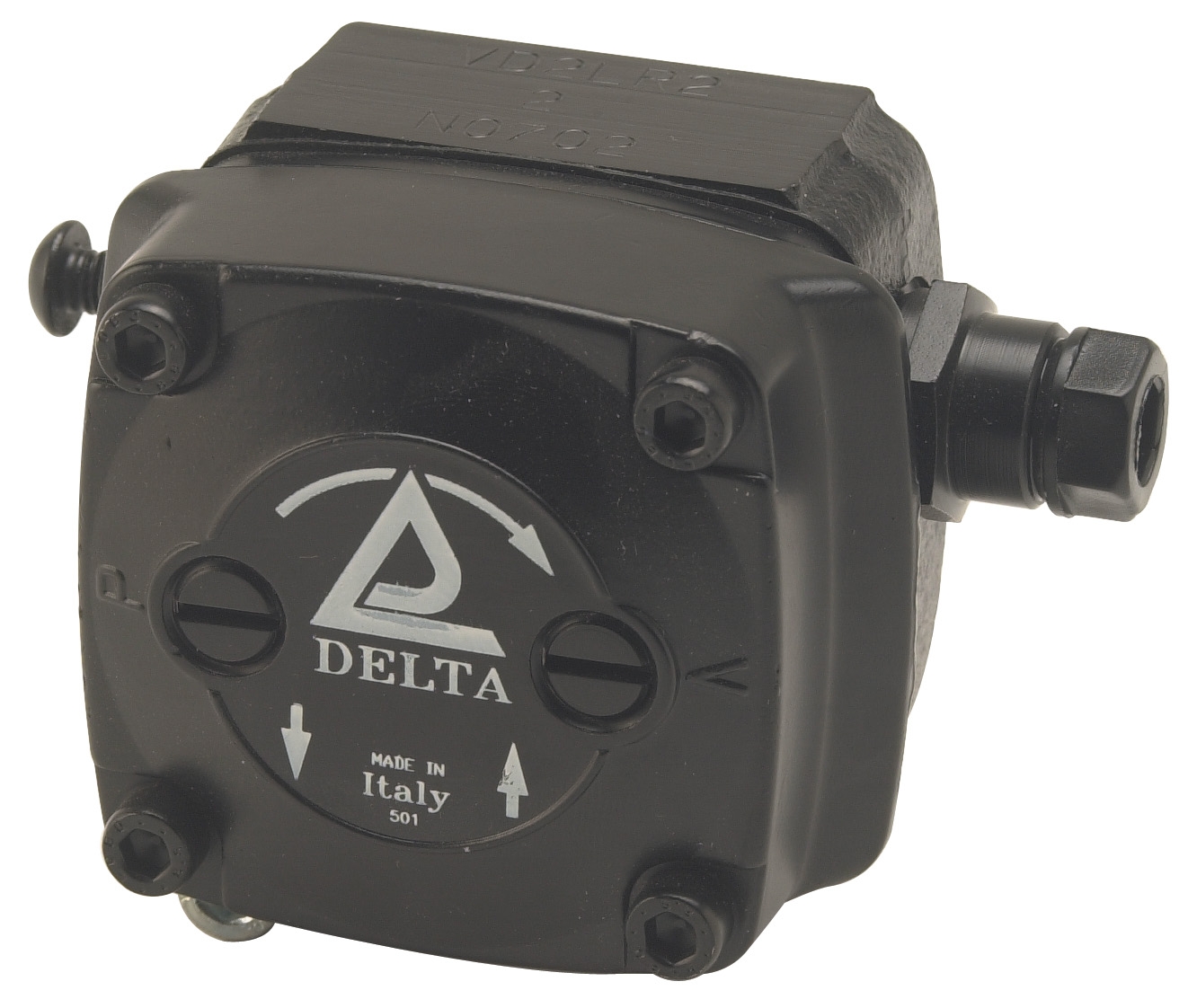
Table of Contentsexpand_more
Oil Supply Systems & Fuel Unit Maintenance: A Technical Guide for Singapore Industrial Operations
Oil supply systems form the backbone of industrial heating, power generation, and burner operations across Singapore's manufacturing and commercial sectors. Whether managing a single fuel burner installation or complex multi-stage combustion systems, understanding the maintenance requirements of oil supply components is critical to operational reliability and regulatory compliance. This guide addresses the technical fundamentals of fuel unit maintenance, pressure regulation diagnostics, and component lifecycle management—providing industrial professionals with actionable strategies to optimize system performance and minimize unplanned downtime. From low-pressure pump specifications to solenoid valve coil integrity, we examine the real-world maintenance challenges that impact industrial operations in Singapore's tropical climate and demanding operational environments.
Core Principles of Oil Supply System Maintenance
Oil supply systems operate under strict pressure and flow rate parameters that must be continuously monitored and verified to ensure safe, efficient combustion. Unlike other industrial fluid systems, fuel units face unique contamination challenges—particulates, water ingress, and oxidation can degrade pump performance and damage sensitive fuel line components. The tropical climate in Singapore accelerates oxidation processes and creates condensation within fuel storage tanks, necessitating more frequent maintenance intervals than systems in temperate regions.
The fundamental maintenance objective is to maintain consistent pressure delivery across variable load conditions while protecting internal pump components from wear and cavitation damage. Modern fuel units employ pressure-regulating mechanisms that automatically adjust outlet pressure based on burner demand—these regulators must be calibrated and verified at regular intervals to prevent system creep, where actual pressure gradually drifts beyond specification.
Key maintenance tasks include: fuel filter element replacement, strainer basket cleaning, pressure relief valve testing, suction line inspection for air leaks, and verification of pump discharge pressure against manufacturer specifications. Each task targets specific failure modes that compromise system reliability. For industrial operations in Singapore, where facility downtime carries high operational and compliance costs, proactive maintenance prevents emergency service calls and extends equipment service life by 30-50 percent.
The selection of fuel unit components directly impacts maintenance complexity and component longevity. Higher-quality pump designs incorporate advanced bearing systems, superior seal materials, and integrated pressure regulation that reduces maintenance touchpoints and improves system stability across load variations.
Technical Specifications & Component Diagnostics
Modern oil supply systems integrate multiple pressure-controlling and monitoring components that work in concert to deliver safe, stable fuel delivery. Understanding the technical specifications of these components is essential for diagnosing performance issues and selecting replacement parts that maintain system compatibility.
The CBM VD2 LR-2.2 low-pressure pump represents a standard fuel unit architecture used across industrial heating systems. This DELTA-series pump features high suction capability suitable for both single and two-pipe fuel systems, with self-priming functionality that eliminates manual bleeding procedures. The pump's compact design complies with EN 225 international standards, allowing direct flange mounting to burner equipment without adapter requirements. Key maintenance parameters include discharge pressure (typically 1.5–3.0 bar depending on burner configuration), suction line vacuum (should not exceed 0.5 bar to prevent cavitation), and fuel temperature stability (optimal range 15–50°C).
High-pressure systems require different component specifications. The Interpump PUMP 5015 R ATEX delivers 500 bar pressure output at 15 L/min flow rate, with integrated ATEX compliance for hazardous area installations. Operational parameters: 1450 RPM rotation regime, 20 HP (14.7 kW) power requirement, pressure relief setting typically maintained at 500–550 bar. This pump design incorporates integrated valve heads that enable direct pressure regulation without external valve assemblies. Maintenance focuses on shaft seal integrity, bearing preload verification, and pressure relief valve calibration—these elements require specialized test equipment and must be performed at manufacturer-authorized service centers.
Solenoid valve coils control fuel flow through burner circuits and must maintain electrical continuity and magnetic force output throughout their service life. The CBM Coil 1930.1814 230V VML operates low-pressure solenoid valves (200 mbar nominal pressure) across 2.5–3 inch orifice sizes. The 24V AC variant serves compact control circuits requiring lower power consumption. Maintenance includes visual insulation inspection, resistance measurement (typical range 800–1200 ohms depending on coil specification), and functional testing under actual system pressure. Coils should be replaced if resistance exceeds manufacturer tolerance or if valve actuation becomes sluggish or fails entirely.
Pressure measurement and system diagnostics rely on calibrated instrumentation. Analog gauges require periodic verification against reference standards, while digital instruments like the CBM Digital vacuum gauge BluVac provide direct numerical readouts suitable for system commissioning and troubleshooting. Pressure measurement accuracy directly impacts regulatory compliance and safety margin verification—gauges should be calibrated annually and replaced if accuracy drifts beyond ±2% of full scale.
Real-World Application: Burner System Integration & Maintenance Scenarios
Industrial heating systems in Singapore frequently combine low-pressure fuel supply pumps with high-power burner units operating across variable load cycles. The FBR X GAS XP 60 CE TC EVO burner (_41) operates at 232–630 kW power output, requiring fuel delivery systems capable of maintaining stable pressure through 5:1 or greater modulation ratios. This modulating operation creates cyclical pressure demand that challenges fuel unit regulators and reveals seal deterioration that constant-pressure systems might mask.
Maintenance scenario: A facility operating this burner system experiences pressure fluctuation of ±15 mbar during modulation—specification calls for ±5 mbar maximum. Investigation reveals fuel filter element partially blocked with particulate contamination, fuel temperature elevated to 58°C (above optimal range), and pressure relief valve opening pressure drifted 0.3 bar above nominal setting. Corrective actions: element replacement, fuel tank cleaning to remove sediment sources, pump discharge line insulation to reduce ambient heat transfer, and relief valve recalibration. Post-maintenance monitoring confirms pressure stability within specification and reduces energy consumption by 3–4% through improved combustion efficiency.
Second scenario: A two-pipe fuel system fails to supply adequate fuel to the pump suction line. Diagnostic testing measures suction line vacuum at 0.8 bar (exceeds 0.5 bar safe limit)—indicating air leak in suction piping. Visual inspection reveals cracked hose fitting at tank connection; replacement of the suction line with new high-quality hose rated for -0.9 bar vacuum eliminates the problem. This example emphasizes that fuel system failures often originate in ancillary components rather than the pump itself.
Selection Criteria & Maintenance Best Practices for Singapore Operations
Industrial professionals selecting oil supply components for Singapore installations should prioritize pump designs offering high suction capability and self-priming functionality—these features prove critical when dealing with above-ground fuel storage tanks and longer suction line runs common in industrial facilities. Pressure regulation accuracy within ±5 mbar directly impacts burner combustion efficiency and emissions compliance; systems with integrated pressure regulators typically outperform external regulation designs.
Maintenance interval optimization depends on fuel quality, ambient temperature, and system duty cycle. Fuel filters should be inspected monthly and replaced every 500–1000 operating hours depending on contamination levels—Singapore's high humidity and coastal salt spray environments accelerate fuel oxidation, requiring shorter intervals than manufacturer baseline recommendations. Pressure relief valves require bench testing annually to verify opening pressure accuracy and seat sealing integrity.
Documentation practices are essential: maintain detailed logs of fuel filter element changes, pressure readings, coil resistance measurements, and any corrective maintenance performed. This creates a predictive maintenance baseline that identifies emerging problems—gradual pressure rise trends, increasing filter blockage frequency, or rising suction line vacuum all indicate component degradation requiring replacement before catastrophic failure occurs.
Professional maintenance & service support from distributors ensures access to genuine components matched to your specific system architecture and provides technical guidance on Singapore-specific environmental considerations.
Closing: Secure Your Oil Supply System Performance
Oil supply system maintenance represents one of the highest-ROI investments industrial facilities can make—well-maintained systems operate at peak efficiency, meet regulatory emissions standards, and avoid costly emergency downtime. The technical requirements are straightforward once understood: verify pressure stability, maintain fuel quality, replace components at appropriate intervals, and document all maintenance activities.
3G Electric has served Singapore industrial operations since 1990, providing genuine fuel unit components, solenoid valve coils, pressure instrumentation, and professional technical guidance for system optimization. Our team understands the specific challenges posed by Singapore's tropical climate and the technical requirements of modern burner systems operating across variable load cycles.
Contact 3G Electric today to schedule a fuel system audit, request genuine replacement components, or discuss customized maintenance strategies for your industrial heating installation. Our authorized service representatives can diagnose system performance issues, recommend component upgrades, and provide comprehensive maintenance support to maximize your operational reliability and regulatory compliance.