Controls & Safety: Risk Mitigation and Compliance Strategy for Southeast Asian Industrial Operations
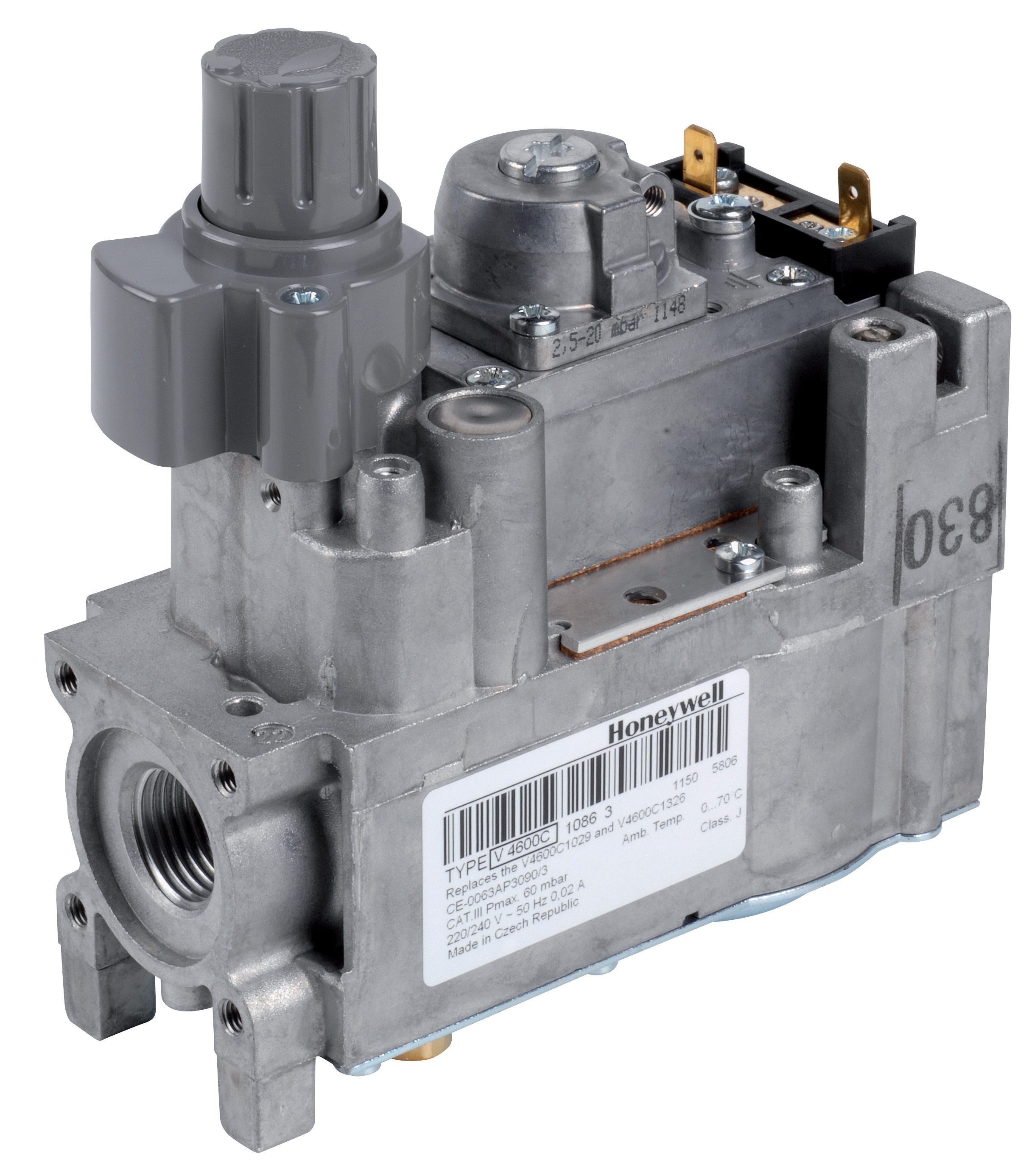
Table of Contentsexpand_more
Understanding Controls & Safety in Southeast Asian Industrial Markets
Controls & Safety component selection in Southeast Asia presents unique challenges that differ significantly from European or North American specifications. As a global industrial equipment distributor with 35+ years of experience, 3G Electric has supported procurement teams across the region in building compliant, reliable burner control systems that meet both international standards and local regulatory requirements.
The Southeast Asian industrial landscape includes multiple regulatory frameworks: Singapore's strict EN-aligned requirements, Malaysia's partial adoption of international standards, Thailand's developing frameworks, and Indonesia's mixed compliance landscape. Procurement engineers must evaluate components not only for technical performance but also for their ability to satisfy these varying approval pathways while maintaining operational consistency across multi-country supply chains.
This article focuses on risk mitigation strategies—helping you select Controls & Safety components that minimize compliance exposure, reduce field failure rates, and provide clear audit trails for regulatory bodies.
Section 1: Multi-Standard Compliance Architecture for Southeast Asia
The Compliance Burden
Unlike homogeneous markets, Southeast Asian industrial operations often require components certified to overlapping but distinct standards. A burner control relay might need EN 746-2 and EN 676 certification for Singapore operations, while the same facility's Malaysian branch may reference different approval bodies. This creates procurement complexity: single-source components that satisfy all requirements simultaneously, or maintained inventory of region-specific variants?
The Kromschroder Relay BCU 570WC1F1U0K1-E exemplifies the multi-standard approach. Its compliance with both EN 746-2 (burner control equipment) and EN 676 (safety controls for oil burners) positions it as a viable choice for Singapore-based operations while maintaining compatibility with regional variants. The BCU 570 supports direct ignition and intermittent/continuous pilot ignition modes, providing flexibility across different burner architectures—critical when standardizing across facilities with legacy and new equipment.
Risk Mitigation Through Component Standardization
Procurement engineers often face pressure to minimize component variety to reduce spare parts inventory and training overhead. However, aggressive standardization without considering regional approval pathways creates hidden risks: a component that works technically but lacks local certification approval can trigger equipment shutdowns during regulatory audits.
Strategy: Adopt a "core-plus-regional" approach. Select two to three foundational relay or safety control platforms (like the Siemens LFL 1.622 or Kromschroder BCU series) that satisfy your primary manufacturing region's requirements, then maintain documented approval pathways for secondary markets. This reduces inventory complexity while maintaining compliance flexibility.
Documentation and Traceability
Southeast Asian regulatory bodies increasingly require equipment traceability documentation, particularly for facilities handling hazardous materials. Components like the Kromschroder Pressure switch DG 50U/6 rated SIL 3 and Performance Level e provide clear certification pathways—FM, UL, AGA, and GOST-TR approvals create audit-friendly documentation trails. When procuring Controls & Safety components, verify that manufacturers provide EN 1854-compliant documentation packages that can be archived digitally and presented to regulators.
Section 2: Pressure Monitoring Strategy and Failure Mode Analysis
Pressure Switch Selection as Risk Reduction
Pressure monitoring failures represent a significant source of unplanned downtime in Southeast Asian industrial facilities. Unlike temperature or level monitoring, pressure switch failures often occur without warning—a stuck contact in a pressure switch can mask downstream system failures until catastrophic loss of function occurs.
The Kromschroder DG 50U/6 pressure switch addresses this through SIL 3 certification, a formal safety integrity level that indicates the component has undergone rigorous failure analysis. For procurement engineers, SIL 3 means the manufacturer has documented and tested failure modes, providing predictable performance across a defined operational envelope. This is particularly valuable in Southeast Asia, where harsh environmental conditions (humidity, salt spray in coastal regions, temperature fluctuations) accelerate component degradation.
Specifying Pressure Switch Performance Bands
When comparing pressure switches for Controls & Safety applications, avoid over-specifying unnecessary features. A pressure switch rated for 0–6 bar with 0.1 bar resolution is adequate for most burner safety applications; selecting a 0–16 bar switch with finer resolution increases cost and, more critically, sensitivity to environmental noise and nuisance trips.
For Southeast Asian procurement, specify pressure switches with:
- Clear pressure range matching your application (±10% margin above peak operating pressure)
- Demonstrated performance in high-humidity environments (IP54 minimum for outdoor installations)
- Certification relevant to your region's primary market (Singapore = EN 1854; Malaysia/Thailand = local equivalent or EN fallback)
The DG 50U/6 fits this profile, offering FM and UL certification for facilities that may export to North America, while maintaining EN standards for local operation.
Preventive Replacement and Lifecycle Management
Unlike relays that fail catastrophically, pressure switches often experience gradual performance degradation—setpoint drift, contact wear, hysteresis increase. In Southeast Asian climates, this progression accelerates. Implement a preventive replacement strategy: document pressure switch installation dates, establish replacement intervals (typically 3–5 years depending on environment), and budget for periodic field validation using calibrated test equipment.
This approach, supported by component documentation from certified manufacturers, creates regulatory defensibility. When a facility experiences an incident, auditors review maintenance records expecting to see planned pressure switch replacement—its absence suggests insufficient risk management.
Section 3: Flame Detection and Control Module Integration
Flame Detection Reliability in Diverse Environmental Conditions
Flame monitoring is the critical safety function in any burner control system. In Southeast Asia's diverse industrial environments—from air-conditioned food processing facilities to semi-outdoor chemical plants—flame detection reliability varies significantly based on installation conditions, fuel type, and environmental interference.
The Pactrol Housing P 16 DI CE offers a flame control module with 230V supply, 12 kV output voltage, and 10MJ output energy for ignition and flame detection. This specification addresses a practical problem: facilities with unreliable power supplies or long cable runs between burner and control room benefit from higher output energy (10MJ) to maintain detection sensitivity despite electrical noise and cable impedance losses.
Matching Flame Detection Technology to Fuel Type
Southeast Asian industrial facilities often operate multiple fuel types—natural gas, LPG, and oil—sometimes within the same facility or switchable on individual burners. Flame detection choice depends on fuel:
- Gas burners: Ionization detection (traditional, cost-effective) or UV detection (faster response, false-trip resistant)
- Oil burners: Primary combustion infrared sensing with UV backup for enhanced reliability
- Dual-fuel burners: Require flame detection technology compatible with both fuel types; this often means dual-sensor systems (ionization + UV or UV + IR)
The Siemens LFL 1.622 safety control unit supports both UV and ionization flame monitoring with controlled air damper capability, making it suitable for dual-fuel or switching applications. For procurement engineers managing multi-fuel facilities, this flexibility justifies the component cost by reducing the need to maintain separate relay inventories for different burner types.
Control Module Output Capacity and System Integration
When comparing flame detection modules, evaluate output energy requirements in the context of your specific system architecture. The Pactrol P 16 DI's 10MJ output energy specification is relevant if your system includes:
- Long cable runs (>100 meters) to solenoid valves
- Heavily capacitive loads (multiple pilot lights, ignition transformers)
- Electrical noise in the facility (e.g., proximity to motor drives, frequency converters)
For straightforward installations with short, shielded control wiring, a lower-energy module may suffice and offer cost savings. The procurement decision depends on site survey data; insufficient output energy manifests as intermittent detection failures during operation, causing nuisance shutdowns and warranty disputes.
Section 4: Gas Control Integration and Modulating Pressure Regulation
Beyond On-Off Control: Modulating Systems
Traditional Controls & Safety systems operate in on-off mode: fuel supply is either fully open or fully closed. However, Southeast Asian industrial facilities increasingly adopt modulating burner systems—burners whose fuel supply adjusts in real-time to match load demand. This improves energy efficiency and reduces mechanical stress on equipment, but requires more sophisticated Controls & Safety components.
The Honeywell Gas block VK 4105 C 1041 U represents this category: an electric modulating pressure regulator with M8 x 1 pilot connection and M5 pressure feedback threading, operating across -5 to 140°F. Unlike a fixed pressure regulator, the VK 4105 adjusts outlet pressure based on demand signals, maintaining consistent burner performance across varying inlet pressures and flow rates.
Pressure Feedback Mechanisms and Control Loop Stability
Modulating control systems depend on reliable pressure feedback to function. The VK 4105's M5 pressure feedback connection allows connection of a transducer or control switch that monitors actual outlet pressure, enabling the control unit to adjust modulation in real-time. Procurement engineers must understand this dependency:
If the pressure feedback line becomes plugged (common in facilities with dirty fuel supply), the control loop loses responsiveness, and the burner either operates at maximum pressure (excessively rich fuel mixture) or cycles repeatedly as the control unit hunts for setpoint. Specifying low-cost modulating systems without robust pressure feedback architecture creates field reliability problems that damage customer satisfaction.
The VK 4105's design—separating pilot pressure (M8 x 1) from feedback pressure (M5)—allows independent maintenance and diagnostics. Procurement engineers should specify pressure regulators that provide this separation, enabling field technicians to isolate and resolve feedback issues without removing the primary valve.
Environmental Rating and Southeast Asian Deployment
The VK 4105's operating range (-5 to 140°F, roughly -21 to 60°C) is adequate for most Southeast Asian installations, though facilities in highland regions of Thailand, Malaysia, or Indonesia may occasionally experience lower temperatures. More critical is humidity resilience: coastal industrial areas (Singapore, coastal Thailand, Philippines) subject equipment to salt spray and high humidity. Specify gas blocks with:
- Sealed solenoid coils (rated IP55 minimum)
- Stainless steel trim for pilot connections
- Documented testing in high-humidity environments
Practical Procurement Framework
Multi-Supplier Strategy
3G Electric's 35+ years supporting industrial equipment procurement across Asia Pacific demonstrates the value of multi-supplier relationships for Controls & Safety components. While standardization is important, selecting a single supplier for critical safety functions creates supply chain vulnerability—particularly in Southeast Asia, where geopolitical factors, shipping delays, and localized regulatory changes can disrupt procurement.
Maintain qualified suppliers for at least two component families in each critical category:
- Relays: Kromschroder BCU series and Siemens LFL series
- Pressure switches: Kromschroder DG series and alternative approved suppliers
- Flame detection: Pactrol and manufacturer-equivalent options
- Gas blocks: Honeywell VK series and equivalent modulating regulators
This approach provides supply chain resilience while maintaining competitive pricing through informed selection rather than single-source dependency.
Documentation and Audit Readiness
Southeast Asian regulatory trends increasingly emphasize documented risk management. When procuring Controls & Safety components, require manufacturers provide:
- Certification documentation in English (critical for regional facilities with shared compliance oversight)
- SIL/PL ratings for safety-critical components
- Environmental testing data relevant to your operational region (humidity, temperature, vibration)
- Maintenance and replacement interval recommendations
- Failure mode and effects analysis (FMEA) for complex components like modulating gas blocks
This documentation becomes your audit defense: when regulators review your facility, the presence of documented component selection rationale, backed by manufacturer certifications and risk analysis, demonstrates systematic rather than ad-hoc decision-making.
Lifecycle Cost Optimization
Lowest purchase price for Controls & Safety components often conflicts with lowest lifecycle cost. A pressure switch 15% cheaper but lacking SIL certification may cost 10x more in total cost of ownership when field failures cause production losses and regulatory fines. Procurement decision frameworks should weight:
- Component cost (30%)
- Certification alignment with your regional requirements (25%)
- Supplier support and spare parts availability in Southeast Asia (20%)
- Environmental resilience for your specific operating conditions (15%)
- Failure mode documentation and preventive maintenance guidance (10%)
This weighting encourages selection of robust, well-supported Components & Safety systems rather than lowest-cost options that create downstream operational and compliance risks.
![Satronic Burner Controls SG | Buyer's Guide [2026]](https://oxalncjenpflyqfncuhe.supabase.co/storage/v1/object/public/product-assets/cbm/57d089e0-d3cf-4168-9f73-fb6bf7a7163b.jpg)