Complete Maintenance & Service Guide for Industrial Gas Valves and Solenoid Valve Systems in Singapore
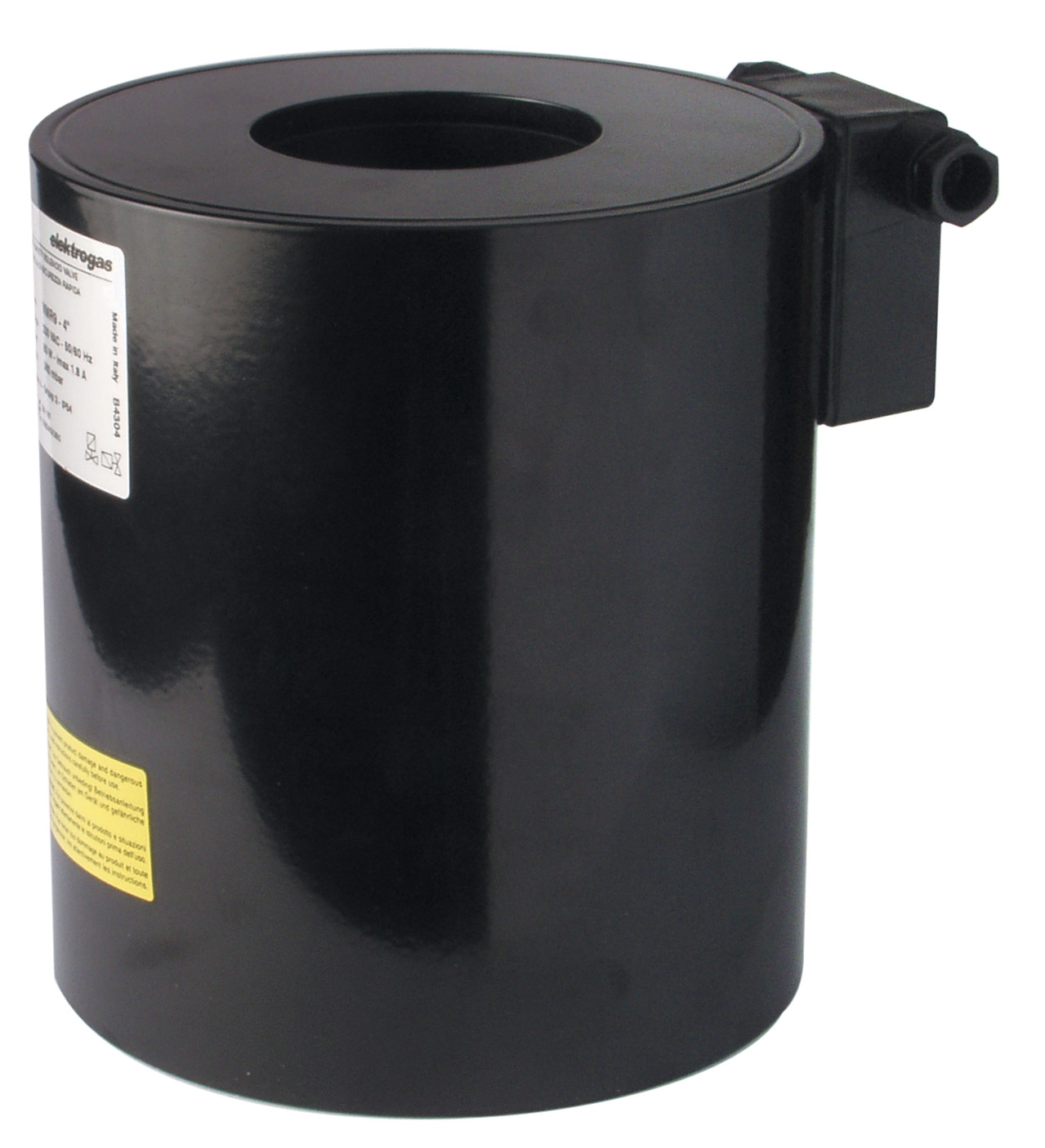
Table of Contentsexpand_more
Complete Maintenance & Service Guide for Industrial Gas Valves and Solenoid Valve Systems in Singapore
Industrial gas valve systems and solenoid control mechanisms are critical components in Singapore's manufacturing, energy, and process control sectors. Proper maintenance and service of these systems directly impacts operational efficiency, safety compliance, and equipment longevity. This comprehensive guide provides industrial professionals with the technical knowledge needed to maintain, troubleshoot, and service gas valve assemblies effectively. Whether you're managing a burner control system, fuel supply unit, or multi-stage pressure regulation system, understanding the maintenance requirements and service protocols ensures optimal performance and minimizes unplanned downtime.
Understanding Gas Valve Systems and Solenoid Control Architecture
Modern industrial gas valve systems operate through an integrated architecture combining mechanical valve bodies with electromagnetic solenoid coils for precise flow control and safety management. The solenoid coil—essentially an electrically controlled electromagnetic switch—enables remote operation and automation of fuel and gas distribution without manual intervention. When voltage is applied to the solenoid coil, it creates a magnetic field that activates the valve plunger, either opening or closing the fuel pathway depending on the valve type and system configuration.
In Singapore's industrial environment, these systems manage pressurized fuel supply in burner applications, oil heating systems, and process gas delivery. The pressure regulation component works in tandem with the solenoid mechanism to maintain consistent delivery pressure regardless of upstream pressure fluctuations. A typical system incorporates pressure relief valves, low-pressure pumps with integrated regulation, and control coils that respond to electrical commands from the burner management system or industrial controller.
The reliability of this architecture depends on three critical elements: (1) proper electrical supply to the solenoid coil at rated voltage—commonly 24V AC or 230V AC in industrial applications, (2) mechanical integrity of the valve body and internal sealing components, and (3) accurate pressure regulation maintained within specified parameters. Maintenance protocols must address each element systematically. Pressure measurement is fundamental to this diagnosis process; solenoid valve assemblies typically operate across pressure ranges from 200 mbar in low-pressure applications to 500 bar in high-pressure systems, requiring appropriate pressure monitoring instrumentation.
Essential Service Components and Technical Specifications
Effective maintenance of gas valve systems requires understanding the specific components and their performance characteristics. The solenoid coil is perhaps the most frequently serviced component. The CBM Coil 1930.1814 230V VML 2"1/2-3" 200mbar exemplifies standard industrial solenoid specifications for medium-pressure applications, operating at 230V AC suitable for direct connection to facility power supplies without step-down transformers. For lower-voltage automation systems, the CBM Coil 24V AC for ELV7....2/4/6/8 provides 24V AC operation, commonly used in control systems with integrated safety logic.
Pressure measurement accuracy is equally critical. The CBM Stainless Steel Axial Manometer D63 0/+400Mbar G1/4 provides precise pressure monitoring across the 0-400 mbar range with ±1.6% accuracy—essential for verifying that fuel supply pressure remains within acceptable parameters. For vacuum measurement applications in emission testing or system diagnostics, the CBM Digital Vacuum Gauge BluVac offers digital precision for identifying leaks or blockages in fuel lines.
The low-pressure fuel pump represents the heart of the supply system. The CBM VD2 LR-2.2 Low Pressure Pump is specifically engineered as an oil burner fuel unit with integrated pressure regulation—a critical feature for systems handling viscous fuel oils. This pump design includes high suction capability, self-priming functionality, and compatibility with both single and dual-pipe fuel supply configurations per EN 225 international standards. For high-pressure applications, the Interpump PUMP 5015 R ATEX delivers 15 L/min at 500 bar (50 MPa / 7250 psi) with 14.7 kW power output, suitable for intensive industrial burner systems requiring significant fuel delivery volume.
Real-World Application: Industrial Burner System Maintenance Procedures
Consider a practical maintenance scenario for an industrial gas burner operating in a Singapore facility. The FBR X GAS XP 60 CE TC EVO burner (_41) with 250mm nozzle and 232-630 kW output range represents a mid-scale industrial installation. This burner relies on coordinated operation of the fuel supply pump, solenoid control valves, and pressure regulation system.
Routine maintenance begins with pressure verification. Using the digital manometer, technicians confirm that fuel pressure at the burner inlet matches the nameplate specification—typically 2.0-2.5 bar for oil-fired burners. If measured pressure deviates by more than ±0.2 bar, the technician investigates the pump's pressure relief valve or the solenoid coil control logic. A solenoid coil reading zero ohms resistance indicates potential winding failure requiring coil replacement; this is where having spare solenoid coils (24V or 230V variants) on-site prevents extended downtime.
During cold starts, the fuel pump must self-prime and establish flow within 30 seconds. Delayed priming suggests air trapped in fuel lines or insufficient fuel tank head pressure. The technician checks the fuel filter condition, as excessive restriction creates backpressure that prevents proper priming. Annual fuel filter replacement is standard preventive maintenance regardless of operating hours—contaminated fuel is the primary cause of premature solenoid valve blockage in Singapore's humid, salt-air industrial environment.
Selection Criteria and Maintenance Best Practices for Singapore Operations
When specifying replacement components or planning maintenance schedules, several critical factors apply to Singapore's tropical industrial environment: (1) Pressure range matching—select solenoid coils and valves rated for 20% above maximum anticipated system pressure to ensure safety margin and longevity; (2) Voltage compatibility—confirm your facility's electrical supply standard (230V three-phase is common in Singapore) before ordering control coils; (3) Material selection—specify stainless steel manifolds and fittings rather than brass for coastal or corrosive environments; (4) Service access design—ensure solenoid coils are accessible for annual inspection without full system disassembly.
Maintenance intervals should follow manufacturer recommendations with adjustments for operating conditions. Standard schedules: weekly visual inspection for fuel leaks, monthly pressure verification and filter assessment, quarterly solenoid coil electrical testing, and annual fuel system flushing plus filter/gasket replacement. In high-dust industrial areas, reduce intervals by 25%. Keep detailed maintenance logs documenting pressure readings, coil resistance measurements, and component replacement dates—this historical data enables predictive maintenance that prevents emergency shutdowns.
For industrial operations in Singapore, maintaining local inventory of critical solenoid coils and low-pressure pumps is economically justified given supply chain dependencies. The combination of the CBM VD2 LR-2.2 pump with appropriate solenoid coil variants (230V for direct control, 24V for modulating systems) covers 90% of oil-fired burner applications operating in the region.
Conclusion and Next Steps for Your Facility
Effective maintenance of industrial gas valves and solenoid systems directly impacts safety, efficiency, and operational reliability. The technical specifications and service protocols outlined in this guide provide the framework for systematic, data-driven maintenance programs. Whether you're managing existing systems or planning facility upgrades, understanding component performance characteristics, pressure ranges, and electrical requirements enables informed decisions and efficient operations.
3G Electric has served Singapore's industrial sector since 1990 as an experienced equipment distributor, supplying the precise components and technical expertise required for reliable system operation. Our technical team can assist with component selection, pressure system design consultation, and emergency replacement provision. Contact us to discuss your specific maintenance requirements, system specifications, or to arrange on-site technical assessment of your fuel supply and control valve systems.