Complete Guide to Gas Valves & Regulation Systems in Singapore: Technical Standards & Applications
Gas valve and regulation systems form the critical backbone of industrial combustion applications across Singapore's manufacturing, hospitality, and energy sectors. Whether you're operating high-capacity industrial burners, precision gas control systems, or safety-critical gas distribution networks, understanding valve functionality, pressure regulation, and selection criteria is essential for operational efficiency and regulatory compliance. This guide addresses the technical fundamentals and practical considerations that industrial professionals need to make informed decisions about gas valve selection and implementation.
Understanding Gas Valve Fundamentals and Regulation Principles
Gas valves serve multiple critical functions within industrial systems: isolation, flow control, pressure regulation, and safety. At their core, regulation systems maintain precise pressure levels across varying operating conditions—a requirement that becomes increasingly complex in applications ranging from 232 kW to 630 kW burner systems. Pressure regulation operates on two fundamental principles: direct-acting and pilot-operated mechanisms.
Direct-acting regulators respond immediately to downstream pressure changes through a spring-loaded diaphragm mechanism, making them ideal for low-flow, low-pressure applications. Pilot-operated regulators employ a secondary pressure-sensing circuit to control a larger main valve, enabling superior flow capacity and pressure stability in demanding applications. For Singapore's industrial environment—where ambient temperatures, supply pressure fluctuations, and load variations create complex operational challenges—understanding these mechanisms informs equipment selection.
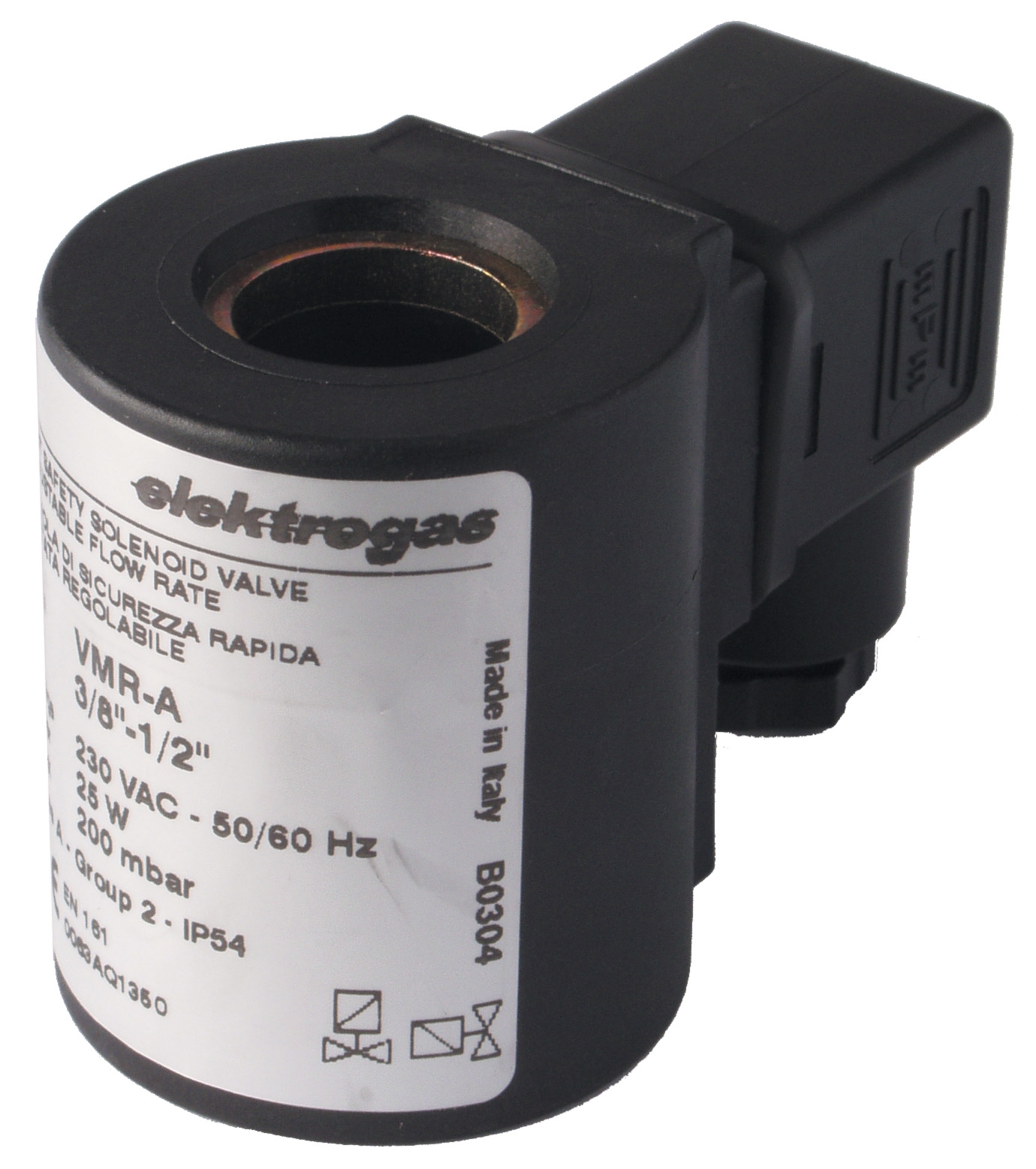
Solenoid valves represent the electromechanical interface in modern gas control systems, converting electrical signals into precise valve actuation. These devices operate across voltage requirements ranging from 12V AC/DC through 24V AC to 230V AC, with electromagnetic coils drawing varying power levels (typically 8-22W depending on valve size and type). The pressure differential across the valve, measured in millibar (mbar) or bar, directly influences response time and operational reliability. Standard European industrial applications typically operate within pressure ranges of 200 mbar for low-pressure systems through 6 bar for higher-capacity equipment.
Technical Specifications and Product Solutions for Gas Regulation
Modern industrial gas regulation requires precise component matching to application parameters. Consider a typical scenario: a high-capacity industrial burner operating at 630 kW maximum output requires robust solenoid valve coils rated for consistent performance under sustained duty cycles. The CBM Coil 1930.1814 (230V VML 2½–3″ 200mbar) [PRODUCT_IMAGE:ELK26121] represents an entry-level solution for lower-pressure applications, with its 200 mbar rating suitable for atmospheric gas burner applications. The 2½–3″ connection size accommodates moderate flow rates while maintaining compact installation footprints typical of Singapore's space-constrained industrial facilities.
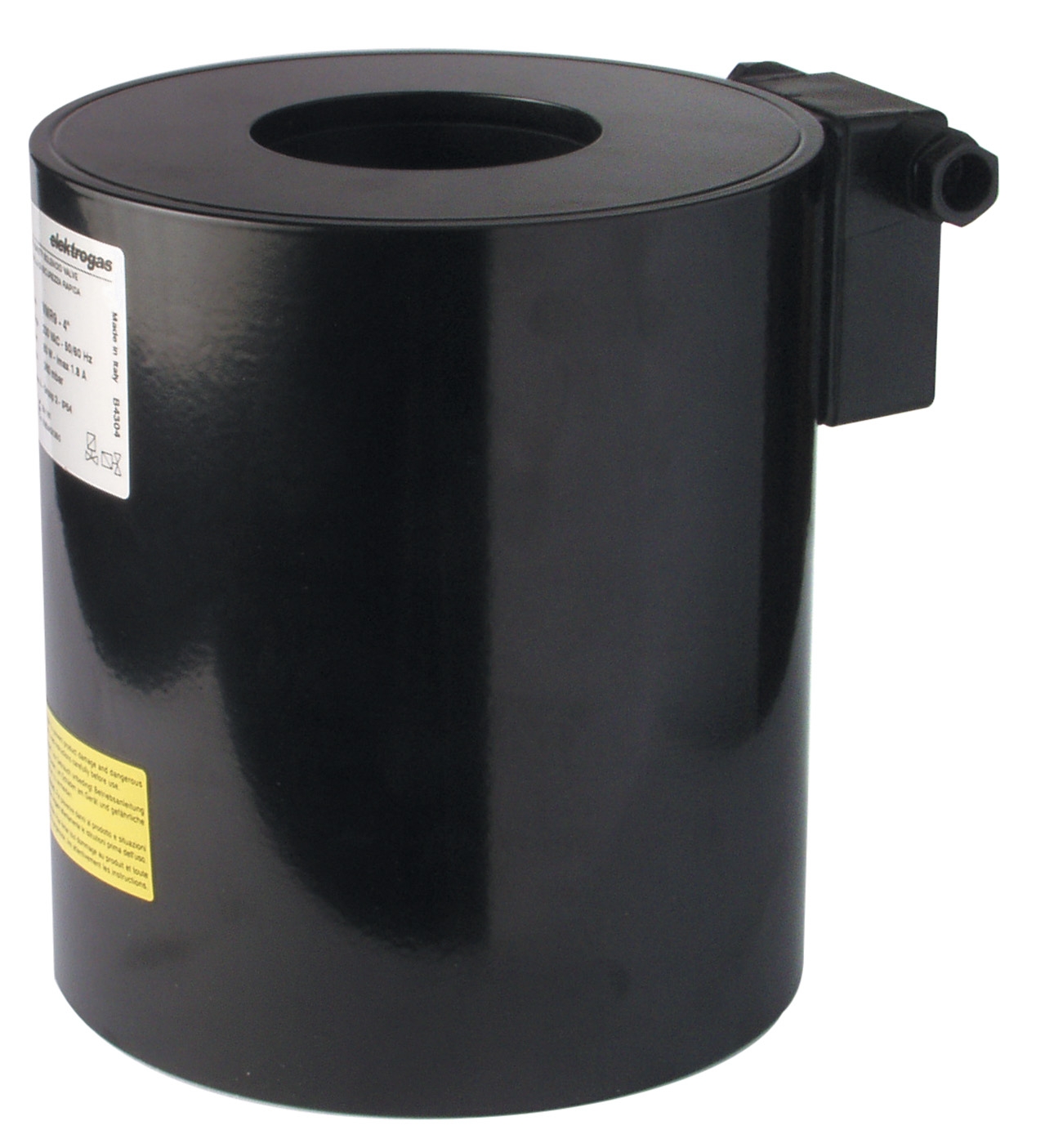
For applications demanding higher pressure stability and broader operational ranges, the CBM Coil 1930.3100 (230V EVRMNCOT 3/8″–1″ 600mbar–6bar) [PRODUCT_IMAGE:ELK26302] provides superior versatility. This 8W coil operates across a 600 mbar to 6 bar pressure envelope, accommodating both low-pressure pilot applications and intermediate-pressure main valve control. The EVRMNCOT designation indicates advanced solenoid architecture optimized for European EN standards compliance, a critical requirement for equipment imported into Singapore's regulated industrial environment.
When 230V AC supply proves incompatible with facility electrical infrastructure, the CBM Coil 1930.3700 (12V AC/DC EVRMNCOT 3/8″–1″ 600mbar–6bar) [PRODUCT_IMAGE:ELK26326] delivers equivalent functionality at low-voltage direct current supply. Operating at 12V AC/DC with 22W power consumption, this coil accommodates automation systems, PLC-integrated control architectures, and safety interlocks requiring isolated power circuits. The AC/DC dual-voltage capability provides exceptional flexibility across facility retrofit scenarios.
For integrated burner systems, solenoid valve coils must coordinate seamlessly with burner ignition and flame-monitoring circuitry. The CBM Coil 24V AC for ELV7 Series [PRODUCT_IMAGE:ELV93006] represents the standardized voltage interface for distributed gas burner arrays, enabling common power supply architecture across multiple burner stations. This standardization dramatically simplifies facility wiring, maintenance protocols, and spare parts inventory management.
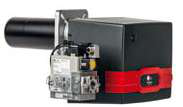
High-capacity industrial burners, such as the FBR X GAS XP 60 CE TC EVO (250mm nozzle, 232–630 kW) [PRODUCT_IMAGE:002345_41], integrate sophisticated gas control sequences combining multiple solenoid valves, pressure transducers, and safety cutoff devices. These burners operate on three-phase electrical supply, typical of Singapore's industrial power distribution, requiring synchronized ignition timing and real-time pressure monitoring to maintain combustion efficiency across the 232 kW minimum turndown through 630 kW maximum output envelope.
Real-World Applications Across Singapore Industrial Sectors
Singapore's diverse industrial base creates varied gas regulation requirements. In the food and beverage sector, commercial kitchen equipment and industrial ovens typically operate at 200–600 mbar pressures, utilizing direct-acting regulators with solenoid valve integration for temperature control and safety interlock compliance. These applications demand rapid response times and fail-safe closure mechanisms to prevent uncontrolled gas discharge.
Pharmaceutical and petrochemical facilities operating precision heating systems require higher pressure capacities (3–6 bar) with pilot-operated regulators ensuring ±5% pressure stability across fluctuating demand. The CBM EVRMNCOT solenoid coils address these stringent requirements through dual-stage pressure control architectures.
Industrial boiler systems and district heating applications increasingly require integrated gas train assemblies combining primary isolation, pressure regulation, flow metering, and flame monitoring within modular skid systems. These applications benefit from coordinated valve sizing—ensuring primary solenoid valve (controlling main gas supply) operates with 0.3–0.5 second closure time, while pilot solenoid valves (controlling safety shutoff and ventilation) respond within 0.1 seconds.
Data center and backup power facilities in Singapore's rapidly expanding tech sector increasingly employ precision gas control for emergency fuel systems. These mission-critical applications demand redundant solenoid valve circuits, real-time pressure transducers, and automated diagnostics—architectural requirements that inform specification of dual-voltage coils and multi-stage pressure regulation components.
Selection Criteria and Best Practices for Gas Valve Specification
Pressure Rating Analysis: Match valve pressure ratings to actual system operating points with minimum 1.3x safety margin. A system operating at 4 bar should specify components rated 5–6 bar minimum. European standard EN 12953 mandates this safety factor for boiler applications.
Flow Capacity Matching: Solenoid valve CV (flow coefficient) ratings must accommodate peak demand flow rates. Undersized valves create excessive pressure drop, reducing system responsiveness. Oversized valves waste energy and reduce control precision. For industrial burners, valve sizing typically allocates 30% excess capacity above calculated requirements.
Electrical Supply Integration: Verify facility power availability before specifying 230V or 12V AC/DC coils. Three-phase 380V installations benefit from 24V AC distributed valve control, simplifying installation and improving safety margins. Single-phase 230V facilities accommodate direct 230V solenoid connection.
Response Time Requirements: Safety shutoff valves require <0.5 second closure times. Pilot control valves typically operate at 0.3–1.0 second intervals. Verify these specifications against burner flame monitoring response times to prevent nuisance shutdowns or safety delays.
Environmental Considerations: Singapore's tropical climate demands corrosion-resistant materials. Stainless steel valve bodies outperform standard brass in humid coastal environments. Plastic solenoid valve housings (like CBM ELV series) provide chemical resistance for acid-gas applications while reducing maintenance costs.
Conclusion and Next Steps
Selecting appropriate gas valves and regulation systems requires balancing pressure specifications, flow capacity, electrical architecture, and application-specific safety requirements. Whether implementing new industrial burner systems, upgrading existing gas distribution networks, or troubleshooting pressure instability in operational facilities, the technical principles and product solutions outlined above provide a foundation for informed decision-making.
Singapore's industrial regulations require compliance with European standards (EN 161 for gas appliances, EN 12953 for boiler systems) and Singapore Standards (SS 638 for gas piping). Equipment selection should explicitly reference these standards during procurement.
3G Electric has served Singapore's industrial equipment needs since 1990, maintaining extensive inventory of gas valves, solenoid coils, and burner components from established European manufacturers. Our technical team can assist with specification review, system integration planning, and performance optimization. Contact 3G Electric today to discuss your gas regulation requirements or request detailed technical documentation for specific applications. Whether you're specifying components for new installations or diagnosing performance issues in existing systems, our engineers bring three decades of Singapore industrial experience to your project.