Solenoid Valves & Electromagnetic Regulation: Engineering Specifications & Industrial Selection Guide for Singapore Operations
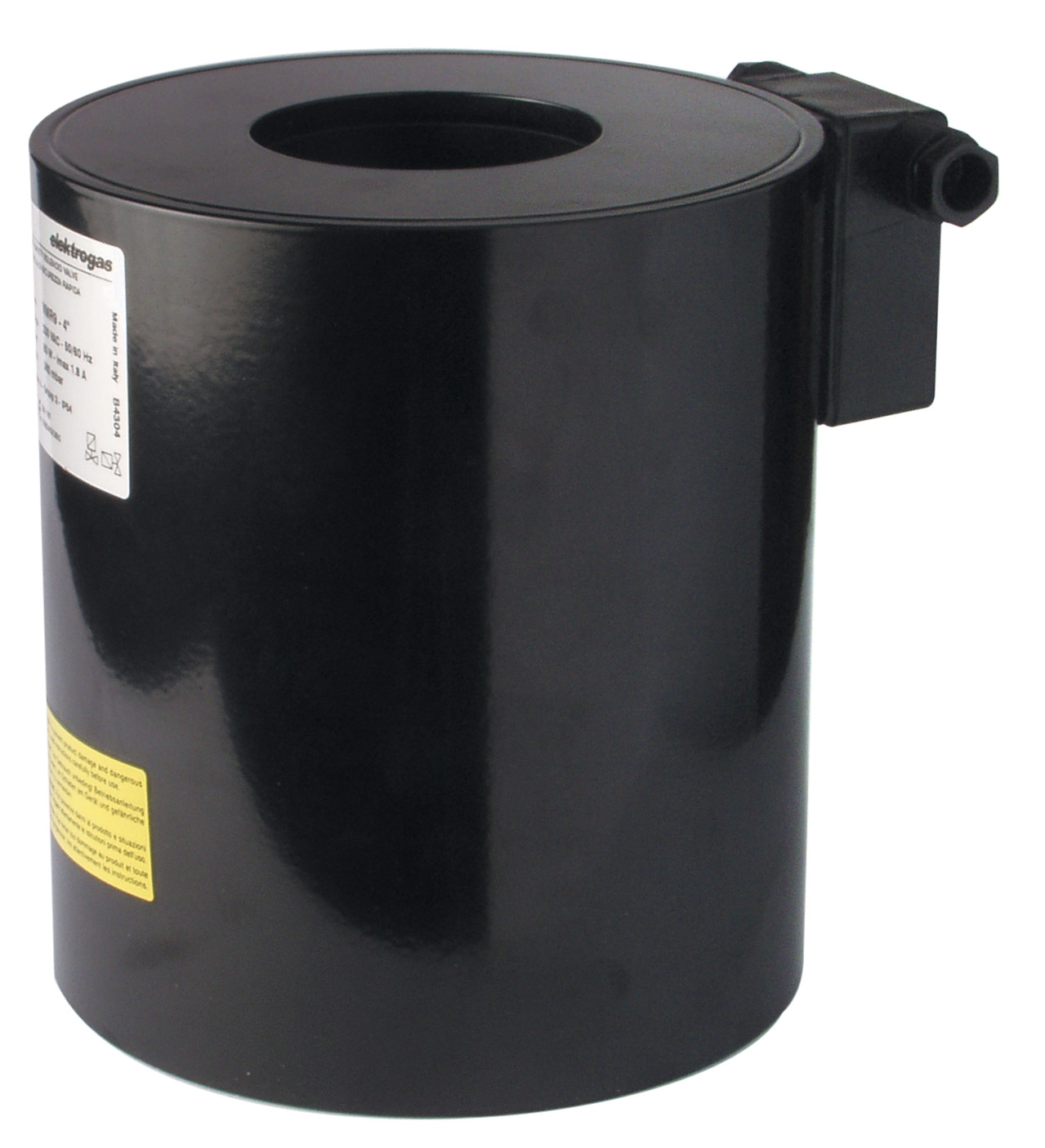
Table of Contentsexpand_more
Solenoid Valves & Electromagnetic Regulation: Engineering Specifications & Industrial Selection Guide for Singapore Operations
Solenoid valves represent the cornerstone of modern industrial gas regulation systems, converting electrical signals into precise mechanical valve actuation. For industrial professionals operating combustion equipment, burner systems, and gas distribution networks across Singapore, understanding the electromagnetic principles, technical specifications, and selection criteria for solenoid valves is essential for ensuring safe, efficient, and reliable operations. This guide examines the engineering fundamentals behind electromagnetic valve regulation, explores critical technical specifications including voltage requirements and pressure ratings, and provides practical selection frameworks for evaluating solenoid valve solutions against specific industrial application demands.
Understanding Electromagnetic Valve Actuation & Control Principles
Solenoid valves operate through electromagnetic force conversion, where an electrical current flowing through a wire coil generates a magnetic field. This magnetic field exerts force on a ferromagnetic plunger or armature, causing mechanical movement that opens or closes valve ports. The fundamental advantage of this design is instantaneous control: electrical signals translate directly into precise valve positioning without mechanical intermediaries or manual intervention.
In industrial gas regulation applications, solenoid valves function as the electromechanical interface between digital control systems and physical gas flow. Modern combustion systems, particularly those complying with European safety standards like EN161, rely on solenoid valve reliability for flame supervision, fuel supply modulation, and emergency shutoff operations. The electromagnetic principle enables rapid response times—typically 50-200 milliseconds—critical for safety-critical applications where immediate fuel isolation is required during abnormal operating conditions.
The effectiveness of solenoid actuation depends fundamentally on pressure differential across the valve. Direct-acting solenoid valves operate successfully across wider pressure ranges but consume more electrical power, while indirect-acting (pilot-operated) designs reduce power consumption by leveraging system pressure to assist valve closure. This distinction becomes significant in Singapore's industrial context, where energy efficiency and operational cost management directly impact manufacturing competitiveness.
Electromagnetic coil design specifications—including wire gauge, winding density, and material composition—determine the magnetic force generated and the electrical power consumed. Industrial-grade solenoid valves employ robust coil construction to withstand thermal cycling, electromagnetic stress, and environmental contamination common in factory environments. The distinction between AC and DC coil designs influences both control circuit compatibility and electromagnetic response characteristics, requiring careful alignment between valve specification and facility control infrastructure.
Technical Specifications: Voltage Standards, Pressure Ratings & Coil Performance Data
Solenoid valve coils for industrial applications are manufactured to accommodate standard electrical supply voltages prevalent in Singapore industrial facilities. The CBM Coil 1930.3100 exemplifies specification diversity: rated at 230V AC operation with 8W power consumption, this coil interfaces with EVRMNCOT series valves handling pressure ranges from 600 mbar to 6 bar across DN 3/8"-1" port sizes. This specification range covers the lower-pressure gas regulation applications typical in heating systems and low-pressure burner control circuits.
For 12V applications common in control automation and renewable energy installations, the CBM Coil 1930.3700 provides AC/DC dual-voltage compatibility with 22W power consumption, maintaining identical pressure capability (600 mbar-6 bar) across equivalent valve body sizes. This flexibility accommodates diverse facility electrical infrastructure, from legacy 12V DC control circuits to modern mixed-voltage automation systems.
Lower-voltage 24V AC coil solutions, such as the CBM Coil 24V AC designed for ELV series valves, address applications requiring minimal electrical supply infrastructure while maintaining reliable electromagnetic actuation. The 24V standard represents the international baseline for industrial control circuits, particularly in facilities with distributed control networks or hazardous area classifications requiring low-voltage safety measures.
Higher-capacity applications demand enhanced coil specifications. The CBM Coil 1930.1814 operates at 230V and controls VML series valves across 2½"-3" port sizes at 200 mbar pressure rating, delivering sufficient electromagnetic force for industrial-scale gas distribution networks. Pressure rating selection directly correlates with application requirements: 200 mbar coils suit low-pressure burner systems, while 600 mbar-6 bar rated coils accommodate medium and high-pressure industrial gas regulation.
Technical data comparison reveals that solenoid valve performance depends on coordinated specification across multiple parameters: supply voltage must match facility electrical capacity, coil power consumption influences control circuit design, pressure rating must exceed maximum system pressure (typically with 20% safety margin), and port size must accommodate required flow rates. Singapore's dense industrial estates often feature shared utility infrastructure where pressure fluctuations necessitate conservative specification choices.
Real-World Application Examples: Burner Systems & Industrial Gas Control
Industrial burner systems represent the predominant application for solenoid valve regulation across Singapore manufacturing sectors. The FBR X GAS XP 60 CE TC EVO (_41) burner exemplifies modern combustion architecture: this unit delivers 232-630 kW output (minimum to maximum capacity), incorporating integrated solenoid valve control for fuel modulation and safety interlocking. The 230V coil specification aligns with Singapore's standard industrial electrical supply, enabling straightforward facility integration.
Practical burner operation demonstrates solenoid valve functionality: during startup sequence, the control system energizes the solenoid coil, which opens the main fuel supply valve. Simultaneously, ignition systems activate. Once flame detection confirms combustion, the solenoid valve position modulates to maintain design fuel pressure based on burner load signals. This continuous modulation allows burners to maintain efficient combustion across varying production demands—critical in food processing, textile manufacturing, and chemical production facilities throughout Singapore's industrial landscape.
Emergency shutdown scenarios illustrate solenoid valve reliability requirements. Upon detection of flame loss, system pressure drop, or control circuit failure, solenoid coils de-energize, allowing spring-loaded closure of fuel supply valves. This safety-critical function must operate reliably under stress conditions: thermal expansion from high-temperature combustion environments, electromagnetic aging of coil insulation, and mechanical fatigue from repeated thermal cycling. Industrial-grade CBM coils address these challenges through robust construction and materials selected for prolonged operational life in harsh thermal environments.
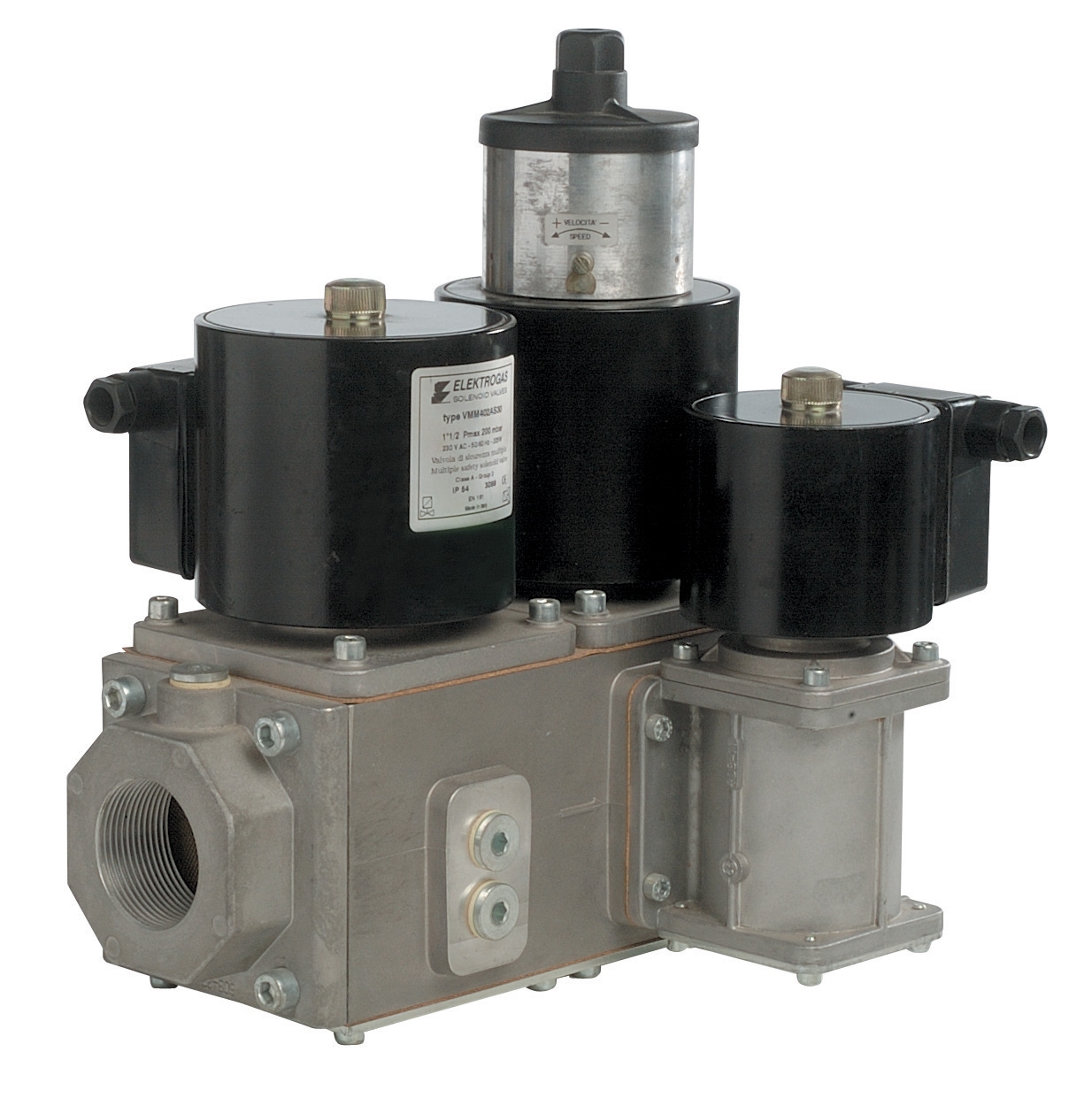
Gas train systems incorporating multiple solenoid valves coordinate complex fuel management sequences. Main fuel shutoff valves, pilot fuel supply valves, and pressure relief solenoids work in coordinated timing to establish safe operating conditions. The pressure differential across each valve—determined by system design pressure and downstream load—influences solenoid valve selection criteria, requiring engineers to specify appropriate coil power and valve body pressure ratings for seamless system integration.
Selection Criteria & Best Practices for Solenoid Valve Specification
Electrical Supply Alignment: Verify facility electrical supply voltage (230V, 110V, 24V, or 12V) and phase configuration (single-phase AC or DC). Specify solenoid coils matching available infrastructure to minimize control circuit modifications and associated downtime during installation.
Pressure Rating Safety Margin: Select solenoid valve pressure ratings exceeding maximum system operating pressure by minimum 20%. A burner system operating at 4 bar requires 6 bar-rated valves to accommodate pressure transients from pump startup and system adjustments.
Flow Capacity Verification: Calculate required flow rates based on burner capacity (kW output) and fuel type (natural gas, LPG, or oil). Port size directly influences valve Cv (flow coefficient)—oversized ports create pressure loss, while undersized ports restrict fuel delivery and reduce burner modulation precision.
Response Time Requirements: Safety-critical applications demand rapid solenoid valve closure (50-100ms target). Verify coil specifications and valve body design support required response performance, particularly in flame supervision applications requiring immediate fuel shutoff upon flame loss detection.
Environmental Durability: Industrial facilities expose solenoid coils to thermal cycling, vibration, and electromagnetic interference. Specify coils with reinforced insulation, potted construction, and sealed connector designs for enhanced durability in challenging Singapore industrial environments characterized by high ambient temperatures and humidity.
Integrating Solenoid Valve Regulation with Modern Burner Systems
Contemporary industrial burners integrate burner control systems featuring sophisticated solenoid valve regulation enabling precise combustion optimization. The relationship between solenoid valve actuation and burner performance directly impacts fuel efficiency, emissions compliance, and operational safety. Engineers selecting solenoid valve solutions must understand how electromagnetic regulation interfaces with downstream combustion processes.
The solenoid valve selection process requires comprehensive evaluation of application parameters: operating pressure ranges, flow rate demands, electrical supply infrastructure, safety interlocking requirements, and environmental durability standards. Industrial professionals across Singapore manufacturing sectors benefit from technical consultation with equipment specialists capable of matching solenoid valve specifications against specific combustion system architectures.
For facilities requiring advanced gas safety monitoring alongside solenoid valve regulation, gas detection systems provide complementary protection. These systems continuously monitor facility atmosphere for unintended gas accumulation, triggering automated shutoff of solenoid-controlled fuel supplies when dangerous concentrations are detected. This multi-layer safety approach represents industrial best practice for high-risk applications.
Installation and maintenance of solenoid valve systems demands technical competency. Proper coil installation requires protection from moisture ingress, mechanical vibration isolation, and electrical signal integrity. The comprehensive gas valve and regulation systems employed across Singapore's industrial sectors integrate solenoid valve components within broader system architectures incorporating multiple pressure regulation stages, safety devices, and instrumentation.
3G Electric has served Singapore's industrial equipment requirements since 1990, providing solenoid valve solutions, electromagnetic coils, and integrated gas regulation systems supporting diverse manufacturing applications. Our technical expertise spans burner system integration, pressure regulation optimization, and safety system design. Whether specifying solenoid valves for new system installations, upgrading existing burner control infrastructure, or troubleshooting electromagnetic valve performance issues, our team delivers evidence-based recommendations aligned with your facility's operational requirements and safety standards. Contact 3G Electric today to discuss your solenoid valve regulation requirements and explore technical solutions optimizing combustion efficiency and operational safety across your industrial operations.