Gas Valves & Regulation Troubleshooting Guide: Diagnosing Common Issues in Singapore Industrial Systems
Industrial gas valve systems are critical components in countless applications across Singapore's manufacturing, hospitality, and energy sectors. When these systems malfunction, the consequences can range from operational downtime to safety hazards. This comprehensive troubleshooting guide provides industrial professionals with the technical knowledge to diagnose and resolve common gas valve and regulation issues efficiently. Whether you're dealing with solenoid valve failures, pressure regulation problems, or burner control malfunctions, understanding the underlying causes and diagnostic procedures is essential for maintaining system reliability and compliance with Singapore's industrial safety standards.
Understanding Gas Valve & Regulation System Architecture
Gas valve and regulation systems operate on straightforward but critical principles. These systems typically consist of three interconnected components: the main gas supply, the regulation mechanism (pressure reducer or modulator), and the control valves (solenoid or manual isolation valves). The regulation component maintains consistent pressure downstream despite fluctuations in supply pressure, while control valves manage flow on demand.
The solenoid valve acts as the electromagnetic gatekeeper, opening and closing in response to electrical signals from control systems or manual inputs. When voltage is applied to the solenoid coil, it generates a magnetic field that pulls the valve plunger upward, allowing gas to flow. When voltage is removed, a return spring forces the plunger down, cutting off flow. This mechanism must operate reliably thousands of times, making coil integrity and mechanical freedom of movement critical factors.
Pressure regulation operates on a different principle—typically using a spring-loaded diaphragm that responds to downstream pressure. As downstream pressure increases, it pushes against the diaphragm, compressing the spring and restricting upstream flow. This self-regulating action maintains pressure within a specified range (e.g., 600mbar to 6bar for many industrial applications) regardless of consumption variations.
Understanding this architecture is fundamental because most troubleshooting begins by isolating which system component is failing. A solenoid coil failure manifests differently than a pressure regulation failure, requiring distinct diagnostic approaches and replacement strategies. Industrial professionals in Singapore operating burner systems, gas trains, or dual-valve assemblies must recognize these distinctions to implement effective corrective actions.
Technical Product Specifications & Diagnostic Parameters
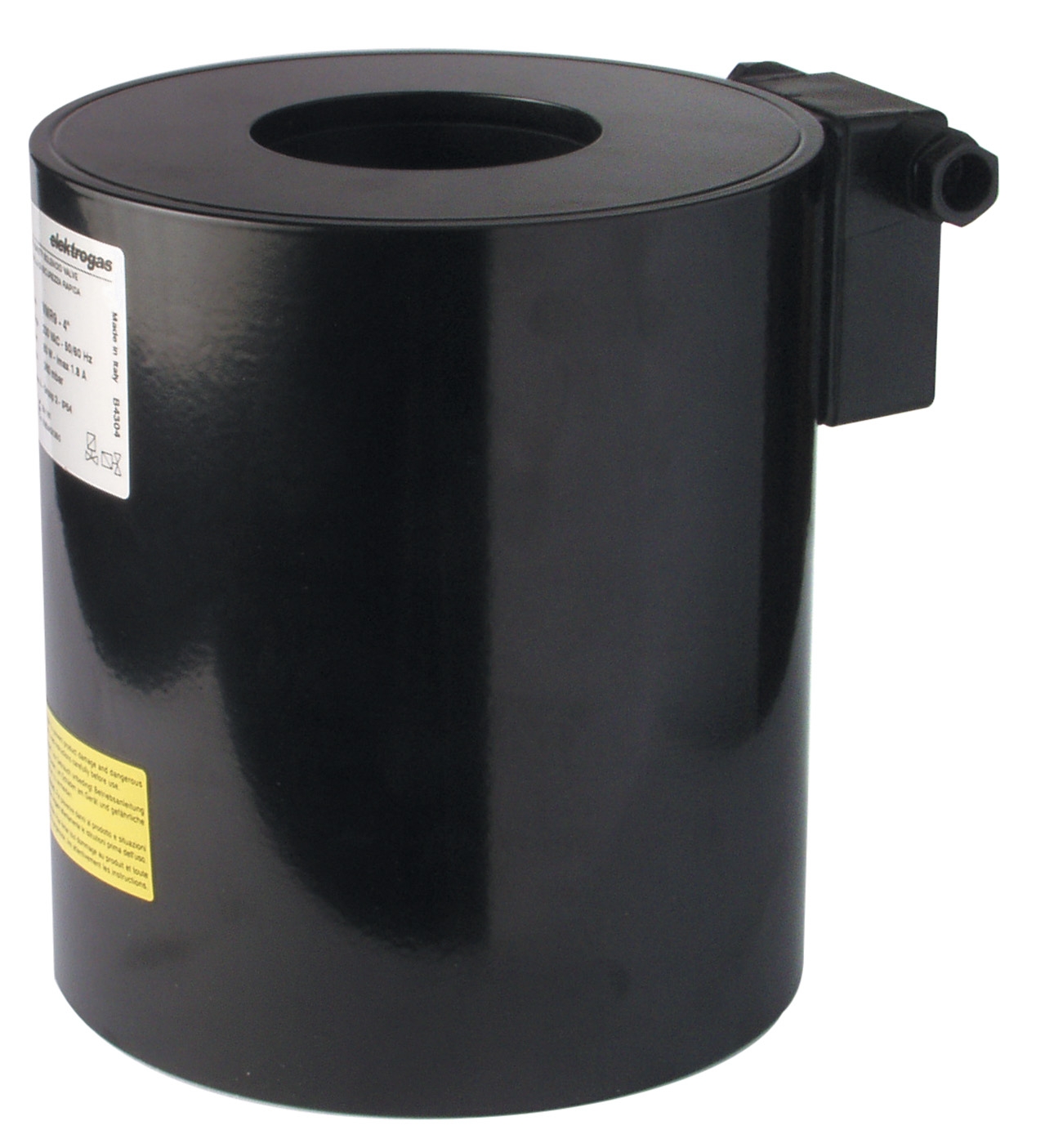
Modern industrial gas valve systems in Singapore feature varying electrical specifications depending on facility infrastructure. The CBM Coil 1930.1814 230V VML is widely deployed in larger industrial installations where 230V three-phase power is standard. This unit serves VML valves rated for 2½" to 3" connections and handles pressures up to 200mbar, making it suitable for low-pressure gas applications including certain burner control circuits.
[PRODUCT_IMAGE:ELK26121]For dual-pressure applications requiring higher pressure handling, the CBM Coil 1930.3100 230V EVRMNCOT provides coverage across the 3/8" to 1" connection range with a pressure rating of 600mbar to 6bar. With 8W power consumption, this coil maintains high efficiency while managing the electromagnetic switching demands of proportional or on-off solenoid valves. This specification range makes it ideal for gas burner control systems operating at medium pressures.
[PRODUCT_IMAGE:ELK26302]Lower-voltage installations—increasingly common in modern facilities with 24V DC control systems—benefit from the CBM Coil 24V AC for ELV7....2/4/6/8. This coil enables integration with programmable logic controllers (PLCs) and safety shutdown systems that require 24V signaling.
[PRODUCT_IMAGE:ELV93006]For battery-backed or UPS-supplied systems, the CBM Coil 1930.3700 12V AC/DC EVRMNCOT provides dual-voltage capability with 22W capacity. This specification is particularly valuable in Singapore's critical infrastructure applications where continuous operation during power transitions is non-negotiable.
[PRODUCT_IMAGE:ELK26326]When diagnosing solenoid failures, measure coil resistance using a multimeter set to ohms. Factory specifications should be documented in your system manual. Resistance values significantly higher than specification indicate internal coil degradation; resistance of infinity (open circuit) confirms coil failure. Additionally, verify actual supply voltage at the coil terminals—voltage drops below 85% of rated voltage will prevent reliable operation.
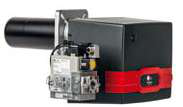
For burner systems like the FBR X GAS XP 60 CE TC EVO, which operates at 630kW maximum with a 250mm nozzle, the valve coil must respond within milliseconds of ignition demand. Delayed response or sluggish operation suggests coil weakness or mechanical binding in the valve mechanism itself.
[PRODUCT_IMAGE:002345_41]Real-World Application Scenarios & Diagnostic Procedures
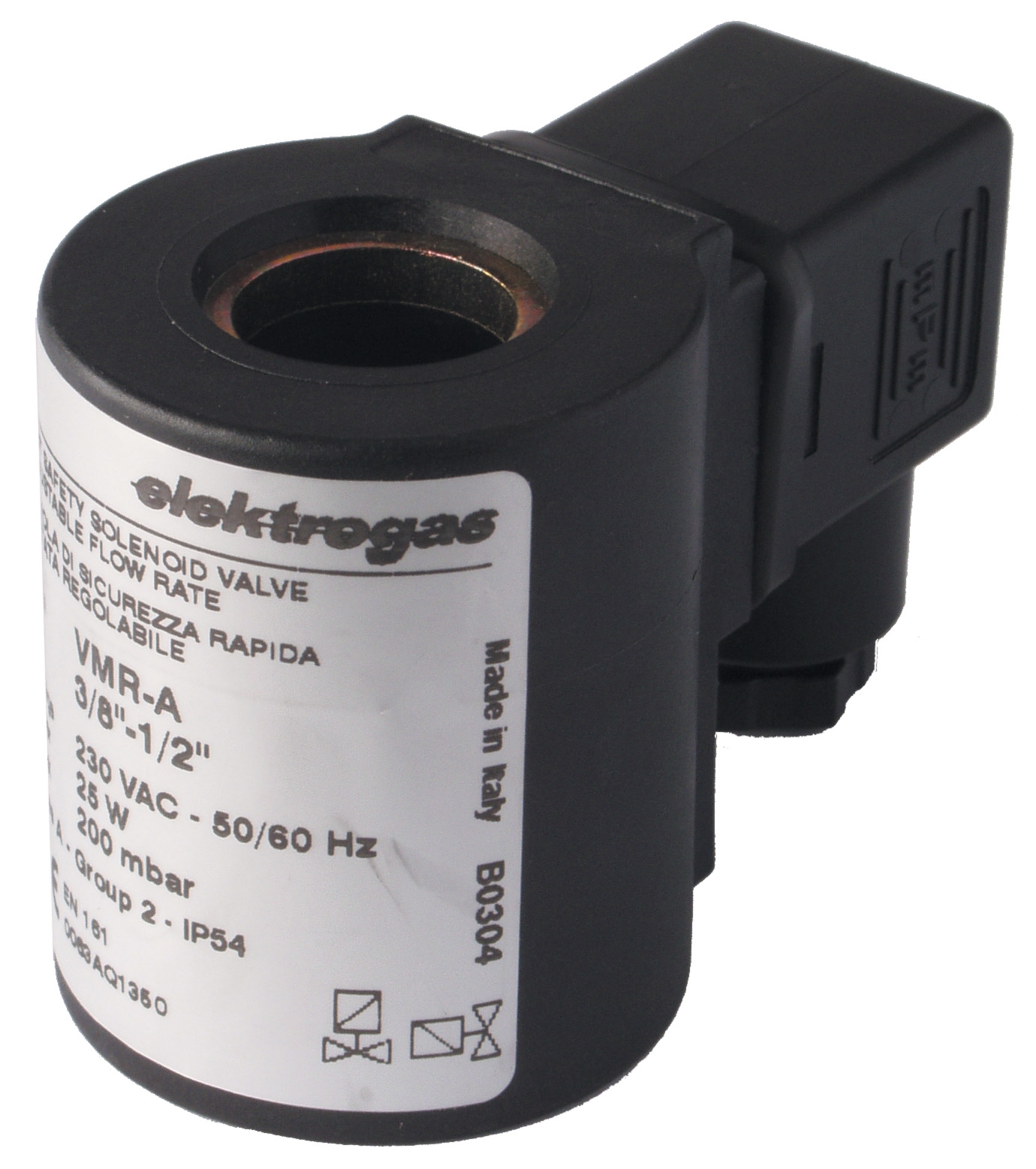
Scenario 1: Complete Loss of Gas Flow A food manufacturing facility operating a commercial cooking line experiences sudden loss of gas supply despite confirmed gas availability at the meter. The solenoid valve should click when energized but produces no audible response. Diagnostic procedure: (1) Verify 230V supply to the solenoid coil using a multimeter; (2) Listen for the characteristic click sound when manual ignition is attempted; (3) Measure coil resistance—if open circuit is detected, replacement of the solenoid coil assembly is required. In this instance, the CBM ELK26302 230V coil would be the replacement component. If voltage is present but no click occurs, mechanical jamming may be the culprit—the valve plunger may be stuck due to carbon buildup or debris. This requires valve disassembly and cleaning by trained personnel or complete valve replacement.
Scenario 2: Pressure Regulation Instability A dual-burner system in a commercial laundry facility exhibits erratic flame behavior, with flames rising and falling despite stable demand input. This indicates pressure oscillation at the valve outlet. Root causes include: (1) Regulation spring fatigue causing the diaphragm to vibrate; (2) Debris blocking the regulation orifice, preventing smooth pressure response; (3) Worn valve seat allowing backflow. Corrective action requires isolating the system, depressurizing, and inspecting the regulation cavity for carbon or particulate contamination. Many cases resolve through cleaning; others require component replacement.
Scenario 3: Intermittent Operation A burner operates normally for extended periods, then suddenly stops responding to demand signals. Upon investigation, the system resumes normal operation after sitting idle for 30 minutes. This thermal cycling behavior suggests that the solenoid coil is overheating and experiencing increased coil resistance as temperature rises. When cool, resistance remains within specification; as temperature climbs during continuous operation, resistance increases sufficiently to prevent adequate magnetic field generation. Solution: Replace the coil with a higher-capacity version or investigate whether the valve is being exposed to ambient temperatures exceeding design specifications (typically -20°C to +60°C for industrial valves).
Selection Criteria & Best Practices for Gas Valve Troubleshooting
When selecting replacement components or upgrading systems, precise specification matching is non-negotiable. Document three critical parameters: (1) Operating Voltage—230V, 24V, or 12V availability at your facility; (2) Pressure Range—differentiate between low-pressure (under 500mbar) applications and medium/high-pressure (600mbar to 6bar+) systems; (3) Connection Size and Type—3/8", 1", 2½" or other sizes must precisely match valve body ports.
Implement preventive maintenance protocols: Replace solenoid coils on a fixed schedule (typically every 3-5 years depending on cycle frequency), maintain clean inlet screens to prevent debris from damaging regulation seats, and conduct annual pressure tests to verify regulation accuracy. Document all replacements and maintenance activities—this creates a baseline for identifying recurring problems that may indicate systemic issues requiring engineering review.
In Singapore's tropical climate, humidity and corrosion present additional concerns. Ensure all electrical connections are protected with appropriate weatherproofing, and consider upgrading to stainless steel or epoxy-coated components in corrosive environments. When dealing with gas detection or safety-critical applications, engage qualified technicians certified for your specific equipment type.
Always reference the technical specifications and compliance documentation from your equipment manufacturer. Valves and coils conforming to EN161 standards (common for industrial European equipment) provide enhanced safety assurance for your facility.
Closing: Expert Support Available in Singapore
Gas valve and regulation troubleshooting requires a combination of technical knowledge, proper diagnostic tools, and access to quality replacement components. Whether you're managing a single burner system or an extensive industrial gas network, having reliable support is essential. 3G Electric's comprehensive range of gas valves and regulation components, sourced from proven manufacturers and backed by technical expertise, ensures you can diagnose and resolve issues efficiently.
Our inventory includes solenoid coils, replacement valve assemblies, and regulation components specifically selected for Singapore's industrial applications. If you encounter persistent troubleshooting challenges or require technical consultation on system upgrades, contact our team directly. With over three decades of experience as an authorized industrial equipment distributor, we provide not just products but partnership in maintaining your system reliability.
Explore our complete selection of solenoid valves in Singapore and gas burner components, or reach out to discuss your specific troubleshooting scenario with our technical staff.