Controls & Safety in HVAC Systems: A Practical Commissioning Checklist for Singapore Contractors
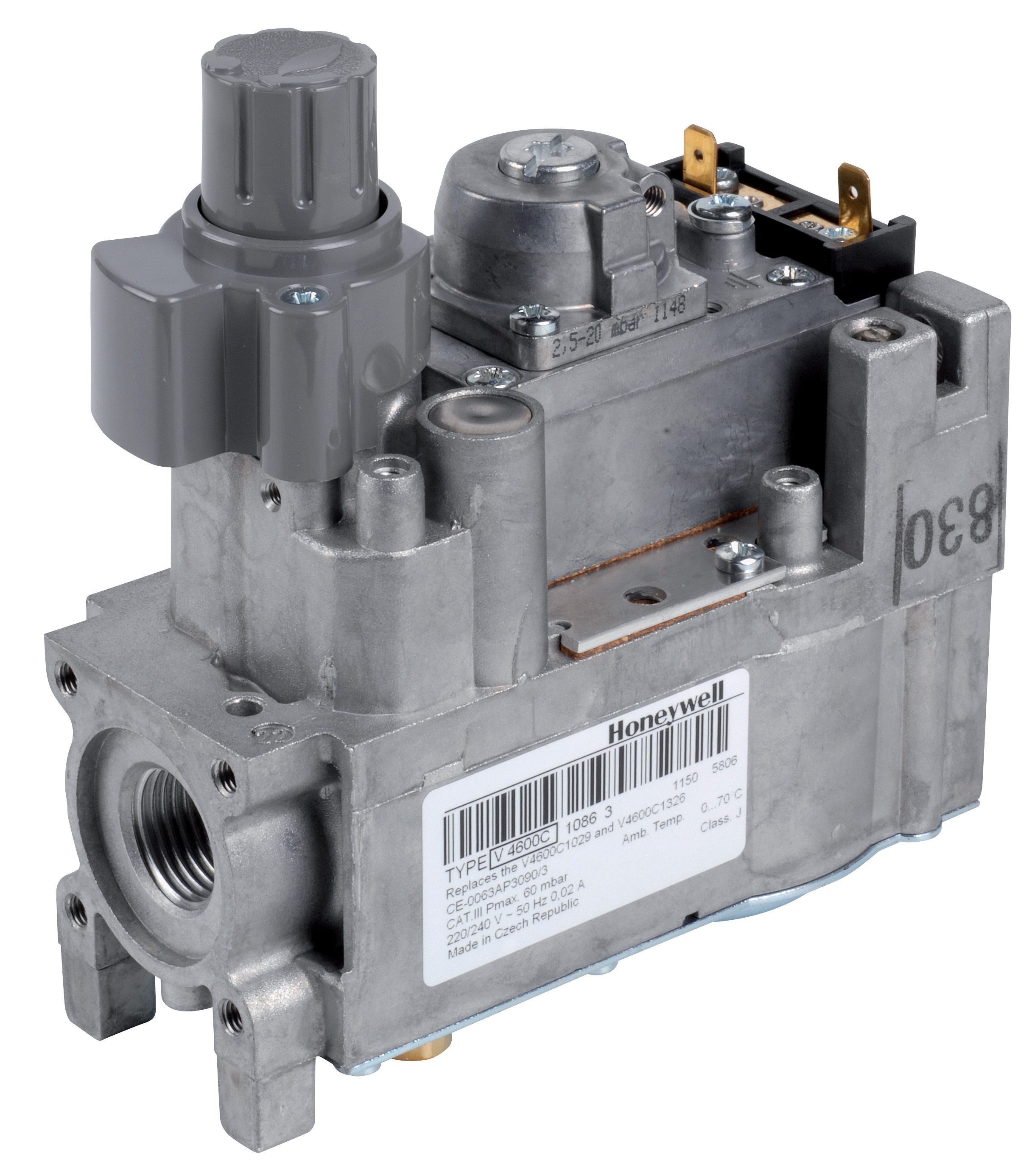
Table of Contentsexpand_more
Understanding Controls & Safety in Modern HVAC Systems
Controls & Safety systems are the critical backbone of every modern HVAC installation. In Singapore's humid, high-temperature climate with strict Building and Construction Authority (BCA) regulations, proper commissioning of these systems isn't optional—it's mandatory. With over 35 years of experience supplying industrial equipment to the region, 3G Electric understands that the difference between a system that performs reliably and one that fails unexpectedly often comes down to thorough Controls & Safety commissioning.
Unlike simple on/off controls, modern Safety-related control systems use layered approaches to protect equipment and personnel. Whether you're installing a gas-fired boiler, air handling unit, or combustion equipment, the Controls & Safety framework ensures that flame detection, pressure monitoring, and ignition sequences work together seamlessly. This guide focuses on the practical commissioning tasks that HVAC contractors must complete before handover.
Pre-Commissioning Verification: Document Review and Component Inspection
Before powering up any Controls & Safety system, establish a solid foundation through documentation review and physical inspection.
Step 1: Verify Design Documentation
Request and review the Controls & Safety design drawings, including:
- Schematic diagrams showing all safety interlocks
- Component datasheets for relays, pressure switches, and flame detection modules
- Safety certification documents (EN 746-2, EN 676, SIL ratings where applicable)
- Manufacturer commissioning instructions specific to your equipment
Check that the design matches the installed equipment. For example, if your design specifies a Kromschroder Relay BCU 570WC1F1U0K1-E, verify that this exact model is physically installed and that its firmware version matches the design baseline.
Step 2: Physical Component Inspection
Conduct a visual inspection of all Controls & Safety components:
- Relays and control modules: Check for physical damage, corrosion (critical in Singapore's marine environment), and proper mounting
- Pressure switches: Verify connection points and look for potential kinks in tubing that could block signal transmission
- Flame detection sensors: Confirm correct positioning and verify that optical surfaces are clean and unobstructed
- Gas blocks: Inspect solenoid valve connections and pilot pressure tappings for leaks or contamination
- Electrical connections: Examine all terminal blocks, grounding points, and shielded cable routing
Document findings with photographs. Any deviation from design should trigger a revision before commissioning proceeds.
Step 3: Electrical Supply Verification
Measure and document:
- Supply voltage (should be within ±10% of rated voltage)
- Ground continuity and earth resistance (typically <5Ω)
- Absence of electrical noise or harmonics that could interfere with safety signals
For modulating gas control systems like the Honeywell Gas block VK 4105 C 1041 U, ensure stable 24V DC supply with backup battery capacity if required by design.
Functional Testing Protocol: Safety Interlocks and Response Times
Once documentation and physical inspection are complete, move to systematic functional testing. This is where many contractors rush—don't. Thorough functional testing prevents failures in the field.
Test 1: Pressure Switch Response
The Kromschroder Pressure switch DG 50U/6 (SIL 3 rated) must respond reliably at design setpoints. Testing procedure:
1. Document the design setpoint pressure (e.g., 20 mbar differential)
2. Slowly increase system pressure using a regulated source while monitoring the switch electrical output
3. Record the exact pressure at which the switch activates (pickup pressure)
4. Continue increasing pressure and reduce it gradually to find deactivation pressure (dropout pressure)
5. The difference between pickup and dropout (hysteresis) should match manufacturer specification
6. Repeat this cycle 5 times to verify consistency
7. Document all readings in the commissioning logbook
If pickup or dropout falls outside specification, do not proceed. The switch must be replaced or recalibrated by the manufacturer.
Test 2: Flame Detection System Verification
Flame detection is your most critical safety function. For systems using the Siemens Relay LFL 1.622, which combines UV and ionization flame monitoring:
1. With pilot light or main burner operating normally, verify that the flame detection relay indicates "flame present" status
2. Carefully interrupt the flame (use a thin blade or temporary blockage—work safely)
3. Confirm that the relay registers "no flame" within the design response time (typically 3-5 seconds for safety applications)
4. Resume flame and confirm relay returns to "flame present" status
5. Repeat 3 times
6. Test with contaminated optics (careful soot exposure or dust film) to confirm that sensor still detects flame within specification
Response time is critical. If the relay takes longer than specified to detect flame loss, the system has a safety deficiency.
Test 3: Ignition Sequence and Interlock Chain
With the Pactrol Housing P 16 DI CE flame control module:
1. From cold start, initiate the ignition sequence
2. Confirm that the ignition module generates spark output (12 kV, 10MJ energy per specification)
3. Verify that fuel valve opens only after ignition is confirmed
4. Confirm that the main burner lights within the design trial-for-ignition period (typically 5 seconds)
5. If ignition fails after this period, confirm that the system automatically shuts down fuel and resets safely
6. Repeat ignition attempt—system should allow up to 3 attempts before lockout
7. Document lockout behavior and reset procedure
This interlock chain prevents fuel accumulation in the combustion chamber, a major safety hazard.
Test 4: Safety Shutdown Functions
Verify all emergency shutdown pathways:
- Loss of flame: Confirm fuel shutoff within specified time
- Loss of electrical supply: Confirm all fuel valves move to safe (closed) position
- Loss of pilot pressure: Confirm automatic shutdown
- Over-temperature condition: Confirm automatic shutdown (if temperature monitoring is included)
- Manual reset requirement: Confirm that the system does not automatically restart after a safety shutdown
Document response times for each shutdown scenario.
Documentation, Commissioning Records, and Handover Standards
Commissioning isn't complete until documentation is finished. Singapore's BCA standards and insurance requirements demand comprehensive records.
Required Commissioning Documentation
Create a commissioning file containing:
1. Commissioning checklist (marked complete for each item tested)
2. Test results (all pressure switch setpoints, response times, flame detection verification)
3. As-built drawings (marked up to show actual installation if different from design)
4. Component serial numbers and batch codes (traceability for any future recalls)
5. Electrical test reports (supply voltage, earth resistance, continuity)
6. Photographs of installed components, connections, and test setup
7. Manufacturer certificates for all components
8. Safety function test results with timestamps
9. Commissioning engineer sign-off with name, license number, and date
10. Operator and maintenance handover documentation
Handover to Operations Team
Before leaving site, conduct a formal handover meeting:
- Walk through the Controls & Safety system with the building maintenance team
- Explain the function of each component (relay, pressure switch, gas block, flame detector)
- Demonstrate how to recognize normal operation vs. fault conditions
- Show how to perform manual reset after a safety shutdown
- Review the maintenance schedule (typically pressure switch calibration every 12 months)
- Provide contact details for technical support
- Leave copies of commissioning documentation with the facility
Ensure your commissioning documentation aligns with:
- BCA Green Mark criteria (energy efficiency linked to controls optimization)
- Electrical installation standards (SS 638 for electrical safety)
- Gas safety standards (where applicable for combustion equipment)
- Insurance requirements (most insurers require certified commissioning records)
Keep copies of all commissioning records for at least 10 years. Insurance claims related to equipment failure may require evidence of proper commissioning.
Common Commissioning Mistakes and How to Avoid Them
Mistake 1: Skipping Pressure Switch Calibration Verification
Many contractors assume pressure switches arrive calibrated. They don't. Always verify setpoints during commissioning. A pressure switch that activates 5 mbar early or late will affect system performance and safety.
Mistake 2: Insufficient Flame Detection Testing
Testing flame detection only during initial light-up is insufficient. Contaminated optics, aging sensors, and vibration can all degrade flame detection over time. Commissioning must include contamination tolerance testing.
Mistake 3: Inadequate Documentation
Calling commissioning "complete" without signed-off test reports is risky. If a fault develops weeks later, you have no baseline to compare against. Detailed documentation protects both you and your client.
Mistake 4: Not Testing Safety Interlocks
Some contractors test normal operation but skip safety interlock verification. This leaves critical vulnerabilities undetected. Commissioning must include deliberate safety shutdown testing.
Mistake 5: Ignoring Environmental Factors
Singapore's high humidity, salt air, and temperature swings affect electronics. Ensure all electrical terminals are properly sealed and corrosion-resistant components are used in coastal installations.
Summary: Controls & Safety Commissioning as Professional Standard
With over 35 years of experience as a distributor of industrial equipment in the Asia-Pacific region, 3G Electric has seen the consequences of rushed commissioning. Systems that fail prematurely, safety interlocks that don't function, and equipment that becomes uninsurable—these problems trace back to incomplete commissioning.
Treating Controls & Safety commissioning as a systematic, documented process protects your reputation, ensures client satisfaction, and meets Singapore's regulatory requirements. The time invested in thorough testing and documentation today prevents costly field failures and warranty disputes later.
When sourcing components like the Kromschroder Relay BCU 570WC1F1U0K1-E or pressure switches, pair them with disciplined commissioning practices. This combination—quality components plus thorough commissioning—is what separates professional HVAC contractors from the rest.
![Satronic Burner Controls SG | Buyer's Guide [2026]](https://oxalncjenpflyqfncuhe.supabase.co/storage/v1/object/public/product-assets/cbm/57d089e0-d3cf-4168-9f73-fb6bf7a7163b.jpg)