Oil Supply Systems and Fuel Unit Applications in Singapore's Industrial Sector: Technical Specifications and Selection Guide
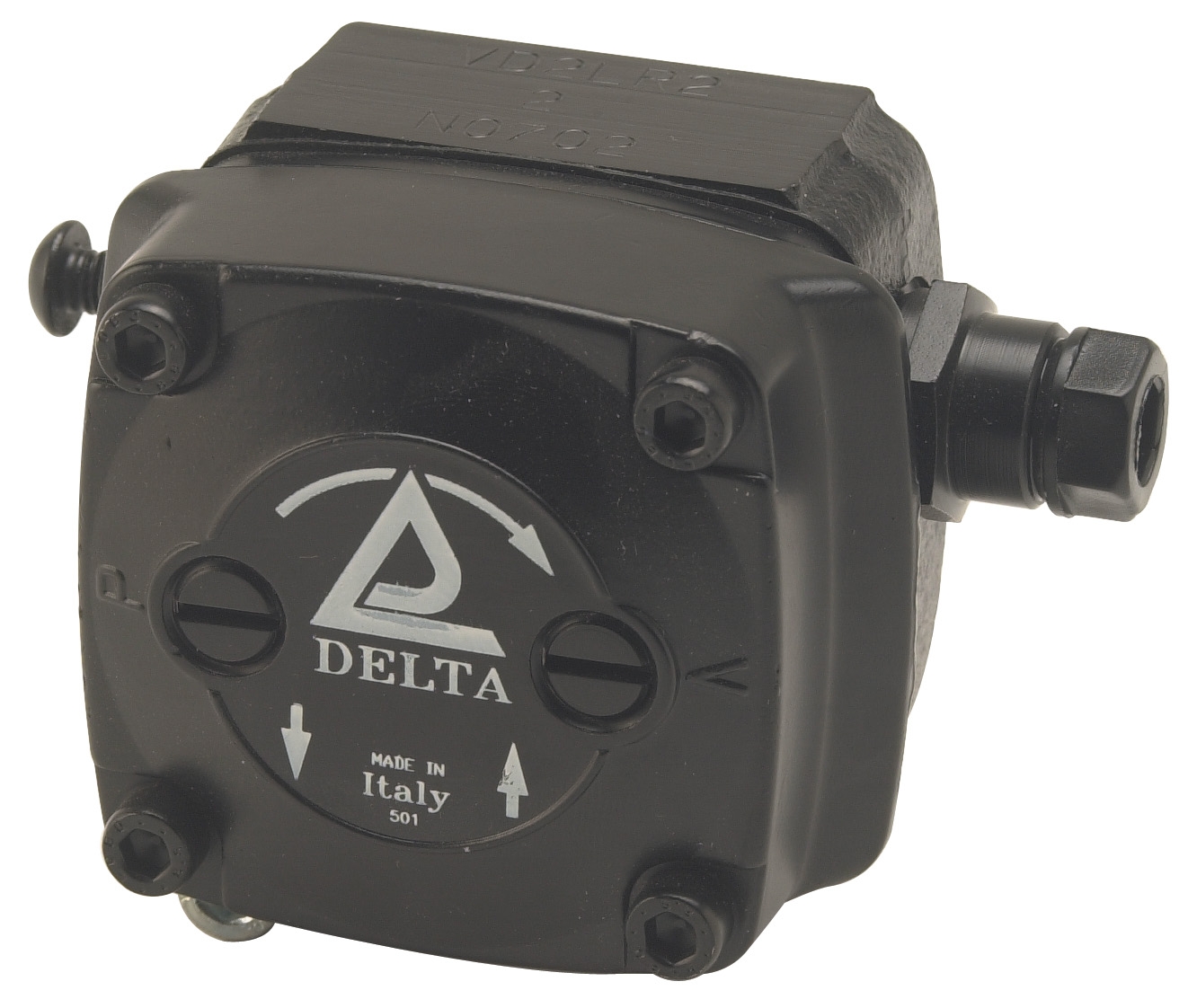
Table of Contentsexpand_more
Oil Supply Systems and Fuel Unit Applications in Singapore's Industrial Sector: Technical Specifications and Selection Guide
Oil supply systems form the backbone of numerous industrial applications across Singapore, from commercial heating installations to petrochemical processing facilities. Whether managing fuel delivery for large-scale burner systems or maintaining precise pressure control in manufacturing operations, understanding the technical specifications and operational requirements of oil supply equipment is critical for industrial professionals. This guide examines the core components of modern oil supply systems, including low-pressure pumps, fuel units with integrated pressure regulation, and associated solenoid valve controls that work in concert to deliver reliable, efficient operation in Singapore's demanding industrial environment.
Understanding Oil Supply System Architecture and Pressure Regulation
Modern oil supply systems operate on a fundamental principle: controlled delivery of fuel at precise pressures to combustion or processing equipment. The system architecture typically comprises three primary functional layers: fuel intake and filtration, pressure generation and regulation, and controlled distribution through solenoid valve networks.
Low-pressure pump units serve as the system's heart, drawing fuel from storage tanks and establishing baseline delivery pressure. Unlike high-pressure systems, low-pressure applications typically operate in the range of 90–200 mbar, making them suitable for applications where precise flow control matters more than extreme force. The CBM VD2 LR-2.2 low-pressure pump exemplifies this category—designed specifically as an oil burner fuel unit with integrated pressure regulation. Built to international EN 225 standards, this DELTA-series pump features a compact design enabling mounting to virtually any oil burner configuration while delivering the reliable suction capability required for both single and dual-pipe fuel systems.
Pressure regulation within these systems occurs through multiple mechanisms. Primary regulation happens at the pump discharge through integrated relief valves, while secondary control occurs through solenoid valve actuation at distribution points. This layered approach prevents pressure spikes, maintains system stability, and protects downstream components from exceeding design parameters. In tropical climates like Singapore's, where ambient temperatures and humidity fluctuate significantly, maintaining stable pressure becomes even more critical for system longevity and performance consistency.
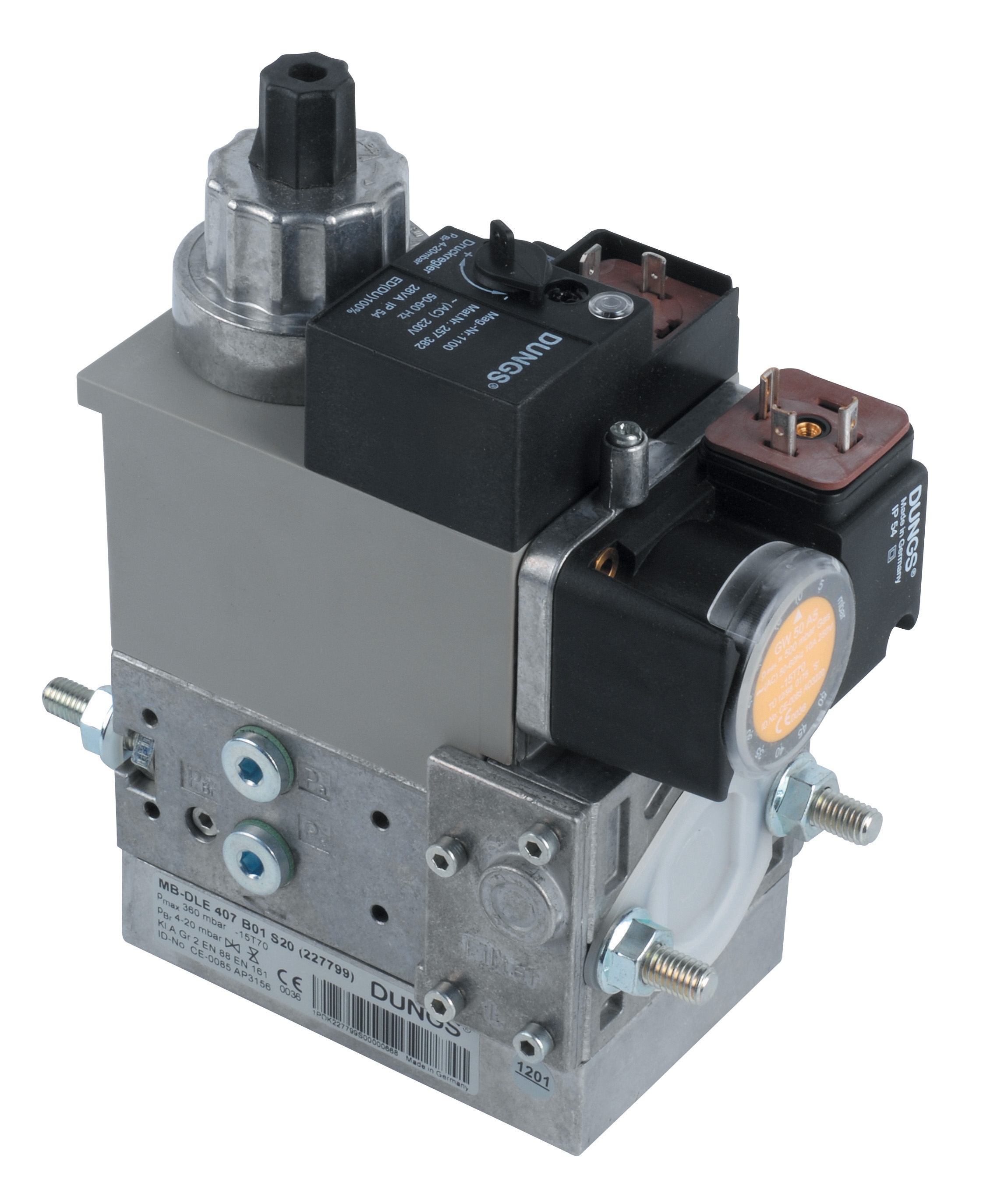
Solenoid coils control the electromagnetic actuation of distribution valves, determining fuel flow direction and timing. The CBM ELK solenoid coils—available in 230V AC variants such as the model 1930.1814 rated for 2½–3 inch valve bodies at 200 mbar—provide reliable on-off control suitable for burner ignition sequences and emergency fuel shutoff functions. These components operate in harsh industrial environments, requiring robust electrical isolation and resistance to thermal cycling.
Technical Specifications of Industrial Oil Supply Components
Selecting appropriate oil supply equipment requires detailed understanding of performance metrics and operational envelopes. Key technical parameters include flow rate (measured in litres per minute or US gallons per minute), maximum operating pressure (in bar or MPa), power consumption, and compatibility with mounting standards.
Pump Performance Data: The Interpump PUMP 5015 R ATEX represents high-capacity oil supply capability, delivering 15 L/min (3.96 US GPM) at 500 bar (50 MPa / 7,250 PSI) pressure with 14.7 kW power consumption and 1,450 RPM rotation regime. This unit's ATEX certification makes it suitable for explosive atmosphere applications—increasingly important in petrochemical refineries and chemical processing facilities throughout Singapore's industrial zones. With overall dimensions of 351.5 × 242.5 × 195.5 mm and 19.5 kg weight, this pump balances performance with compact installation profiles.
For moderate-pressure applications requiring lower power input, the Interpump WW90 series pumps deliver 8 L/min at 90 bar (9 MPa / 1,300 PSI) pressure using only 1.47 kW power input—ideal for secondary circulation loops or auxiliary fuel systems in manufacturing environments. The WW90 L and WW90 R variants offer left and right rotation options, enabling flexible mounting configurations within constrained equipment layouts.
Control Valve Specifications: The CBM ELK 1930.1814 solenoid coil operates at 230V AC power supply with rated performance across 2½–3 inch valve body sizes at 200 mbar working pressure. The CBM ELV 24V AC coil (model 24V AC for ELV7 series) provides alternative voltage actuation for systems requiring low-voltage control logic—particularly valuable in automated burner management systems where 24V AC represents standard control voltage throughout Singapore's industrial control infrastructure.
Complementary Instrumentation: Accurate pressure monitoring is essential for system diagnostics and compliance verification. The CBM ROS stainless steel axial manometer (D63, 0–400 mbar range, G1/4 connection) provides visual pressure indication suitable for low-pressure pneumatic and hydraulic circuits. This instrument's stainless steel construction offers corrosion resistance critical in humid Singapore coastal facilities.
Real-World Industrial Application Examples in Singapore
Oil supply system requirements vary significantly across Singapore's industrial spectrum, each demanding specific technical configurations and performance envelopes.
Commercial Heating and Building Services: Multi-building complexes and hospitality facilities often employ the FBR X GAS XP 60 CE TC EVO series gas burners (available in metano variant) operating with maximum power outputs of 630 kW and minimum turndown to 232 kW. These burners require fuel supply systems capable of stable pressure delivery across wide load variations. The CBM VD2 LR-2.2 low-pressure pump with self-priming capability and suitable for one or two-pipe configurations delivers the responsive control these systems demand, automatically adjusting supply pressure as load conditions change throughout operational cycles.
Manufacturing Facilities with Process Heating: Industrial manufacturing in Singapore's Jurong and Tuas industrial zones frequently incorporates process heaters requiring precise fuel metering. Low-pressure pump systems with integrated regulation prevent pressure surges that could disrupt burner flame stability or cause equipment damage, while solenoid valve networks enable automated burner sequencing during multi-stage heating cycles.
Petrochemical and Refinery Operations: High-capacity applications demand equipment rated for continuous operation under demanding conditions. The Interpump PUMP 5015 R ATEX's 500 bar capability and ATEX certification address these requirements, with its robust construction designed to withstand the thermal cycling and contaminated fuel environments characteristic of refinery auxiliary systems.
Selection Criteria and Best Practices for Singapore Industrial Professionals
Matching Flow and Pressure Requirements: Begin with detailed calculations of fuel consumption rates under maximum load conditions, converting to L/min or GPM figures. Cross-reference against pump specification data—selecting a pump with 20–30% capacity margin above calculated requirements ensures reliability during extended operational periods and accommodates aging component performance degradation.
Environmental and Regulatory Compliance: Singapore's environmental regulations, administered through the National Environment Agency, impose strict standards on fuel handling and emissions control. Selecting ATEX-certified pumps (like the W05015EX) ensures compatibility with potential future regulatory updates and provides documented safety compliance for facility audits.
Tropical Climate Considerations: High humidity and ambient temperatures demand stainless steel or corrosion-resistant construction for long-term reliability. Pressure gauges with stainless steel casings, such as the CBM ROS manometer, outlast brass alternatives by 200–300% in coastal industrial environments.
System Integration Planning: Ensure solenoid coil voltage ratings align with facility control infrastructure (230V AC or 24V AC). Verify pump mounting flange compatibility with existing burner or equipment mounting standards—EN 225 compliance ensures broad interchangeability across equipment generations.
Documentation and Maintenance: Maintain complete technical documentation including pump performance curves, pressure relief valve settings, and solenoid actuation timing sequences. This documentation proves invaluable during troubleshooting and supports preventive maintenance scheduling based on component runtime data.
Optimizing Industrial Equipment Performance Through Expert Selection
Oil supply system selection represents a critical decision affecting facility reliability, operational efficiency, and regulatory compliance across Singapore's industrial landscape. Whether managing commercial heating infrastructure, manufacturing process systems, or petrochemical operations, understanding the technical specifications and operational characteristics of low-pressure pumps, fuel units, and control valve assemblies enables informed purchasing decisions that deliver long-term value.
The components highlighted throughout this guide—including the CBM VD2 LR-2.2 low-pressure pump for fuel delivery, Interpump high-capacity pump systems for demanding applications, CBM solenoid coils for precise control actuation, and supporting instrumentation like pressure gauges—represent proven solutions deployed across Singapore's most demanding industrial environments. By applying rigorous selection criteria based on technical specifications, environmental factors, and regulatory requirements, industrial professionals can design and maintain oil supply systems delivering decades of reliable performance.
Contact 3G Electric's technical team to discuss your specific oil supply system requirements. Since 1990, 3G Electric has provided experienced industrial equipment distribution and expert technical consultation to Singapore's manufacturing, petrochemical, and building services sectors. Our team can help identify the optimal pump, solenoid valve, and instrumentation components for your application—whether you're designing new systems or upgrading existing infrastructure. Explore our complete range of industrial pumps and fuel system components, or reach out directly for personalized technical guidance tailored to your facility's unique operational demands.