Gas Detection and Pressure Measurement Systems: A Complete Application Guide for Singapore Industrial Facilities
Industrial safety in Singapore's manufacturing, chemical processing, and energy sectors depends critically on two interconnected measurement systems: gas detection for hazardous atmospheres and pressure gauges for pneumatic and fluid system monitoring. These technologies work in tandem to prevent incidents, ensure regulatory compliance, and maintain operational efficiency. This guide provides technical professionals with practical insights into selecting, deploying, and maintaining integrated measurement and detection solutions appropriate for diverse industrial environments. Whether you're managing compressed air systems, monitoring for explosive gas concentrations, or ensuring process integrity, understanding the technical specifications and application parameters of modern detection equipment is essential for safe operations.
Understanding Integrated Measurement and Detection Systems
Modern industrial facilities require synchronized measurement and detection infrastructure. Pressure measurement systems provide real-time data on pneumatic and hydraulic system performance, while gas detection networks identify hazardous concentrations before they create dangerous conditions. These systems operate on different physical principles but share common requirements: accuracy, reliability, and integration capability.
Pressure measurement in industrial settings typically employs capsule gauge technology, which uses elastic elements to detect and display pressure differentials. These devices offer mechanical simplicity combined with high reliability in harsh environments. The measurement range varies significantly based on application—low-pressure pneumatic systems may operate at 25-600 mbar, while high-pressure hydraulic applications extend to 250+ bar. Accuracy specifications of ±1.6% of full scale across operating ranges ensure that process control remains within acceptable tolerances.
Gas detection systems, conversely, employ electrochemical or catalytic sensors to identify specific gas concentrations in ambient air. Detection units with modular architecture allow configuration for multiple gas types and monitoring zones simultaneously. Contemporary systems provide centralized control with distributed probe networks, enabling comprehensive facility coverage. The fundamental advantage of integrated systems is unified monitoring—pressure anomalies that might indicate gas leakage can be correlated with detection sensor data for faster incident response.
For Singapore-based industrial operations, understanding both measurement technologies proves critical because regulatory frameworks (including Ministry of Manpower guidelines for process safety management) increasingly mandate integrated hazard monitoring. Facilities handling flammable gases, compressed air systems under pressure fluctuation, or pneumatic process equipment benefit from simultaneous pressure and gas concentration tracking.
Pressure Gauge Selection and Technical Specifications
Pressure gauges for industrial applications require careful specification matching to fluid medium, operating range, and environmental conditions. The CBM ROS series pressure gauges represent proven capsule gauge technology suitable for diverse industrial applications.
The CBM Stainless Steel Axial Manometer D63 0/+400Mbar exemplifies low-to-medium pressure measurement suitable for pneumatic systems. Key specifications include: 63mm dial diameter, G1/4 connection thread, ±1.6% accuracy class, and stainless steel case construction. The axial configuration positions the connection port perpendicular to the gauge face, facilitating panel-mount installations in compact spaces. This model operates optimally in dry, non-corrosive gas environments typical of compressed air systems.
Higher pressure applications require glycerin-damped gauges for vibration resistance and measurement stability. The CBM Glycerin Manometer All Stainless Vertical D63 0/+250bar integrates filled capsule technology with glycerin damping fluid. This design provides three critical advantages: (1) dampens pressure pulsations common in reciprocating compressors and hydraulic systems, (2) protects internal mechanisms from shock loads, and (3) extends gauge lifespan in dynamic pressure environments. Glycerin fill also improves readability by stabilizing needle movement, reducing operator interpretation errors in environments with constant pressure fluctuation.
Stainless steel construction across both models ensures compatibility with marine environments, coastal industrial facilities, and high-humidity storage areas common throughout Singapore. Copper alloy wetted parts resist corrosion from dry gases while avoiding reactivity with process fluids. The 63mm dial size provides readable measurements from typical operator viewing distances (0.5-1 meter) while maintaining compact panel integration.
Selection between axial and vertical gauge configurations depends on installation geometry. Axial gauges suit horizontal pipe runs and equipment mounted to vertical walls. Vertical gauges work for installations requiring downward-facing connections or where space constraints favor vertical orientation. Both configurations accept standard G1/4 male thread connections, enabling integration with existing pneumatic infrastructure.
Gas Detection System Architecture and Probe Technology
Comprehensive gas detection requires centralized control units with distributed sensor probes. The CBM DTK detection systems provide modular platforms for multi-zone monitoring.
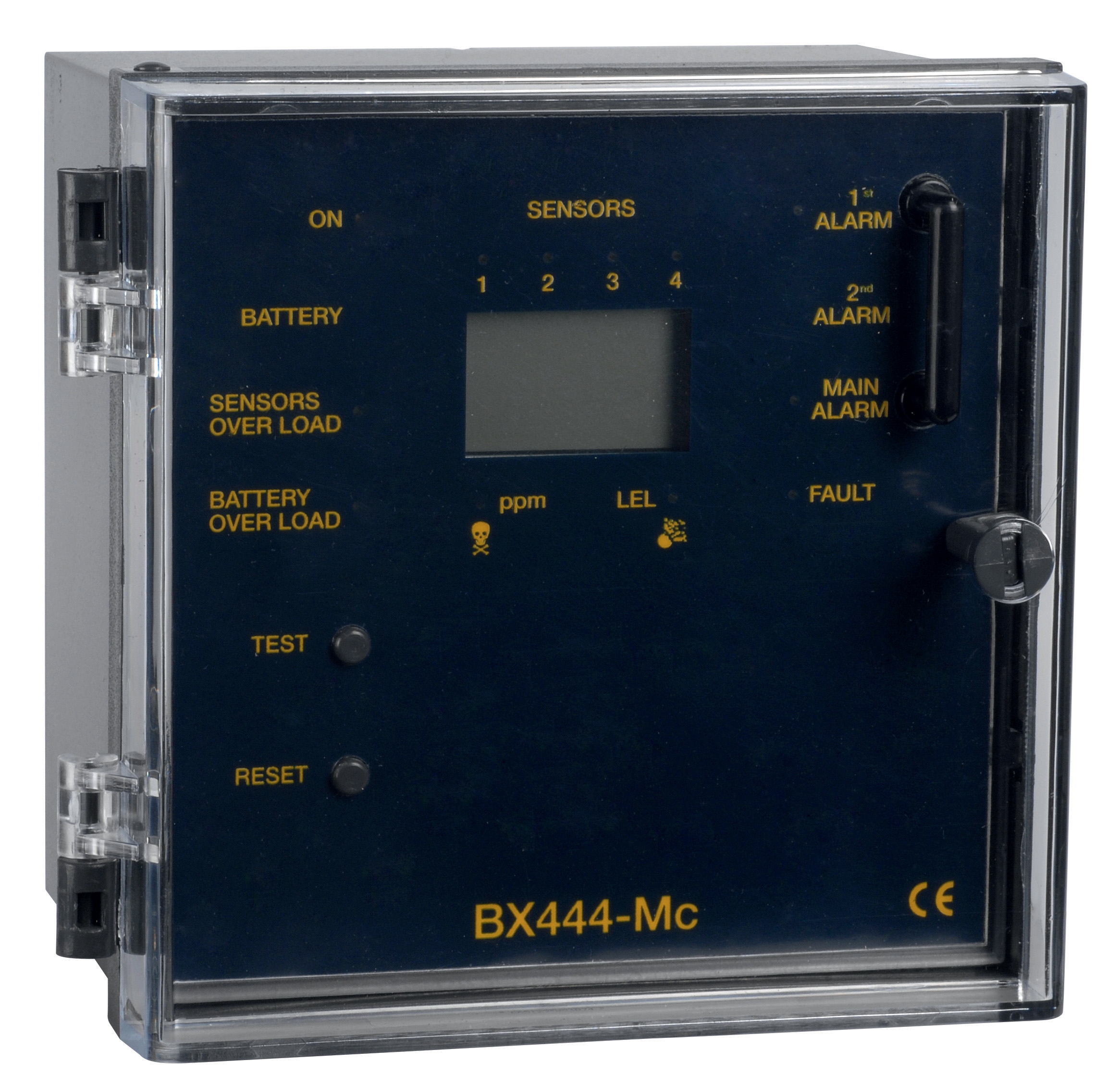
The CBM Detection Unit 4 Probes represents a conventional control architecture suitable for general industrial gas leak detection. This four-zone unit conforms to EMC Directive 2014/30/EU and operates per CEI-EN50270:2015 specifications for industrial environments. The modular design allows connection of four independent probes, each monitoring distinct facility zones. Conventional systems use fixed detection thresholds (typically 20-25% of lower explosive limit for combustible gases), triggering alarms when concentrations exceed preset limits.
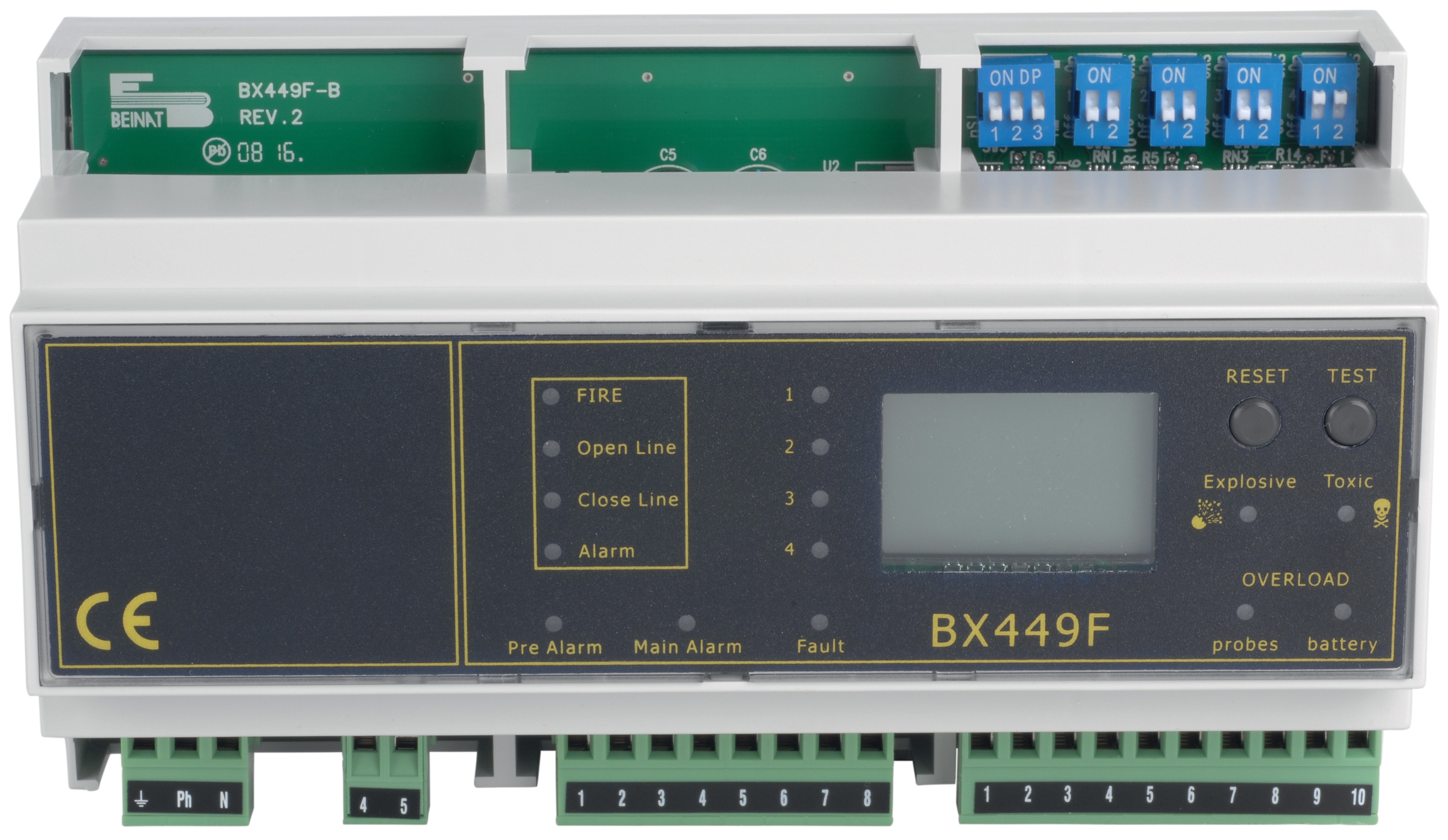
The CBM Gas Detection Center Din Rail 4 Probes extends conventional architecture with DIN rail mounting capability, enabling integration into standardized electrical distribution cabinets. This configuration suits facilities with existing industrial control infrastructure where gas detection must integrate with other monitoring and safety systems. The modular design supports expansion through additional probe connections, accommodating facility expansion or increased monitoring coverage without requiring complete system replacement.
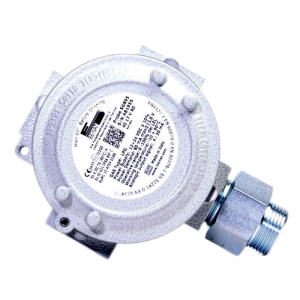
For hazardous area operations, ATEX-certified probes become essential. The CBM ATEX Diesel Probe carries certification EX II2 GD with SG895 specification, permitting operation in Zone 1 and Zone 2 hazardous areas where flammable gases may appear during normal operation. This probe employs catalytic sensor technology specifically calibrated for petroleum vapor detection—critical for facilities with fuel storage, generator operations, or equipment lubricated with hydrocarbon oils. The ATEX certification verifies that the probe cannot become an ignition source even in explosive atmospheres, meeting the stringent safety requirements of Singapore's Workplace Safety and Health Act and Ministry of Manpower hazardous area guidelines.
Catalytic sensor technology operates by measuring heat generated when combustible gases oxidize across a platinum catalyst surface. This approach provides excellent selectivity for flammable compound families while remaining unaffected by inert gases. Integrated control software manages probe self-diagnostics, sensor calibration tracking, and maintenance scheduling—critical features for facilities facing regulatory audits and process safety management documentation requirements.
Real-World Application Examples in Singapore Industrial Environments
Consider a typical compressed air generation facility serving multiple production areas. Reciprocating air compressors generate pressure fluctuations (±15-20% around nominal discharge pressure) that challenge conventional pressure gauges. Installation of the CBM Glycerin Manometer on the compressor discharge line provides stabilized pressure indication, enabling operators to maintain optimal operating efficiency. Simultaneously, gas detection probes monitor for oil vapor concentration—compressor lubrication can generate combustible vapors under high temperature conditions. The modular detection unit with four probes covers: (1) compressor discharge area, (2) main air distribution header, (3) pneumatic equipment zone, and (4) compressed air storage area. Integrated monitoring enables rapid response if compressor malfunction generates excessive vapor concentration.
A second scenario involves semiconductor manufacturing facilities using specialty gases (nitrogen, hydrogen, argon). Pneumatic delivery systems maintain precise pressures across multiple sub-systems. Installation of CBM Axial Manometers at key delivery points verifies pressure consistency. The ATEX-certified hydrogen probe (DTK18008) monitors for potential hydrogen leakage from specialty gas distribution lines—hydrogen concentration detection proves critical because hydrogen concentrations above 4% create explosive atmospheres undetectable by human senses. The centralized detection architecture with DIN rail mounting integrates gas monitoring with building automation systems, enabling automated facility shutdown procedures if dangerous concentrations develop.
In petrochemical storage and transfer operations, the combination of high-pressure transfer lines and volatile hydrocarbon atmospheres demands integrated monitoring. Pressure gauges on loading arms and transfer equipment detect unexpected pressure drops indicating hose failure, while ATEX diesel probes identify vapor concentrations. This dual monitoring approach satisfies both operational safety (preventing spills through early pressure anomaly detection) and atmospheric safety (preventing explosive vapor accumulation).
Selection Criteria and Implementation Best Practices
Effective measurement and detection system design requires systematic evaluation across five dimensions:
Fluid Medium Compatibility: Confirm that gauge materials resist the specific fluid being measured. Glycerin-filled gauges suit aggressive or variable fluid environments. Stainless steel construction proves necessary in marine and high-humidity zones throughout Singapore's equatorial climate.
Pressure Range Matching: Select gauges with nominal operating range between 30-80% of maximum scale. Operating at the low end of gauge range (below 30% scale) reduces accuracy; operating above 80% scale shortens component lifespan. Multiple gauge installations across distributed pressure points prove more effective than single high-range gauge.
Gas Detection Coverage: Map facility areas where gas accumulation might occur—low points in piping, enclosed spaces, storage areas. Ensure probe placement enables detection before dangerous concentrations reach personnel zones. Account for natural air circulation patterns.
Regulatory Compliance: Verify that selected systems meet Singapore's Ministry of Manpower requirements for your specific facility classification. Hazardous area operations require ATEX or equivalent certification. Process safety management facilities need documented detection and alarm procedures.
Integration Architecture: Confirm compatibility between pressure gauges, detection units, and existing building automation or safety systems. Modular DIN rail systems simplify integration compared to standalone units.
Moving Forward With Integrated Safety Monitoring
Implementing comprehensive measurement and detection systems protects both personnel and assets while demonstrating regulatory compliance throughout Singapore's increasingly stringent workplace safety environment. The technical specifications of modern pressure gauges and gas detection probes—combined with systematic installation and maintenance protocols—provide the foundation for reliable hazard monitoring across diverse industrial applications.
Whether you're upgrading existing pneumatic systems, designing new compressed air infrastructure, or implementing gas safety monitoring for hazardous area operations, the selection of appropriate measurement equipment directly impacts operational safety and regulatory standing. 3G Electric's measurement and detection product portfolio offers proven CBM equipment trusted by Singapore industrial facilities since 1990.
Contact 3G Electric's technical team to discuss your specific measurement and detection requirements. Our applications engineers can recommend appropriate pressure gauge specifications, gas detection architectures, and integration solutions tailored to your facility's operational characteristics and regulatory obligations. Reach out today to ensure your industrial operations benefit from reliable, compliant measurement infrastructure.