Pressure Measurement in Gas Detection Systems: A Technical Guide for Singapore Industrial Operations
Gas detection systems form the backbone of industrial safety in Singapore's manufacturing, petrochemical, and processing sectors. However, many facility managers overlook a critical component: accurate pressure measurement within these detection networks. Pressure monitoring serves as both a diagnostic tool and a safety verification mechanism, ensuring that gas detection probes maintain optimal operating conditions and that sensor signals remain valid throughout the detection circuit. This guide explores the technical relationship between pressure measurement and gas detection reliability, providing Singapore-based industrial professionals with practical methodologies for integrating these complementary systems. Understanding this integration improves system diagnostics, reduces false alarms, and enhances compliance with Singapore's regulatory frameworks.
The Technical Relationship Between Pressure Measurement and Gas Detection
Gas detection systems operate on the principle of measuring gas concentration within a defined pressure environment. The accuracy and reliability of these measurements depend on stable system pressure conditions. When pressure fluctuates or deviates from design parameters, sensor readings become unreliable, leading to false alarms or missed detections—both critical safety failures.
Pressure measurement in gas detection contexts serves multiple functions. First, it verifies that sensor probes receive adequate supply pressure for catalytic or electrochemical sensors to function. Second, it monitors backpressure in detection networks, indicating blockages or leaks in sampling lines. Third, pressure data provides early warning of system degradation before gas detection accuracy is compromised.
In Singapore's industrial environment, where humidity and tropical conditions can accelerate sensor fouling and line degradation, pressure monitoring becomes especially valuable. Systems operating in petrochemical facilities, refineries, or chemical storage areas experience significant pressure variations due to process changes, compressor cycling, and environmental factors.
The technical standard for pressure measurement accuracy in detection systems typically ranges from ±1.6% of full scale—a specification that appears consistently across industrial-grade manometers designed for gas detection integration. This accuracy level ensures that pressure variations affecting sensor function remain within detectable thresholds, allowing technicians to distinguish between genuine gas events and pressure-induced sensor drift.
Glycerin-dampened manometers provide particular advantages in fluctuating pressure environments. The viscous medium absorbs needle oscillations caused by transient pressure spikes, providing stable readings that reflect actual system pressure rather than momentary variations. This stability is critical when correlating pressure measurements with gas concentration data during system diagnostics.
Integrating Pressure Measurement with CBM Detection Equipment
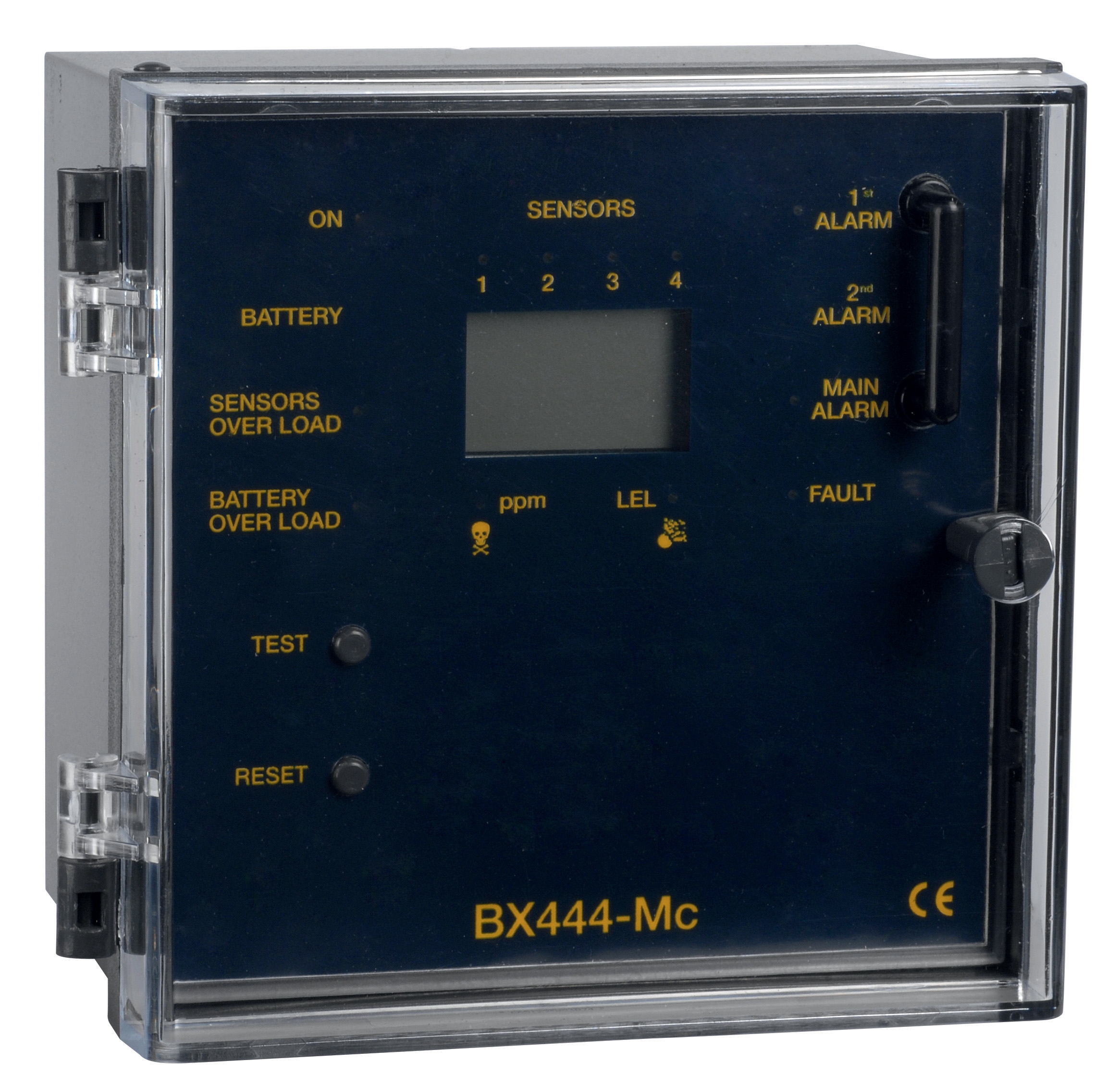
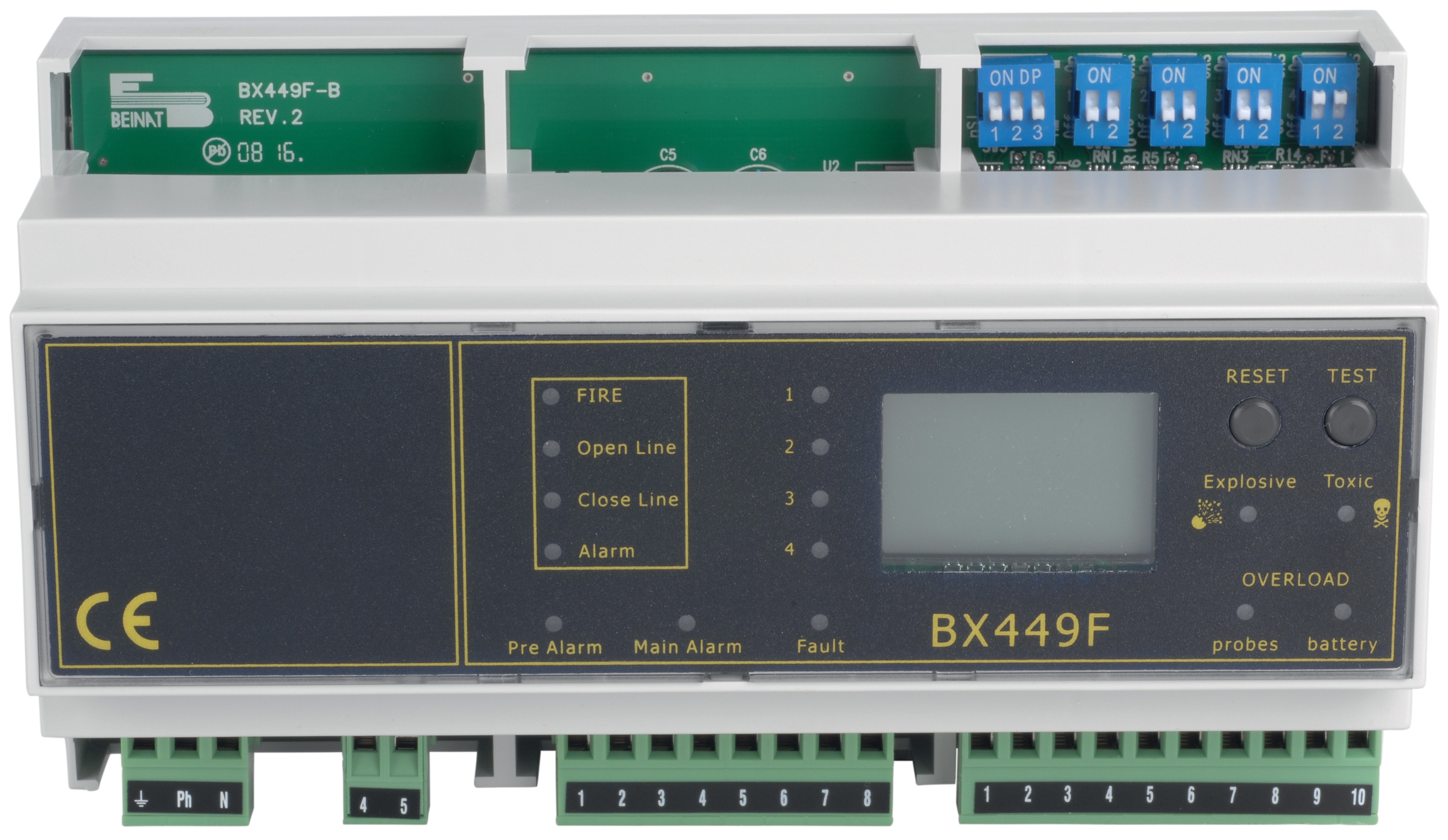
CBM's modular gas detection systems—specifically the Detection Unit 4 Probes (DTK08006) and Gas Detection Center DIN Rail 4 Probes (DTK08014)—provide infrastructure for connecting multiple monitoring devices, including dedicated pressure measurement instruments. These units utilize catalytic sensor technology certified under electromagnetic compatibility standards (CEI-EN50270:2015), establishing a baseline for system performance against which pressure data can be evaluated.
The DTK08006 conventional 4-zone detection unit accepts signal inputs from detection probes while allowing parallel connection of pressure monitoring instruments. The DTK08014 DIN rail-mounted variant offers the same functionality in a space-efficient format suitable for confined panel installations common in Singapore's compact industrial facilities.
Pressure measurement instruments compatible with these detection systems must accommodate the specific pressure ranges encountered in gas detection networks. CBM's Stainless Steel Axial Manometer D63 0/+400Mbar (ROS23014) addresses low to medium-pressure detection applications, offering ±1.6% accuracy across its full 400 millibar range. This specification matches the pressure conditions in pneumatic sampling lines typical of gas detection probe networks.
For higher-pressure applications—such as compressed air supply lines feeding probe networks in larger facilities—the Glycerin Manometer All Stainless Vertical D63 0/+250bar (ROS58040) provides accurate measurement up to 250 bar (approximately 25 MPa) with the same ±1.6% accuracy specification. The glycerin damping prevents needle flutter from compressor pulsation, critical for obtaining reliable diagnostic readings in systems with variable air supply.
[PRODUCT_IMAGE:DTK08006]
System integration requires careful consideration of measurement point selection. Primary measurement points include: (1) probe supply pressure at the DTK unit outlet, (2) return/reference pressure in the detection circuit, and (3) system line pressure at probe locations. By measuring pressure at multiple points, technicians can identify pressure drops exceeding acceptable thresholds—typically 10-15% of nominal supply pressure—indicating potential blockages or leaks.
[PRODUCT_IMAGE:ROS23014]
Step-by-Step Procedure for Pressure Measurement Integration
Step 1: Identify Measurement Points
Before installing pressure instruments, map your detection system layout. Mark three critical measurement locations: at the DTK08006 or DTK08014 unit's supply outlet, at the main probe feed line before branching, and at the most remote probe location. This triangulation reveals where pressure loss occurs.
Step 2: Select Appropriate Manometers
Choose instruments based on expected pressure ranges. Use CBM axial manometers (ROS23014) for low-pressure applications (0-400 mbar) typical of pneumatic detection networks. Select glycerin-dampened models (ROS58040) where supply pressure exceeds 10 bar or where pulsating air supply causes needle oscillation.
Step 3: Install Connection Points
Install T-fittings or needle valves at measurement locations, using G1/4 connections to match standard manometer ports. Ensure stainless steel fittings throughout to prevent corrosion in Singapore's humid environment.
Step 4: Connect Manometers
Attach manometers to connection points using stainless steel tubing. Avoid sharp bends that restrict flow; pressure lines should have gradual curvature. Verify that manometer orientation matches design specifications (vertical vs. axial mounting) for accurate readings.
Step 5: Establish Baseline Measurements
Record pressure readings at all three points during normal system operation and at various process conditions. Document these baselines for comparison during maintenance intervals.
Step 6: Implement Monitoring Schedule
Schedule weekly pressure checks, comparing current readings against established baselines. Any deviation exceeding ±5% warrants investigation for potential blockages, leaks, or sensor degradation.
[PRODUCT_IMAGE:ROS58040]
Selection Criteria and Best Practices for Singapore Industrial Environments
Material Selection: Singapore's tropical climate and coastal proximity accelerate corrosion of ferrous materials. All manometers must feature stainless steel cases and connections. CBM's stainless steel designs (ROS23014, ROS58040) withstand this environment without requiring protective coatings that could degrade accuracy.
Accuracy Requirements: For gas detection system diagnostics, maintain minimum ±1.6% accuracy specifications. This precision level allows detection of 5-10% pressure variations that might otherwise escape notice until system failure occurs.
Damping Characteristics: Glycerin-filled manometers are essential where compressor-supplied air exhibits pulsation. The dampening effect stabilizes readings, preventing false alarms triggered by transient pressure spikes misinterpreted as sensor faults.
Installation Practices: Mount manometers at consistent heights relative to measurement points. Vertical orientation (as with the ROS58040 vertical variant) provides superior readability. Locate instruments in protected areas away from direct heat sources or mechanical vibration that could affect accuracy.
Integration with Detection Units: When implementing the DTK08006 or DTK08014 detection units, plan pressure measurement as a parallel system rather than an afterthought. This approach ensures measurement points align with detection probe locations, enabling direct correlation between pressure variations and detection anomalies.
Regulatory Compliance: Singapore's Workplace Safety and Health Act requires documentation of safety system performance and maintenance. Pressure measurement records provide objective data demonstrating that gas detection systems operate within design parameters, supporting compliance documentation and audit preparation.
Diagnostic Applications and Troubleshooting
Pressure measurement data enables systematic troubleshooting of detection system performance issues. When the DTK08006 or DTK08014 units report inconsistent readings from specific probes, pressure measurements help distinguish between sensor malfunction and system pressure problems. Low pressure at a specific probe location suggests blocked sample lines, while high return pressure indicates restricted exhaust paths.
In Singapore facilities operating ATEX-certified detection probes (such as the DTK18012 diesel probe), pressure monitoring becomes especially critical. These probes require consistent supply pressure to maintain catalytic sensor sensitivity. Pressure drops below specification will degrade sensor response time, potentially delaying detection of hazardous gas concentrations.
Documentation of pressure trends over time—maintained through systematic weekly measurements—reveals degradation patterns. Progressive pressure increase at a specific measurement point may indicate filter saturation or sensor fouling requiring maintenance intervention before system reliability becomes compromised.
Conclusion and Next Steps
Integrating pressure measurement with gas detection systems transforms these installations from passive safety devices into actively managed, diagnostically capable networks. In Singapore's demanding industrial environments, where equipment operates continuously under challenging conditions, this integration extends system reliability and maintains the detection accuracy upon which worker safety depends.
The combination of CBM detection units and manometric instruments provides a complete measurement framework. By selecting appropriate instruments—such as the stainless steel axial manometer (ROS23014) for low-pressure networks or the glycerin manometer (ROS58040) for higher-pressure applications—and implementing systematic monitoring procedures, industrial professionals establish objective baselines for system performance and enable early detection of degradation before safety is compromised.
The technical specifications detailed in this guide—particularly the ±1.6% accuracy standard and pressure range selections—represent proven methodologies applied across Singapore's industrial sector. Implementation requires modest additional investment in measurement instruments and monitoring procedures, but the reliability gains and compliance benefits justify this investment many times over.
For specific guidance on integrating pressure measurement into your facility's detection system configuration, or to select appropriate CBM equipment for your application, contact 3G Electric's technical team in Singapore. Our specialists have supported industrial facilities throughout Singapore since 1990, and we're equipped to assist with system design, equipment selection, and installation support for gas detection and pressure measurement integration.